How to Get Tickets for the Uffizi Gallery in Florence
Standing in the shadow of the Palazzo Vecchio, only to realize that every single entry slot for the Uffizi Gallery is sold out for the duration of your stay, is a rite of passage no traveler wants to experience. This guide provides the insider strategies you need to navigate the often-confusing Italian ticketing bureaucracy, ensuring you don't miss out on Botticelli and Da Vinci due to a lack of preparation.
Disclosure: This post may contain affiliate links. We may earn a commission at no extra cost to you if you make a purchase through these links. Read full disclosure.
The Maze of Official Booking and Pre-planning
If you have spent any time trying to navigate Italian government websites, you already know they are rarely designed with user experience in mind. The official portal for Uffizi tickets is often slow, prone to crashing during peak season, and sometimes refuses to accept foreign credit cards for no discernible reason. However, securing a ticket through the official channel remains the most cost-effective way to enter, provided you have the patience and the foresight to book weeks—or even months—in advance.
Navigating the B-Ticket Official Portal
The only truly official website for purchasing tickets is B-Ticket. You will find many other sites that look official, often using the museum’s name in their URL, but these are third-party resellers. While there is nothing wrong with using a reseller, you will pay a significant markup. On the official site, you will be faced with a choice of time slots every 15 minutes. It is vital to understand that your "entry time" is more of a suggestion for when you should join the line to exchange your digital voucher for a physical ticket. Many first-timers assume they can walk straight to the door at 10:15 AM if that is their slot, but in reality, you must first find the correct ticket window to get your paper pass.
When you are planning your itinerary, especially if you are following a broader Florence for First-Time Visitors: What to See and Skip guide, you should prioritize the Uffizi as your "anchor" event for the day. Do not try to squeeze it in between other major monuments. The booking process will require you to create an account, and I highly recommend doing this before the tickets go on sale for your dates. If you are traveling during the summer or around major holidays, these slots disappear within minutes of being released. If you find the website impossible to use, do not lose hope yet; there are other ways to get in that most tourists overlook.
Booking via Phone: The Old-School Hack
In a country that still loves paper and stamps, it shouldn't be a surprise that the telephone is often more reliable than the internet. There is an official call center for the Florentine museums that many expats use when the website fails them. By calling +39 055 294883, you can often find "phantom" tickets that do not appear on the website. The operators usually speak English, and they can book your slot over the phone. You won't pay until you arrive at the museum, which is a massive relief if you have been struggling with a finicky website.
This method is particularly useful if you are trying to coordinate a larger group or if you are looking for specific types of reduced-price tickets that aren't easily processed online. Just keep in mind the time difference; the call center operates on Italian business hours. Once you have your booking code from the operator, guard it with your life. You will take this code to the "Reservations" window at the museum on the day of your visit, pay the fee, and receive your entry pass. This is a much smoother experience than gambling on the "walk-up" line, which can easily exceed three hours in the July heat.
What to Do When the Official Site Says No
If you have waited too long and the official site shows a sea of red "Sold Out" boxes, do not panic. This is where most tourists give up, but as someone who has lived here long enough to see the system's loopholes, I can tell you that the museum is rarely truly "full." A significant portion of the daily capacity is reserved for third-party vendors and tour operators. This is a strategic move by the city to manage crowds, even if it feels unfair to the independent traveler.
Utilizing Third-Party Booking Platforms
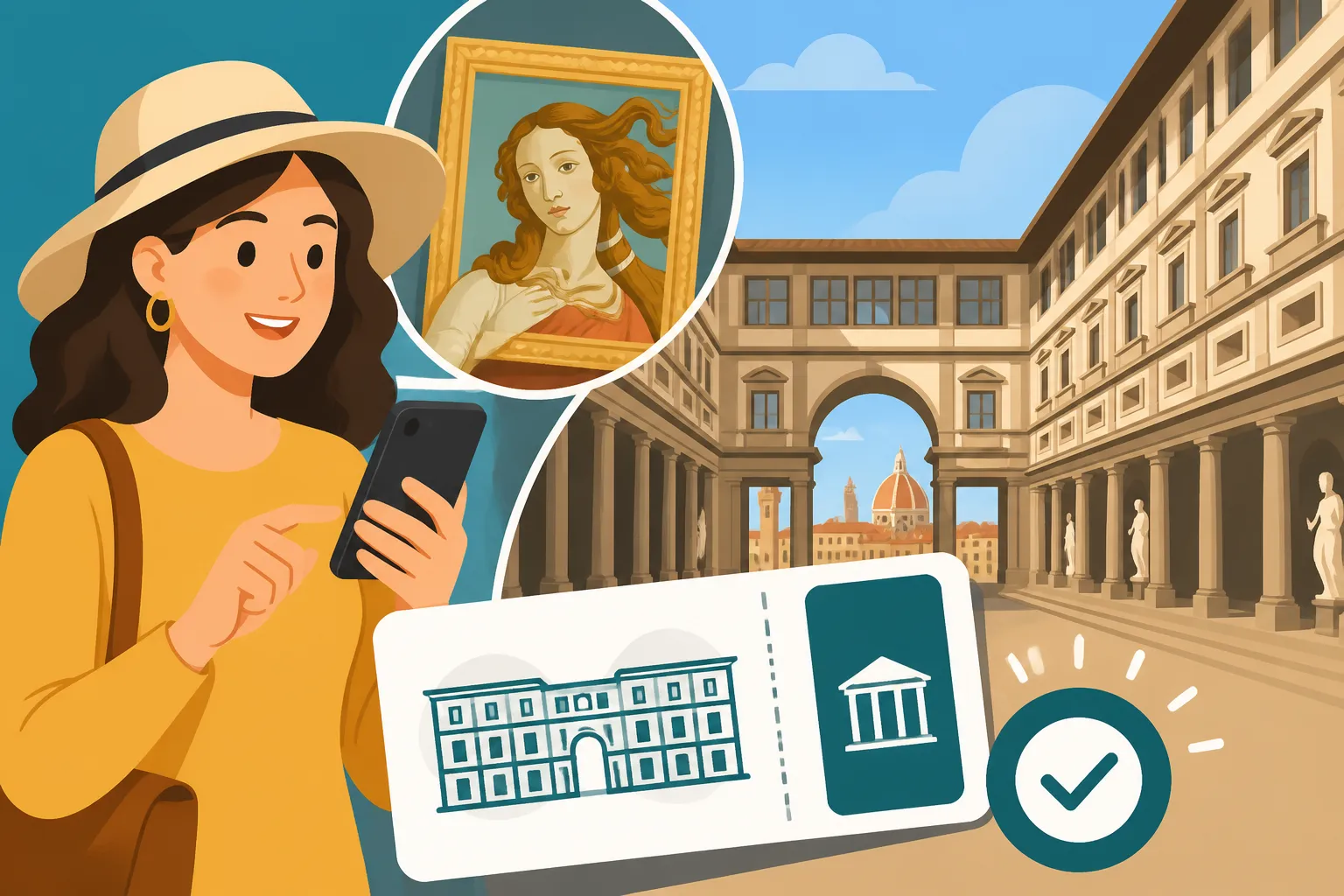
When the official well runs dry, your next best bet is to look at established platforms like GetYourGuide. These companies purchase blocks of tickets in advance and sell them as "skip-the-line" vouchers. While you will pay a premium of anywhere from five to fifteen Euros over the base price, it is a small price to pay to ensure you actually get to see the Birth of Venus. These platforms often have availability even on the same day, which is a lifesaver for spontaneous travelers.
The beauty of using a service like GetYourGuide is the ease of the interface and the reliability of the mobile voucher. You won't have to deal with the archaic B-Ticket system. Furthermore, many of these tickets come with a more flexible cancellation policy than the official ones, which are notoriously difficult to refund. If you are building a complex trip and perhaps looking into How to Skip the Lines at the Colosseum and Vatican later in your journey, you will find that using these consolidated platforms keeps all your vouchers in one app, reducing the "bureaucracy fatigue" that often plagues Italian holidays.
The Power of Guided Tours
Another guaranteed way to bypass the "Sold Out" sign is to book a guided tour. Tour operators have their own dedicated entrance and their own pool of tickets. If you are an art lover, this is actually the superior way to experience the Uffizi. The gallery is massive—it was originally the administrative offices of the Medici family—and it can be overwhelming to navigate alone. A professional guide will take you straight to the masterpieces, providing the historical context that makes the art come alive.
Booking a tour also solves the logistics of entry. You will usually meet your guide at a designated spot near the Piazza della Signoria, and they will handle the ticket exchange and the line-management for you. This is particularly helpful if you are still acclimating to the local pace of life or if you are trying to understand Tipping in Italy: When, Where, and How Much before your first group activity. Many people think they don't like guided tours until they realize the guide is essentially a human shield against the chaotic Florentine crowds.
| Ticket Option | Average Cost | Best For | Availability |
|---|---|---|---|
| Official (B-Ticket) | €20 – €25 | Budget-conscious planners | Low (books out months ahead) |
| Call Center | €20 – €25 | Last-minute independent travelers | Medium |
| GetYourGuide | €35 – €45 | Convenience & last-minute needs | High |
| Guided Tour | €60 – €90 | Art enthusiasts & first-timers | High |
| Physical Box Office | €20 – €25 | Gamblers with lots of time | Very Low |
Practical Tips for Entry and Museum Logistics
Getting your ticket is only half the battle. The Uffizi is split across two wings of a massive U-shaped building, and the entry process is divided into several different doors. If you go to the wrong door, you might wait for twenty minutes only to be told you belong in the line across the courtyard. It is an exercise in patience that requires a bit of local know-how to navigate without a meltdown.
Finding the Right Door: Triage and Vouchers
When you arrive at the Piazzale degli Uffizi, you will see three main doors. Door 1 is usually for those who already have their physical tickets in hand (mostly groups). Door 2 is for people who have no reservation and are hoping to buy a ticket on the spot—this is the line you want to avoid at all costs. Door 3 is the "Reservations" window. If you have a digital voucher from the official site or a booking code from the call center, you must go to Door 3 first. You trade your voucher for a ticket, and then you go to the entry line.
If you have booked via GetYourGuide or a similar provider, read your instructions carefully. Often, you will meet a representative of the company who will hand you a physical ticket, or they will have a specific meeting point nearby. Do not just join a line because it looks official. Always ask a staff member "Per cambiare il voucher?" (To change the voucher?) to ensure you are in the right place. This small step can save you an hour of standing in the sun. If you have any medical conditions or are traveling with children, be sure to mention this; sometimes there are shorter queues for families, though this is never guaranteed in Italy.
Timing Your Visit for Sanity
The Uffizi is at its most crowded between 10:00 AM and 2:00 PM. If you can snag an 8:15 AM slot—the very first of the day—take it. You will have about thirty minutes of relative peace before the large tour groups arrive. Alternatively, the "late-afternoon" strategy works well. Booking a slot for 4:30 PM (the museum stays open until 6:30 PM or 7:00 PM depending on the season) allows you to see the halls as they begin to empty out. Just be aware that they will start ushering people toward the exits about 20 minutes before closing time.
While you are planning your day, consider the timing of your meals. Many tourists make the mistake of trying to visit the Uffizi right after a heavy lunch, only to find themselves nodding off in front of a Raphael. It is much better to visit early and then dive into Italian Food Culture: Eating Well as a Visitor once you have worked up an appetite. Understanding What Time Do Italians Eat Lunch and Dinner? will help you time your museum exit so you aren't wandering around when all the best trattorias are closed for their afternoon break.
Rounding Out Your Florence Experience
Securing your Uffizi tickets is a major milestone in your Florence planning, but don't let it be the only thing you organize. The city is dense, and your choice of accommodation and transport will significantly impact how tired you feel by the time you reach the museum doors. As a veteran expat, I always tell people that Florence is a walking city, but only if you stay in the right spot.
Staying Central and Getting Around
To make the most of an early morning Uffizi slot, I highly recommend booking your stay through Booking.com in the Oltrarno district or near the Duomo. Staying within a 15-minute walk of the gallery saves you the stress of navigating the city's somewhat unreliable bus system. If you are coming from out of town, perhaps as part of a larger itinerary like How to Combine Rome, Florence, and Venice in One Trip, you should use Omio to book your high-speed train tickets. Arriving at Santa Maria Novella station puts you just a short, scenic walk away from the museum district.
If you are looking for a break from the crowds after your museum visit, consider Best Day Trips From Florence Without a Car. Sometimes the best way to process all that Renaissance art is to sit in a vineyard in Fiesole or take a quick train to Lucca. Italy is a country that rewards those who look beyond the "Big Three" attractions. By utilizing tools like Omio to manage your regional travel and Booking.com to find a quiet retreat away from the main tourist drag, you can balance the intensity of Italy's Great Museums: Uffizi, Vatican, and Beyond with the "dolce far niente"—the sweetness of doing nothing.
Final Advice for the Gallery
Once you are inside, head straight to the top floor (the Second Floor). This is where the most famous works are located, including the Botticelli rooms. Most people start at the beginning and get "art fatigue" before they reach the main attractions. Also, do not miss the terrace of the Uffizi Cafe; it offers one of the best views of the Palazzo Vecchio and the Duomo in the entire city. It is a bit expensive for a coffee, but for the view alone, it is worth every cent.
Remember to bring a valid ID. Even if you have a pre-paid ticket, the staff may ask to see identification to verify your name or your eligibility for a reduced price (for EU citizens under 25, for example). Dress comfortably—the floors are hard marble, and you will be on your feet for several hours. Finally, leave your large backpacks at your hotel; the cloakroom lines can be just as long as the entry lines, and the security rules regarding bag size are strictly enforced.
Disclaimer
This guide is for informational purposes only. Ticketing policies, prices, and entry procedures for the Uffizi Gallery are subject to change by the Italian Ministry of Culture at any time. We recommend verifying current requirements on the official museum website before your visit. The author is an independent writer and is not affiliated with the Uffizi Gallery or the Italian government.