Trasferimento di Residenza: The Italian Duty Exemption for Personal Effects
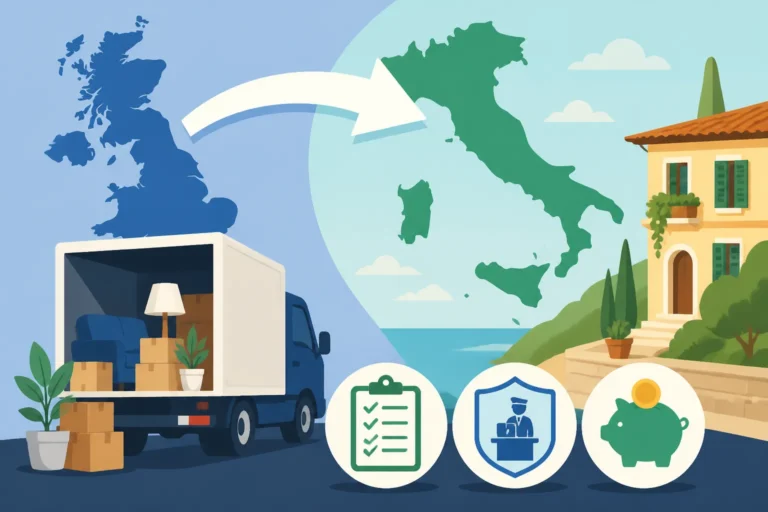
Moving all your worldly possessions to a new country like Italy can feel like an Olympic sport, especially when you start picturing endless customs forms and exorbitant import taxes. It’s enough to make you consider just showing up with a suitcase and a prayer! But fear not, my fellow expats, because Italy does offer a genuine lifeline: the Trasferimento di Residenza duty exemption for personal effects. This guide is going to walk you through exactly what this means, who qualifies, and how to navigate the paperwork so you can bring your beloved belongings here without breaking the bank.
Disclosure: This post may contain affiliate links. We may earn a commission at no extra cost to you if you make a purchase through these links. Read full disclosure.
Understanding the Trasferimento di Residenza Exemption
When you decide to pack up your life and establish residency in Italy, the last thing you want is to pay duties and taxes on items you already own. This is where the Trasferimento di Residenza, or "transfer of residence" exemption, swoops in to save the day. Essentially, it's a special provision in Italian and EU customs law that allows individuals moving their primary residence to Italy to import their personal property, including household goods, furniture, clothing, and even vehicles, without incurring customs duties, VAT (IVA), or other import taxes. It's designed to ease the burden of international relocation, recognizing that these aren't commercial imports but personal items for your new home.
The Rationale Behind the Exemption
Think about it: you’ve bought these items, paid taxes on them in your home country, and now you’re merely moving them. Charging you again would be double taxation and, quite frankly, unfair. The Italian state, following EU directives, understands this fundamental principle. The exemption exists to facilitate genuine residential moves, distinguishing between a tourist bringing in new purchases and an individual genuinely relocating their life. It means your well-worn armchair, your collection of books, and even your kitchen utensils can follow you to your new Italian abode without an extra financial penalty at the border. However, it's not a free-for-all; there are strict rules to ensure only legitimate transfers of residence benefit.
Key Benefits for Expats
For us expats, this exemption is a significant financial relief. Imagine the cost of paying 22% VAT on top of customs duties for every single piece of furniture, every appliance, and even your car! The Trasferimento di Residenza avoids this colossal expense, making your move much more affordable. Beyond the financial aspect, it also means you get to keep your familiar possessions, making your new Italian house feel like a casa much faster. It smooths the emotional transition, allowing you to settle in with items that hold sentimental value, rather than having to start from scratch with all new purchases. It’s one less bureaucratic hurdle and one more reason to embrace your new life here, knowing your favorite things are coming along for the ride.
Eligibility Criteria: Who Can Benefit?
Now, before you start packing everything but the kitchen sink, it's crucial to understand who actually qualifies for this exemption. Italy's customs regulations are pretty clear on this, distinguishing between those moving from another EU country and those arriving from outside the EU. The core principle is proving that you are genuinely changing your primary residence to Italy, and that the goods you’re importing are truly personal effects that you’ve owned and used for a significant period.
EU Citizens Moving to Italy
If you're an EU citizen moving from another EU member state to Italy, the process is generally simpler because of the principle of free movement of goods within the European Union. You typically won't face customs duties or VAT when moving your personal effects. However, while you might not fill out the same "import declaration" forms as non-EU citizens, you still need to demonstrate a genuine transfer of residence.
This usually means showing proof of your prior residence in another EU country and your new residence in Italy. Documents like your old rental contract or utility bills from your previous country, coupled with your Italian residenza registration or new rental agreement, will usually suffice. While the explicit "duty exemption" terminology is more relevant for non-EU imports, the practical outcome is the same: your personal items move freely with you. Still, it's vital to have your paperwork in order, especially if questioned by authorities, to prove it's a legitimate household move and not a commercial transfer.
Non-EU Citizens Moving to Italy
For those of us coming from outside the European Union, the Trasferimento di Residenza exemption is absolutely essential. Without it, you would face significant customs duties and VAT (IVA) on nearly everything you bring. To qualify, you generally need to meet several key conditions, which can sometimes feel like a bureaucratic labyrinth designed to test your resolve.
The most critical requirement is proving that you have established, or are in the process of establishing, residenza in Italy. This means you need a valid long-stay visa (such as a How to Obtain an Italian Work Visa, Elective Residence Visa in Italy: The Retirement Visa Guide, or a Italy Digital Nomad Visa: Eligibility and Application), followed by your application for a Italian Residence Permit (Permesso di Soggiorno) Explained. You'll also need to prove that you have lived outside the EU for at least 12 consecutive months prior to your move. The items you wish to import must have been in your possession and used by you for at least six months before your actual move date. This prevents people from buying new goods specifically to avoid taxes. Furthermore, these goods must be imported within 12 months of your official transfer of residence to Italy. Proving all this requires a meticulously organized paper trail, from utility bills and bank statements in your old country to your new Italian residency certificate.
The Application Process: Step-by-Step
Navigating the application process for the Trasferimento di Residenza can be one of the most stressful parts of moving to Italy, but it doesn't have to be if you're well-prepared. This isn't a simple form you fill out at the airport; it's a multi-step process involving specific declarations to the Agenzia delle Dogane (Italian Customs Agency). Many expats, myself included, have found invaluable assistance by partnering with a reputable international moving company like Sirelo, who specialize in Italian customs clearance. They literally live and breathe this stuff, saving you countless headaches.
Required Documentation and Forms
This is where the rubber meets the road, and believe me, you'll need a stack of documents. The exact list can vary slightly depending on your specific situation and the customs office, but generally, you'll need:
- Proof of Identity: A valid passport and copies of all relevant visa pages.
- Proof of Residency in Italy: Your Italian permesso di soggiorno (residence permit) or, if you've just arrived, the receipt of your permesso application along with your certificato di residenza from your local Comune (city hall). Remember, you can't officially claim the exemption until your residency is processed, so plan your shipment timing carefully. You might need to demonstrate How to Prove Accommodation for an Italian Residency Application as part of this.
- Proof of Prior Residency Abroad: Documents showing you lived outside the EU for at least 12 consecutive months. This could include utility bills, bank statements, rental agreements, or tax records from your previous country.
- Detailed Inventory List: A comprehensive, itemized list of everything you are importing. This isn't just a general "boxes of household goods" note. Each box should be numbered, and its contents briefly listed. This inventory must often be in Italian and potentially notarized or sworn-translated (check if you need Apostilles and Sworn Translations for Italian Visas for this).
- Declaration of Value: An approximate value for your goods.
- Statement of Ownership and Use: A signed declaration stating that the goods have been in your possession and used by you for at least six months prior to your move and are intended for your personal use in your new Italian residence.
- Codice Fiscale: Your Italian tax code. You'll need this for almost everything in Italy, including customs declarations. If you haven't got one yet, make it a priority. Here's a helpful guide on How to Get a Codice Fiscale in Italy (and Why You Need One).
- Power of Attorney: If you're using a moving company like Sirelo to handle customs clearance on your behalf (which is highly recommended!), you'll need to provide them with a notarized power of attorney.
Submitting Your Application to Customs
Once you have all your documents meticulously prepared, you or your appointed moving company will submit them to the relevant Italian Customs office (Agenzia delle Dogane). This usually happens before your shipment arrives at the port or airport in Italy. The goal is to get prior approval for the duty exemption.
The customs officers will review your documentation to ensure you meet all the criteria. This can involve scrutiny of your residency proof, the duration of your previous residence abroad, and the nature of the goods being imported. If anything is unclear or missing, they will likely request further information, which can cause significant delays and, in some cases, lead to the imposition of duties if you can’t satisfy their requirements. This is precisely why having an experienced moving partner is so critical. Sirelo's network of expert movers understands the nuances of Italian customs and can anticipate potential issues, helping you compile a complete and compliant application the first time around. They act as your advocate, navigating the bureaucratic language and specific customs procedures.
The Role of Your Moving Company: Sirelo to the Rescue
Let's be honest: Italian bureaucracy can be a beast, and customs procedures are no exception. This is where a professional international moving company becomes less of a luxury and more of a necessity. For anyone planning to move their personal effects to Italy and leverage the Trasferimento di Residenza exemption, I cannot stress enough the value of working with a platform like Sirelo.
Sirelo connects you with experienced, vetted international movers who understand the intricate requirements of Italian customs law. They don't just pack boxes; they guide you through the entire duty exemption process. From helping you compile the exhaustive list of required documents to ensuring your inventory is correctly formatted and translated, they are instrumental. They'll also liaise directly with the Agenzia delle Dogane on your behalf, reducing your stress and minimizing the risk of costly errors or delays. Their expertise ensures that your application for the Trasferimento di Residenza is complete, accurate, and submitted according to local regulations, significantly increasing your chances of a smooth, duty-free import. When I moved, having someone else handle the customs paperwork felt like a monumental weight lifted off my shoulders. It's a game-changer.
Items Covered and Excluded
Understanding what you can and cannot bring under the Trasferimento di Residenza exemption is paramount. While the intention is to allow you to bring your personal life with you, there are common-sense restrictions to prevent abuse of the system. This isn't a loophole for importing new, high-value goods for resale or profit.
General Personal Effects and Household Goods
The good news is that most of your typical household items and personal effects are covered by the exemption. This includes:
- Furniture: Your sofa, dining table, chairs, beds, bookshelves, etc.
- Household Appliances: Washing machines, refrigerators, ovens, vacuum cleaners, and smaller kitchen gadgets that you have owned and used.
- Personal Clothing and Linens: All your garments, towels, bedding.
- Books, CDs, DVDs, and Records: Your personal library and media collection.
- Tools and Hobby Equipment: Personal tools for DIY, sports equipment (bikes, skis), musical instruments, art supplies, etc., provided they are clearly for personal use.
- Personal Computers and Electronics: Laptops, desktop computers, televisions, cameras, and personal sound systems.
The key here is "personal use" and "used condition." Customs officials are looking for items that genuinely belong to a household, have signs of prior use, and are consistent with personal property. They are not looking for brand-new, still-in-the-box electronics or multiple identical items that might suggest commercial intent. The moving companies on Sirelo's platform can advise you on how best to declare these items to avoid any confusion.
Vehicles and Other Special Items
Bringing your car, motorcycle, or other vehicles to Italy also falls under the Trasferimento di Residenza exemption, but it comes with its own set of rules and complexities. The vehicle must have been registered in your name in your previous country of residence for at least six months prior to the transfer. You also cannot sell, rent, or dispose of the vehicle within 12 months of its duty-free import into Italy.
In addition to vehicles, there are other special considerations:
- Pets: While not "personal effects" in the traditional sense, bringing your beloved furry friends requires specific veterinary and documentation protocols, including health certificates and vaccinations. These are outside the customs exemption but are critical to plan for.
- Art and Antiques: Personal collections of art or antiques can often be included, but if they are of significant value or considered national treasures in their country of origin, additional documentation or specific import permits might be required. It’s always best to declare these transparently and discuss them with your moving company and potentially a customs broker beforehand.
- Alcohol and Tobacco: These items are generally not covered by the duty exemption for personal effects, even if for personal consumption. Strict limits apply, and anything exceeding these limits will be subject to duties and taxes. It's usually better to buy these locally or within your allowed duty-free allowance, rather than including them in your household shipment.
Items Strictly Excluded
There are certain categories of items that are explicitly excluded from the Trasferimento di Residenza duty exemption. These exclusions are in place to prevent commercial activities disguised as personal moves and to control specific regulated goods:
- Commercial Goods: Any items intended for sale, trade, or commercial use are strictly forbidden from the exemption.
- Goods Acquired New Just Before Moving: If you bought a brand-new television, refrigerator, or other high-value item shortly before your move, customs might view this suspiciously. The "owned and used for at least six months" rule is crucial here. If you can't prove this, duties and taxes may apply.
- Alcoholic Beverages and Tobacco Products: As mentioned, these are almost always excluded from duty-free personal effects.
- Weapons, Ammunition, and Explosives: These are highly regulated and require specific permits, if allowed at all. They cannot be imported under this exemption.
- Drugs and Narcotics: Absolutely forbidden.
- Items Subject to Quarantine: Certain plants, seeds, or food items may be restricted due to phytosanitary regulations. It's best to avoid including these in your shipment unless you have checked specific Italian import rules.
Transparency is key. Always be upfront about the contents of your shipment with your moving company. Attempting to hide or misrepresent items can lead to severe penalties, including fines and confiscation.
Common Pitfalls and How to Avoid Them
Moving to Italy is an adventure, but the administrative side can definitely feel like a quest through a minefield. The Trasferimento di Residenza exemption, while a fantastic benefit, has its own set of traps. Knowing these common pitfalls can save you significant time, money, and sanity. This is another area where the experience of a professional mover from the Sirelo network truly shines.
Missing or Incorrect Documentation
This is probably the number one reason for delays and complications. Italian bureaucracy thrives on precise and complete documentation. A single missing signature, an untranslated document, or an expired visa can bring your entire shipment to a grinding halt. I've heard horror stories of people's belongings sitting in customs warehouses for weeks, accruing storage fees, all because a copy of their permesso di soggiorno wasn't included or an inventory list lacked sufficient detail.
To avoid this:
- Start Early: Begin gathering your documents months before your move.
- Create a Checklist: Work with your moving company to get a definitive, personalized checklist of all required documents.
- Translate and Authenticate: Ensure all non-Italian documents are officially translated (if required) and apostilled or notarized as specified.
- Keep Originals and Copies: Always have both original documents and several sets of photocopies.
- Double-Check Everything: Before submission, review every single document multiple times. A professional moving partner like those found via Sirelo will conduct their own thorough checks, catching mistakes you might miss.
Misunderstanding Timelines and Deadlines
The "12 months prior residence outside Italy" and "import within 12 months of establishing residence" rules are non-negotiable. Missing these deadlines can result in your shipment being fully taxed.
- The 12-Month Rule (Previous Residence): You must prove you lived outside the EU for at least 12 continuous months immediately preceding your move to Italy. Don't plan a short trip to Italy during this period if it breaks your continuous residency abroad.
- The 12-Month Rule (Import Window): Your personal effects must arrive in Italy and clear customs within 12 months of the date you establish your official residenza in Italy (the date on your certificato di residenza or permesso di soggiorno). If your goods arrive too early (before your residency is established) or too late, you're out of luck. This requires careful coordination with your international mover to ensure your shipment's arrival aligns perfectly with your residency timeline. Sirelo's movers are adept at managing these logistical puzzles.
Improper Packing and Inventory
Customs officials might randomly inspect boxes. If your detailed inventory doesn't match what's inside, or if items prohibited from the exemption are found, it can lead to complications, delays, and penalties.
- Detailed Inventory: This cannot be stressed enough. "Box 1: Kitchen items" is not enough. It should be "Box 1: 4 plates, 6 mugs, 1 toaster, various cutlery."
- Be Honest: Do not try to hide anything, especially items that are taxable or prohibited.
- Professional Packing: While not directly related to the exemption, good packing protects your goods and makes inspection easier. Many movers connected through Sirelo offer professional packing services that are up to international shipping standards.
Not Using a Specialized Moving Service
Attempting to handle the entire customs clearance process yourself, particularly for non-EU imports, is a recipe for disaster. While tempting to save money, the cost of mistakes (storage fees, duties, fines) far outweighs the savings.
A professional international mover, especially one with extensive experience in Italy like those vetted by Sirelo, will:
- Provide Expertise: They know the latest customs regulations, specific forms, and required documentation for Italy.
- Handle Communication: They can communicate directly with customs officials in Italian, navigating any queries or issues that arise.
- Manage Logistics: They will coordinate the entire process, from pickup to delivery, ensuring your goods meet the crucial timelines.
- Reduce Stress: Honestly, this is the biggest benefit. Moving to a new country is already overwhelming. Let the experts handle the complex customs procedures. When you use Sirelo, you're not just finding a mover; you're finding a partner to help you successfully bring your life to Italy.
Planning Your Move with Sirelo
The daunting prospect of international relocation, particularly when complex customs exemptions like the Trasferimento di Residenza are involved, can be overwhelming. This is precisely why platforms like Sirelo exist: to simplify the process and connect you with trusted professionals who can make your move to Italy as smooth as possible. Don't underestimate the logistical dance required to perfectly time your personal effects arrival with your residency establishment.
Why Sirelo is Your Best Partner for Italian Relocation
Sirelo isn't just a list of moving companies; it's a comprehensive platform designed to empower international movers. Their strength lies in connecting you with a network of experienced, vetted relocation specialists who have a deep understanding of Italian customs regulations, including the nuances of the Trasferimento di Residenza exemption. These aren't just generic movers; they are companies with proven track records in navigating the specific challenges of moving to Italy.
By using Sirelo, you gain access to:
- Qualified Movers: You'll receive quotes from pre-screened companies known for their reliability and expertise in international shipping and customs clearance for Italy.
- Tailored Advice: These movers can offer specific guidance on your unique situation, whether you're bringing a car, precious antiques, or just your basic household goods. They will help ensure all your documents are in order and your inventory is compliant.
- Cost Comparisons: Sirelo allows you to easily compare multiple quotes, helping you find the best balance of service and price for your specific needs.
- Peace of Mind: Knowing that experienced professionals are handling the intricate customs paperwork and logistics means you can focus on other essential aspects of settling into your new Italian life, from registering with your local Comune to exploring local markets.
Getting a Quote and Coordinating Your Shipment
Once you've decided to move your personal effects to Italy, the next step is to get the ball rolling with a professional moving service. Here’s how you can leverage Sirelo to coordinate your shipment and ensure a smooth application of the Trasferimento di Residenza exemption:
- Request Quotes on Sirelo: Start by detailing your moving needs on the Sirelo platform. Provide as much information as possible about the volume of your goods, your origin and destination, and crucially, mention that you intend to apply for the Trasferimento di Residenza exemption. This will help connect you with movers who specialize in this service.
- Compare and Choose: You'll receive competitive quotes from various international movers. Don't just look at the price; consider their experience, customer reviews, and their specific expertise in Italian customs. Many of these companies can also advise you on how to budget for your move, which is a key part of managing your overall Cost of Living in Italy 2026: Budgeting for Expats.
- Consult with Your Chosen Mover: Once you select a company, they will typically assign you a dedicated relocation specialist. This person will be your primary contact and guide through the entire process. They will provide you with a precise list of documents required for the Trasferimento di Residenza exemption and help you prepare them correctly. They'll also explain the nuances of Italian customs and answer any questions you have about specific items you wish to import.
- Coordinate Timelines: Work closely with your mover to align the shipment schedule with your personal relocation timeline, especially the critical 12-month window for establishing your Registering Residency in Italy (Residenza and Anagrafe) and submitting your permesso di soggiorno application. Your moving company will manage the logistics of transport, warehousing (if needed), and the actual customs clearance process upon arrival in Italy. They are experts in Choosing Movers for a Relocation to Italy and can ensure everything runs on schedule.
By following these steps and relying on the expertise available through Sirelo, you can confidently navigate the complexities of moving your personal effects to Italy and take full advantage of the Trasferimento di Residenza duty exemption. It’s about making your transition to la dolce vita as effortless as possible.
Beyond Customs: Settling into Your New Italian Life
Once your cherished personal effects have cleared Italian customs, it truly feels like a huge weight has been lifted. But the journey of settling into Italy is far from over! While the Trasferimento di Residenza exemption handles your physical belongings, there’s a whole new life waiting for you to build.
Registering Your Italian Residency and Beyond
Getting your residenza formally recognized by your local Comune is the cornerstone of life in Italy, and it's intrinsically linked to your ability to claim the duty exemption in the first place. But it doesn't stop there. Once you're officially a resident, a whole new world of administrative tasks opens up (I know, più burocrazia!).
You’ll need to:
- Get Your Health Card: Enroll in the Italian National Health Service (SSN) and obtain your Tessera Sanitaria.
- Open a Bank Account: Navigating Money Matters in Italy: Banking and Finance for Expats is crucial for daily life.
- Set Up Utilities: Getting connected with electricity, gas, water, and internet for your new home, as covered in topics like Setting Up Utilities in a New Italian Home.
- Register Your Car (if imported): This is a separate process from customs clearance and involves specific steps with the Motorizzazione Civile.
These steps, though seemingly endless, are what transform you from a visitor into a true resident. They are all part of the grand Italian adventure, and each one brings you closer to feeling truly at home.
Finding Your Community and Daily Life
With your home set up and bureaucracy tackled, the real joy of living in Italy begins. This involves integrating into your new community and experiencing daily life. Whether you've found your perfect spot from reading The Ultimate Guide to Renting and Buying a Home in Italy or are still exploring, connecting with locals and other expats is key.
- Learn the Language: Even basic Italian phrases will unlock so much more of daily life and help you form connections.
- Explore Local Markets: Dive into the rhythm of Italian shopping, savoring fresh produce and local specialties.
- Join Expat Groups: These communities can offer invaluable support, advice, and friendship as you navigate the cultural nuances and practicalities of Italian life.
- Embrace the Lifestyle: From the morning caffè ritual to the evening passeggiata, immerse yourself in the Italian way of life. It might be different from what you're used to, but that's part of the charm!
The Trasferimento di Residenza is a crucial first hurdle, but remember, it’s just one step on your exciting journey to becoming a seasoned expat in Italy. With your belongings safely here and your new administrative tasks underway, you're free to truly embrace the beauty, culture, and warmth that Italy has to offer. Enjoy every moment of your new vita italiana!
Summary of Trasferimento di Residenza Requirements
Here’s a quick overview of the key conditions and documents typically required for the Trasferimento di Residenza duty exemption for non-EU citizens moving to Italy. Remember, this is a general guide, and specific requirements can vary, so always confirm with your chosen moving company from Sirelo.
| Requirement Category | Key Condition | Typical Documents Required |
|---|---|---|
| New Residency in Italy | You must be establishing primary residence in Italy. Your personal effects must arrive within 12 months of your official residency date. | – Valid long-stay visa (e.g., work, elective, study) – Permesso di Soggiorno (Residence Permit) or application receipt – Certificato di Residenza from your Comune (city hall) – Proof of accommodation (rental contract or property deed) |
| Previous Residency Abroad | You must have lived outside the EU for a continuous period of at least 12 months immediately preceding your move to Italy. | – Utility bills from previous country (12+ months) – Rental agreements or property deeds from previous country (12+ months) – Bank statements or tax records proving continuous residence |
| Ownership of Goods | The personal effects must have been in your possession and used by you for at least 6 months prior to your move. They must be for personal use, not commercial. | – Signed declaration of ownership and use – Purchase receipts (if recently acquired, may be problematic for exemption) – Detailed inventory list (itemized and valued, possibly translated) |
| General Documentation | Essential identification and tax information. | – Valid Passport – How to Get a Codice Fiscale in Italy (and Why You Need One) – Power of Attorney for moving company (if applicable) – Apostilles and Sworn Translations for Italian Visas (for some documents, if requested) |
| Excluded Items | Commercial goods, new items purchased specifically for the move, alcohol, tobacco, weapons, drugs, certain plants/foods. These will be taxed or prohibited. | – N/A (these items should not be declared under the exemption or included in the shipment without prior consultation on separate import rules and taxes) |
Disclaimer
The information provided in this article is for general guidance only and does not constitute legal or professional advice. Italian customs regulations and immigration laws are complex and subject to change. It is highly recommended to consult directly with the Italian Customs Agency (Agenzia delle Dogane) or a qualified international moving specialist, such as those found through Sirelo, for advice tailored to your specific situation before initiating your move. We cannot be held responsible for any errors or omissions, or for any actions taken based on the information provided herein.