Insurance for Brits in Italy After Brexit: What the S1 and GHIC Cover
The healthcare landscape in Italy can feel like an entirely different planet, especially for us Brits navigating the post-Brexit world. The days of simply flashing your old EHIC and expecting seamless coverage are, sadly, long gone. This guide is here to untangle the complexities of health insurance for Brits living in or moving to Italy, from understanding the S1 form and the new GHIC to exploring robust private options like SafetyWing, ensuring you're never left in a medical lurch.
Disclosure: This post may contain affiliate links. We may earn a commission at no extra cost to you if you make a purchase through these links. Read full disclosure.
The Post-Brexit Healthcare Maze for Brits in Italy
When the UK officially left the European Union, a lot changed for British citizens residing or planning to move to Italy. Suddenly, the reciprocal healthcare agreements that made things relatively straightforward for decades were up in the air, leaving many of us feeling adrift in a sea of bureaucracy and uncertainty. It wasn't just a minor tweak; it was a fundamental shift that demanded a whole new approach to how we secure our health and well-being abroad.
The New Reality: Gone are the Simple EHIC Days
Remember the good old European Health Insurance Card (EHIC)? It was a comfort, wasn't it? A little blue card that, for many years, guaranteed access to medically necessary state-provided healthcare during temporary stays in EU countries, including Italy. You could fall ill, have an accident, and generally receive treatment at the same cost as a local. For Brits, this meant a sense of security while on holiday or during those initial months of settling in.
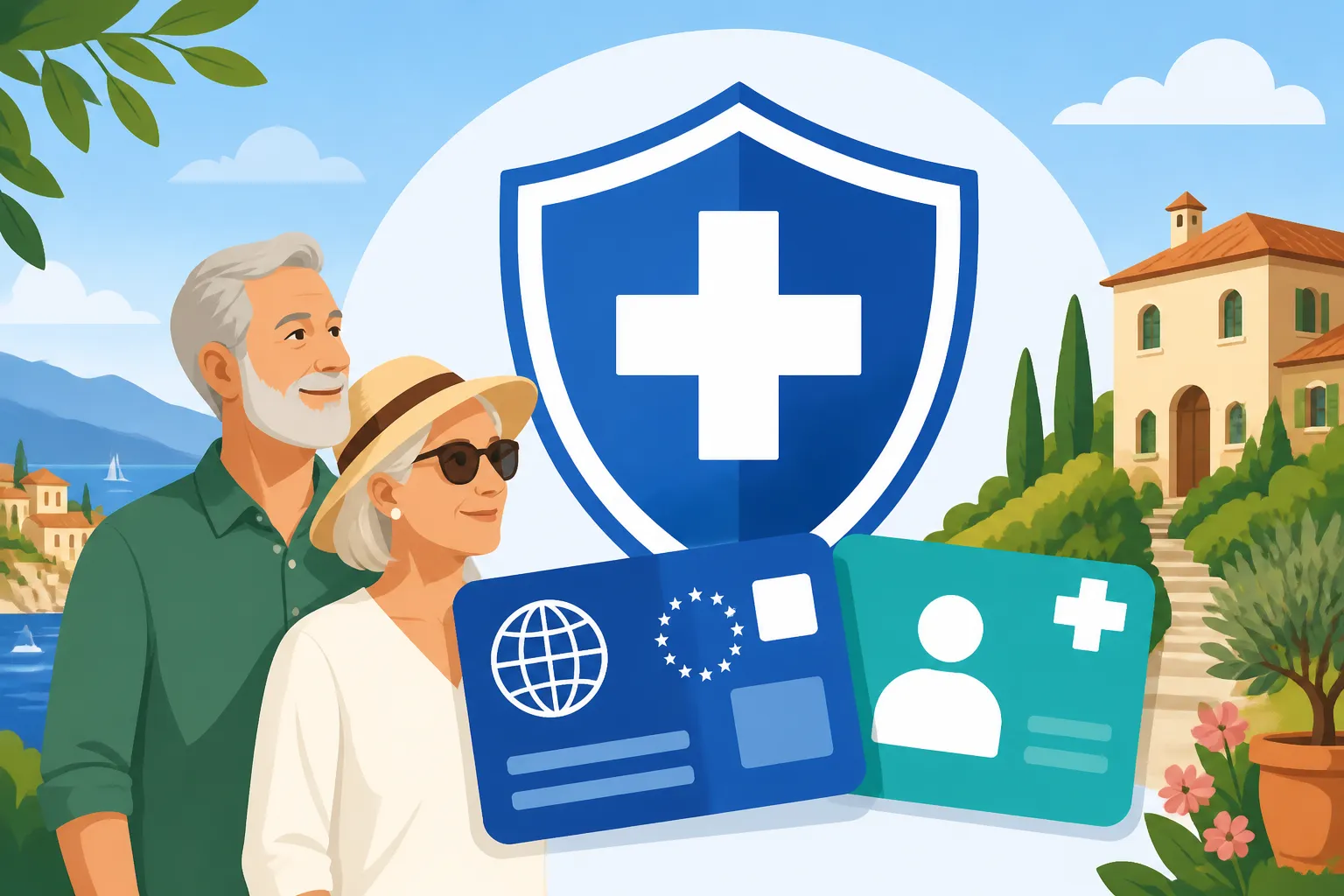
After Brexit, the original EHIC ceased to be valid for UK citizens in the EU, replaced by the Global Health Insurance Card (GHIC). While the GHIC offers some continued reciprocal healthcare, it's crucial to understand that it's designed for temporary visits, not for long-term residency. This distinction is where many of us have stumbled, assuming the new card offers the same level of protection for our new lives in Italy. It does not. The simplicity and broad applicability of the old EHIC are truly a thing of the past for residents. For comprehensive, long-term care, especially when thinking about how to register for Italian healthcare (SSN) as a foreigner, the GHIC simply won't cut it.
Initial Shockwaves: What Expats Experienced
The immediate aftermath of Brexit created a real sense of panic among the British expat community in Italy. Many long-term residents, who had relied on their EHICs or simply been a part of the EU system, suddenly found their healthcare status ambiguous. I remember countless conversations in expat groups, filled with questions, fears, and frustrations. People worried about doctor visits, prescription refills, and even emergency care.
The Italian bureaucracy, already infamous for its layers of paperwork and often slow processes, wasn't immediately clear on how to handle the influx of newly non-EU Brits. There was a learning curve for local Aziende Sanitarie Locali (ASLs) too. It meant that for a period, many Brits felt like they were in a healthcare limbo, uncertain if they were covered, how to get covered, or what their rights were. This period underscored the absolute necessity of understanding the new rules and proactively securing robust health coverage. Without a clear pathway, accessing even basic services like registering with an Italian family doctor (Medico di Base) became a nightmare for some.
Understanding the UK's S1 Form: Your Bridge to Italian Public Healthcare
For many eligible UK pensioners and certain other categories of individuals, the S1 form has become the golden ticket to accessing Italy's public healthcare system, the Servizio Sanitario Nazionale (SSN). It's a lifesaver, truly, allowing you to effectively transfer your UK healthcare entitlement to Italy. This means you can enjoy the same benefits as an Italian resident, including registering for the Italian Health Card (Tessera Sanitaria) and accessing doctors and hospitals without direct cost for many services, much like you would have in the NHS.
Who Qualifies for an S1 Form?
The S1 form isn't for everyone, and this is a common point of confusion. It's primarily intended for individuals who are receiving a state pension from the UK or certain other exportable benefits. This includes:
- UK State Pensioners: If you're receiving a UK State Pension and have moved to Italy to live, you are typically eligible. This is the most common category.
- Those receiving certain other exportable benefits: There are specific other benefits that might make you eligible, but it's crucial to check with the NHS Business Services Authority (NHSBSA) directly.
- Frontier workers: Individuals who work in one country (e.g., Italy) but live in another (e.g., UK) and return at least once a week, and whose social security contributions are paid in the country of work, might also be eligible under specific circumstances. However, for most residents, it’s about the pension.
It's important to remember that the S1 is about transferring your healthcare rights, not simply gaining access to the Italian system without prior entitlement in the UK. If you're a working-age Brit moving to Italy and not receiving a UK state pension or other qualifying benefit, you won't be eligible for an S1. In such cases, your path to the SSN usually involves securing an Italian work contract and paying social security contributions in Italy, or considering private health insurance.
The Application Process: Navigating the UK Side
Getting an S1 form requires a bit of patience and direct engagement with the UK authorities. You won't apply for it in Italy; it originates in the UK.
- Contact the NHS Business Services Authority (NHSBSA): This is your first port of call. You can find their contact details on the UK government's website. Explain your situation – that you are a UK State Pensioner (or qualify under other criteria) and are now resident or plan to become resident in Italy. They will guide you through their specific application process.
- Provide Necessary Information: You'll need to confirm your identity, UK National Insurance number, and details of your UK State Pension. They'll also ask for your date of move to Italy and your Italian address.
- Wait for the S1 Certificate: Once processed and approved, the NHSBSA will send the S1 certificate directly to your Italian address. This can take several weeks, so it's wise to start this process as soon as you know you're moving or if you've already arrived. Don't leave it until the last minute, as healthcare access is not something you want to gamble with.
While you're waiting for your S1, or if you don't qualify, having a backup like SafetyWing is absolutely paramount. It provides a safety net for those initial weeks or months, ensuring you have comprehensive coverage while the bureaucratic wheels turn, or if your circumstances don't allow for an S1.
Registering Your S1 in Italy and What It Covers
Once your precious S1 form arrives in the mail, the Italian part of the journey begins. This is where you connect your UK entitlement to the Servizio Sanitario Nazionale.
- Head to Your Local ASL: Take your S1 form, your Codice Fiscale (Italian tax code – absolutely essential for everything, including healthcare!), your Permesso di Soggiorno (residence permit, if non-EU) or Attestazione di Iscrizione Anagrafica (for EU citizens registered as residents), your passport, and proof of address to your local ASL office. The ASL is the regional health authority, and its offices are typically found in major towns and cities.
- Enroll in the SSN: At the ASL, you will formally register with the SSN using your S1. They will process your details and, crucially, assign you a Medico di Base (General Practitioner or family doctor). This step is key to accessing almost all aspects of the public health system. They will also initiate the process for you to receive your Italian Health Card (Tessera Sanitaria), which is your physical proof of enrollment.
- Coverage Details: With an S1, you are entitled to comprehensive healthcare under the SSN. This includes:
- Consultations with your assigned Medico di Base.
- Referrals to specialist doctors.
- Hospital care, including emergency services.
- Prescription medications (often with a co-payment, known as a ticket).
- Diagnostic tests, such as blood work, X-rays, and scans.
- Maternity care, pediatric services, and mental health support in Italy.
It's a robust system, but it's still Italy, which means waiting times can be long for specialist appointments or certain procedures in the public system. For example, getting a referral to a specialist doctor can sometimes mean months of waiting. This is often where private insurance steps in to fill the gap, providing faster access to care when urgency is a concern.
The GHIC: A Lifeline for Temporary Stays, Not Residency
The Global Health Insurance Card (GHIC) replaced the EHIC for UK citizens after Brexit, and while it's certainly better than nothing, its purpose and limitations are frequently misunderstood, leading to potential headaches for those relocating to Italy. It's a critical tool for holidays, short visits, or while you're sorting out your residency, but it is unequivocally not a substitute for comprehensive long-term health insurance or full SSN registration.
What the GHIC Truly Offers and Its Limitations
The GHIC provides access to medically necessary state-provided healthcare during a temporary stay in an EU country, including Italy. This means treatment that cannot reasonably wait until you return to the UK. Think of it like this: if you break a leg, develop a sudden infection, or need urgent dental care, the GHIC should allow you to receive treatment under the same conditions and at the same cost as an Italian citizen.
However, the limitations are significant:
- Temporary Stays Only: It is explicitly for temporary visits, such as holidays, short business trips, or visiting family. It is not intended for people living in Italy or planning to live there. Attempting to rely on it as a resident would be a mistake.
- Medically Necessary: It doesn't cover elective treatments, planned medical tourism, or routine check-ups that could easily be scheduled once you're back in the UK. It's about unforeseen emergencies, not ongoing health management.
- No Repatriation: Crucially, the GHIC does not cover medical repatriation back to the UK, nor does it cover mountain rescue in ski areas, or private medical treatment. If you have a severe accident and need to be flown home, or require specific private treatment, you're on your own financially without additional insurance.
- Not a Replacement for Travel Insurance: For tourists, the GHIC should always be supplemented by a good travel insurance policy that does cover repatriation, lost luggage, trip cancellation, and other travel-related issues. For those of us moving, it's a stop-gap at best.
Relying solely on your GHIC for anything beyond a short holiday is a gamble that could leave you with substantial medical bills.
When to Use Your GHIC in Italy
So, when is the GHIC actually useful?
- Holiday Travel: If you're coming to Italy for a short vacation, keep your GHIC handy. Should you experience an unexpected illness or injury – a nasty stomach bug, a sprained ankle, an emergency dental issue – present your GHIC at a public hospital (Pronto Soccorso) or an ASL clinic. You'll receive treatment on the same terms as an Italian resident.
- Initial Transition Period: During the very first weeks of settling in Italy, before you've managed to secure your Permesso di Soggiorno, Codice Fiscale, or S1 form (if eligible) to enroll in the SSN, the GHIC can offer a minimal safety net for unexpected emergencies. This is a truly transient phase, however. As soon as you establish residency, you need to transition to proper long-term coverage.
- EU Citizens using EHIC: For EU citizens, the original EHIC still functions much as it always did, offering reciprocal healthcare during temporary stays. But for UK citizens, it's the GHIC, and its scope is more limited post-Brexit.
Always have it with you, just in case, but understand its narrow focus. For anything serious, or if you're living here, it offers a false sense of security.
The Critical Difference: GHIC vs. Comprehensive Insurance
This is where many Brits fall into a trap. They arrive in Italy, GHIC in hand, thinking they're covered. But the GHIC is no match for a robust private health insurance policy or full SSN enrollment.
Let's look at a common scenario: you've been living in Italy for a few months, and you get really sick. You go to the Pronto Soccorso (Emergency Room). They treat you, and the GHIC might cover the immediate costs of that emergency treatment. But what if you need follow-up appointments with a specialist, extensive diagnostic tests, or physiotherapy? The GHIC typically won't cover these once your "temporary stay" has evolved into residency. Furthermore, if the public system has long waiting lists for that specialist, the GHIC won't help you access faster private care.
A comprehensive private health insurance policy, on the other hand, is designed to cover a much broader spectrum of medical needs. It can offer:
- Access to private clinics and English-speaking doctors: This is a huge benefit, especially in a new country where language barriers can be stressful during health crises.
- Shorter waiting times: For non-emergency procedures or specialist consultations, private care often means you can be seen much sooner.
- Coverage for a wider range of services: Many private plans include dental care, optical care, mental health services, and even wellness programs that the public system might only offer under very specific circumstances or with long waits.
- Repatriation and Travel Benefits: A good private plan will include emergency medical evacuation and repatriation, which is critical peace of mind.
For anyone serious about living in Italy, treating the GHIC as anything more than a short-term, emergency-only card is a recipe for potential financial disaster and immense stress. This is precisely why a flexible, reliable option like SafetyWing becomes incredibly important for many expats.
When UK Options Aren't Enough: The Need for Private Health Insurance
Navigating the Italian healthcare system as a Brit post-Brexit can feel like a game of whack-a-mole. You think you've got one aspect covered, and then another pops up. For many, especially those who aren't eligible for an S1 form, the public healthcare route through the SSN might not be immediately accessible, or it might not provide the speed and flexibility they desire. This is where private health insurance stops being a luxury and starts becoming an absolute necessity.
The Gaps in S1 and GHIC Coverage
Even with an S1 form, while you're fully integrated into the SSN, there are nuances. As I've mentioned, the public system, though excellent in many ways, can suffer from:
- Long Waiting Lists: For specialist visits, non-urgent surgeries, or certain diagnostic tests, public waiting times can stretch into months, sometimes even over a year, depending on the region and the specific service. If you need to see a dermatologist quickly, or require a specific knee surgery, waiting can be agonizing.
- Regional Disparities: Italy's healthcare system is managed regionally, meaning the quality and efficiency can vary significantly from, say, Lombardy to Calabria. What's easily accessible in one area might be a struggle in another.
- Limited Choice of Doctor: While you get an assigned Medico di Base, you often don't have a wide choice, and certainly no guarantee of an English-speaking one. This can be a huge hurdle when trying to explain complex symptoms.
- Co-payments (Ticket): Many public services, even with an S1, require a ticket, a co-payment that can add up over time, especially for prescriptions or multiple specialist visits.
As for the GHIC, we've already established its significant limitations for residents. It simply doesn't offer the sustained, comprehensive coverage required for daily life in Italy. It leaves massive gaps, particularly for routine care, specialist access, and most importantly, the financial burden of large medical incidents not deemed "emergency" in nature or not covered by reciprocity.
Why Private Insurance Becomes a Necessity for Many
For these reasons, and to provide true peace of mind, private health insurance becomes not just an option, but a critical investment for many British expats in Italy.
- Faster Access and Choice: The most immediate and tangible benefit is the ability to bypass public waiting lists. Need to see an orthopedist next week? A private plan will often make that possible, giving you access to private clinics and a wider network of specialists. You can often choose your doctor, increasing the likelihood of finding one who speaks English.
- Comprehensive Coverage: Private plans typically offer a broader range of benefits, including dental care (which is mostly private in Italy anyway), optical services, mental health support, and even alternative therapies that the SSN may not cover or subsidize.
- Flexibility and Portability: Many international private insurance plans are designed for expats, meaning they can follow you if your plans change and you move to another country. This flexibility is invaluable for a mobile expat lifestyle.
- Visa Requirements: For many non-EU citizens (and sometimes even EU citizens during initial residency applications before SSN registration), having adequate health insurance is a mandatory requirement for your visa or permesso di soggiorno. A robust private plan can satisfy these requirements where a GHIC certainly won't. This is especially true for those applying for Italy’s Elective Residence Visa, which requires demonstrating substantial financial means to cover all your needs, including healthcare.
Beyond the practicalities, there's the psychological benefit. Living in a foreign country is challenging enough without the added worry of healthcare. Knowing you have comprehensive coverage, with direct access to quality care when you need it, significantly reduces stress and allows you to truly embrace your Italian life.
Choosing the Right Private Plan: Introducing SafetyWing
When it comes to picking a private health insurance plan, the market is vast, and it can be overwhelming to sift through all the options. You need something that understands the unique needs of an expat: flexibility, global coverage, and a straightforward approach. This is where a provider like SafetyWing shines.
SafetyWing offers a compelling solution specifically tailored for digital nomads and expats. They recognize that our lives don't always fit into neat, traditional insurance boxes. Their plans are designed to be globally comprehensive, meaning you're covered not just in Italy, but often during travels back to the UK or other countries. This portability is a huge advantage.
Their focus on providing a safety net for unpredictable health events, combined with straightforward pricing and an easy-to-understand policy, makes them an attractive choice. Unlike some complex legacy insurance providers, SafetyWing aims for transparency and ease of use, which is a breath of fresh air when you're already grappling with Italian bureaucracy. If you're pondering Getting Health Insurance in Italy: Public and Private Options, SafetyWing deserves a close look for its expat-friendly approach.
The SafetyWing Solution: Tailored for the Modern Expat
For those of us living abroad, especially in a country like Italy with its own bureaucratic quirks, finding health insurance that genuinely fits our lifestyle is paramount. Many traditional plans feel clunky, expensive, and not designed for people who might travel frequently or whose residency status can be fluid. That's precisely where SafetyWing steps in, offering a refreshing and practical alternative.
What Makes SafetyWing Stand Out for Brits in Italy
SafetyWing isn't just another insurance provider; it’s built by and for digital nomads and expats. This intrinsic understanding of our transient, international lives makes a massive difference in how their product is structured and how it actually serves us.
- Flexibility and Global Coverage: This is huge. Instead of being tied to a single country's network, SafetyWing plans typically offer coverage in Italy, back in the UK, and virtually anywhere else you might travel (excluding specific sanctions list countries, of course). You can purchase it monthly, cancel anytime, and it automatically renews, adapting to your movements without complex paperwork. This kind of flexibility is a game-changer for those who might not have a fixed long-term plan or who frequently return home or explore other destinations.
- Affordability: Compared to many traditional international health insurance policies, SafetyWing is often much more budget-friendly. This is a critical factor for many expats, especially freelancers or those on a tighter budget, who need solid coverage without breaking the bank.
- Ease of Use: The entire process, from getting a quote to filing a claim, is designed to be straightforward and online. No endless phone calls or physical forms in triplicate. This digital-first approach aligns perfectly with the lifestyle of modern expats who are used to managing their lives from a laptop, often in a café in Florence or a villa in Tuscany.
- Built for Expats: SafetyWing specifically acknowledges the need for emergency medical coverage, travel interruption, and even personal liability, addressing a holistic set of concerns that often arise when living abroad. They know you might be exploring on a scooter one day or hiking the Dolomites the next.
For anyone who finds themselves in the gap between limited GHIC coverage and complex, expensive traditional insurance, SafetyWing offers a balanced, practical, and truly expat-centric solution for your peace of mind while living in Italy.
How SafetyWing Works: Coverage Details and Ease of Use
Getting started with SafetyWing is remarkably simple, which is a relief when you're already juggling so much administrative hassle in Italy.
- Online Application: You can get a quote and sign up directly on their website in minutes. You choose your start date, and your coverage begins. There are no lengthy medical questionnaires for their base nomad insurance, although their more comprehensive health plans might have some.
- Automatic Monthly Renewal: This is a key feature. Your policy automatically renews every 28 days, like a subscription. You don't have to remember annual renewals or commit for a full year if you're unsure about your long-term plans. If you decide to move back to the UK or travel elsewhere, you can simply stop the renewal.
- Core Coverage: SafetyWing's flagship "Nomad Insurance" provides comprehensive travel medical coverage, which acts as a safety net for new illnesses and injuries. This includes:
- Hospital and Doctor Visits: Coverage for eligible expenses if you need to see a doctor or require hospitalization.
- Emergency Medical Evacuation: A crucial benefit that many GHIC users lack. If you need to be transported to a facility better equipped to handle your condition, SafetyWing can cover it.
- Urgent Care and ER Visits: For those unexpected trips to the Pronto Soccorso.
- Prescription Drugs: Coverage for medicines prescribed as part of an eligible medical event.
- Travel Delay and Interruption: Benefits that go beyond just medical, covering scenarios like unexpected delays or necessary trip changes.
They also offer more robust "Remote Health" plans for full international health insurance, which can be an even better fit for long-term residents seeking more comprehensive routine care coverage. When comparing Public vs Private Health Insurance in Italy, SafetyWing's Remote Health plans are designed to compete with traditional private options.
Beyond Basic Coverage: Benefits of Choosing SafetyWing
While the core medical and travel benefits are foundational, SafetyWing brings additional advantages that cater specifically to the expat experience in Italy.
- Emergency Assistance 24/7: Accidents and illnesses don't adhere to business hours. SafetyWing offers 24/7 emergency assistance, which can be invaluable when you're in a stressful situation and potentially facing a language barrier. This support network is critical, especially if you find yourself needing to use emergency medical numbers in Italy (112, 118, 1500).
- Home Country Coverage: An often-overlooked benefit, SafetyWing policies typically offer limited coverage in your home country (e.g., the UK) for short periods. This is fantastic for peace of mind during visits home, knowing you're still protected for unexpected issues.
- Flexibility for Long-Term Plans: As your life in Italy evolves, SafetyWing’s offerings can too. You might start with the flexible Nomad Insurance and later upgrade to their more comprehensive Remote Health if you decide to settle down more permanently and require broader benefits, including preventive care or regular health check-ups and screenings in Italy.
- Ease of Claiming: Their online claims process is designed to be as painless as possible. When you're dealing with a health issue, the last thing you need is complicated paperwork. You can submit claims digitally, often with prompt responses.
In a country where bureaucracy can often feel like an uphill battle, having an insurance provider that prioritizes simplicity, flexibility, and comprehensive support for the global citizen is a huge asset. SafetyWing stands out as a strong candidate for any Brit in Italy looking for reliable and modern health coverage.
Practical Steps for Ensuring Your Health in Italy
Alright, so you've navigated the S1 maze, understood the GHIC's limitations, and perhaps even settled on a robust private option like SafetyWing. What's next? Getting your health sorted in Italy is more than just having insurance; it's about understanding the system and making it work for you. This involves several practical steps to ensure you're well-prepared for any eventuality.
Combining UK and Private Options for Maximum Security
For many British expats, the smartest approach isn't to pick just one healthcare option, but to strategically combine them to create a comprehensive safety net.
- If you qualify for an S1: Get it, register it with your ASL, and embrace the SSN. This provides your primary, baseline coverage for nearly all medically necessary public services, largely free at the point of use (minus tickets). However, keep a private policy like SafetyWing's Remote Health plan as a supplement. This allows you to:
- Bypass Waiting Lists: For non-urgent specialist appointments or diagnostics where the SSN has long waits.
- Access English-Speaking Doctors/Private Clinics: For greater convenience and comfort when language might be a barrier, especially if your assigned Medico di Base doesn't speak English. You can find these easily with private insurance.
- Cover Exclusions: The SSN may not cover certain dental procedures (beyond emergencies), specific alternative therapies, or more premium hospital room options. Private insurance can fill these gaps.
- If you don't qualify for an S1: Your primary line of defense will be a comprehensive private international health insurance policy, such as SafetyWing's offerings. This will be your main coverage for doctor visits, specialists, hospitalizations, and emergencies.
- Explore SSN Eligibility through Residency: If you're working and paying social security contributions in Italy, you will eventually become eligible to enroll in the SSN. Even if you have private insurance, it's always advisable to register for the SSN once you qualify, as it's the public system, and you're contributing to it through your taxes. This could then serve as your primary, with private acting as supplementary. To learn more about this, check out enrolling in Italy’s National Health System (SSN).
The key is to proactively assess your situation and build a layered approach to your healthcare coverage. Don't assume one piece of paper will cover everything.
Don't Forget Your Codice Fiscale!
I cannot stress this enough: your Codice Fiscale is your lifeline in Italy. It's not just for taxes; it's your unique identification number required for virtually every administrative interaction, including all things healthcare. Without it, you cannot:
- Register with the ASL (even with an S1).
- Get a Medico di Base.
- Receive your Tessera Sanitaria.
- Fill a prescription at an Italian pharmacy.
- Book medical appointments through the CUP system.
It's one of the very first things you need to obtain when you arrive in Italy. You can usually get it from the local Agenzia delle Entrate (Italian Revenue Agency) office. It's a relatively simple process, but absolutely non-negotiable for accessing healthcare. Make sure you have this sorted out even before you start thinking about specialist visits or anything else.
Regular Check-ups and Accessing Specialist Care
Once you're set up with coverage, whether through the SSN via an S1 or a private plan, you need to understand how to actually use the system for routine and specialist care.
- With SSN (via S1): Your Medico di Base is your gatekeeper. For any specialist visit (e.g., cardiologist, dermatologist, gynecologist), you must first see your Medico di Base to get a referral (an impegnativa). You then take this referral to your ASL office or use the Centro Unico di Prenotazione (CUP) system to book your appointment. Remember, public waiting lists can be long, so book well in advance for non-urgent matters.
- With Private Insurance (e.g., SafetyWing): The process is usually more direct. You can often contact a private clinic or specialist directly, confirm they accept your insurance (or pay upfront and claim reimbursement), and book an appointment. This often means much shorter waiting times. If you’re using SafetyWing, their support team can often help guide you to approved providers or explain the claims process clearly. Many expats rely on private clinics for dental care in Italy, which is often not covered by the SSN unless it's an absolute emergency.
The key takeaway is to be proactive. Understand your coverage, get your Codice Fiscale early, and don't hesitate to ask questions. There are many resources for expats on health in Italy, including online groups and expat communities, where you can often get local advice and recommendations. It's a journey, but with the right preparation and the right coverage – like having a solid plan from SafetyWing – you can ensure your health is well-protected in your new Italian home.
| Feature / Benefit | GHIC (Global Health Insurance Card) | S1 Form (NHSBSA) | Private Health Insurance (e.g., SafetyWing Remote Health) |
|---|---|---|---|
| Purpose | Temporary, medically necessary state healthcare for visitors | Transfer of UK State Pensioner healthcare rights to Italy's SSN | Comprehensive health coverage for residents/travelers |
| Eligibility | All UK residents | UK State Pensioners, certain benefit recipients, frontier workers | Anyone willing to pay premiums |
| Coverage Scope | Medically necessary treatment in public facilities | Full access to Italy's Servizio Sanitario Nazionale (SSN) | Wide range of public & private services; customizable |
| Cost to User | Same as an Italian resident (may involve ticket co-payments) | Same as an Italian resident (may involve ticket co-payments) | Premiums + deductible/co-insurance (depending on plan) |
| Waiting Lists | Subject to public system waiting lists | Subject to public system waiting lists (can be long) | Often significantly shorter for specialists/non-emergencies |
| Choice of Doctor/Clinic | Limited to public system, assigned Medico di Base (if resident) | Limited to public system, assigned Medico di Base | Wide choice of private doctors & clinics, including English-speaking |
| Emergency Services | Covers emergencies in public hospitals | Covers emergencies in public hospitals | Covers emergencies; often includes emergency evacuation/repatriation |
| Repatriation | NO | NO | YES (often included in comprehensive plans like SafetyWing) |
| Dental/Optical | Very limited (emergencies only in public system) | Very limited (emergencies only in public system) | Often included or available as add-on in private plans |
| Language Barrier | Common in public system | Common in public system | Options for English-speaking providers, customer support in English |
| Bureaucracy in Italy | Less, but still requires identification | Significant initial registration with ASL | Generally less, direct with private providers/insurer |
| Best For | UK tourists, short-term visits | Eligible UK pensioners & long-term residents | Working-age expats, digital nomads, those desiring flexibility & broader access |
Disclaimer
The information provided in this guide is for general informational purposes only and does not constitute legal, financial, or medical advice. Healthcare rules, visa requirements, and insurance policies are subject to change, especially concerning international agreements. Always consult with official government sources (such as the UK government website, Italian Embassy/Consulate, or Agenzia delle Entrate), qualified legal professionals, tax advisors, and insurance providers to obtain the most accurate and up-to-date information pertaining to your specific situation before making any decisions.