Skiing in the Dolomites and Aosta Valley: Rescue Costs and Policy Limits
The breathtaking slopes of the Dolomites and the majestic peaks of the Aosta Valley beckon thousands of skiers each winter. But beneath the thrill of carving through fresh powder lies a less glamorous, yet crucial, question: what happens if you have an accident? Who covers the potentially astronomical costs of mountain rescue, emergency medical care, and repatriation? This comprehensive guide will illuminate the often-confusing world of Italian ski rescue expenses and insurance, ensuring you're fully prepared to hit the slopes with peace of mind.
Disclosure: This post may contain affiliate links. We may earn a commission at no extra cost to you if you make a purchase through these links. Read full disclosure.
The Thrill and Treachery of Italian Alpine Adventures
Italy's alpine regions offer some of the most spectacular skiing experiences in the world, combining challenging terrain with unparalleled natural beauty and a vibrant après-ski culture. However, even the most seasoned skiers can encounter unexpected situations, making it crucial to understand the inherent risks and how to prepare for them.
The Dolomites: A UNESCO Wonderland on Skis
Imagine skiing under towering, pale rock formations that glow pink at sunset – that's the magic of the Dolomites. This UNESCO World Heritage site boasts extensive ski areas like Cortina d'Ampezzo, Val Gardena, Alta Badia, and the massive Dolomiti Superski carousel, offering hundreds of kilometers of interconnected pistes. The sheer scale and beauty are captivating, but this vastness also means that rescue operations can be complex. While piste preparation is generally excellent, the allure of off-piste exploration or simply venturing into less crowded areas can quickly lead to situations where professional mountain rescue becomes necessary. Even a simple fall on a well-groomed slope can result in an injury requiring immediate medical attention and transport.
Aosta Valley: High Peaks and European Connections
To the west, nestled against France and Switzerland, lies the Aosta Valley. This region is home to iconic resorts such as Courmayeur, at the foot of Mont Blanc; Cervinia, sharing slopes with Zermatt in Switzerland; and the impressive Monterosa Ski area. Aosta Valley is synonymous with high-altitude skiing, dramatic descenery, and challenging runs. Its international connections mean that many visitors are accustomed to different rescue protocols and insurance expectations. The higher altitudes and more rugged terrain here can also present unique challenges for rescue teams, making prompt and efficient service even more vital. Whether you're navigating the glaciers of Cervinia or the tree-lined runs of La Thuile, accidents, unfortunately, can happen anywhere, anytime. For a deeper dive into the best places to go, check out our guide on Skiing in the Italian Alps: Resorts and Season Basics.
Common Skiing Incidents Expats Face
Even with careful planning and adherence to safety guidelines, skiing carries inherent risks. Expats living in Italy, or those simply visiting for a ski trip, commonly face a range of incidents. These can be as minor as a sprained ankle that still requires transport off the mountain, or as serious as a broken leg, head injury, or even getting lost in adverse weather conditions. While avalanches are rare on marked and controlled pistes, venturing off-piste significantly increases this risk. Many incidents occur simply due to fatigue, unexpected changes in snow conditions, or collisions with other skiers. It’s not just about extreme sports; a moment of distraction can lead to a fall that necessitates immediate professional medical and rescue intervention.
Decoding Italian Ski Rescue Services and Their Costs
When you're hurt on an Italian ski slope or in the backcountry, knowing who to call and understanding the financial implications of their services is paramount. Italy's mountain rescue system is efficient, but it's essential to recognize that "free" is rarely part of the equation, especially for foreigners.
The Role of Soccorso Alpino and Other Services
In Italy, the primary organization for mountain rescue is the Corpo Nazionale Soccorso Alpino e Speleologico (CNSAS), often simply referred to as Soccorso Alpino. These highly trained professionals operate across the country, performing rescues in mountainous and cave environments, including ski areas. On marked and groomed ski slopes (known as piste), you'll also find dedicated piste patrols (pattuglia di pista) or ski slope safety personnel. These individuals are usually employed by the ski resort or local authorities and are responsible for basic first aid, securing accident sites, and arranging transport off the immediate slope.
However, a critical distinction lies in the type of rescue. While a piste patrol might stabilize you and transport you via a snowmobile or stretcher to a medical point at the base, severe injuries or incidents in hard-to-reach areas often necessitate the involvement of Soccorso Alpino, particularly helicopter rescue. Calling the general emergency number 112 (or 118 for medical emergencies, though 112 is now the universal European emergency number) will connect you to the appropriate service. More detailed information on this can be found in Emergency Medical Services in Italy: 112 and Hospitals and Emergency Medical Numbers in Italy (112, 118, 1500).
Who Pays for Ski Rescue in Italy? The Catch.
This is where many foreign visitors, and even some residents, get a rude awakening. Unlike some countries where mountain rescue might be fully publicly funded, in Italy, the costs of mountain rescue, especially helicopter evacuations, are often passed on to the injured party. This is particularly true if the incident is deemed to be a result of negligence, recklessness, or if you were skiing off-piste without appropriate safety gear or a guide.
Even if you're on a marked piste, the initial transport from the accident site to a medical facility (which might involve a ground ambulance after the piste patrol has done their part) can incur costs. These are not always covered by standard public health systems or basic travel insurance. Many regions, like Veneto, have specific laws stating that mountain rescue is chargeable if the injured person's behavior was negligent or if they were skiing off marked trails. This creates a significant financial risk for anyone hitting the Italian slopes without specialized coverage.
Understanding the "Ticket" System and Regional Differences
Italy's healthcare system, the Servizio Sanitario Nazionale (SSN), does provide general medical care, but rescue services are often treated differently. For those registered with the SSN, some emergency medical transport costs might be covered, but this can vary significantly depending on the region and the nature of the emergency. For instance, an ambulance ride to the hospital, even if medically necessary, might still have a "ticket" (co-payment) associated with it, especially if your triage code upon arrival at the emergency room isn't classified as extremely urgent (e.g., green or white code). You can learn more about general healthcare expenses in Cost of Healthcare in Italy: What Expats Need to Know.
For non-residents or those relying solely on their European Health Insurance Card (EHIC), it's even more complex. While the EHIC covers medically necessary state-provided healthcare during a temporary stay, it does not cover mountain rescue operations or repatriation. Therefore, a helicopter evacuation, which is a common scenario in alpine accidents, will definitely not be covered by your EHIC. Even for residents, the nuances of the SSN and what falls under its direct purview versus what incurs separate charges can be confusing. Our guide on Using Your European Health Insurance Card (EHIC) in Italy provides more clarity on its limitations.
Estimating the Financial Impact of an Alpine Emergency
An alpine accident isn't just about the immediate injury; it's a cascade of potential expenses that can quickly escalate from hundreds to tens of thousands of Euros. Without the right insurance, you could find yourself in a very difficult financial situation.
Breakdown of Typical Rescue Costs
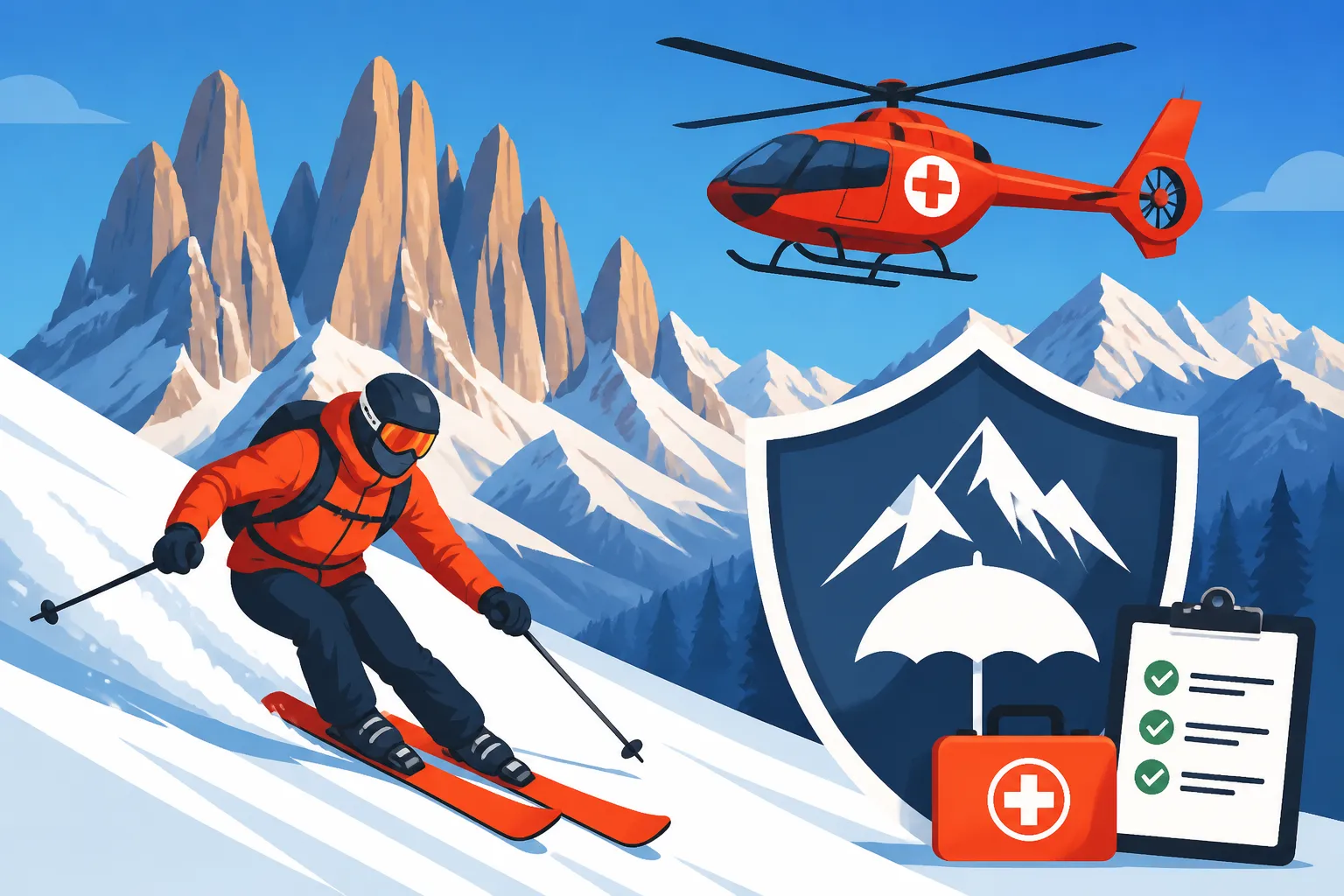
The most visually dramatic, and often the most expensive, part of an alpine rescue is the helicopter. These operations are incredibly costly, running into thousands of Euros per hour or per intervention. A typical helicopter rescue from a remote mountain area can cost anywhere from €3,000 to €8,000 or even more, depending on the duration, complexity, and specific region.
Once you’re off the mountain, there are further costs:
- Ground Ambulance Transfer: Even if a helicopter isn't needed, transport from the piste medical point to a hospital can be hundreds of Euros. For specific insights into these costs, refer to Cost of an Ambulance Ride in Italy.
- First Aid and On-Site Medical Care: While often included in the initial assessment, severe injuries might require more extensive on-site stabilization before transport, adding to the overall bill.
- Search Operations: If you get lost off-piste, the search component can be even more expensive than the rescue, especially if it involves multiple teams and prolonged efforts. These are almost always charged to the individual if negligence is determined.
Hospitalization and Medical Treatment Post-Rescue
Beyond the immediate rescue, the medical care itself can be a major financial burden. A broken leg requiring surgery, for example, could lead to a hospital stay, surgical fees, medication, and follow-up consultations. While EU citizens with an EHIC or those registered with the SSN will have access to state healthcare, certain procedures, private rooms, or specialized treatments might still incur out-of-pocket expenses. Non-EU citizens without adequate private insurance or SSN registration will be liable for the full cost of medical treatment, which can be staggering. This is why understanding Healthcare in Italy: An Expats' Guide and Getting Health Insurance in Italy: Public and Private Options is so vital before you even consider hitting the slopes.
Repatriation and Longer-Term Recovery Expenses
One of the most overlooked, yet potentially devastating, costs is medical repatriation. If your injury is severe enough that you cannot travel home via regular commercial means, you might require a specialized medical escort, a stretcher on a commercial flight, or even an air ambulance. The cost of medical repatriation can easily run into tens of thousands, or even hundreds of thousands, of Euros, depending on your home country. This is almost never covered by basic health insurance or the SSN.
Furthermore, consider the costs of rehabilitation and recovery once you're back home, especially if you need ongoing physical therapy or special equipment. While not directly part of the "ski rescue" cost, a good adventure sports insurance policy should consider these longer-term impacts by providing adequate coverage limits for overall medical expenses and evacuation.
The Gaps in Standard Travel Insurance for Skiers
It's tempting to think your regular travel insurance policy will cover everything. After all, it's "travel" insurance, right? Unfortunately, for alpine sports, this is often a dangerous assumption. Most standard policies have significant exclusions that can leave you exposed to immense costs.
What Most Basic Travel Policies Don't Cover
Many basic travel insurance policies are designed for low-risk activities. They often explicitly exclude what they classify as "dangerous sports" or "extreme sports," and skiing, especially off-piste, frequently falls into this category. Common exclusions include:
- Off-Piste Skiing: This is a huge one. Unless explicitly stated, skiing outside of marked and controlled trails is usually not covered. Even a slight deviation can void your coverage.
- High Altitude Limits: Some policies have clauses that limit or exclude coverage above a certain altitude. Given that many Italian ski resorts are at high altitudes, this is a critical detail.
- Lack of Specific Mountain Rescue Coverage: While emergency medical treatment might be covered, the actual cost of the mountain rescue operation itself (like a helicopter evacuation) is a separate category that many basic policies simply don't include. They're happy to pay for your hospital bill after you've been rescued, but not the rescue itself.
- Professional or Competitive Skiing: If you're participating in any form of organized race or professional event, your standard policy will almost certainly not cover it.
The Importance of "Adventure Sports" Add-ons
If you plan to ski, an "adventure sports" or "winter sports" add-on is not just recommended, it's absolutely essential. However, even with an add-on, you need to read the fine print with a magnifying glass. These add-ons themselves can have specific exclusions:
- Definition of Off-Piste: Some add-ons might cover off-piste skiing only if accompanied by a certified guide. If you venture off-piste solo or with friends, even with the add-on, you might not be covered.
- Specific Activities: Activities like heli-skiing, snowmobiling, or competitive freestyle skiing might require yet another specialized add-on or a completely different policy.
- Equipment Coverage: An adventure sports add-on might also include coverage for lost, stolen, or damaged ski equipment, but check the limits – they are often quite low compared to the value of high-end gear.
The devil is truly in the details when it comes to these specialized coverages. Never assume; always verify.
Why Your EHIC or SSN Alone Isn't Enough
As touched upon earlier, relying solely on your European Health Insurance Card (EHIC) for an Italian ski trip is a critical mistake for many reasons. The EHIC is designed to provide access to medically necessary, state-provided healthcare on the same terms as a local resident. It is not a substitute for travel insurance. This means:
- No Rescue Coverage: The EHIC does not cover the cost of mountain rescue, including helicopter evacuations. This is a non-medical service provided by specialized teams, not typically part of the state healthcare system.
- No Repatriation: If you need to be flown home due to a serious injury, the EHIC offers zero coverage for this.
- No Personal Liability: If you accidentally collide with another skier and cause them injury or damage their equipment, the EHIC will not cover your legal liability.
- No Trip Interruption/Cancellation: Any non-medical aspects of your trip, like lost luggage, cancelled flights, or accommodation if you have to cut your trip short, are completely outside the scope of the EHIC.
For those residing in Italy and registered with the Servizio Sanitario Nazionale (SSN), you're better off than a tourist with just an EHIC, as you have comprehensive medical coverage. However, even with SSN registration, the costs of mountain rescue itself can still be charged, especially if you were off-piste or deemed negligent. The SSN covers the medical treatment after the rescue, but not necessarily the means of rescue. If you're an expat, understanding How to Register for Italian Healthcare (SSN) as a Foreigner is a foundational step, but additional coverage for adventure sports is still highly recommended.
Protecting Your Alpine Adventure with Specialized Insurance
Given the significant gaps in standard policies, a specialized travel insurance plan that explicitly covers winter sports and mountain rescue is non-negotiable for anyone heading to the Italian Alps. This is where options like SafetyWing become particularly relevant for the modern traveler.
Introducing SafetyWing: Tailored for Nomads and Adventurers
When it comes to comprehensive, flexible, and reliable coverage for expats and digital nomads who love adventure, SafetyWing is designed to meet these specific needs. Their Nomad Insurance product is built for continuous travel and often includes coverage for unexpected medical expenses and travel delays, but critically for skiers, it also offers adventure sports coverage as part of its standard offering, or with specific add-ons depending on the activity. This makes it an ideal choice for those venturing into the Dolomites or Aosta Valley.
SafetyWing understands that modern travelers don't always stick to strict itineraries and might engage in activities beyond typical sightseeing. Their policies are crafted to provide peace of mind for emergency medical situations, including emergency medical evacuation – which is precisely what you need if a helicopter rescue is required on an Italian mountain. It’s crucial to review their specific terms and conditions regarding winter sports, especially off-piste skiing. Generally, they cover recreational skiing and snowboarding on marked trails, and often extend to off-piste with a guide if specific conditions are met. This level of comprehensive coverage for emergencies makes SafetyWing a strong contender for your ski trip insurance. For a broader overview of how such plans fit into your expat life, refer to International Health Insurance Options for Italy.
Key Policy Features to Look For
When evaluating any ski travel insurance, including SafetyWing, pay close attention to these critical features:
- Emergency Medical Evacuation: This is arguably the most vital component. It covers the costs of transporting you from the site of an accident (e.g., via helicopter) to the nearest appropriate medical facility. Without this, a mountain rescue could bankrupt you.
- Search and Rescue: Some policies specifically include costs for search operations if you get lost. This can be a separate clause from mere evacuation.
- Emergency Medical Treatment: High limits for medical expenses, including hospitalization, surgery, and prescription drugs, are essential. Ensure these limits are sufficient to cover major incidents.
- Personal Liability: If you accidentally injure another person or damage their property on the slopes, this coverage protects you from legal and financial repercussions. This is often overlooked but incredibly important.
- Trip Interruption/Cancellation: While not directly related to rescue, this covers non-refundable costs if your trip is cut short or cancelled due to an unforeseen event, such as a severe injury that prevents you from skiing.
- Equipment Coverage: Look for coverage for lost, stolen, or damaged ski equipment, though be mindful of the often-low limits and depreciation clauses.
- Repatriation of Remains/Emergency Reunion: In the most tragic circumstances, coverage for returning remains is important. Also, some policies include emergency reunion benefits, covering travel for a family member to be with you in a medical emergency.
Reading the Fine Print: Exclusions and Limitations
Even the best policies have their limits and exclusions. It's not enough to just buy an "adventure sports" add-on; you must understand its boundaries.
- Off-Piste Definitions: As mentioned, precisely how "off-piste" is defined and what conditions (e.g., guided vs. unguided) are covered is critical.
- Altitude Limits: Double-check if there's an altitude limit to the coverage. Many ski resorts in the Aosta Valley and Dolomites operate at very high altitudes.
- Alcohol/Drug Clauses: Most policies will deny claims if the incident occurred while you were under the influence of alcohol or non-prescribed drugs.
- Pre-existing Conditions: Ensure any pre-existing medical conditions are declared and explicitly covered, or understand the implications if they are not.
- Negligence/Recklessness: If your actions are deemed grossly negligent (e.g., skiing against clear warnings, deliberately ignoring safety rules), your policy might be voided.
A quick comparison of typical costs and insurance considerations for a ski trip to Italy can be very helpful:
| Service/Expense Category | Typical Cost (EUR) | Covered by Basic Travel Insurance? | Covered by EHIC/SSN (for medical)? | Covered by Specialized Ski/Adventure Sports Insurance (like SafetyWing)? |
|---|---|---|---|---|
| Helicopter Mountain Rescue | €3,000 – €8,000+ | Rarely | No | Yes, usually part of Emergency Evacuation |
| Ground Ambulance (piste to hospital) | €100 – €500 | Sometimes | Sometimes (with "ticket") | Yes, usually part of Emergency Medical |
| Hospitalization (per night) | €500 – €2,000+ | Yes (with limits) | Yes | Yes (with high limits) |
| Surgery | €5,000 – €30,000+ | Yes (with limits) | Yes | Yes (with high limits) |
| Medical Repatriation (air ambulance) | €20,000 – €100,000+ | Rarely | No | Yes, often a key feature |
| Lost/Damaged Ski Equipment | €500 – €2,000+ (for gear) | Sometimes (low limits) | No | Yes, often an add-on or standard feature (with limits) |
| Personal Liability | Variable (legal fees, damages) | Rarely | No | Yes, often a key feature |
| Search Operation | €1,000 – €5,000+ | Rarely | No | Yes, often an add-on or specific clause |
Note: Costs are estimates and can vary widely based on region, severity, and specific services.
This table highlights the stark reality: without specialized coverage, you're on the hook for major expenses, particularly for rescue and repatriation. This is precisely why SafetyWing appeals to so many who are looking for comprehensive emergency coverage while living an active, adventurous lifestyle.
Navigating a Ski Emergency: Practical Steps and Prevention
Even with the best insurance, an emergency on the slopes is a terrifying experience. Knowing what to do in the heat of the moment, coupled with proactive prevention, can make all the difference.
Immediate Actions in Case of an Incident
If you or someone in your group has an accident on the slopes, immediate and calm action is crucial.
- Assess the Situation: First, ensure your own safety. Check for immediate dangers like further collisions.
- Call for Help: Dial 112, the universal European emergency number. If you are on a marked piste, look for the nearest piste patrol member or a sign with a local emergency number for the ski area. Many ski passes in Italy now include an emergency contact number on them. Clearly state your location (piste name/number, nearest lift, any landmarks) and the nature of the injury. Be prepared for language barriers; try to speak slowly and clearly.
- Secure the Area: If possible, place crossed skis or poles uphill from the injured person to warn other skiers and prevent further accidents.
- Provide Basic First Aid: If you have first aid training, provide what assistance you can without moving the injured person unless absolutely necessary for safety. Keep them warm.
- Stay with the Injured Person: Do not leave them alone until professional help arrives.
- Contact Your Insurance Provider: As soon as it's practical, and after immediate medical attention is secured, contact your insurance provider (like SafetyWing). They will guide you through the next steps, including required documentation and facilitating payments or direct billing where possible. Having their emergency contact number readily available is vital.
Staying Safe on the Slopes: Prevention is Key
The best insurance policy is worthless if you don't take steps to prevent accidents in the first place.
- Ski Within Your Abilities: Don't attempt runs that are beyond your skill level. Italy uses a color-coded system (blue for easy, red for intermediate, black for expert).
- Stay on Marked Pistes: Unless you are an experienced off-piste skier with appropriate avalanche safety gear (transceiver, probe, shovel) and ideally a certified guide, stick to the marked trails.
- Check Weather and Avalanche Reports: Mountain conditions can change rapidly. Always check the local weather forecast and avalanche bulletin before heading out, especially if there's fresh snow.
- Maintain Your Equipment: Ensure your skis, bindings, and boots are properly fitted and maintained.
- Wear a Helmet: Head injuries are a serious risk. Always wear a helmet.
- Ski with a Buddy: Never ski alone, especially in remote areas or if conditions are challenging.
- Take Breaks and Stay Hydrated: Fatigue is a major cause of accidents.
- Observe Resort Rules: Follow all signs and rules posted by the ski resort.
You can find more advice on this topic in our dedicated piece on Skiing in the Italian Alps: Resorts and Season Basics.
How Your Insurance (Like SafetyWing) Kicks In
Once you've contacted SafetyWing (or your chosen insurer), their team will usually begin assisting with logistics. This can involve coordinating with local medical facilities, guaranteeing payment for covered services, and advising on medical transportation. For major incidents, particularly those requiring complex medical evacuation or repatriation, they will manage the entire process, lifting a huge burden from you and your family.
You'll need to keep detailed records of all medical care, rescue services, and related expenses. Photos of the accident scene, police reports (if applicable), and medical reports will all be crucial for filing a successful claim. With providers like SafetyWing, the claims process is generally straightforward and designed with the international traveler in mind, allowing you to submit documentation online and communicate remotely, which is a huge relief when you're dealing with an injury in a foreign country. Their comprehensive approach aims to cover not just the immediate emergency, but also the crucial follow-up and repatriation needs, making them a true "hero" solution for adventurers.
Disclaimer
Please note that the information provided in this guide is for general informational purposes only and does not constitute financial, legal, or medical advice. Insurance policies and terms can change, and specific coverage depends on the individual policy you purchase. Always read the Product Disclosure Statement (PDS) or policy wording of any insurance product carefully to understand its benefits, exclusions, conditions, and limitations before making a purchase. It is highly recommended to consult with an independent insurance advisor to determine the best coverage for your specific needs and circumstances. We do not endorse any specific insurance product or provider, though we highlight solutions like SafetyWing as examples of providers catering to specific expat/nomad needs.