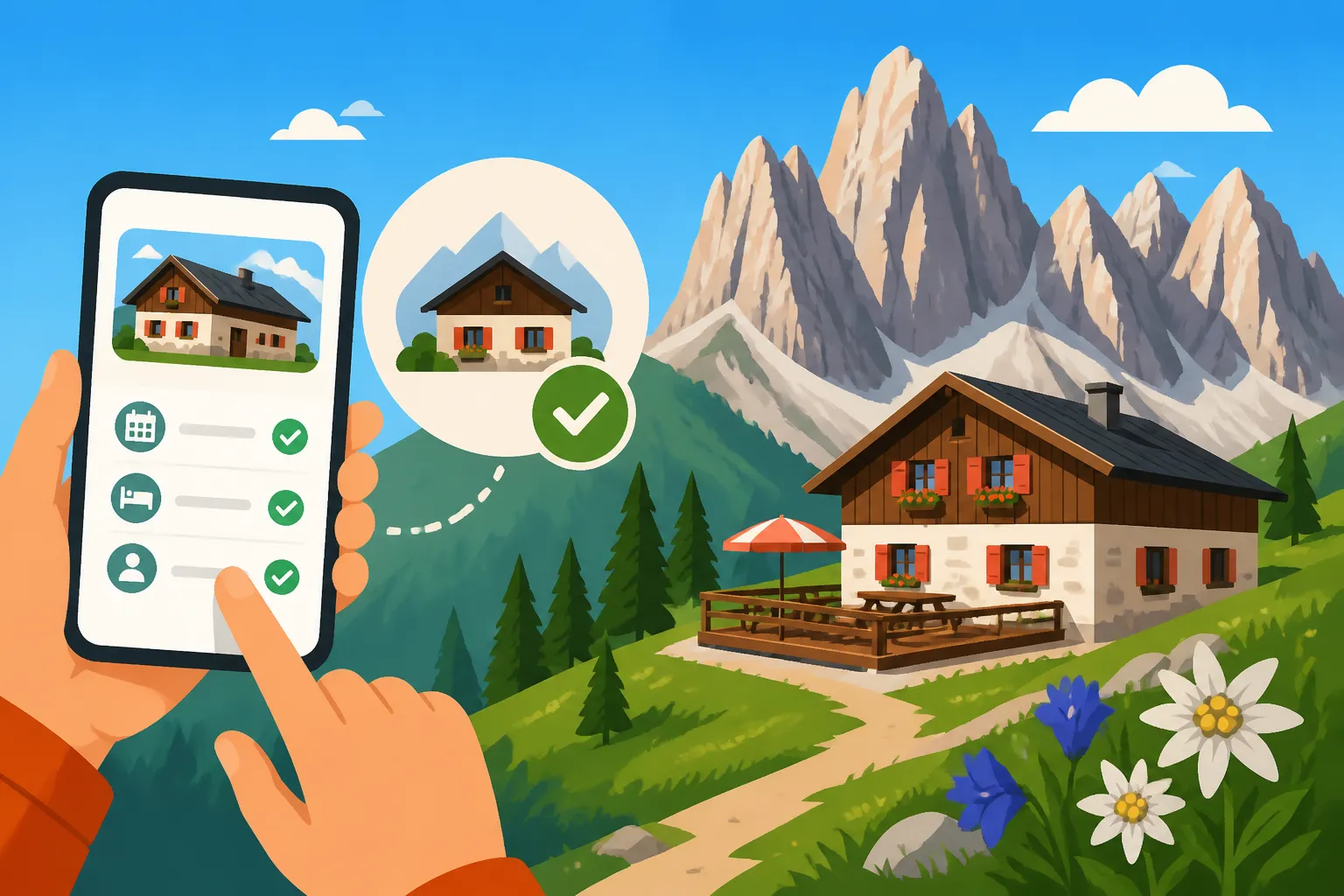
Rifugi and Mountain Huts: How Booking Works in the Dolomites
Oh, the Dolomites! Just the mention of those majestic peaks and verdant valleys makes my heart sing. But then, if you're like most expats or tourists planning an epic adventure in that stunning part of Italy, you've probably hit a wall when it comes to booking a stay in one of those charming mountain huts, the beloved rifugi. It feels like a secret club, doesn't it? Well, relax, because this guide is going to pull back the curtain and show you exactly how to navigate the booking process, making your high-altitude dreams a reality, often with the surprising ease of using a familiar friend like Booking.com.
Disclosure: This post may contain affiliate links. We may earn a commission at no extra cost to you if you make a purchase through these links. Read full disclosure.
Understanding Rifugi and Mountain Huts in the Dolomites
Let's start by demystifying these incredible establishments. If you've never stayed in one, you're in for a treat, but also a bit of a cultural experience that's quite different from your average hotel.
What Exactly Are Rifugi?
Rifugi, or mountain huts, are not just places to sleep; they are institutions deeply woven into the fabric of alpine culture in Italy. Think of them as high-altitude hostels, but with a much more intimate, rustic, and communal feel. They serve as essential shelters for hikers, climbers, and skiers, offering a warm bed, hearty meals, and often a breathtaking view that money simply cannot buy. Many are family-run, passed down through generations, and are steeped in local history. You'll find them perched on exposed ridges, nestled in serene valleys, or strategically located along popular trekking routes, making them ideal for multi-day hut-to-hut adventures.
When you step into a rifugio, you're usually greeted by the gestore (manager) and the comforting smell of woodsmoke and delicious cooking. Accommodations typically range from shared dormitory-style rooms with bunk beds to, less commonly, small private rooms. Don't expect five-star luxury; these are functional, cozy spaces designed for weary travelers seeking refuge from the elements. The emphasis is on community, sharing stories over a meal, and appreciating the raw beauty of the mountains. Many operate on a half-board basis, meaning dinner and breakfast are included, and trust me, you'll be grateful for those carb-loaded, delicious meals after a day of hiking.
The experience of staying in a rifugio is truly unique. It’s a chance to disconnect from the digital world (though some do offer limited Wi-Fi, often for a fee) and reconnect with nature and fellow adventurers. You’ll wake up to crisp mountain air, watch the sunrise paint the peaks, and enjoy a simple, yet profoundly satisfying, breakfast before heading out for another day on the trails. It's an integral part of experiencing the Dolomites, offering unparalleled access to remote areas and a taste of true alpine life.
Why Booking Them Isn't Like a Regular Hotel
This is where many first-timers hit a snag. Booking a rifugio is a distinct beast compared to reserving a room at a chain hotel in a city. Firstly, their capacity is often quite limited. Many rifugi are small, with perhaps only a handful of private rooms and one or two large dormitories. During peak season, especially from mid-July to the end of August, these spots fill up incredibly fast, sometimes months in advance. You can't just expect to show up and find a bed.
Secondly, their operating season is restricted. Most rifugi in the high mountains only open from mid-June or early July to late September or early October, depending on snow conditions. Outside of these months, they're typically closed or only accessible for experienced winter mountaineers. This short window further concentrates demand. Moreover, traditional booking methods often involved emailing in Italian, calling (with potential language barriers), or using clunky, outdated websites – if they even had one. This can be a real headache, especially if your Italian is still a work in progress.
Finally, while things are changing, many rifugi still prefer cash payments, especially for any extras like drinks, snacks, or souvenirs. While your initial booking might be paid online, always assume you'll need cash for incidentals. Also, be mindful of cancellation policies. Given their limited capacity and high demand, rifugi often have stricter cancellation terms than regular hotels, sometimes requiring significant notice or charging a higher percentage for last-minute changes, especially if it’s due to anything other than severe, unhikeable weather.
The Best Way to Book Your Dolomite Mountain Hut: Booking.com and Beyond
Navigating the world of rifugio bookings used to be a challenge for even seasoned travelers, but thankfully, things have evolved. For many, the simplest and most effective solution has emerged, making these alpine dreams far more accessible.
Embracing Booking.com for Dolomite Adventures
Alright, let's cut to the chase: for many of the more accessible and well-known rifugi in the Dolomites, Booking.com has become an absolute game-changer. I know, it sounds almost too easy, right? You probably associate it with city hotels and beach resorts, but a growing number of rifugi have realized the power of online platforms and are now listing their available beds and rooms directly on Booking.com. This is fantastic news for anyone not fluent in Italian or who simply prefers the convenience of a centralized, English-friendly booking system.
Think about it: instead of scouring individual, often poorly translated rifugio websites, or sending multiple emails hoping for a reply, you can pop onto Booking.com, type in "Dolomites," and filter by "mountain hut" or "chalet" (sometimes they're listed under slightly different categories). You'll find descriptions, photos, reviews from other travelers, and most importantly, real-time availability and secure payment options. This is a huge leap forward, simplifying a process that was once notoriously difficult. Booking.com takes away the guesswork and much of the language barrier, allowing you to secure your spot with confidence. It streamlines everything, from browsing options to managing your reservation, making it the hero solution for most of your rifugio booking needs. So, don't delay – Start your search on Booking.com today!
The advantages of using a platform like Booking.com for your rifugio search are multifold. You can easily compare prices, see what facilities are offered (like hot showers or Wi-Fi, if available), and read honest reviews from previous guests. This means you can make informed decisions, ensuring the rifugio you choose aligns with your expectations for comfort and experience. Plus, with its robust search filters, you can narrow down options by location, price, and even specific amenities, which is incredibly helpful when planning a hut-to-hut trek. For a smooth, stress-free booking experience in the Dolomites, seriously consider making Booking.com your first port of call. It truly makes planning your adventure so much easier, allowing you to focus on the hiking, not the bureaucracy.
Direct Booking with Rifugi: When It's Necessary
While Booking.com is a fantastic resource, it's important to be realistic: not every single rifugio in the Dolomites is listed there. Some of the more remote, smaller, or older establishments still operate on a more traditional system. For these, direct booking is your only option. This usually means finding their individual website (if they have one), or attempting to contact them via email or phone. This is where your Italian language skills might be tested, or at least your patience!
When contacting rifugi directly, be prepared for slower response times, especially during the off-season when they might be closed or have limited staff. Emails might go unanswered for days, and phone calls can be challenging if the gestore doesn't speak English. If you do go this route, try to craft a concise email in Italian (Google Translate can be a lifesaver, but always double-check for accuracy!) stating your dates, number of people, and preferred room type. Don't be afraid to use phrases you might have picked up, as even a little Italian goes a long way in showing respect. You could also lean on resources from the local Alpine Clubs, like the CAI (Club Alpino Italiano) or SAT (Società Alpinisti Tridentini), which often have up-to-date lists and contact details for their affiliated huts. These clubs are invaluable for anyone exploring the mountains. Remember, mastering a few key phrases in Italian can make a huge difference in your interactions, both on and off the trails. You might find our guide on Survival Italian for Travelers: Key Phrases to Learn First particularly helpful.
In some cases, especially for very popular routes or specialized treks, you might find that certain rifugi are exclusively booked through specific tour operators or mountain guide associations. This is less common for independent travelers just looking for a bed, but it's worth being aware of. If you're planning a highly specialized adventure, always check the specific rifugio's website for booking instructions or look into guided tours that handle all the logistics. Even for these, if you have flexibility, you might find that portions of your journey could still be organized through platforms like Booking.com, especially for pre or post-hike stays in towns like Cortina d'Ampezzo or Ortisei.
Group Bookings and Guided Tours
If you're traveling with a larger group, or if you prefer the safety and camaraderie of a guided tour, the booking process can shift slightly. Many mountain guiding services and adventure travel companies specialize in hut-to-hut treks in the Dolomites, handling all the rifugio reservations for you. This often comes at a premium, but it removes the entire logistical headache, especially if you're navigating complex routes or have specific requirements.
When booking through a tour operator, they will typically have pre-arranged blocks of beds in various rifugi along popular routes. This can be a huge advantage, as they often secure spots months, or even a year, in advance, bypassing the individual booking struggle. However, this also means you have less flexibility with your itinerary once booked. Always clarify what is included in your package – usually, it’s half-board accommodation, the guide's services, and sometimes transfers, but drinks or specific gear might be extra.
For those organizing their own group trips, using a platform like Booking.com can still be incredibly beneficial. Its interface allows you to book multiple rooms or beds for the same dates, making coordination simpler. Just be sure to communicate clearly with your group about the details and be aware that even on Booking.com, larger group reservations for rifugi might be subject to slightly different terms and conditions. Always read the fine print! Regardless of your group size, planning ahead is the golden rule, especially if you're aiming for peak season.
Essential Tips for Planning Your Dolomite Hut Stay
Planning your rifugio adventure involves a bit more than just booking a bed. These high-mountain havens require some forethought to ensure a smooth and enjoyable experience.
Timing is Everything: When to Book Your Rifugio
The Dolomites are stunning year-round, but the high-altitude rifugi operate on a very specific seasonal schedule. Generally, the season runs from about mid-June to late September or early October. Outside of this, snow conditions make many trails impassable and huts inaccessible, or they are closed for the winter. If you're planning a summer hike, especially in the prime months of July and August, you absolutely must book your rifugio stays well in advance. I'm talking 3-6 months ahead of time, particularly for popular huts along famous routes like the Alta Via trails. These prime spots fill up incredibly fast.
If your travel dates are a bit more flexible, consider the shoulder seasons: late June or September to early October. In June, you might still encounter some lingering snow at higher elevations, but the trails are quieter, and the wildflowers are often spectacular. September offers cooler temperatures, fewer crowds, and stunning autumn foliage, making it a favorite for many seasoned hikers. During these shoulder months, you might find a bit more flexibility with bookings, even securing a spot a month or two out, especially if you're using a platform like Booking.com where real-time availability is clear. However, always check the specific opening dates of the rifugi you're targeting, as these can vary slightly year to year based on weather and snow melt. Our guide to The Dolomites: A Traveler's Introduction can help you decide the best time for your visit.
What to Expect During Your Stay
Staying in a rifugio is an experience in itself. First and foremost, be prepared for rustic charm. While many rifugi have been updated, don't expect plush hotels. Shared dorms are common, often with bunk beds lined up. You'll typically be provided with a blanket or duvet, but many huts require you to bring your own sleeping bag liner (a thin cotton or silk bag). Always check ahead or pack one just in case. Private rooms, if available, are usually simple but comfortable.
Meals are a highlight. Most rifugi offer half-board, which means dinner and breakfast are included. Dinners are hearty, multi-course affairs, designed to refuel hikers, often featuring local specialties like canederli (dumplings), polenta, and robust stews. Breakfast is usually simple, with bread, jam, coffee, and sometimes cheese or cold cuts. You can also buy lunch, snacks, and drinks throughout the day. Remember that water can be scarce and expensive at higher altitudes, so refill bottles when you can. Packing light is crucial for hiking, but don't forget essentials: sturdy hiking boots, layers of clothing (weather changes rapidly in the mountains), a rain jacket, a small first-aid kit, and basic toiletries. Some rifugi have showers, but they might be coin-operated or have limited hot water – it’s part of the adventure!
Understanding Cancellation Policies
Given the high demand and limited availability of rifugi, their cancellation policies tend to be stricter than what you might be used to with conventional hotels. It's absolutely crucial to read the specific cancellation terms for each rifugio when you book, whether it's through Booking.com or directly. Typically, you might be required to cancel several weeks in advance to receive a full refund, with penalties increasing closer to your arrival date. Last-minute cancellations, particularly within a week or a few days of your stay, could result in losing your deposit or even being charged for the full booking.
Weather is, of course, a major factor in mountain travel. While rifugi generally understand that extreme weather can disrupt plans, simply "not wanting to hike in the rain" might not be considered a valid reason for a penalty-free cancellation. Always check the forecast leading up to your trip, and if genuinely dangerous conditions (like severe thunderstorms or unexpected snowfall) are predicted, contact the rifugio or Booking.com as soon as possible to discuss your options. Some rifugi might be more flexible in such circumstances, especially if they can rebook your spot. It's also a good idea to consider travel insurance that covers trip interruptions or cancellations due to unforeseen circumstances, providing an extra layer of peace of mind for your adventure.
Making the Most of Your Dolomite Rifugio Experience
Staying in a rifugio isn't just about the shelter; it's about fully immersing yourself in the mountain environment and the unique culture that comes with it.
Planning Your Route and Itinerary
The Dolomites are a hiker's paradise, and the rifugi are strategically placed to allow for incredible hut-to-hut treks. Before you even think about booking, map out your desired route. Consider the famous Alta Via trails, which are multi-day itineraries that link several huts. Planning your itinerary involves assessing your fitness level, the difficulty of the trails, and the distances between rifugi. Don't overestimate your abilities; mountain hiking can be strenuous, and weather can change rapidly. Our guide on Hiking in Italy: Popular Trails and How to Prepare offers more insights into planning your treks.
Utilize detailed topographic maps (many rifugi sell them, or you can find them in outdoor shops in towns like Cortina or Ortisei) and reputable hiking apps. These tools will help you understand elevation gains, trail conditions, and potential alternative routes. Once you have a clear idea of your daily segments, you can then target the specific rifugi you'll need to book each night. This meticulous planning is key to a successful hut-to-hut experience, and when you can see which rifugi are available on your dates through Booking.com, it simplifies the puzzle significantly.
Connecting with Fellow Hikers
One of the most rewarding aspects of staying in a rifugio is the camaraderie. You’ll be sharing meals, common spaces, and sometimes even dorm rooms with fellow hikers from all over the world. This creates a natural environment for striking up conversations, sharing trail stories, and exchanging tips. Don't be shy! A simple "Buonasera" or "Ciao" can open the door to a wonderful chat. You'll often find multilingual groups, making it easy to connect even if your Italian is limited.
The communal dining tables, especially during dinner, are often lively hubs of activity. It’s a chance to learn about different hiking routes, discover hidden gems, or simply enjoy a shared appreciation for the mountains. These interactions can truly enrich your trip, turning strangers into temporary trail companions. Remember, everyone there is united by a love for the outdoors, so embrace the social aspect. It’s a wonderful way to experience Italian hospitality and the international community of mountaineers. Our insights into Italian Customs, Etiquette, and Social Life might give you some useful pointers.
Safety First in the Mountains
The Dolomites are stunning, but they are also a serious mountain environment where conditions can change quickly. Always prioritize safety. Before heading out each day, check the local weather forecast. Mountain weather can be notoriously unpredictable, with clear mornings giving way to thunderstorms or even snow in the afternoon, even in summer. Pack appropriate layers, including waterproof gear, regardless of the forecast. Inform someone of your planned route and expected return time, especially if you're hiking solo. Many rifugi have guest books where you can sign in and out, which is a good practice.
Carry a fully charged phone, but don't rely on it for navigation or emergencies, as signal can be patchy at best. A physical map and compass (and knowing how to use them) are essential. Know the emergency numbers: 112 is the general European emergency number, and 118 is for medical emergencies in Italy. If you encounter any difficulties on the trail, don't hesitate to turn back if conditions worsen or you feel unwell. The mountain will always be there. Remember, prevention is better than cure in the high mountains. For more details on what to do in an emergency, our guide on Emergency Medical Numbers in Italy (112, 118, 1500) is a must-read.
| Booking Method | Pros | Cons | Best For |
|---|---|---|---|
| Booking.com | Easy, English, real-time availability, reviews, secure payment, filters, centralized. | Not all rifugi listed, less personal. | Most travelers, popular rifugi, first-timers. |
| Direct (Email/Phone) | Access to all rifugi, potentially more flexible with special requests. | Language barrier, slow responses, outdated websites, less secure payment options. | Remote rifugi, specific niche routes, Italian speakers. |
| Tour Operator | All logistics handled, expert guides, guaranteed spots on popular routes. | Higher cost, less flexibility, group itinerary, less spontaneous. | Guided treks, large groups, those seeking full support. |
Disclaimer
This article is for general informational purposes only and does not constitute professional advice. Laws, prices and regulations vary by location and change over time. Consult a qualified professional for guidance on your specific situation.