Dental Care in Italy: Costs and Insurance Coverage
Discover everything you need to know about dental care in Italy. This comprehensive guide covers public SSN limitations, average private dentist costs, emergency procedures, tax deductions, and how to choose the right private dental insurance for your expat journey.
Disclosure: This post may contain affiliate links. We may earn a commission at no extra cost to you if you make a purchase through these links. Read full disclosure.
Introduction to Dental Care in Italy
Relocating to Italy offers an unparalleled lifestyle upgrade, complete with breathtaking landscapes, rich cultural immersion, and world-renowned gastronomy. However, navigating the practicalities of expatriate life—particularly healthcare—requires careful research and adaptation. While Italy is celebrated for possessing one of the most efficient, highly ranked, and universally accessible public healthcare systems in the world, many newcomers are surprised to discover that this comprehensive medical safety net has a significant blind spot: dental care.
If you are accustomed to the healthcare models of the United States, where dental coverage is typically tied to employer-sponsored insurance packages, or the United Kingdom, where the NHS provides broad (albeit heavily waitlisted) dental services, the Italian system will require a shift in perspective. In Italy, standard dental care is largely decoupled from the primary public health apparatus. The overwhelming majority of the population relies on the private sector for their oral health needs, paying either out-of-pocket or utilizing supplementary private health insurance policies.
Understanding how to navigate this dual system is crucial for managing your physical well-being and your finances. Failing to anticipate the costs of a sudden root canal or a necessary dental implant can result in severe budget disruptions. This exhaustive guide is designed to completely demystify dental care in Italy. We will explore the strict limitations of public dental coverage, break down the average costs of private procedures, detail your insurance options, and explain the highly beneficial tax deductions available to foreign residents. By mastering these nuances, you can ensure that your smile remains as bright as your new Mediterranean lifestyle.
The Italian Public Healthcare System (SSN) and Dentistry
To understand dental care in Italy, you must first understand the broader framework of the Servizio Sanitario Nazionale (SSN), Italy’s national public healthcare system. The SSN guarantees free or highly subsidized medical care, hospitalization, and emergency services to all citizens and legally registered foreign residents. However, when it comes to oral health, the SSN’s reach is drastically reduced. In fact, it is estimated that the SSN covers only about 5% of all dental care provided in Italy.
The LEA Program: Who Qualifies for Public Dental Care?
The Italian Ministry of Health operates under a framework called LEA (Livelli Essenziali di Assistenza), which defines the essential levels of care that the state is legally obligated to provide. Under the LEA guidelines, public dental care is not universally available to the general adult population for routine maintenance. Instead, the SSN restricts its subsidized dental services to specific vulnerable demographics:
- Children Under 14: Dentistry forms an integral part of pediatric healthcare in Italy. Children under the age of 14 are entitled to free or heavily subsidized dental care through the public system, which includes routine checkups, tartar removal, tooth extractions, and basic surgery.
- Vulnerable Medical Conditions: Individuals suffering from specific severe medical conditions that require dental intervention or make dental issues life-threatening—such as oncology patients undergoing radiation, individuals with severe physical or mental disabilities, and patients with HIV/AIDS—receive full public dental coverage.
- Low-Income Residents: Those who cannot afford private care and fall below a specific income threshold (measured by the ISEE economic indicator) are granted access to public dental clinics for essential treatments.
If you meet these criteria, you must first register with the state health system. If you are unsure of how to initiate this process, review our step-by-step guide on How to Register for Italian Healthcare (SSN) as a Foreigner.
What Does the SSN Cover?
For the eligible groups mentioned above, the SSN provides access to preventative visits, basic fillings (otturazioni), tooth extractions, root canals (devitalizzazioni), and dental cleanings. However, even within the public system, care is not always 100% free. Depending on the region and the specific procedure, patients may be required to pay a small co-payment known as a ticket sanitario, which typically costs around €30 per visit.
It is vital to note that purely aesthetic dentistry, advanced prosthetics, and complex orthodontics (like braces or clear aligners) are almost never covered by the public system, even for children or low-income individuals.
Emergency Dental Care: Pronto Soccorso Dentistico
What happens if you are a healthy, working-age adult who does not qualify for public dental care, but you suddenly suffer a severe dental trauma, such as a broken tooth from a fall or an excruciating acute infection?
In genuine emergencies, the SSN safety net catches everyone. All citizens, residents, and even temporary tourists are guaranteed access to emergency dental treatment for early diagnosis, pain relief, and the management of acute infections.
If you face a dental crisis, you should head to the nearest public hospital. Major Italian cities typically have specialized hospitals or specific wards dedicated to dental emergencies, known as the Pronto Soccorso Dentistico (Dental Emergency Room).
When you arrive at the emergency room, you will be evaluated by a triage nurse and assigned a color code based on the severity of your condition. If your situation involves severe trauma, uncontrollable bleeding, or a massive infection posing a systemic risk, you will be treated immediately and entirely for free. However, if you visit the emergency room for a non-urgent issue (classified as a “white code”), you will face long waiting times and will be charged a standard ticket fee of around €25 to €30 for utilizing emergency resources for a non-critical problem.
Private Dental Care in Italy: The Standard for Expats
Because the public system excludes the vast majority of working-age adults from routine oral healthcare, approximately 95% of dental care in Italy takes place in the private sector. For expatriates, the private Italian dental sector will become your primary resource for everything from biannual cleanings to complex restorative work.
Types of Private Dental Practices
The private dental landscape in Italy is highly developed and generally divided into two categories:
- Il Dentista di Fiducia (The Trusted Family Dentist): Historically, Italian dentistry has been dominated by independent, freelance practitioners operating out of small, privately owned clinics. Nearly 75% of Italian dentists operate in these private, independent settings. These clinics prioritize building long-term, highly personalized relationships with their patients.
- Corporate Dental Networks: In recent years, Italy has seen a surge in large, corporate dental chains (such as DentalPro, HDental, Bludental, and Dentalcoop). These massive centers are often located inside shopping malls or major commercial streets. They boast cutting-edge 3D imaging technology, offer extended operating hours (including weekends), and frequently provide free initial consultations to attract new patients.
The Standard of Care
The standard of private dental care in Italy is exceptionally high. Italian dentists undergo rigorous university training and must adhere to strict national hygiene and operational protocols. Private clinics are heavily incentivized to invest in modern technologies, such as minimally invasive robotic implant surgery, digital impression scanners, and advanced cosmetic solutions. Furthermore, private practices completely eliminate the notorious waiting lists of the public system; you can typically secure a routine appointment or a specialist consultation within a few days.
Average Costs of Private Dental Procedures in Italy
One of the most pleasant surprises for North American and British expatriates is the cost of private dental care in Italy. While it represents an out-of-pocket expense, Italian private dental fees are significantly lower than those in the United States, Canada, and the UK—often 40% to 60% cheaper for equivalent, high-quality procedures.
Dental costs in Italy can vary significantly based on several factors:
- Geographical Location: Clinics in wealthy northern metropolitan hubs like Milan and Rome charge premium prices, whereas practices in southern regions (like Puglia or Sicily) or smaller provincial towns are generally 20% to 30% cheaper.
- Materials Used: A standard metal-ceramic crown will cost noticeably less than a premium, highly aesthetic pure zirconia crown.
- Dentist Expertise: Highly specialized surgeons and renowned periodontists will command higher fees for complex implantology or bone grafting procedures.
Table: Estimated Private Dental Costs in Italy (2025/2026)
To help you budget effectively, here is a breakdown of the typical cost ranges for standard private dental procedures across Italy.
| Dental Procedure | Italian Term | Estimated Cost Range (EUR) |
| Initial Consultation & X-Ray | Prima Visita / Panoramica | €0 – €80 (Many clinics offer the first visit free) |
| Routine Checkup & Cleaning | Igiene Dentale / Pulizia | €70 – €150 |
| Simple Filling (Composite) | Otturazione Semplice | €80 – €150 |
| Tooth Extraction (Simple) | Estrazione Semplice | €80 – €200 |
| Tooth Extraction (Surgical/Wisdom) | Estrazione Chirurgica | €200 – €400 |
| Root Canal Therapy | Devitalizzazione | €200 – €500 (Depends on tooth location) |
| Dental Crown | Corona Dentale | €400 – €800 |
| Single Dental Implant (Base only) | Impianto Dentale | €850 – €1,500 |
| Complete Implant (with Crown) | Impianto Completo | €1,500 – €3,500 |
| Professional Teeth Whitening | Sbiancamento Dentale | €200 – €500 |
| Orthodontics (Traditional Braces) | Apparecchio Ortodontico | €2,000 – €5,000 (Full treatment course) |
| Clear Aligners (e.g., Invisalign) | Allineatori Trasparenti | €2,500 – €6,000 |
Note: For highly expensive, multi-stage procedures like full-mouth implants (All-on-4) or multi-year orthodontics, almost all private Italian dental clinics offer zero-interest installment payment plans (pagamento rateizzato) to make the financial burden manageable.
Dental Insurance Options for Expats in Italy
Given that the public SSN does not cover routine dental work for adults, managing your financial exposure is essential. A single accident requiring a root canal and a crown can easily result in a €1,000 bill. To mitigate these out-of-pocket expenses, many expatriates choose to invest in supplementary private health insurance. To understand how dental premiums fit into your overall medical budgeting, you can explore the Cost of Healthcare in Italy: What Expats Need to Know.
When exploring dental coverage in Italy, expats generally choose between two distinct types of insurance policies:
1. Local Italian Health Insurance (Assicurazione Integrativa)
Domestic Italian insurance companies and banks offer highly affordable supplementary policies designed specifically to plug the gaps left by the public SSN. Providers like UniSalute, Previmedical, and Generali offer dedicated dental plans.
These local policies usually operate on a “direct network” model (strutture convenzionate). The insurance company partners with hundreds of specific private dental clinics across the country. If you visit an in-network dentist, the insurance company either pays the clinic directly or you are charged a heavily discounted, pre-negotiated tariff. If you choose to visit an out-of-network family dentist, you must pay the full bill upfront and submit a claim for reimbursement, which is often subject to strict percentage limits.
2. International Expat Health Insurance
For digital nomads, international executives, and retirees who split their time between Italy and their home country, international health insurance is often the preferred route. Global providers such as Cigna Global, AXA, and Bupa offer robust, portable coverage.
Most premium international health plans (such as Cigna’s Gold or Platinum tiers) include comprehensive vision and dental modules as standard or optional add-ons. These plans offer much higher annual coverage limits for major restorative treatments (like implants and bridges) and grant you the absolute freedom to visit any licensed private dentist in Italy without worrying about in-network restrictions. You simply pay the dentist, obtain an itemized medical invoice, and submit the claim via your provider’s digital app for rapid reimbursement.
Financial Strategies: Tax Deductions for Dental Expenses
One of the most important and frequently overlooked financial benefits of living legally in Italy is the ability to deduct medical and dental expenses on your annual Italian tax return (Dichiarazione dei Redditi).
The Italian tax code allows registered residents to deduct 19% of their out-of-pocket medical, pharmaceutical, and dental expenses, provided those total expenses exceed a base threshold of €129.11 during the fiscal year. This means that if you pay a private dentist €1,129.11 for an implant, you can deduct 19% of €1,000, ultimately lowering your annual income tax burden by €190.
The Strict Rules for Claiming the Deduction
To combat tax evasion, the Italian government has implemented incredibly strict rules regarding how these medical payments are processed. To legally claim your 19% dental tax deduction, you must adhere to the following:
- Traceable Payments Only: You absolutely cannot pay your dentist in cash if you want the tax deduction. By law, deductible medical expenses must be paid using a “traceable method” (pagamento tracciabile), which means you must use a debit card (Bancomat), a credit card, or a direct bank transfer (bonifico bancario).
- The Scontrino Parlante / Fattura: The clinic must issue you a formal, itemized invoice (fattura) or a specific tax receipt known as a scontrino parlante (a “talking receipt”).
- Your Codice Fiscale: Crucially, your official receipt or invoice must have your personal 16-character Italian tax code (Codice Fiscale) explicitly printed on it.
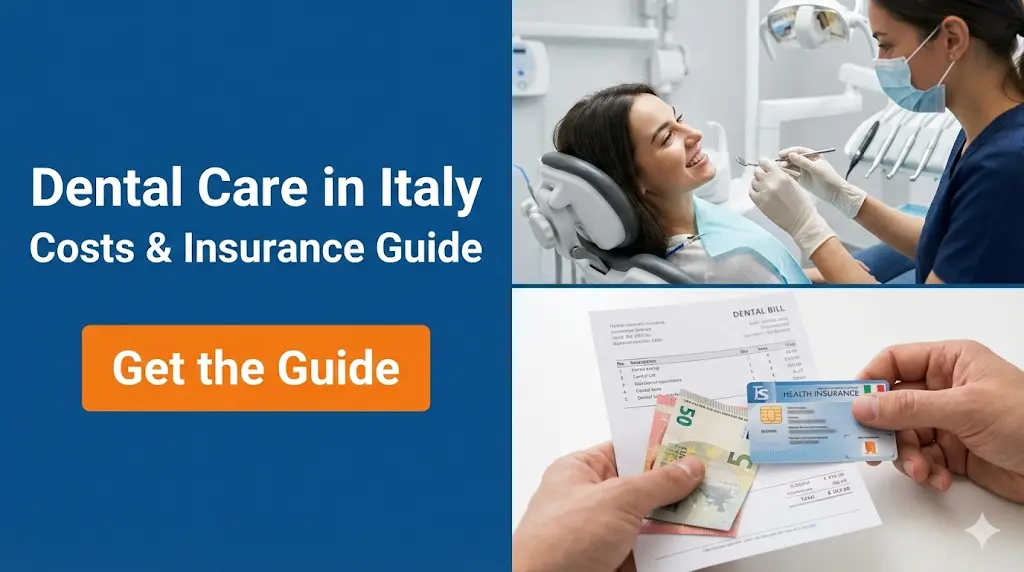
When you approach the reception desk to pay for your dental cleaning, simply hand the receptionist your bank card and your plastic Tessera Sanitaria (which contains your tax code barcode) and say, “Vorrei scaricarlo” (I would like to deduct this). They will scan your card and ensure the invoice is formatted correctly for your accountant. If you have not yet set up your tax infrastructure, reviewing our guide on Local Tax Registration: Codice Fiscale and ISEE is highly recommended.
How to Find an English-Speaking Dentist in Italy
While the quality of private dental care in Italy is stellar, the language barrier can be a significant source of anxiety. Explaining the specific nuances of nerve pain or understanding the complex surgical steps of a bone graft requires clear, precise communication. Fortunately, finding an English-speaking dentist is entirely possible, especially in major expat hubs.
- Digital Booking Platforms: Websites and applications like MioDottore.it and Doctolib.it are invaluable resources. These platforms allow you to search for specific dental specialists in your city, filter the results by languages spoken, read verified patient reviews, and book appointments instantly online.
- Specialized Expat Directories: Platforms like Doctorsinitaly.com specifically cater to foreign residents and tourists, offering curated lists of vetted, highly fluent English-speaking medical and dental practitioners.
- The Expat Community: Never underestimate the power of word-of-mouth (passaparola). Joining local expat Facebook groups or regional WhatsApp chats and asking for personal recommendations is one of the most reliable ways to find a gentle, transparent, and bilingual family dentist.
When evaluating a new private dentist, it is entirely acceptable to book a preliminary consultation to assess their communication skills, evaluate the clinic’s hygiene standards, and request a written, itemized fee estimate (preventivo) before agreeing to any major procedures.
Conclusion
Securing reliable dental care in Italy requires a proactive approach and an understanding of how the private healthcare sector operates alongside the public SSN. While the realization that adult dental care is largely an out-of-pocket expense can be a shock to new expatriates, the exceptional quality, modern technology, and relatively affordable pricing of Italian private dentistry provide immense reassurance.
By budgeting for routine cleanings, intelligently utilizing private supplementary insurance to protect against major surgical costs, and meticulously tracking your payments to take full advantage of the 19% tax deduction, you can master the financial side of your oral health. Take the time to utilize digital platforms and expat networks to find an English-speaking dentista di fiducia who makes you feel comfortable and understood. With your dental care strategy firmly in place, you can confidently indulge in all the espresso, gelato, and dolci that the magnificent Italian lifestyle has to offer.
References
Primary sources (official)
- Ministero della Salute (Ministry of Health): Official guidelines defining the LEA (Essential Levels of Care) and the specific vulnerable demographics entitled to subsidized dental care under the SSN. https://www.salute.gov.it/
- Agenzia delle Entrate (Italian Revenue Agency): Official tax codes regulating the 19% deduction for medical and dental expenses, and the legal requirement for traceable payments. https://www.agenziaentrate.gov.it/
Other helpful sources
- PortaleItaly: Comprehensive breakdown of private dental costs in Italy compared to the US, public coverage limitations, and zero-interest installment plans. https://portaleitaly.com/knowledge-base/dental-care-in-italy/
- Expatica Italy: Detailed guide for expats on accessing emergency dental care (Pronto Soccorso Dentistico), ticket fees, and finding English-speaking clinics. https://www.expatica.com/it/healthcare/healthcare-services/dentist-in-italy-79788/
Disclaimer
The information provided in this article is for educational and informational purposes only and does not constitute official medical, legal, or financial advice. Dental procedure costs, SSN eligibility requirements, tax deduction laws, and insurance policy terms in Italy are subject to frequent changes by national and regional authorities. Always request a formal, written estimate (preventivo) from your chosen dental provider before undergoing treatment. Consult with a certified Italian accountant (commercialista) to verify your specific eligibility for medical tax deductions.