Major HIV Treatment Centers and Support Groups in Italy
Discover comprehensive information on managing HIV in Italy. This guide explores major treatment centers, leading infectious disease hospitals, and vital support groups for expatriates. Learn about accessing care, navigating the healthcare system, and finding community resources for long-term wellness.
Disclosure: This post may contain affiliate links. We may earn a commission at no extra cost to you if you make a purchase through these links. Read full disclosure.
Introduction
In Italy, the management of HIV and AIDS is treated as a major public health priority. The Italian medical community has been at the forefront of infectious disease research for decades, meaning that patients have access to the latest antiretroviral therapies, regular monitoring, and multidisciplinary medical support. Unlike some countries where healthcare is heavily privatized and dependent on employer-sponsored insurance, the Italian approach is deeply rooted in public health equity. The state guarantees access to life-saving treatments for all residents, ensuring that financial barriers do not prevent anyone from achieving an undetectable viral load.
However, navigating a foreign healthcare system can be daunting due to language barriers, bureaucratic procedures, and different cultural approaches to medicine. Finding the right infectious disease specialist, understanding where to pick up medications, and connecting with local support networks are essential tasks for any newly arrived expatriate. Beyond clinical treatment, emotional and psychological support plays a vital role in long-term wellness. Italy is home to numerous non-governmental organizations and advocacy groups that provide everything from legal advice to peer-to-peer counseling. This comprehensive guide will navigate the major HIV treatment centers across the Italian peninsula, explain the process of accessing medication, and highlight the most prominent support groups available to help you thrive in your new Mediterranean home.
The Framework of HIV Care in the Italian Healthcare System
To understand how to access treatment in Italy, one must first understand the structure of the Servizio Sanitario Nazionale, the National Health Service. In Italy, HIV care is almost exclusively managed within the public healthcare sector rather than through private clinics. This is primarily because the state procures and distributes antiretroviral medications directly through hospital pharmacies to carefully monitor public health data and control costs.
While your general practitioner is your first point of contact for minor ailments, HIV care is handled by specialists in the infectious disease wards of public hospitals. Your general practitioner will write a referral for a specialist visit, but once you are integrated into an infectious disease clinic, the hospital department essentially becomes your medical home for all things related to your condition.
The costs associated with HIV treatment in Italy are completely covered by the state for registered residents. Patients diagnosed with HIV are issued a specific exemption code on their health profile. This exemption code waives all co-pays and fees for blood tests, specialist consultations, and medications related directly to the management of the virus.
Major Treatment Centers in Northern Italy
Northern Italy is renowned for its advanced medical infrastructure and heavily funded research hospitals. Expatriates living in regions such as Lombardy, Piedmont, and Veneto have access to some of the most prestigious infectious disease centers in Europe.
Milan and the Lombardy Region
Milan is a central hub for medical excellence in Italy. The city is home to the Ospedale Luigi Sacco, widely considered one of the premier infectious disease hospitals in the country. The Department of Infectious Diseases at Sacco Hospital has a long history of pioneering HIV/AIDS research and offers comprehensive outpatient care, including specialized clinics for co-infections and metabolic complications related to long-term antiretroviral therapy.
Another leading institution in Milan is the Ospedale San Raffaele. As a major university and research hospital, San Raffaele provides state-of-the-art immunological monitoring and access to international clinical trials. The hospital’s infectious disease unit is known for its multidisciplinary approach, offering integrated care that includes psychological support and nutritional counseling.
Turin and the Piedmont Region
For those residing in the Piedmont region, the Ospedale Amedeo di Savoia in Turin is the primary referral center for infectious diseases. The facility is entirely dedicated to the study, treatment, and prevention of infectious diseases, making it a highly specialized environment. The HIV outpatient clinic here manages thousands of patients and is highly experienced in dealing with diverse populations, including international residents.
Padua and the Veneto Region
The Azienda Ospedale Università Padova is a massive medical complex that serves as the reference center for the Veneto region. Its infectious and tropical diseases unit is highly respected, offering advanced diagnostic laboratories and specialized care for patients living with HIV. The university setting ensures that treatments are aligned with the latest global scientific advancements.
Major Treatment Centers in Central Italy
Central Italy, encompassing regions like Lazio and Tuscany, features hospitals with deep historical roots in public health and infectious disease management.
Rome and the Lazio Region
Rome is home to the Istituto Nazionale per le Malattie Infettive Lazzaro Spallanzani. Simply referred to as “Spallanzani,” this is the national institute for infectious diseases in Italy and serves as the ultimate reference center for the entire country. The expertise at Spallanzani is unparalleled. The hospital provides exceptional outpatient care for HIV patients, featuring dedicated teams for newly diagnosed individuals, advanced immunological therapies, and specialized women’s health clinics within the infectious disease framework.
Additionally, the Policlinico Umberto I and the Policlinico Gemelli in Rome both have excellent infectious disease departments. Policlinico Gemelli, a massive university hospital, offers highly personalized care plans and is accustomed to treating international diplomats, expatriates, and foreign students.
Florence and the Tuscany Region
In Tuscany, the Azienda Ospedaliero Universitaria Careggi in Florence is the primary destination for specialized medical care. The infectious disease unit at Careggi is equipped to handle all aspects of HIV management. They offer streamlined outpatient services where patients can undergo routine blood work, consult with their infectious disease specialist, and collect their medications all within the same hospital campus.
Major Treatment Centers in Southern Italy and the Islands
While the medical infrastructure in Southern Italy is sometimes perceived as less centralized than in the North, the major metropolitan areas still boast dedicated, high-quality infectious disease hospitals capable of providing excellent HIV care.
Naples and the Campania Region
The Ospedale Domenico Cotugno in Naples is a specialized hospital entirely dedicated to infectious diseases. It serves as the primary hub for the entire Campania region. The hospital has a robust outpatient clinic for HIV and immune deficiencies, providing critical care, regular monitoring, and medication distribution for the southern population.
Palermo and Catania in Sicily
For expatriates living on the island of Sicily, HIV care is primarily concentrated in the largest cities. In Palermo, the Azienda Ospedaliera Universitaria Policlinico Paolo Giaccone provides comprehensive infectious disease services. Similarly, in Catania, the Ospedale Garibaldi Nesima features a dedicated infectious disease ward that manages long-term outpatient care and antiretroviral therapy distribution.
Overview of Key Infectious Disease Hospitals
To provide a quick reference, the following table summarizes some of the most prominent hospitals specializing in HIV care across Italy.
| Hospital Name | City | Region | Specialty Focus |
| Ospedale Luigi Sacco | Milan | Lombardy | Infectious Diseases, Clinical Trials |
| Ospedale San Raffaele | Milan | Lombardy | Immunology, Multidisciplinary Care |
| Ospedale Amedeo di Savoia | Turin | Piedmont | Infectious and Tropical Diseases |
| Lazzaro Spallanzani (INMI) | Rome | Lazio | National Institute for Infectious Diseases |
| Policlinico Gemelli | Rome | Lazio | University Research, Integrated Care |
| Ospedale di Careggi | Florence | Tuscany | Comprehensive Outpatient Clinics |
| Ospedale Domenico Cotugno | Naples | Campania | Southern Italy Reference Center |
The Process of Accessing Antiretroviral Therapy
One of the most important logistical differences for expatriates to understand is how and where to obtain antiretroviral therapy. In many countries, patients take a prescription to a standard retail pharmacy to collect their HIV medications. In Italy, this is not the case.
Antiretroviral drugs are classified under a special category by the Italian Medicines Agency. They are distributed exclusively through the Farmacia Ospedaliera, which is the internal pharmacy located within the public hospital where you receive your treatment.
The process generally works as follows: Your infectious disease specialist will evaluate your blood work and establish a Piano Terapeutico. This is a formal therapeutic plan that outlines your specific medication regimen. Armed with this document, you will walk to the hospital’s internal pharmacy, where the pharmacist will dispense a supply of your medication—usually enough to last for thirty to sixty days, depending on the hospital’s specific protocols. This system ensures rigorous monitoring of the treatment’s efficacy and allows the state to manage the high costs of these medications directly. For more details on maintaining your regimen, you can review our guide on Coverage for HIV/AIDS Treatment in Italy.
Pre-Exposure Prophylaxis Access in Italy
For individuals seeking preventative measures, Italy has made significant strides regarding Pre-Exposure Prophylaxis. In a landmark public health decision in May 2023, the Italian Medicines Agency officially made PrEP free of charge across the national territory.
To access free PrEP, an individual must consult an infectious disease specialist at a public hospital or a designated public health clinic. The specialist will conduct the necessary baseline testing for HIV, kidney function, and other sexually transmitted infections. Once cleared, the patient receives a prescription that can be filled at the hospital pharmacy without cost. This policy shift has revolutionized HIV prevention in Italy, making it highly accessible to at-risk populations and expatriates integrated into the public health system.
The Vital Role of Non-Governmental Organizations
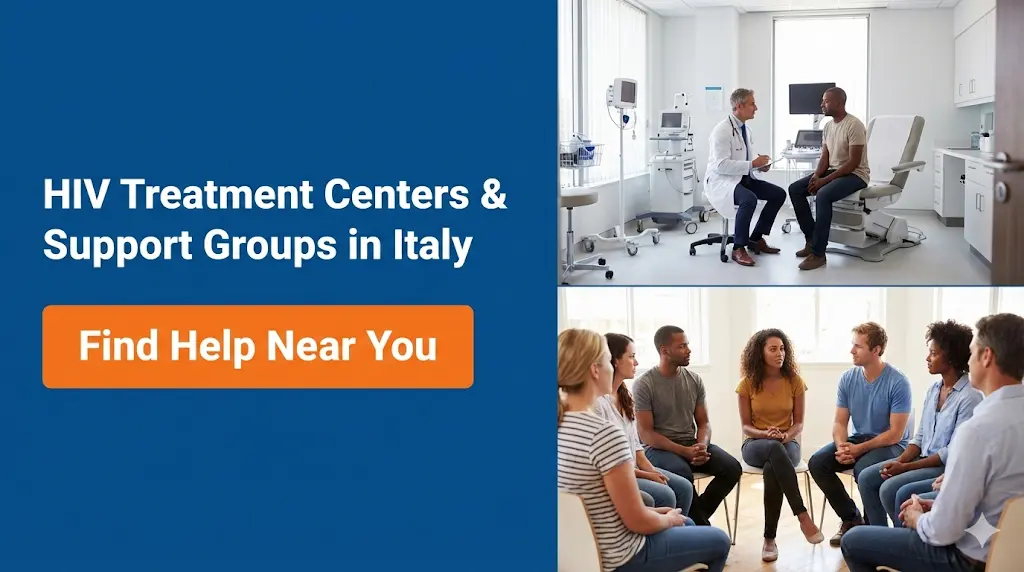
While clinical treatment is fundamental, the journey of living with a chronic illness often requires support that extends beyond the walls of a hospital. Italy features a vibrant, active network of non-governmental organizations and advocacy groups dedicated to supporting people living with HIV. These organizations play a crucial role in providing education, fighting discrimination, offering legal counsel, and facilitating peer-to-peer emotional support.
For an expatriate, connecting with these organizations can alleviate the isolation of navigating a new country. They often have volunteers or staff members who speak English and can provide invaluable advice on dealing with local bureaucracies, finding welcoming medical professionals, and building a social support network.
Leading HIV Support Organizations in Italy
Several national and local organizations stand out for their exceptional work in the field of HIV advocacy and support.
LILA
The Lega Italiana per la Lotta contro l’AIDS is arguably the most prominent and established HIV organization in Italy. Founded in 1987, LILA operates on a national scale with local branches in numerous Italian cities. They offer a wide array of services, including anonymous toll-free helplines, rapid testing facilities, and psychological support programs. LILA is heavily involved in political advocacy, fighting for patient rights and pushing for progressive public health policies. Their local offices are excellent starting points for expats seeking community connection and guidance.
Arcigay
Arcigay is Italy’s primary LGBTQ+ rights organization, but their work in public health and HIV prevention is extensive. Many local Arcigay chapters operate community checkpoints that offer free, anonymous rapid testing for HIV and other sexually transmitted infections in a non-clinical, judgment-free environment. They also host support groups specifically tailored to gay and bisexual men living with HIV, providing a safe space to discuss relationships, stigma, and health management.
Mario Mieli Circolo di Cultura Omosessuale
Based in Rome, the Mario Mieli organization is a historic institution that provides massive support to the local community. They offer comprehensive counseling services, psychological support, and specialized assistance for individuals living with HIV. Their integration with the local health authorities in Lazio makes them an invaluable resource for expats settling in the capital city.
Nadir Onlus
Nadir Onlus is a patient-led organization that focuses heavily on the scientific and therapeutic aspects of living with HIV. They work to ensure that patients are fully informed about new treatments, clinical trials, and medical advancements. For patients who want to take an active, highly educated role in their treatment plans, Nadir provides excellent resources and facilitates dialogue between patients and the scientific community.
ASA
Operating primarily in Milan, the Associazione Solidarietà AIDS is a volunteer-driven organization offering concrete support to people living with the virus. They organize self-help groups, provide psychological counseling, and even offer practical assistance programs for individuals facing economic or social difficulties related to their diagnosis.
Mental Health and Overcoming Social Stigma
Despite significant medical advancements, social stigma surrounding HIV persists globally, and Italy is no exception. While major urban centers are generally progressive, the emotional burden of managing a stigmatized condition can take a toll on mental health, particularly when compounded by the stress of cultural adaptation.
Seeking psychological support is an essential component of holistic HIV care. Many of the major infectious disease hospitals offer dedicated psychological counseling as part of their standard outpatient services. Furthermore, utilizing the support groups provided by organizations like LILA or Arcigay can help mitigate feelings of isolation. Sharing experiences with peers who understand the unique nuances of living with HIV in Italian society is incredibly therapeutic. If you are struggling with the transition and need broader emotional assistance, exploring Mental Health Support in Italy: Resources for Expats can provide additional avenues for finding English-speaking therapists.
Navigating Care as a Non-Resident or Undocumented Individual
A common concern for expatriates is what happens if they require medical care before their residency paperwork is finalized, or if they are in the country without legal status. The Italian Constitution guarantees the right to essential healthcare for every human being on its soil, regardless of administrative status.
If you are a foreigner temporarily present in Italy without a valid residence permit, you can apply for an STP code. This code grants you access to urgent and essential medical care, which explicitly includes treatment for infectious diseases like HIV. With an STP code, you can visit an infectious disease hospital, receive a medical evaluation, and be provided with life-saving antiretroviral medication without fear of being reported to immigration authorities. Public health supersedes immigration status in the Italian medical ethos.
Patient Privacy and Confidentiality Laws
Privacy is a fundamental right in Italy, and the laws protecting the medical confidentiality of individuals living with HIV are exceptionally strict. Law 135, enacted in 1990, established a comprehensive legal framework specifically designed to protect citizens from discrimination based on their HIV status.
Under Italian law, no employer can demand an HIV test as a condition of employment, nor can your medical status be shared with your employer, landlord, or anyone else without your explicit written consent. Medical professionals are bound by severe professional secrecy laws. When you undergo blood tests or receive treatment at a public hospital, your data is handled with the utmost discretion. You can read more about how these privacy frameworks operate in our detailed article on STD Testing and Confidentiality in Italy.
What to Bring to Your First Hospital Appointment
When you secure your first appointment with an infectious disease specialist in Italy, arriving prepared will ensure a smooth transition of care.
You should bring:
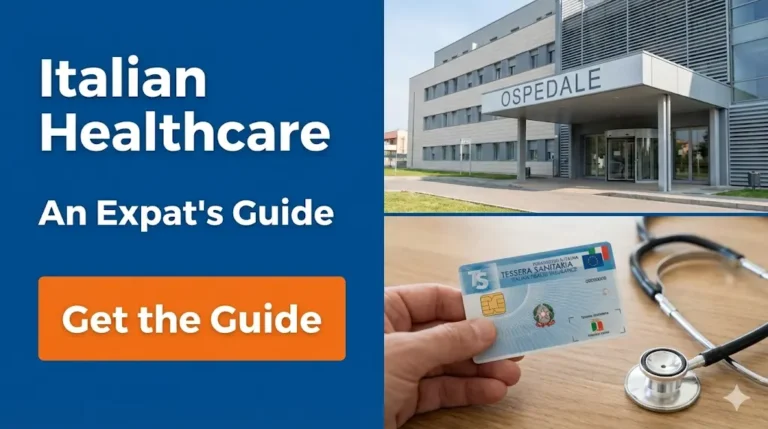
- Your Italian health card and identification.
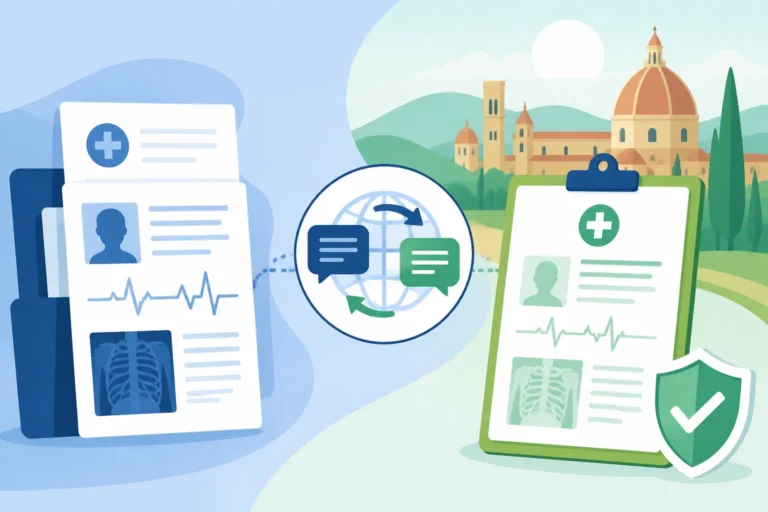
- A comprehensive medical summary from your previous doctor in your home country, ideally translated into Italian.
- Your complete history of antiretroviral regimens, including the exact names and dosages of your current medications.
- Your most recent laboratory results, specifically your viral load and CD4 count history, to establish your clinical baseline.
The Italian specialist will likely order a comprehensive panel of new blood tests to establish your baseline within their own laboratory system before formally issuing your new therapeutic plan.
Conclusion
Managing HIV while living as an expatriate in Italy is entirely feasible and highly supported by a world-class public healthcare system. From the cutting-edge research corridors of Spallanzani in Rome and Sacco in Milan to the dedicated regional hospitals in the south, the country offers exceptional clinical care that guarantees access to modern antiretroviral therapies. Beyond the clinical setting, the vibrant network of support groups and non-governmental organizations ensures that no one has to navigate their diagnosis in isolation.
By understanding how to access the hospital pharmacies, recognizing your legal rights to privacy, and connecting with local advocacy groups like LILA or Arcigay, you can take complete control of your health. Italy’s commitment to public health equity means that you can focus less on the logistical burdens of chronic illness and more on embracing the rich cultural experiences, profound beauty, and vibrant lifestyle that brought you to the Bel Paese in the first place.
References
Primary sources (official)
- Ministero della Salute: The official portal for the Italian Ministry of Health, providing national guidelines on infectious disease management, PrEP availability, and the rights of patients under the SSN. https://www.salute.gov.it/
- Istituto Superiore di Sanità: The National Institute of Health in Italy, which manages the operational centers for HIV/AIDS research and publishes official epidemiological data. https://www.iss.it/
Other helpful sources
- LILA (Lega Italiana per la Lotta contro l’AIDS): The premier national organization offering extensive resources, legal advice, and local support group directories for individuals living with HIV. https://www.lila.it/
Disclaimer
The information provided in this article is intended for general educational and informational purposes only and does not constitute official medical, diagnostic, or legal advice. Healthcare protocols, the availability of specific antiretroviral medications, and regional hospital procedures in Italy are subject to change based on national health authority updates and individual hospital policies. Always consult directly with a licensed Italian infectious disease specialist or your primary care physician for personalized medical advice and treatment plans. If you are experiencing a severe medical emergency, please dial the universal European emergency number 112 immediately.