How to Translate Foreign Medical Records for Use in Italy
Walking into an Italian doctor's office with a thick folder of medical records in your native language often results in a polite but firm rejection. I remember standing in a crowded Roman clinic, desperately trying to explain my history of chronic back pain while the specialist stared blankly at my English-language MRI results. This guide solves the confusion by detailing exactly how to legalize and translate your medical history for the Italian system.
Disclosure: This post may contain affiliate links. We may earn a commission at no extra cost to you if you make a purchase through these links. Read full disclosure.
Why You Cannot Use Non-Translated Medical Records in Italy
The Italian healthcare system, or the Servizio Sanitario Nazionale (SSN), is remarkably thorough, but it is also deeply rooted in local administrative protocols. Even if your doctor speaks perfect English, the legal framework governing medical records in Italy requires all documentation to be in Italian for it to be officially recognized. This is not just a matter of convenience; it is a matter of liability. If a physician makes a clinical decision based on a document they cannot legally verify, they are exposed to significant professional risk.
Furthermore, if you are Registering With Your Local ASL in Italy: A Practical Guide, you will find that administrative clerks cannot process exemptions for chronic illnesses without an official Italian translation. These clerks are often the gatekeepers to the healthcare benefits you are entitled to as a resident. Without a properly translated record, your history essentially does not exist in the eyes of the Italian state, which can complicate everything from routine check-ups to emergency care.
For those relying on international coverage through providers like Cigna Global, having your records translated is also a strategic move for reimbursement. While some international insurers handle the translation internally, presenting a pre-translated Italian file to your local clinic ensures that the diagnostic codes match the Italian system perfectly, reducing the likelihood of a claim being denied due to linguistic ambiguity.
Types of Translation Recognized by Italian Authorities
Not all translations are created equal in the eyes of the Italian law. If you simply use a digital translation tool or ask a bilingual friend to help, your documents will likely be dismissed by any public hospital or ASL office. You need to understand the hierarchy of document validity in Italy to ensure you don't waste time and money on the wrong service.
Simple Translation for Private Consultations
A simple translation is a word-for-word conversion of your records without any official stamp or legal oversight. While this might be sufficient if you are visiting a private, English-speaking clinic in Milan or Florence, it holds no weight in the public sector. If your primary goal is to maintain a high level of care through private providers, a simple translation might suffice for the initial conversation. However, most expats eventually need to interact with the public system, making this a risky shortcut.
Sworn Translation (Traduzione Giurata)
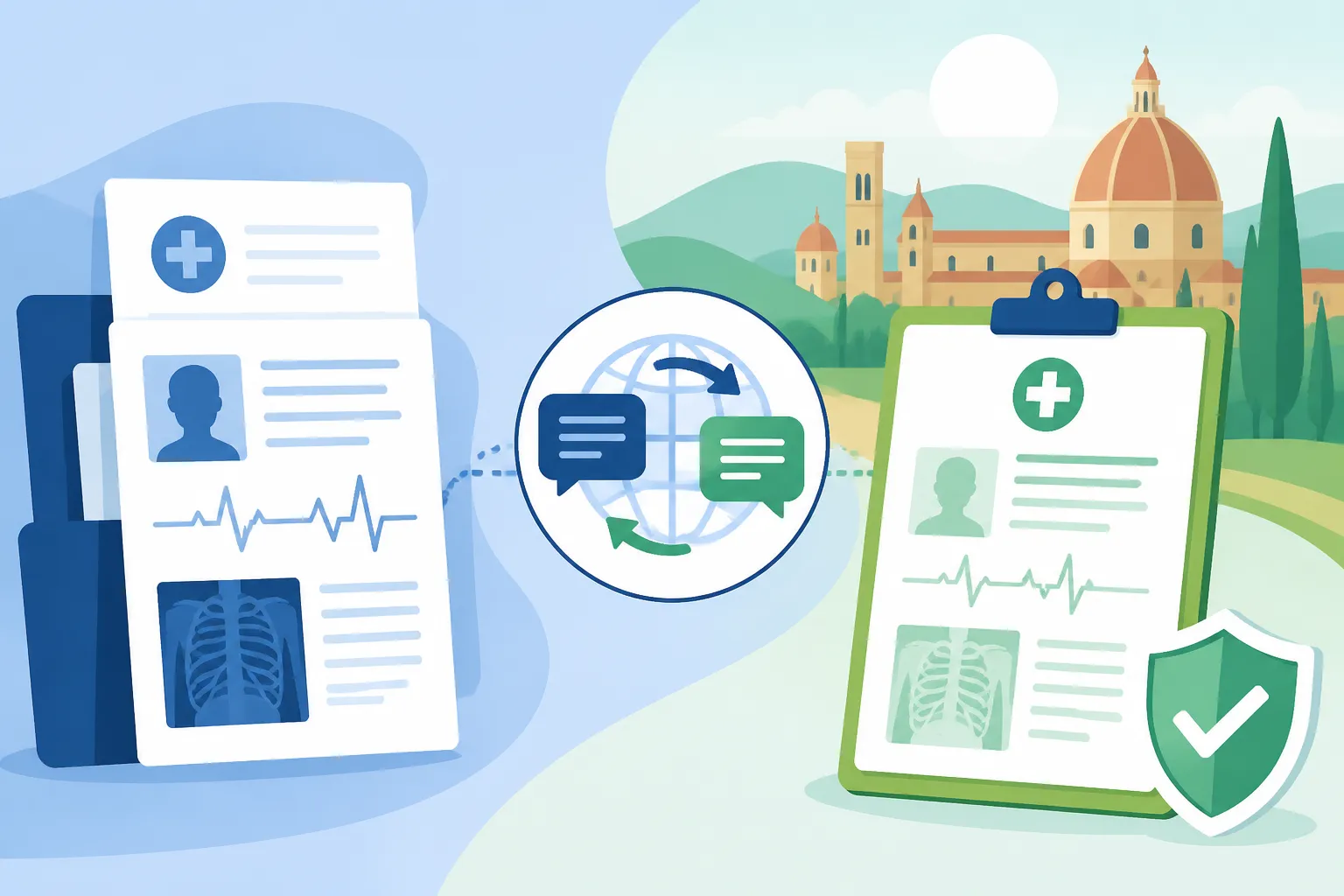
This is the gold standard for expats. A sworn translation involves a professional translator going to an Italian court (Tribunale) and signing an oath in front of a public official, swearing that the translation is a faithful representation of the original. This process, often referred to as asseverazione, attaches a legal seal to your medical records. This is mandatory if you are seeking a chronic disease exemption or if you need to provide evidence of a pre-existing condition for legal or insurance purposes.
Certified Translation with Apostille
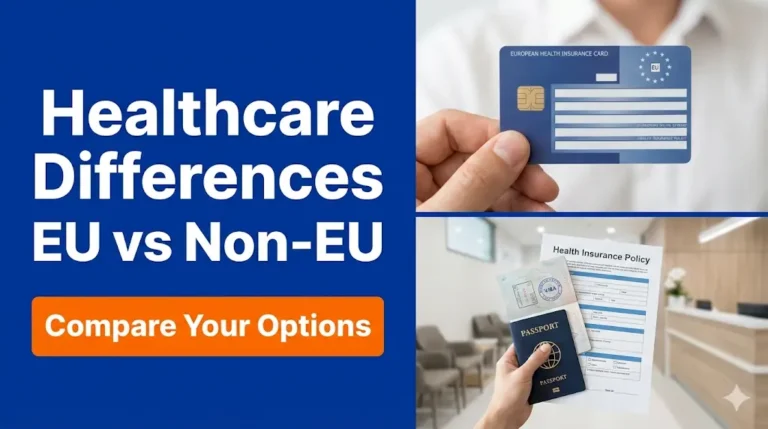
If you are bringing records from outside the EU, you might also need an Apostille. This is a form of international legalization that verifies the signature of the official who issued your original medical document. While not always required for every single lab result, it is often necessary for major surgical reports or birth records that include medical data. You should check Apostilles and Sworn Translations for Italian Visas to understand if your specific home country documentation requires this extra layer of verification before the translation even begins.
| Translation Type | Best Use Case | Legal Validity in SSN | Relative Cost |
|---|---|---|---|
| Simple Translation | Informal private clinic visits | None | Low |
| Sworn (Giurata) | ASL registration, chronic illness codes | High | Medium |
| Apostille + Sworn | Non-EU legal matters, major surgeries | Absolute | High |
Step-by-Step Guide to Translating Your Records
The process of moving your medical life to Italy requires a methodical approach. You cannot simply dump fifty pages of records on a translator's desk; it would be prohibitively expensive and largely unnecessary. Most of your history can be summarized, provided the summary carries the necessary legal weight.
Selecting Essential Documents
Before you even look for a translator, go through your records with a critical eye. You do not need to translate every routine blood test from five years ago. Focus on discharge summaries, pathology reports for major illnesses, current medication lists, and recent diagnostic imaging reports (the written report, not the actual images). If you have a complex history, ask your current doctor in your home country to write a comprehensive summary letter. Translating one summary letter is far more efficient than translating ten individual reports.
Finding a Traduttore Giurato
You must find a translator who is registered with the local Chamber of Commerce or the Court's list of experts. These professionals are the only ones authorized to perform a sworn translation. When you contact them, be sure to ask if they have experience with medical terminology. A general legal translator might struggle with the nuances of oncology or cardiology, which could lead to dangerous errors in the final Italian document.
Navigating the Legalization Process
Once the translator has finished the work, they will handle the trip to the court. You will usually be charged for the translation per page, plus a flat fee for the court appearance and the "marca da bollo" (revenue stamp) which is required for the legal documents. This process can take anywhere from a few days to two weeks depending on the backlog at the local Tribunale. If you are moving with a policy from SafetyWing, keep your receipts for these services, as they are sometimes useful for documenting the transition of care, even if not always reimbursable as a medical expense.
Integrating Records into the Italian Health System
Once you have your sworn translations in hand, the work isn't over. You need to get that data into the hands of the right people. The first stop is usually your Medico di Base, or family doctor. When you are Healthcare in Italy: An Expats' Guide, you will be assigned a local GP who acts as the primary coordinator for all your care.
The Role of the Family Doctor
Your family doctor will review your translated records and use the information to issue referrals (impegnative) for specialists or tests within the SSN. They are also responsible for entering your data into the How to Access Your Fascicolo Sanitario Elettronico Online. This is a digital health portal that follows you throughout Italy. Once your translated data is uploaded here, any public hospital in the country can access it, which is life-saving in an emergency.
Managing Chronic Conditions
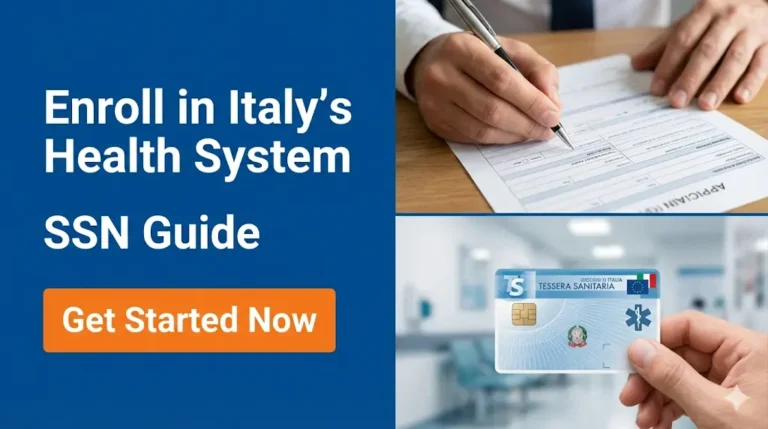
If your records indicate a chronic condition, such as diabetes or a thyroid disorder, your doctor will use the translated documents to request an "esenzione" (exemption code). This code is linked to your The Italian Health Card (Tessera Sanitaria): Uses and How to Get One and allows you to receive medications and specialized tests related to that condition for free or at a significantly reduced co-pay. Without the translated proof of diagnosis, you will be forced to pay the full "ticket" price for these services.
For many expats, the transition is smoother when utilizing Differences between Public and Private Healthcare in Italy. You might choose to see a private specialist for your initial consultation to save time, but ensure they provide you with a written report in Italian that you can then take to your public GP. This ensures that your private care and public records remain synchronized.
Using Medical Translation Services Effectively
If your Italian is still in the "ordering a cappuccino" phase, you might consider Using Medical Translation and Interpretation Services for your actual appointments. Having a translated document is great, but having a person who can facilitate the conversation between your history and the doctor's questions is even better. Some expats find that using a combination of sworn translations for the paperwork and a professional interpreter for the first visit to a new specialist provides the highest level of safety.
If you are managing a long-term illness, it is worth asking your translator to create a "glossary" of your specific terms. This helps when you need to How to Get a Prescription Renewed in Italy because you will know the exact Italian equivalent of your medication's active ingredient. Often, brand names differ between countries, and Managing a Chronic Condition Under Italy's SSN requires you to be proactive about knowing the generic names of your prescriptions to avoid confusion at the farmacia.
Finally, remember that the Italian system values the "original" copy. Always keep your foreign originals and the sworn Italian translations clipped together. Never give away your only copy of a sworn translation; hospitals should only need a photocopy, while they may ask to see the original for verification. Taking the time to translate your records properly is an investment in your future health in Italy, ensuring that your medical history speaks the local language as fluently as you hope to one day.
Disclaimer
This guide is for informational purposes only and does not constitute legal or medical advice. Translation requirements can vary by region (Regione) in Italy and are subject to change based on new administrative decrees. Always verify specific document requirements with your local ASL or a qualified legal professional before proceeding with high-cost translations.