How to Childproof a Rented Apartment in Italy
Childproofing an Italian rental explains temporary solutions for marble floors, unanchored antiques, and windows without risking your security deposit.
Settle in smoothly.
Step-by-step help with renting, utilities, everyday life setup, local services, and the small cultural “gotchas”.
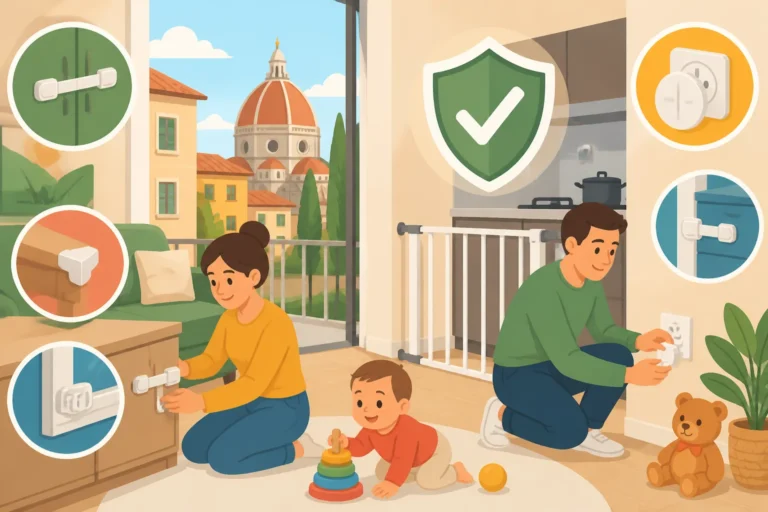
Childproofing an Italian rental explains temporary solutions for marble floors, unanchored antiques, and windows without risking your security deposit.

The Italian village home purchasing process involves hidden renovation costs, strict deadlines, and complex bureaucratic requirements for buyers.

Italian notary fees and transfer taxes for property purchases depend on the home price, location, and first home status.

Finding reliable tradespeople in Italy requires local word of mouth networks, understanding specialized professional roles, and securing written estimates.

Italian condominio fees represent building service costs, ordinary versus extraordinary expenses, calculation methods, and tenant payment obligations.

Cancelling utilities when leaving an Italian rental requires managing disdetta, voltura, and TARI declarations to avoid phantom bills and deposit disputes.

Italian school catchment areas, pedestrian zones, and local transit routes help families choose neighborhoods in Rome, Milan, Florence, and Bologna.

Italian renter contents insurance protects expats against theft, fire, and third-party liability damages, costing between 120 and 250 euros annually.

Italian utility setup explains voltura versus subentro, PDR codes, water monopolies, and the required documents for gas and water service.

Choosing an Italian moving company requires checking VAT numbers, permits, and itemized quotes to avoid hidden fees.