Coordinating Pet Transport With Your Household Shipment to Italy
Let's be honest, moving to Italy is a whirlwind of paperwork, new customs, and a whole lot of "ma che?!" moments. Add the profound responsibility of moving your furred, feathered, or scaled family members, and the stress can multiply exponentially. It's not just about packing boxes; it's about navigating intricate international regulations for both your belongings and your pets, often with vastly different timelines and requirements. This guide is here to walk you through the often-overlooked but crucial steps of coordinating your pet's journey with your household shipment to Italy, helping you avoid headaches and ensuring a smooth transition for everyone involved.
The Dual Challenge: Moving Your Life and Your Furry Friends to Italy
Relocating to a new country like Italy is a monumental undertaking, touching every aspect of your life. When you add the welfare and logistical nightmare of transporting pets alongside your entire household, the complexity skyrockets. Many expats, myself included, have found themselves overwhelmed by the sheer volume of tasks, from finding the right shipping containers for their furniture to understanding the specific microchip requirements for their cat. It’s easy to feel like you’re juggling flaming torches while riding a unicycle, especially when dealing with Italian bureaucracy.
Disclosure: This post may contain affiliate links. We may earn a commission at no extra cost to you if you make a purchase through these links. Read full disclosure.
Why Pet and Household Moves Are So Complex
The fundamental issue lies in the contrasting nature of these two types of shipments. Your household goods, while requiring careful packing, inventory, and customs declarations, are essentially inanimate objects. They don't get stressed, they don't need feeding, and they certainly don't have a complex set of health certificates and vaccination records that need to be in perfect order. Pets, on the other hand, are sentient beings with biological needs and a stringent set of international and national regulations designed to protect animal health and prevent the spread of diseases.
For instance, bringing a pet into Italy requires specific vaccinations, an EU Pet Passport (or equivalent health certificate), and sometimes even a waiting period after a rabies vaccination before entry is permitted. These aren't suggestions; they are non-negotiable legal requirements. Meanwhile, your antique armoire just needs to be properly declared and shouldn't contain any forbidden items. Trying to manage these two very different sets of rules and schedules simultaneously, often in a foreign language, can quickly become a full-time job on top of everything else you're already doing to prepare for your move.
The Pitfalls of Separate Planning
Many people make the mistake of approaching their household move and pet relocation as entirely separate projects, often handled by different companies. While this might seem logical on the surface – you're dealing with two distinct "things" – it's a recipe for increased stress, potential delays, and unforeseen costs.
Imagine this scenario: Your furniture is packed and ready to ship, but your pet's health certificate isn't quite finalized, meaning they can't travel on the same timeline. Now you're stuck in limbo, potentially paying for extra days in temporary accommodation or storage for your goods. Or, perhaps your pet arrives in Italy, but your essential pet supplies – food, toys, medications – are still somewhere on a cargo ship crossing the Mediterranean. This kind of disjointed planning can lead to heartbreaking situations, not to mention a serious dent in your wallet. The coordination of logistics and timings for a move to Italy can be notoriously tricky, and having multiple parties involved without a single point of contact significantly complicates matters. When both elements aren't aligned, you could face unexpected charges for rushed services, veterinary visits due to stress-related issues, or even fines at customs if documentation for either pets or goods is incomplete or mistimed.
Strategic Synchronization: Making Your Move to Italy Seamless with Your Pets
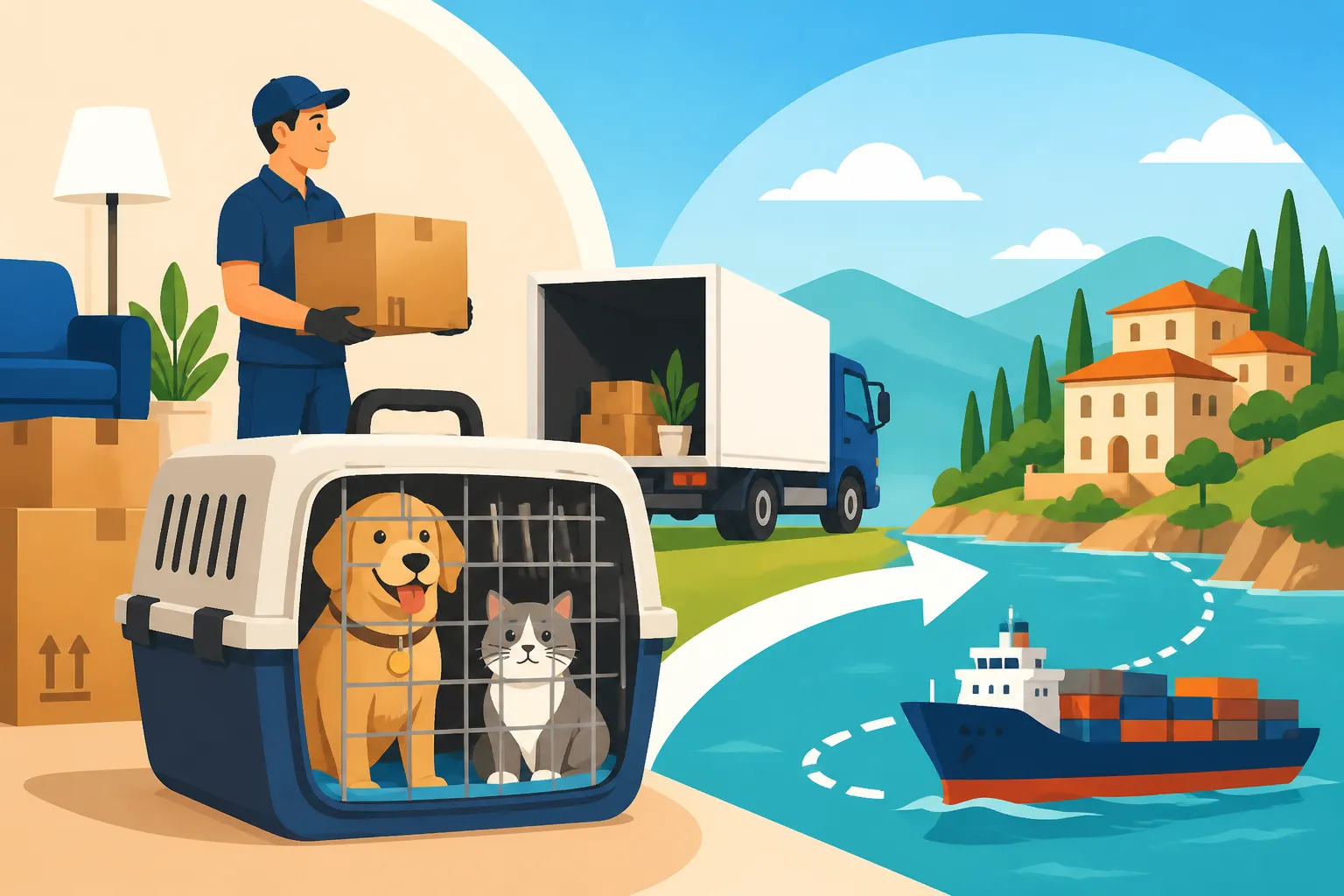
The key to a less stressful international relocation with pets is synchronization. You need a cohesive strategy that treats your entire move—both animate and inanimate—as one grand project with interconnected parts. This proactive approach helps to mitigate the bureaucratic hurdles that are so characteristic of moving to Italy and ensures that your beloved companions arrive safely and comfortably, alongside your creature comforts.
Finding the Right Partner: Integrated Moving Services
When facing such a monumental task, finding a reliable partner is paramount. This is where platforms like Sirelo come into their own, acting as a crucial bridge between your moving needs and reputable service providers. Rather than trying to find a pet transport specialist and a separate international moving company, Sirelo allows you to compare quotes from a network of vetted movers, many of whom specialize in providing integrated solutions for both your home and your beloved animals. This integrated approach ensures that the company understands the delicate balance required to coordinate pet travel with your household shipment to Italy.
When choosing a mover through a platform like Sirelo, look for companies that explicitly mention experience with pet relocation, particularly to Italy. Inquire about their accreditations (such as IPATA certification for pet movers), their knowledge of Italian customs and veterinary regulations, and whether they can offer a single point of contact for both aspects of your move. This simplifies communication immensely and reduces the chance of miscommunication or overlooked details. A dedicated specialist will know the nuances of the Italian health certificate requirements, the appropriate crate sizes for different airlines, and how to prepare both your pet and your possessions for the journey, ensuring compliance with local laws. This can be invaluable, especially when trying to understand the intricacies of Moving to Italy with Pets: Rules and Tips.
Key Considerations for a Coordinated Move to Italy
A truly coordinated move involves meticulous planning across several fronts. Here’s what you need to keep at the forefront of your mind:
- Documentation Demystified: For your pets, the "EU Pet Passport" is king for animals coming from within the EU, or a comprehensive international health certificate from your vet if you're coming from outside the EU. This document must detail microchip information, rabies vaccination dates (and validity), and potentially other treatments like tapeworm treatment. For your household goods, you’ll need a detailed inventory, customs declaration forms, and proof of residence in Italy. All documents, especially for pets, must be precisely filled out and submitted within strict timelines. A slight error or missed deadline can cause significant delays, potentially holding up your entire shipment. Companies found via Sirelo can often guide you through these labyrinthine requirements.
- Synchronized Timelines: This is where coordination truly shines. Pets often have specific travel windows based on veterinary appointments, vaccination waiting periods, and airline availability. Household shipments, especially by sea, have much longer transit times. Ideally, your pets should arrive shortly after you do, or even with you, while your household goods might follow later. Plan for these overlaps and differences. Do you need temporary housing that accommodates pets while your furniture is in transit? Consider this carefully. Reputable movers on Sirelo will help you map out these timelines so there are no unpleasant surprises. It's not uncommon for expats to need to secure housing before arrival, and understanding Italian Rental Contracts 101: 4+4, 3+2, and Transitorio becomes essential, especially when seeking pet-friendly options.
- Budgeting for a Combined Effort: It might seem like a luxury to pay for a combined service, but the cost of rectifying errors or delays from separate, uncoordinated moves often far outweighs the initial expense. Factor in veterinary checks, official document fees, specialized pet travel crates, import taxes for certain household items, and the moving company's fees. Get detailed, itemized quotes. Using a platform like Sirelo allows you to compare these comprehensive quotes side-by-side, giving you transparency and helping you make an informed financial decision. Remember that the overall Cost of Living in Italy 2026: Budgeting for Expats should also account for these moving expenses.
Here’s a practical table to help you visualize the crucial documents for a coordinated move to Italy:
| Category | Essential Documents for Italy | Key Considerations |
|---|---|---|
| Pets | EU Pet Passport or International Health Certificate | Must include microchip, rabies vaccination (validity, date), and vet signature. Issued within 10 days of travel. |
| Proof of Microchip (ISO 11784/11785 compliant) | Must be implanted before rabies vaccination. | |
| Rabies Titre Test (if from an unlisted country) | Performed at least 30 days post-rabies vaccination, with a 3-month waiting period before entry. | |
| Veterinary Examination Record | Showing fitness to travel. | |
| Specific Treatments (e.g., tapeworm for dogs from certain countries) | Administered by a vet 24-120 hours before entry. | |
| Household Goods | Detailed Inventory List (in Italian, if possible) | List every item, including value, for customs. Be honest to avoid delays. |
| Customs Declaration Forms | Varies based on origin country and residency status. Your mover will guide you. | |
| Proof of Residency in Italy (e.g., rental contract, dichiarazione di ospitalità) | To prove you're moving your primary residence, not importing goods for sale. | |
| Passport/ID and Italian Tax Code (Codice Fiscale) | Essential for all official dealings, including customs. For more info, see How to Get a Codice Fiscale in Italy (and Why You Need One). | |
| Shipping Label / Bill of Lading (BoL) | Provided by your moving company. |
Executing the Plan: From Packing to Paws on Italian Soil
With your strategic partner chosen, whether through Sirelo or another trusted source, and your comprehensive plan in place, it's time to dive into the practical execution. This phase is all about precision and attention to detail, especially when crossing international borders into a country with its own unique way of doing things.
Preparing Your Pet for the Journey to Italy
This step is arguably the most critical for your pet's well-being. It starts long before departure and involves a close partnership with your veterinarian.
- Veterinary Checks and Documentation: Ensure your pet has a compliant microchip. This is non-negotiable for Italy and the EU. Then, the rabies vaccination must be current and administered after the microchip. If you're coming from a non-EU country not listed as rabies-controlled, a rabies titre test (blood test) is required, often with a 3-month waiting period after the test before your pet can enter Italy. Your vet will issue the EU Pet Passport or the official international health certificate (often endorsed by a government agency in your home country). This is fundamental for Registering Pets in Italy: Vaccines and Microchips once you arrive.
- Crate Training and Comfort: Acclimatize your pet to their travel crate well in advance. It should be IATA-compliant, large enough for them to stand, turn around, and lie down comfortably. Place familiar blankets, toys, and an unspillable water dispenser inside. The more comfortable they are in their "den," the less stressed they'll be during transit. Avoid sedatives unless absolutely necessary and prescribed by a vet who understands air travel, as they can have adverse effects at altitude.
- Managing Travel Anxiety: Consider pheromone sprays or calming treats, again, with veterinary approval. Ensure they get plenty of exercise before their travel day. Your Sirelo-matched pet transport specialist can offer valuable advice on how to minimize stress during the journey itself.
Packing Your Household Goods with Pet Travel in Mind
While your pets have their own set of rules, how you pack your household goods can still impact their well-being and your ability to settle in smoothly together.
- Prioritize Pet Essentials: Pack a "first-night box" or "arrival kit" with enough pet food, medications, leashes, bowls, litter, and comfort items to last at least a week. This should travel with you or arrive almost immediately with your pet, not get lost in the sea freight. Imagine your pet arriving tired and hungry, only to find their favorite food is still weeks away. Avoid that stress!
- Hazardous Materials and Pet Safety: Ensure no hazardous materials (flammable liquids, aerosols, certain cleaning products) are packed with your household goods, as these can cause issues during shipping and are prohibited. Also, make sure any items that could be toxic to pets (like certain plants or pest control products) are either properly secured, disposed of, or clearly marked if traveling with you. Your moving company found through Sirelo will provide a list of prohibited items.
- Clear Labeling and Inventory: Label all boxes clearly, especially those with immediate necessities. A detailed inventory list, matched to your customs declaration, will expedite clearance in Italy. This is another area where a reputable moving company can make a huge difference, ensuring your goods navigate Italian customs efficiently.
Arrival and Settling In: Pets and Possessions in Italy
The moment of arrival is exhilarating, but the work isn't over. You need to ensure a smooth transition for both your family and your belongings.
- Customs Clearance in Italy: For pets, this typically happens at the port of entry. An official veterinarian will check the microchip and documents. If everything is in order, your pet is cleared for entry. For household goods, your moving company will manage the customs clearance on your behalf, using the documents you provided. It's crucial to have your Codice Fiscale ready, as it's required for almost every official transaction in Italy, including receiving your shipment.
- Temporary Accommodation and Pets: If your household goods are arriving later, you’ll likely be in temporary accommodation. Finding pet-friendly options can be challenging, so secure this well in advance. Be transparent about your pets with landlords or hotels.
- Establishing Your New Life: Once your pet is settled, and your household goods are delivered and unpacked, you'll need to focus on local integration. This includes registering your pet with the local ASL (Azienda Sanitaria Locale) and finding a local veterinarian. Italy has excellent veterinary care, but knowing where to start can be daunting. You can find more comprehensive information on finding medical professionals in Italy in guides like Finding Doctors and Hospitals in Italy. Don't forget to familiarise yourself with Italian Customs, Etiquette, and Social Life to help everyone, including your pet, adapt to the Italian way of life.
Beyond the Move: Long-Term Integration for Your Pet in Italy
The initial move is just the beginning. Ensuring your pet thrives in Italy requires understanding local customs and integrating them into your new Italian life.
Italian Pet Laws and Local Customs
Italy, like many European countries, generally has a pet-friendly culture, but there are nuances.
- Leash Laws and Public Spaces: Dogs must be kept on a leash in public spaces. Many parks have designated off-leash areas (aree cani), but always check local signage. Cleaning up after your dog is mandatory, and fines for not doing so can be steep. You'll see tiny dispensers of dog poop bags mounted on walls in many cities – take advantage!
- Public Transport: Small dogs are often allowed on public transport if in a carrier or on a leash with a muzzle, sometimes requiring a ticket. Larger dogs usually need a muzzle and a ticket. Rules can vary by city and region (e.g., Rome's metro vs. a local bus in a smaller town), so always check with the specific transport company.
- Pet-Friendly Venues: Many outdoor cafes and some restaurants are happy to welcome well-behaved dogs, especially in smaller towns. Look for "pet-friendly" (animali ammessi) signs. However, dogs are generally not allowed in food shops or supermarkets for hygiene reasons. Italian culture often involves pets more directly in daily life, but always err on the side of caution and ask if unsure.
Health and Well-being for Your Pet in Italy
Keeping your pet healthy in Italy is a continuous process that involves understanding the local environment and healthcare system.
- Accessing Veterinary Care: Italy boasts many excellent veterinarians. You can find both private practices and those affiliated with the public health system (though most pet care is private). Consider seeking out an English-speaking vet initially, if your Italian isn't strong, to ensure clear communication about your pet's needs. Veterinary costs are generally reasonable, but like everywhere, specialized treatments can be expensive.
- Pet Insurance: While not as common as in some other countries, pet insurance is available in Italy. It can be a good option for covering unexpected medical emergencies or chronic conditions. Research providers like UniSalute or GenialClick, which offer pet insurance plans.
- Local Health Concerns: Be aware of local parasites, like sandflies, which can transmit Leishmaniasis, a serious disease. Discuss preventive measures with your Italian vet, such as specific collars or topical treatments. Heartworm is also prevalent in some areas, so year-round prevention is crucial. Heat stress during the Italian summer is another concern, especially for brachycephalic (short-nosed) breeds; ensure your pet has access to shade and fresh water, and avoid walks during the hottest parts of the day.
Coordinating your pet's transport with your household shipment to Italy can feel like an impossible puzzle, but with the right guidance and resources, it doesn't have to be. Platforms like Sirelo can be a game-changer, simplifying the search for reliable, integrated moving services that cater to both your treasured possessions and your beloved animals. By planning meticulously, staying informed about Italian regulations, and partnering with experienced professionals, you can ensure a smooth, stress-free move for every member of your family. Start exploring your options on Sirelo today and take the first step towards your new Italian life, paw prints and all.
Disclaimer
The information provided in this guide is intended for general informational purposes only and does not constitute legal, financial, or veterinary advice. While we strive to provide accurate and up-to-date information, regulations and requirements for moving pets and household goods to Italy can change frequently. It is essential to consult with official government sources, your veterinarian, and professional international moving and pet relocation specialists for the most current and personalized advice regarding your specific situation. We strongly recommend verifying all requirements with the Italian Embassy or Consulate in your country of origin and with your chosen moving company before making any arrangements.