Do People Speak English in Italy’s Tourist Areas?
Landing at an airport like Fiumicino or Malpensa can feel overwhelming if you are worried that your total lack of Italian will leave you stranded at a train station or unable to order a basic meal. Many travelers fear they will be mocked or ignored if they cannot communicate perfectly. This guide breaks down exactly where you will find English speakers, where you won't, and how to navigate the linguistic gaps across the peninsula.
Disclosure: This post may contain affiliate links. We may earn a commission at no extra cost to you if you make a purchase through these links. Read full disclosure.
The Geographic Reality of English in Italy
The first thing you need to realize is that Italy is not a linguistic monolith. Your experience with English will fluctuate wildly depending on whether you are standing in front of the Duomo in Florence or trying to buy a loaf of bread in a tiny village in the Pollino National Park. In major urban centers and primary tourist hubs, English is the unofficial second language of the service industry. You will find that staff at major hotels, high-end boutiques, and popular museums are usually fluent enough to handle any request.
In cities like Rome, Florence, and Venice, the density of international visitors is so high that English has become a requirement for employment in the hospitality sector. If you are staying in a central area found through Booking.com, the receptionists will almost certainly speak excellent English and can help you with anything from dinner reservations to explaining how the local buses work. However, as soon as you step three or four blocks away from the main "monumental" areas, the English proficiency levels drop off significantly. This is where you might encounter the classic Italian "shrug," which is not necessarily an act of rudeness, but often a sign of a communication barrier.
When moving between these major hubs, you will likely use the extensive rail network. Services like Omio are invaluable here because they allow you to handle the administrative side of travel—booking and ticketing—in English on your phone, bypassing the need to negotiate with a ticket agent who may or may not speak your language. The high-speed trains like the Frecciarossa are very expat-friendly, with announcements often made in both Italian and English. Once you transition to regional trains or rural bus lines, however, be prepared for an all-Italian environment where knowing how to read a timetable becomes your primary survival skill.
The Major Cities and Popular Hubs
In the "Big Three"—Rome, Florence, and Venice—English is everywhere. You can walk into almost any restaurant in the Trastevere neighborhood of Rome or the Oltrarno in Florence and expect a menu in English. The younger generation in these cities, especially those working in creative or tech industries, often speaks English with impressive fluency. If you find yourself in Milan, the business capital, the level of English is perhaps the highest in the country due to its international corporate nature.
Despite this, there is a distinct difference between "service English" and conversational English. A waiter might be able to explain the daily specials perfectly but struggle if you try to engage in a complex conversation about the history of the building. To ensure you are getting the most out of these cultural powerhouses, it is often wise to book organized experiences. Using a platform like GetYourGuide can connect you with local experts who provide deep historical context in clear English, which is often more enriching than trying to decode a plaque written in dense, academic Italian.
Even in these cities, you should manage your expectations when dealing with public officials. Whether it is a police officer directing traffic or a clerk at a local post office, English is not guaranteed. These roles are often held by long-term residents who have not had the same exposure to the international tourism market as those in the private sector. If you need to handle something more complex, like How to Find an English-Speaking Doctor in Italy, you will find that private clinics are your best bet, as they specifically cater to the international community.
Coastal Hotspots and Seasonal Destinations
Coastal regions like the Amalfi Coast, the Italian Riviera (Cinque Terre), and parts of Puglia have a seasonal relationship with the English language. During the peak months from May to September, these areas are geared entirely toward international visitors. In places like Positano or Sorrento, English is practically the primary language of commerce. The staff in these areas are used to a global clientele and are incredibly adept at switching between languages to accommodate everyone from American tourists to German hikers.
However, if you visit these same areas in the "dead" of winter, you might find a very different atmosphere. Many of the English-speaking seasonal workers return to the larger cities or their home countries, and the locals who remain may prefer their regional dialect or standard Italian. It is a fascinating transformation to witness, but one that requires a bit more linguistic flexibility from the visitor. For those exploring the rugged coastlines of Northern Italy: Alps, Lakes, and Cities, the proximity to Switzerland and Austria also introduces German into the mix, creating a multi-lingual environment where English is just one of several options.
The islands also present a unique case. In major Sicilian cities like Palermo or Catania, you will find English in the tourist centers, but the interior of the island is a different story. If you are venturing into the heart of the island or exploring the more remote parts of Southern Italy and the Islands: Sicily, Sardinia, and Beyond, do not expect English to be a given. In these areas, the local culture is deeply rooted, and while the people are incredibly hospitable, the communication will likely involve a lot of gesturing and the use of translation apps.
Off the Beaten Path and Small Villages
This is where the "real" Italy lives, and it is also where your English will be the least useful. If you decide to rent a car—after researching Renting a Car in Italy: ZTLs, Insurance, and Driving Tips—and drive into the hills of Abruzzo or the mountains of Calabria, you are entering an Italian-only zone. In a village of 500 people, the local bar owner probably speaks the local dialect first, standard Italian second, and English not at all.
This is not something to be feared; in fact, it is often the most rewarding part of a trip. The locals in these smaller towns are often delighted to see a foreigner and will go out of their way to help you, even if it means a twenty-minute pantomime to explain that the gas station is closed for the afternoon "riposo." In these scenarios, having a few phrases from Survival Italian for Travelers: Key Phrases to Learn First will change your entire experience. A simple "Vorrei" (I would like) and a smile can open doors that a frustrated "Do you speak English?" never will.
The administrative side of living or staying in these remote areas can be tricky. If you are staying in a rural agriturismo booked through Booking.com, the owners usually speak some English because they are accustomed to hosting international guests. However, if you need to interact with the local Comune (town hall) or a local mechanic, you will likely need a translation app or a very patient local friend.
Navigating Specific Situations and Services
Understanding the "English landscape" in Italy also requires knowing which services are likely to be accessible and which will require extra effort. The Italian bureaucracy is famous for its complexity, and unfortunately, that complexity is almost exclusively documented in Italian. Even for those of us who have lived here for years, navigating the paperwork can be a nightmare without help.
When it is a matter of leisure, like How to Find Authentic Restaurants in Italy (Not Tourist Traps), English proficiency can actually be a red flag. Often, the restaurants with huge "We Speak English" signs and menus translated into six languages are the ones designed to extract money from tourists rather than serve high-quality food. The best trattorias often have handwritten menus only in Italian. This is where you have to be brave; use your phone to translate the menu items or just point at what looks good on the neighboring table.
In contrast, high-stakes environments like pharmacies or hospitals are increasingly accommodating. Many pharmacists in city centers speak functional English because they are often called upon to help tourists with minor ailments. If you find yourself in a more serious situation, knowing the Emergency Medical Numbers in Italy (112, 118, 1500) is vital, though you should be prepared for the dispatcher to speak primarily Italian. In larger cities, the emergency services can often transfer you to an English-speaking operator if you stay on the line and clearly state "English please."
| Service Type | English Proficiency Level | Best Strategy |
|---|---|---|
| Luxury Hotels / Chain Hotels | Very High | Direct communication is fine. |
| High-Speed Trains (Frecce/Italo) | High | Use Omio for tickets and check apps for updates. |
| Major Museums & Tours | High | Book via GetYourGuide for English guides. |
| Local Markets & Street Food | Low | Use gestures and basic numbers. |
| Post Offices & Public Offices | Very Low | Bring a translator or use a translation app. |
| Small Town Trattorias | Moderate to Low | Learn food-related Italian terms. |
| Private Clinics / Specialists | High | Specifically request an English speaker when booking. |
Dining and the Hospitality Industry
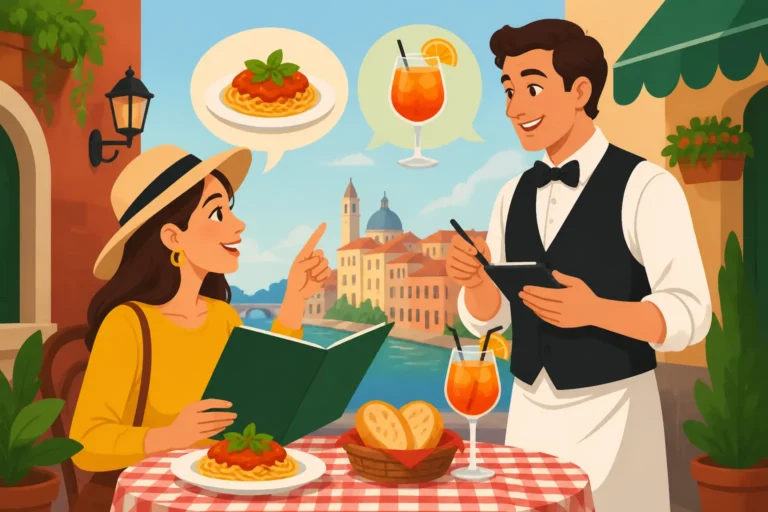
The way you approach an Italian waiter matters just as much as the language you speak. Italians value "Bella Figura"—presenting oneself well—and this includes being polite and making an effort. If you walk into a cafe and bark "Coffee!" at the barista, you might be met with a cold stare. However, if you start with a "Buongiorno" and then proceed in English, the interaction will be much smoother.
Learning How to Order Coffee in Italy Like a Local involves more than just words; it is about the ritual. In most bars, you pay first at the cash register (la cassa) and then take your receipt to the counter. If you are in a tourist area, the person at the register will likely speak English and can guide you through the process. In more local spots, just watch what the person in front of you does. The hospitality industry is built on "accoglienza" (hospitality), and even if the waiter's English is limited to "Hello" and "Check," they will usually try their best to make sure you are fed and happy.
Be aware of the "Coperto" or cover charge, which is standard in most restaurants and is not a tip. You don't need to ask about this in English; it will be listed on the menu. Also, remember that the bill (il conto) will never be brought to your table automatically. You must ask for it. A simple "Il conto, per favore" is all you need, and even if they speak perfect English, they will appreciate the effort.
Transportation and Getting Around
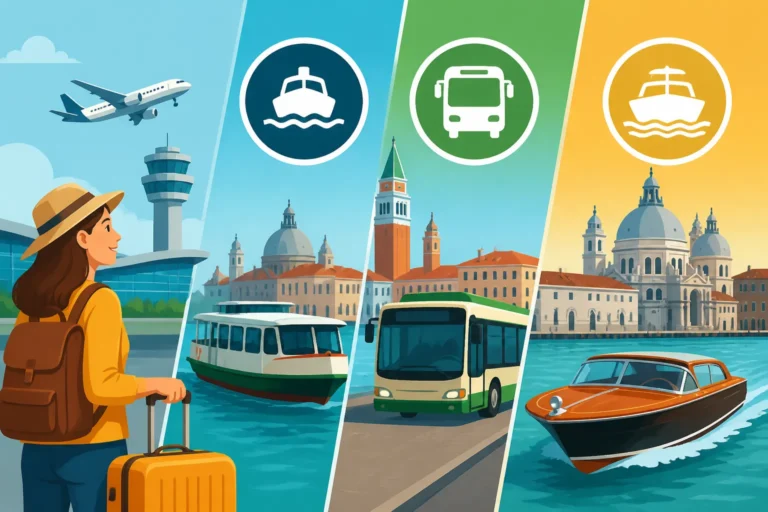
Navigating Italy's transport system is one of the biggest stresses for new arrivals. As mentioned, the major hubs are quite easy. If you use Omio to plan your route from Rome to Venice, you can manage the entire process in English. The digital boards at the stations are also fairly intuitive, using universal symbols. However, the announcements for platform changes (binario) can be fast and confusing.
In cities with metro systems, like Rome and Milan, the ticket machines have an English language option. In contrast, buses and trams can be a linguistic minefield. You often have to buy tickets at a "Tabacchi" (tobacco shop marked with a large 'T' sign) before boarding. The elderly gentleman running the Tabacchi in a quiet neighborhood in Genoa is unlikely to speak English. In this case, simply holding up your fingers for the number of tickets you want and saying "Biglietti per l'autobus" will get the job done.
If you are traveling by air, the major airports are fully bilingual. However, if you are using smaller regional airports for budget flights, the level of English among ground staff can vary. Always have your boarding passes and booking confirmations downloaded on your phone to minimize the need for verbal explanations.
Healthcare and Emergencies
This is the one area where you should not leave communication to chance. If you have a pre-existing condition or an allergy, have it written down in Italian on a card that you carry in your wallet. While many doctors in Italy speak English—as medical textbooks are often in English—the administrative staff at a public hospital (Pronto Soccorso) may not.
If you need a specialist, searching for private clinics in major cities is your best bet for finding someone who can discuss your health in detail in English. For minor issues, the "Guardia Medica" (after-hours medical service) is available, but you may need a local to help you make the initial phone call. Understanding Italian Social Customs: Greetings, Gestures, and Personal Space is also helpful in a medical setting, as the way you interact with a doctor in Italy is often more formal than in the US or UK.
Practical Strategies for Communication Success
The key to a successful trip to Italy isn't necessarily fluency; it's a combination of preparation, technology, and a good attitude. Italians are generally very patient people who appreciate when someone loves their country enough to visit. They don't expect you to speak perfect Italian, but they do expect you to be a "civilized" guest.
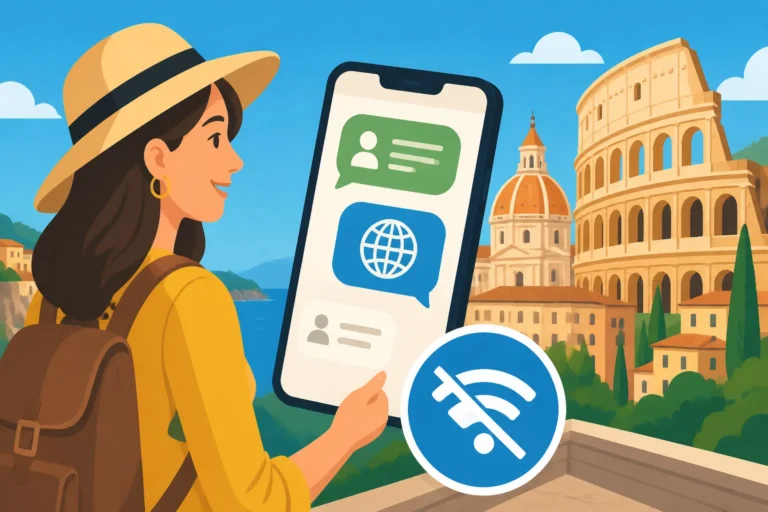
One of the best things you can do is download an offline translation app. Google Translate has an "eye" feature where you can point your camera at a sign or a menu, and it will overlay the translation in real-time. This is a lifesaver in a grocery store or a train station. Additionally, use platforms like GetYourGuide to find activities where the language barrier is removed, allowing you to focus on the experience rather than the logistics.
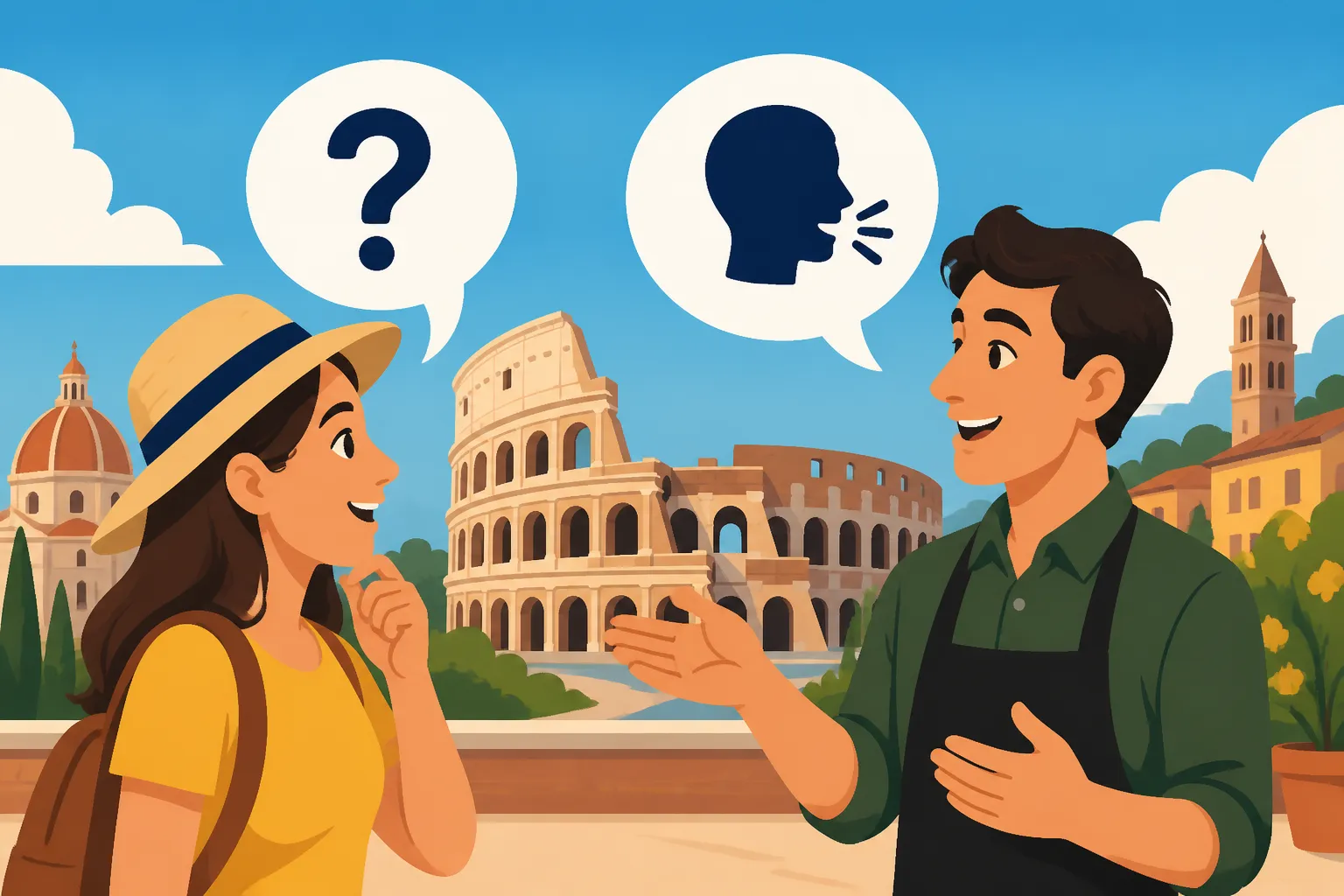
Finally, remember that much of Italian communication is non-verbal. A lot can be said with a shrug, a smile, or a specific hand gesture. If you are stuck, stay calm. Use short sentences in English, avoid slang, and speak clearly but not loudly. Increasing your volume doesn't make the other person understand English any better; it just makes you look like a "brutto Americano" (or Englishman).
The Power of "Survival Italian"
Even in the most touristy areas, lead with Italian and follow with English. This simple shift in strategy changes the power dynamic of the conversation. Instead of demanding that the local speak your language, you are asking for their help after showing a token of respect for theirs. Start every interaction with "Buongiorno" (Good morning) or "Buonasera" (Good evening) and always use "Per favore" (Please) and "Grazie" (Thank you).
If you are unsure if someone speaks English, the polite way to ask is "Parla inglese?" (Do you speak English?). If they say "Un poco" (A little), keep your English very simple. Avoid complex sentence structures or idioms. Instead of saying, "Would you happen to know if there's a bathroom anywhere in this vicinity?" try "Toilette, per favore?". It might feel blunt, but it is much more effective.
Using Survival Italian for Travelers: Key Phrases to Learn First will give you a solid foundation. You don't need to know how to conjugate verbs; you just need a handful of nouns and polite requests. This effort is almost always rewarded with a much warmer level of service and perhaps even a free limoncello at the end of your meal.
Leveraging Technology and Tools
There is no reason to be truly lost in Italy. Your smartphone is your most powerful linguistic tool. Beyond translation apps, use navigation tools to avoid having to ask for directions. If you are staying at a place found through Booking.com, use the app's messaging feature to ask the host questions in advance; many of these apps have built-in translation features that allow you to communicate seamlessly.
For transportation, Omio is essential because it consolidates different modes of transport in one English-language interface. No more squinting at a paper schedule in a train station in Terni trying to figure out if "Feriale" means it runs on Sundays (it doesn't). Having your itinerary in English on your phone reduces the cognitive load of travel, leaving you more energy to deal with the inevitable small linguistic hurdles that will crop up.
Also, consider getting a local eSIM or a roaming plan with good data. Being able to look up a word or a location on the fly is the difference between a minor hiccup and a major stressful event. Most cafes and hotels have Wi-Fi, but you don't want to be hunting for a signal when you are trying to explain to a taxi driver where you need to go.
Cultural Etiquette and the "Bella Figura"
The final piece of the puzzle is understanding the cultural context. Italy is a country where relationships and first impressions matter. This is the essence of "Bella Figura." If you dress decently and act with "educazione" (politeness), people will go to the ends of the earth to help you, even if they don't speak a word of English.
This includes respecting local customs, such as covering your shoulders in churches or not ordering a cappuccino after 11:00 AM. While the person at the counter probably won't lecture you in English about your coffee choices, they will certainly mark you as a tourist who hasn't done their homework. On the other hand, if you follow the local lead, you’ll find that the "language barrier" starts to melt away as people become more open and friendly.
In the end, do people speak English in Italy's tourist areas? Yes, they do. But the most memorable parts of your trip will likely happen in those moments where English fails, and you have to rely on a mix of bad Italian, expressive gestures, and the universal language of a shared smile over a glass of wine.
Disclaimer
This guide is intended for informational purposes only. Language proficiency levels in Italy can change based on regional shifts, seasonal staffing, and individual experiences. While every effort has been made to provide accurate and hyper-local advice, the author and the website do not guarantee that English will be spoken in any specific location or by any specific service provider. Always have a backup plan, such as a translation app, when traveling.