Emilia-Romagna: Italy’s Food Heartland
Let's be honest, when you first think of Italian food, your mind probably jumps to Neapolitan pizza, Roman cacio e pepe, or maybe a classic Tuscan steak. And don't get me wrong, those are glorious! But I've been here long enough to tell you a secret that truly discerning food lovers discover: the real, undisputed heartland of Italian gastronomy isn't just one city, it's an entire region. Emilia-Romagna, often overlooked by the grand tour crowd, is where some of the world's most iconic and deeply revered foods were born. If you've ever found yourself overwhelmed by the sheer volume of "Italian" dishes, wondering where the true origins lie, this guide is your culinary compass. We're going to dive deep into what makes this region an absolute paradise for your taste buds, helping you plan a trip that’s less about checking off monuments and more about savoring every single bite.
Welcome to Emilia-Romagna: The Belly of Italy
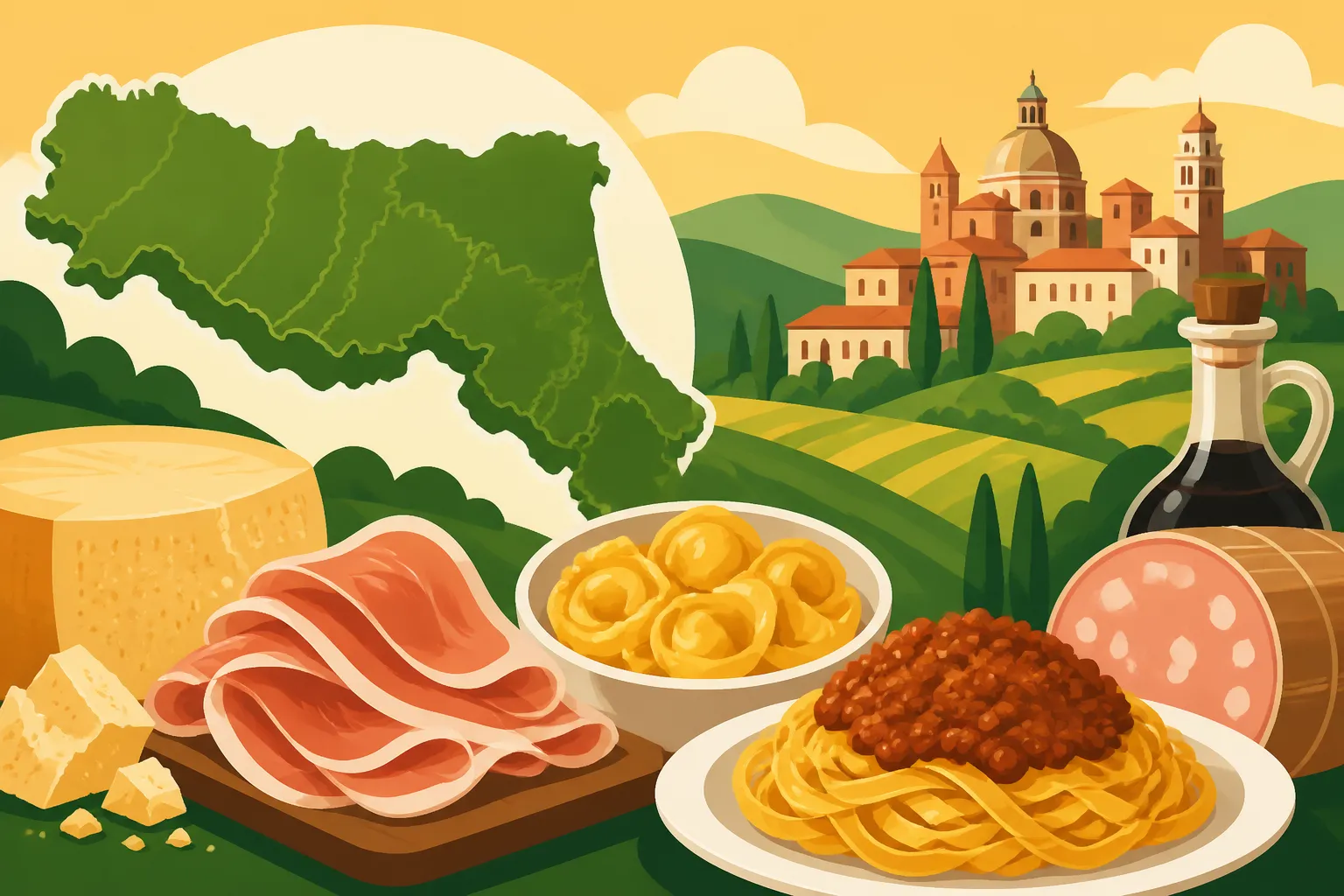
Nestled between the river Po to the north, the Apennine Mountains to the south, and the Adriatic Sea to the east, Emilia-Romagna is a land of fertile plains, rolling hills, and a coastline that beckons with sun-drenched beaches. But it's not just the diverse landscape that makes this region special; it’s the profound connection between the land, its people, and their age-old culinary traditions. This isn't just a place where good food happens; it's a place where food is woven into the very fabric of daily life, history, and identity.
Disclosure: This post may contain affiliate links. We may earn a commission at no extra cost to you if you make a purchase through these links. Read full disclosure.
Geographical Charm and Cultural Significance
The region itself is a fascinating tapestry of distinct provinces, each with its own proud heritage and unique contributions to Italian culture and cuisine. You have the bustling university city of Bologna, often hailed as Italy's gastronomic capital, alongside the elegant ducal city of Parma, synonymous with world-famous hams and cheeses. Then there's Modena, home to both high-speed luxury cars and the delicate artistry of traditional balsamic vinegar. Ferrara with its Renaissance charm, Ravenna with its Byzantine mosaics, and Rimini, a lively Adriatic resort town, all add layers to Emilia-Romagna's diverse personality.
What many expats and tourists don't realize until they spend time here is that Italy isn't a monolith, and Emilia-Romagna truly embodies this regional richness. It's a land shaped by ancient Roman roads (the Via Emilia, from which part of the region gets its name), medieval duchies, and vibrant Renaissance courts, all of which left an indelible mark on its architecture, art, and most importantly, its kitchen. The deep connection to the land—the rich soil, the specific climate—has always been central to its identity. This isn't a place that imports its culinary magic; it grows it, raises it, cures it, and crafts it right here.
Why "Food Heartland"? A Culinary Legacy
So, why is it truly the "Food Heartland"? The answer lies in an extraordinary concentration of Protected Designation of Origin (DOP) and Protected Geographical Indication (IGP) products. These are not just fancy labels; they are rigorous certifications that ensure a product is genuinely from its stated region and produced according to strict, traditional methods. Emilia-Romagna boasts more of these certified products than any other region in Italy, a testament to its unparalleled culinary heritage.
Think about it: many of the Italian ingredients you adore, the ones that elevate a simple meal into something extraordinary, trace their lineage directly back to this region. We're talking about the world's most famous aged cheese, the delicate cured meats, the rich egg pastas, and a vinegar so complex it’s often referred to as "black gold." The gastronomic tradition here isn't a modern invention; it's an unbroken chain stretching back centuries, passed down through generations of nonnas and artisanal producers. When you eat in Emilia-Romagna, you're not just tasting food; you're tasting history, passion, and an unwavering commitment to quality that is truly inspiring. It's a place where every meal feels like a celebration of centuries of delicious dedication.
Iconic Culinary Delights You Must Experience
Prepare your palate, because Emilia-Romagna is a veritable treasure chest of gastronomic wonders. These aren't just ingredients; they're culinary institutions, each with a story as rich as its flavor.
The Kings of Cured Meats: Prosciutto di Parma and Mortadella
Let's start with the cured meats, or salumi, for which Emilia-Romagna is justly famous. The undisputed king is, of course, Prosciutto di Parma DOP. Forget the generic "prosciutto" you might find elsewhere; true Prosciutto di Parma is a symphony of delicate sweetness, melt-in-your-mouth texture, and a subtle nutty finish, thanks to its minimum 12-month aging process and the specific diet of the pigs (often including whey from Parmigiano Reggiano production). It’s produced without any additives or preservatives, relying solely on salt, air, and time. When you slice it thin, almost transparent, and pair it with a fresh melon or a piece of local bread, it’s an experience that truly transports you.
Then there’s Mortadella di Bologna IGP, a far cry from the processed "baloney" it’s sometimes wrongly associated with. Authentic Mortadella is a silken, pale pink sausage studded with cubes of pork fat, often pistachios, and spices. It's delicately flavored, aromatic, and incredibly versatile. Slice it thick for a hearty sandwich, or ultra-thin to appreciate its luxurious texture. Finding a good salumeria (deli) in Bologna and asking for freshly sliced mortadella is a small pleasure that yields immense satisfaction.
The Golden Noodle: Pasta Perfection from Bologna to Modena
If there's one thing that unites Emilia-Romagna, it's the passion for fresh egg pasta. Bologna, often called La Grassa (The Fat One), is particularly famous for its pasta traditions. Imagine vibrant yellow sheets of pasta, rolled paper-thin, transforming into delicate shapes designed to cradle rich sauces.
Tortellini, tiny pasta "navels," are perhaps the most iconic. Legend says their shape was inspired by Venus's belly button. They are traditionally served in brodo (in a rich capon broth), a dish of pure comfort and sophistication, especially around the holidays. The filling is typically a mix of pork loin, prosciutto, Parmigiano Reggiano, and nutmeg. It's a labor of love to make them by hand, and tasting them in Bologna is an absolute must.
Then there are Tagliatelle al Ragù. Please, let's clear this up: there is no "spaghetti bolognese" in Italy, at least not as most of the world knows it. In Bologna, it's tagliatelle al ragù, a hearty, slow-cooked meat sauce, often including beef, pork, pancetta, and a touch of milk, served with broad, flat tagliatelle noodles designed to perfectly capture every drop of that rich sauce. The wider surface area of the tagliatelle simply holds the ragù better than thin spaghetti. And of course, we can't forget Lasagne alla Bolognese, with its layers of fresh egg pasta, rich ragù, creamy béchamel sauce, and plenty of Parmigiano Reggiano. Each bite is pure decadence. If you're looking to delve deeper into Italian food culture, understanding these regional pasta variations is key.
Liquid Gold: Parmigiano Reggiano and Balsamic Vinegar
These two products are simply non-negotiable when discussing Emilia-Romagna's food prowess.
Parmigiano Reggiano DOP is not just cheese; it’s a way of life. Produced in the provinces of Parma, Reggio Emilia, Modena, Bologna (west of the Reno River), and Mantua (south of the Po River), this "King of Cheeses" is a hard, granular cheese aged for a minimum of 12 months, though often much longer (24, 36, or even 48+ months). Its production adheres to stringent rules, ensuring quality and authenticity. The flavor profile changes with age, from milky and grassy to intensely nutty and crystalline. A visit to a caseificio (cheese factory) to see the entire process, from milk to wheel, is truly fascinating. You'll see massive copper vats, the cheese masters at work, and the silent, towering shelves of aging wheels. There’s nothing quite like cracking open a fresh piece of Parmigiano Reggiano and savoring its complex flavors.
And then there's Aceto Balsamico Tradizionale di Modena DOP and Aceto Balsamico Tradizionale di Reggio Emilia DOP. Forget the mass-produced balsamic vinegar you find in most supermarkets. Traditional balsamic is a deeply complex, syrupy condiment, aged for a minimum of 12 years (Affinato) or 25 years (Extra Vecchio) in a series of different wood barrels. It's made from cooked grape must, not wine vinegar, and undergoes a slow, natural fermentation and concentration process. It's not for salad dressing; it's for drizzling over Parmigiano Reggiano, strawberries, vanilla ice cream, or even just sipping from a spoon. The flavor is an incredible balance of sweet, sour, and umami, with notes of wood and fruit. Visiting an acetaia (balsamic vinegar producer) is an enlightening experience, revealing the patience and artistry behind this liquid treasure.
Street Food and Sweet Treats: Piadina, Tigelle, and More
Beyond the grand institutions, Emilia-Romagna offers delightful everyday eats and treats. The Piadina Romagnola IGP is a must-try. This thin, unleavened flatbread, cooked on a terracotta disk or griddle, is the quintessential street food of the Romagna coast. It’s typically folded and filled with prosciutto, squacquerone (a soft, creamy fresh cheese), and arugula, or with various other cured meats, cheeses, and vegetables. It's simple, satisfying, and utterly delicious, perfect for a quick lunch.
Another regional specialty, particularly from the Modena and Bologna areas, are Tigelle (also called Crescentine). These small, round, thin bread discs are traditionally cooked on a hot tigelliera (a special cast-iron press) and served warm, often split open and filled with cunza (a spread made of lard, garlic, and rosemary), cured meats, or soft cheeses. They are the perfect accompaniment to a platter of local salumi and cheeses. For those with a sweet tooth, keep an eye out for desserts made with local fruit, chestnuts, or regional pastries, often enjoyed with a glass of Lambrusco.
A Food Lover's Itinerary: Cities to Savour
Emilia-Romagna is best explored city by city, each offering its own unique flavor profile and attractions. Planning your journey to hit these culinary hotspots is key.
Bologna: La Grassa, The Fat One
Bologna truly lives up to its nickname, La Grassa – "The Fat One." It's a city that breathes and eats food. Here, the red brick architecture, the portico-lined streets, and the vibrant university atmosphere are almost secondary to the incredible culinary scene.
Your first stop should be the Quadrilatero, Bologna's ancient market district, just off Piazza Maggiore. This labyrinth of narrow streets is home to historic botteghe (shops) selling fresh pasta, artisanal cheeses, cured meats, fresh produce, and local wines. It's a sensory overload in the best possible way: the aroma of baking bread, the sight of vibrant vegetables, the chatter of vendors and shoppers. Pop into a pasta fresca shop like La Sfoglia or Le Sfogline to watch sfogline (pasta makers) expertly roll out sheets of pasta by hand. It's mesmerizing.
For dining, Bologna offers everything from casual osterie to elegant trattorie. Seek out places that specialize in traditional Bolognese cuisine. A plate of tortellini in brodo or tagliatelle al ragù at a classic spot like Trattoria dal Biassanot or a cozy osteria is a non-negotiable experience. Don't forget to explore the city's mercato delle erbe (herb market) for fresh produce, or even consider a cooking class to learn the secrets of Bolognese pasta making firsthand. GetYourGuide can be a great resource for finding highly-rated cooking classes or food tours that really dive into the local traditions.
Parma: Prosciutto, Parmigiano, and Palaces
Further west, Parma is another culinary titan, perhaps best known as the birthplace of two of Italy's most famous exports: Prosciutto di Parma and Parmigiano Reggiano. But Parma is also an elegant city, rich in art and culture, with beautiful palaces and a charming historic center.
A highlight of any visit here is a Parmigiano Reggiano factory tour. You'll need to book in advance and typically go early in the morning to see the cheese-making process in action, culminating in a tasting of various aged cheeses. Similarly, a Prosciutto di Parma production facility tour is equally enlightening. Learning about the strict DOP regulations and the natural curing process will give you a new appreciation for these products. Many tours combine both, offering a full immersion into Parma's gastronomic heritage.
In the city center, explore the Duomo and its Baptistery, marvel at the Teatro Farnese, and wander through the Parco Ducale. For lunch or dinner, look for osterie that feature local specialties, often served with a glass of sparkling Lambrusco. Parma's cuisine is generally richer than Bologna's, with a strong emphasis on pork and dairy. Don't miss tortelli d'erbetta (pasta filled with ricotta and Swiss chard) or culatello di Zibello, another highly prized cured ham.
Modena: Balsamic, Ferrari, and High-End Dining
Modena is a city of intriguing contrasts. It's globally recognized for its luxury automotive industry (Ferrari, Lamborghini, Maserati) but equally celebrated for its artisanal products, most notably Traditional Balsamic Vinegar.
The primary pilgrimage here is to an acetaia to witness the ancient art of Traditional Balsamic Vinegar production. Tours explain the slow reduction of grape must, the aging process through a series of wooden barrels (the batteria), and the exquisite flavors of the aged product. Tasting both Affinato and Extra Vecchio side-by-side is an eye-opening experience that reveals the incredible depth of this condiment.
Modena's culinary scene also boasts some of Italy's most innovative and Michelin-starred dining, largely thanks to chef Massimo Bottura and his world-renowned restaurant, Osteria Francescana. While a table there might be out of reach for most, Bottura's influence has inspired a vibrant high-end dining scene. But don't worry, there are plenty of traditional Modenese trattorias where you can enjoy local specialties like tortelloni di zucca (pasta filled with pumpkin) and cotechino (a large pork sausage) with lentils. Also, make sure to try gnocco fritto, a light, puffy fried bread, perfect for scooping up local salumi.
Other Culinary Gems: Ferrara, Reggio Emilia, and Rimini
While Bologna, Parma, and Modena are the big three for food tourism, other cities in Emilia-Romagna offer their own unique culinary experiences and cultural charm.
Ferrara, a UNESCO World Heritage site, is a city of Renaissance splendor. Its culinary specialties reflect its history, with dishes like cappellacci di zucca (large pumpkin-filled pasta, often with a sage and butter sauce) and salama da sugo (a complex, cured sausage). Ferrara's medieval streets and impressive Castello Estense provide a beautiful backdrop to your gastronomic adventures.
Reggio Emilia, often overshadowed by its neighbors, is actually where the "Reggiano" in Parmigiano Reggiano comes from. It’s a lovely city with a more relaxed pace. Here you can savor dishes like erbazzone (a savory pie with spinach, Parmigiano, and ricotta) and enjoy the local Lambrusco wines.
Rimini on the Adriatic coast is famous for its beaches and lively atmosphere, but it also has a strong food identity, particularly for seafood and, of course, the piadina romagnola. While the focus here might be more on sun and sand, don't miss the chance to try fresh grilled fish and classic piadina from a local chiosco. If you're interested in exploring beyond the major cities, platforms like Omio can help you find bus or train connections to these charming towns, often providing cheaper alternatives to driving.
Experiencing Emilia-Romagna: Tours, Tastings, and More
To truly appreciate the culinary wonders of Emilia-Romagna, you need to go beyond simply eating in restaurants. Immersing yourself in the production and culture of the food is where the magic really happens.
Factory Tours and Culinary Schools
One of the most enriching experiences in Emilia-Romagna is taking a food factory tour. These aren't just commercial ventures; they are often generational businesses where pride in tradition runs deep.
- Parmigiano Reggiano Dairies: As mentioned, these tours are typically early morning affairs, allowing you to witness the fascinating process of milk transforming into massive cheese wheels. Many caseifici offer tastings afterwards, showcasing cheeses of different ages.
- Prosciutto Curing Houses: Visiting a prosciuttificio will give you insight into the meticulous salting, resting, and curing processes that turn a humble pork leg into the world-renowned Prosciutto di Parma. The sheer scale of the aging rooms, filled with thousands of hanging hams, is impressive.
- Traditional Balsamic Vinegar Producers (Acetaie): These tours are often more intimate, showcasing the batterie of wooden barrels in attic spaces, where the vinegar slowly ages and concentrates over decades. The tastings are usually a highlight, allowing you to discern the subtle nuances between different ages and types.
Many tour operators, and even local tourism boards, can help you arrange these visits. If you prefer the convenience of booking online and having everything organized, GetYourGuide offers a range of curated food tours, from half-day excursions focusing on specific products to full-day immersive experiences that might combine a cheese factory, a prosciutto producer, and a balsamic vinegar producer, often with transport included. This can be especially helpful if you don't have a car.
Beyond tours, consider enrolling in a cooking class. Learning to make fresh egg pasta – tagliatelle, tortellini, or cappelletti – from a local sfoglina is an unforgettable experience. You'll gain hands-on skills and a deeper understanding of the regional cuisine, plus you get to eat your delicious creations! Many cities, especially Bologna, have excellent culinary schools and private chefs offering workshops.
Food Markets and Local Delis
To truly eat like a local, you must frequent the markets and salumerie.
- Bologna's Quadrilatero: This historic market area is perfect for browsing and buying. You'll find specialty shops for every imaginable food item: fresh pasta, artisan bread, regional cheeses, cured meats, and seasonal produce. It’s an ideal place to assemble an impromptu picnic or gather ingredients if you have access to a kitchen.
- Mercato Albinelli in Modena: This beautiful covered market is a vibrant hub of local life, offering an abundance of fresh produce, meat, fish, and specialty foods. It's a fantastic place to observe daily Italian life and perhaps pick up some traditional balsamic vinegar from a trusted vendor.
- Local Salumerie and Formaggerie: These delis and cheese shops are culinary temples. Don't be shy; ask for recommendations, try samples, and learn about the local products. The staff are often incredibly knowledgeable and passionate. This is where you'll find the best quality Prosciutto, Mortadella, and a vast array of other regional salumi and formaggi. You can also find incredible regional wines to pair with your purchases.
Navigating the Region: Getting Around
Emilia-Romagna is well-connected, making it relatively easy to navigate for both short and long stays.
- Trains: Italy's excellent rail network is often the best way to travel between major cities like Bologna, Parma, Modena, Ferrara, and Reggio Emilia. High-speed trains connect Bologna to the rest of Italy, while regional trains are perfect for shorter distances. For comparing train schedules and booking tickets across different operators, Omio is a fantastic tool that simplifies the process, especially if you're planning multiple stops. Check out our guide on Getting Around Italy: Trains, Buses, Flights, and Car Hire for more detailed information.
- Buses: For smaller towns or areas not directly served by trains, local and regional bus services are available. These can be a more budget-friendly option, though often slower than trains.
- Car Rental: While not strictly necessary for city-hopping, renting a car offers the most flexibility, especially if you plan to visit rural caseifici, acetaie, or charming small villages off the main train lines. Be aware of ZTLs (Limited Traffic Zones) in city centers, which can result in hefty fines if you enter without a permit. Parking can also be a challenge in historic areas.
Remember to consider where you'll be based. Bologna often serves as an excellent hub due to its central location and extensive train connections.
Planning Your Trip: Practical Advice for Expats and Tourists
Moving through a new country, even one as captivating as Italy, can have its challenges. Here's some practical advice to smooth your journey through Emilia-Romagna.
Accommodation: Where to Stay
Emilia-Romagna offers a wide range of accommodation options to suit every budget and travel style.
- Hotels and B&Bs: In major cities like Bologna, Parma, and Modena, you'll find everything from luxury hotels to charming boutique B&Bs. Staying within the historic center usually means you're within walking distance of attractions and great restaurants.
- Agriturismi: For a truly immersive rural experience, consider staying at an agriturismo (farm stay) in the countryside. Many agriturismi produce their own food (wine, cheese, cured meats, olive oil) and offer cooking classes, giving you an authentic taste of rural Emilian life. These are perfect if you're renting a car and want to explore the scenic landscapes.
- Apartments: For longer stays or if you're traveling with family or a group, renting an apartment can be a cost-effective and comfortable option, allowing you to prepare some of your own meals with fresh market ingredients.
When it comes to booking, I've always found Booking.com to be a reliable friend, offering a vast selection of accommodations across the region, from central city hotels to idyllic countryside retreats. They often have flexible cancellation policies, which is always a plus for planning. For more insights on rental agreements, you might find our guide on Italian Rental Contracts Explained: 3+2, 4+4, Transitorio useful.
Best Time to Visit and What to Pack
The best time to visit Emilia-Romagna largely depends on your priorities, but generally, spring (April-May) and autumn (September-October) offer the most pleasant weather for sightseeing and culinary tours.
- Spring: Mild temperatures, blooming landscapes, and fewer crowds make spring ideal. You can enjoy outdoor dining without the intense summer heat.
- Summer (June-August): Be prepared for hot temperatures, especially in July and August. The coastal areas (like Rimini) are bustling, but inland cities can be very warm. Many Italians head to the coast or mountains in August, and some shops or businesses might have shorter hours or close for a period (Ferragosto).
- Autumn: Similar to spring, autumn offers pleasant weather, and it's also harvest season for grapes and truffles, making it a great time for food and wine lovers.
- Winter (November-March): While cooler and sometimes rainy, winter can offer a cozy experience, especially around Christmas with festive markets. Truffle season is still going strong, and it's a perfect time for hearty, warming dishes like tortellini in brodo.
What to Pack: Layers are always a good idea. Comfortable walking shoes are essential, especially for exploring city centers and factory tours. If visiting during summer, light clothing and a hat are a must. For spring and autumn, a light jacket or sweater for evenings is advisable.
Language and Etiquette: Bridging the Cultural Gap
While Italian is the official language, and locals genuinely appreciate any effort you make, you'll find varying levels of English, especially in more tourist-heavy areas or with younger generations. Learning a few basic Italian phrases will go a long way. "Buongiorno" (good morning/day), "Buonasera" (good evening), "Grazie" (thank you), "Per favore" (please), and "Scusi" (excuse me) are always appreciated. We have a great resource on Italian Language and Everyday Communication for Visitors if you want to brush up.
Dining Etiquette: Italians take their food seriously, and there are a few unspoken rules:
- Meal Times: Lunch is typically between 12:30 PM and 2:30 PM, and dinner from 7:30 PM onwards, often later in the south. Eating much earlier might mean you're in a tourist-focused establishment.
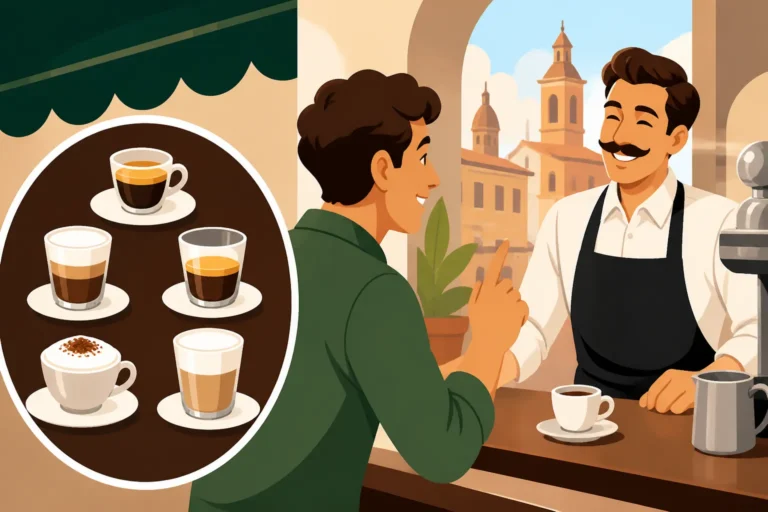
- Coffee: Cappuccinos are strictly a morning drink. After lunch, opt for an espresso.
- Tipping: Tipping isn't as prevalent as in some other countries. A coperto (cover charge) or servizio (service charge) might be added to your bill. A small additional tip for excellent service is always appreciated but not expected. You can find more details in our guide on Tipping in Italy: When, Where, and How Much.
- Dress Code: While Italians are stylish, no need for formal wear in most restaurants. Smart casual is generally fine. For churches, ensure shoulders and knees are covered.
Emilia-Romagna is a region that rewards those who come hungry and curious. It's a place where every meal is an event, every ingredient tells a story, and every city has a new flavor waiting to be discovered. So, pack your bags, loosen your belt, and get ready to experience the true food heartland of Italy!
Emilia-Romagna Culinary Highlights
| City/Region | Must-Try Foods | Iconic DOP/IGP Products | Suggested Activities |
|---|---|---|---|
| Bologna | Tortellini in Brodo, Tagliatelle al Ragù, Lasagne | Mortadella di Bologna IGP | Quadrilatero Market, Pasta-making class, Food Tours |
| Parma | Prosciutto di Parma, Culatello di Zibello, Tortelli d'Erbetta | Prosciutto di Parma, Parmigiano Reggiano | Prosciutto and Parmigiano factory tours, Local salumerie |
| Modena | Aceto Balsamico Tradizionale, Tortelloni di Zucca, Gnocco Fritto | Aceto Balsamico Tradizionale di Modena | Acetaia visit, Ferrari Museum, Mercato Albinelli |
| Ferrara | Cappellacci di Zucca, Salama da Sugo | Pampapato di Ferrara | Castello Estense, Renaissance architecture, Local trattorie |
| Reggio Emilia | Erbazzone, Cappelletti | Parmigiano Reggiano | Relaxed city exploration, Lambrusco wine tasting |
| Romagna Coast | Piadina Romagnola (with Squacquerone) | Piadina Romagnola | Beach activities, Sampling piadina from a chiosco |
This table provides a quick overview, but remember, each city offers so much more to explore! If you're pondering how to manage your finances while exploring all these delicious options, our article on Cost of Living in Italy 2026: Budgeting for Expats might offer some useful perspectives. And for the administrative tasks that come with a longer stay, don't forget to get your Codice Fiscale: Why It’s Essential for Finance in Italy.
Disclaimer
The information provided in this guide is intended for general informational purposes only and does not constitute professional advice. While we strive to ensure accuracy, regulations, prices, and availability of services in Italy can change. Always verify current information with official sources or local professionals before making travel or relocation decisions.