Intercity Buses in Italy: FlixBus and Regional Networks
Getting around Italy can feel like deciphering an ancient riddle, especially when you venture beyond the well-trodden train routes. Believe me, I've stood at my share of desolate bus stops wondering if a bus was ever going to show up, with nothing but a handwritten schedule to guide me. This guide is here to unravel the mysteries of intercity and regional buses in Italy, from the popular green coaches of FlixBus to the intricate web of local networks that can take you places trains simply can't reach.
Disclosure: This post may contain affiliate links. We may earn a commission at no extra cost to you if you make a purchase through these links. Read full disclosure.
Why Consider Intercity Buses in Italy?
When you first land in Italy, the trains often grab all the spotlight – and for good reason! They're fantastic for zipping between major cities. But if you're like me and love to dig a little deeper, buses become an invaluable part of your travel arsenal. They offer a unique blend of practicality and access that trains often can't match, particularly once you step away from the main tourist hubs.
Cost-Effectiveness for Budget Travelers
Let’s be honest, Italy can be expensive, especially if you’re traveling during peak season or want to visit popular destinations. High-speed train tickets, while convenient, can eat a significant chunk out of your travel budget. This is where intercity buses truly shine, offering a much more wallet-friendly alternative. You might find a bus ticket for a fraction of the price of a train ticket, making longer journeys, or even spontaneous trips, much more feasible.
For instance, a trip from Rome to Florence by bus can often be half the cost of a comparable train journey, especially if you book in advance. This cost saving becomes even more pronounced for those longer hauls, say from Milan down to Naples, where train tickets can soar into triple digits. It's not just about saving a few euros here and there; it’s about making your overall Italian adventure more sustainable without having to compromise on seeing incredible places. The money you save on transport can be better spent on a fantastic meal, a museum entrance, or perhaps another glass of regional wine.
Reaching Off-the-Beaten-Path Destinations
Italy is brimming with charming towns, picturesque villages, and stunning natural landscapes that aren't always connected by rail. These are the places that often steal your heart, away from the bustling crowds. Think of the hidden hamlets nestled in the hills of Umbria, the secluded beaches of Puglia, or the quaint mountain towns in the Dolomites. While a car offers ultimate freedom, not everyone wants to navigate Italy's sometimes-daunting roads or the infamous ZTLs (limited traffic zones) that can lead to unexpected fines.
Buses, both intercity and regional, are often the lifelines to these less-explored gems. They weave through winding country roads, stopping in places where no train track has ever been laid. I've personally used regional buses to explore small villages in Tuscany that would have been inaccessible otherwise, allowing me to experience a slice of authentic Italian life. These routes might require a bit more planning and patience, but the reward of discovering a quiet piazza or a family-run trattoria far from the tourist hordes is immeasurable. They unlock a whole different dimension of Italy for the curious traveler.
Flexibility and Frequency
While high-speed trains are generally quite frequent between major cities, their schedules can still be somewhat rigid, especially for those last-minute decisions. Intercity buses often offer a surprising amount of flexibility, with multiple departures throughout the day and into the night on popular routes. This allows you to tailor your travel plans more closely to your itinerary, rather than being beholden to fixed train times.
Moreover, if you miss one bus, chances are another one isn't too far behind, giving you a greater margin of error. Regional buses, especially in more populated areas, can also run with impressive frequency, connecting suburban areas to city centers and making daily commutes or short hops between neighboring towns quite convenient. This flexibility can significantly reduce travel stress, allowing for a more relaxed and adaptable journey.
Navigating the Giants: FlixBus in Italy
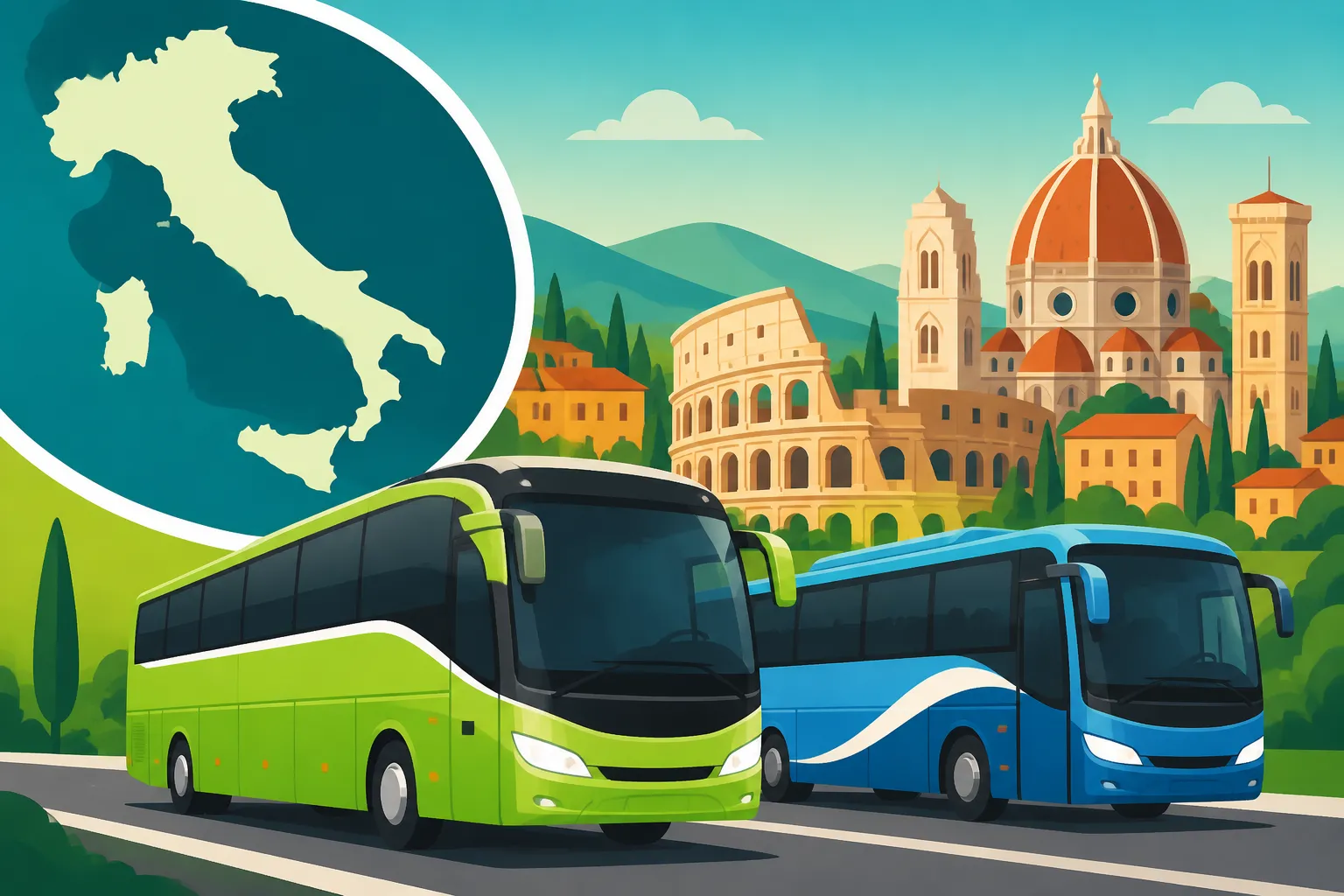
When we talk about intercity buses in Italy, one name almost immediately comes to mind: FlixBus. These distinctive green coaches have become a ubiquitous sight on European roads, and Italy is no exception. They’ve really revolutionized long-distance bus travel here, making it accessible and, dare I say, almost comfortable for many.
Booking and Route Network
FlixBus boasts an extensive network across Italy, connecting major cities like Rome, Milan, Florence, and Naples, as well as many medium-sized towns and even some regional hubs. Their online platform is incredibly user-friendly, allowing you to easily search for routes, compare prices, and book tickets in advance. I've often found myself on the FlixBus website, mapping out possible itineraries, and it's always a straightforward experience. You can also use popular aggregators like Omio to compare FlixBus options with train routes, which can be a real time-saver when planning.
Booking usually means selecting your departure and arrival points, dates, and then choosing from the available times. Prices fluctuate based on demand and how far in advance you book, so being organised can definitely net you some savings. They offer e-tickets, which you can show directly from your phone, making the check-in process at the bus stop relatively seamless. It’s always a good idea to arrive at least 15-20 minutes before departure, as the queues for boarding can sometimes be longer than anticipated, especially at larger stations.
Onboard Experience and Amenities
One of the reasons FlixBus has gained such popularity is its commitment to a decent onboard experience. Their buses are generally modern, clean, and equipped with a range of amenities designed to make your journey more pleasant. You can usually expect comfortable seating with a fair amount of legroom, which is a blessing on longer trips. I recall a journey from Bologna to Genoa where the extra space really made a difference.
Most FlixBus coaches also offer free Wi-Fi, although the signal strength can vary depending on where you are in Italy's diverse landscape. Power outlets (often USB ports) are typically available at each seat, so you can keep your devices charged, which is crucial for staying entertained or productive. There’s also usually a toilet on board, which, while not a luxury suite, is certainly a welcome convenience. Luggage allowance typically includes one carry-on bag and one piece of checked luggage, with options to add extra bags for a fee. It's worth checking the exact limits when you book to avoid any surprises at the departure point.
Dealing with Delays and Cancellations
Even the most well-oiled machines can hit a snag, and bus travel is no exception. Delays, while not an everyday occurrence, can happen due to traffic, road closures, or unforeseen technical issues. I once experienced a two-hour delay on a FlixBus from Rome to Siena because of an accident on the autostrada, which, while frustrating, was ultimately understandable given the circumstances. The key is how these situations are managed.
FlixBus usually tries to keep passengers informed via SMS updates or notifications through their app, which can be helpful if you have connectivity. In cases of significant delays or cancellations, they typically offer alternative travel arrangements or a refund. However, it's always a good idea to have a backup plan, especially if you have a tight connection or a time-sensitive appointment. Sometimes, it might involve finding a regional train route if available, or even looking into local car-sharing options. Having local numbers for taxis or a plan for accommodation if you're stranded late at night is a smart move, though rarely needed.
Exploring Regional Bus Networks: A Local's Secret Weapon
While FlixBus handles the major arteries, Italy's regional bus networks are the true capillaries, reaching into every nook and cranny of the country. These local services are often overlooked by tourists, but they are absolutely essential for truly experiencing Italy beyond the famous cities. You'll find these services operating under various names, usually linked to the specific region or province they serve.
Understanding Local Operators and Tickets
Unlike the centralized booking of FlixBus, regional bus services in Italy are typically run by a multitude of smaller, local companies. Each region, and sometimes even each province, might have its own primary operator. For example, in Tuscany, you might encounter Autolinee Toscane, while in Sicily, companies like SAIS Autolinee or Interbus dominate. This decentralization means that finding information can sometimes be a bit of an adventure, but a rewarding one.
Tickets for these regional buses are rarely bought online in advance. Instead, you'll typically purchase them at designated ticket offices (biglietteria) at bus stations, from tabaccherie (tobacco shops, marked with a "T" sign), newsstands (edicole), or sometimes directly from the bus driver, though buying from the driver might incur a small surcharge or not be possible at all, especially in larger cities. Always try to buy your ticket before boarding. It's also critical to remember to validate your ticket once you're on the bus by stamping it in one of the small machines located near the doors. Failure to validate can result in a hefty fine during a spot check, and believe me, they do happen! I learned this the hard way on a bus in Veneto once, and it wasn't a pleasant conversation.
Finding Schedules and Stops
This is where things can get a little… Italian. Unlike the clear digital displays you might be used to, regional bus schedules are often found posted on physical boards at bus stops or main bus stations. These schedules might be detailed, listing every stop and time, or they could be surprisingly sparse. The best approach is to look up the official website of the regional transport company if you know which one serves your area. For instance, if you're planning a trip around Puglia, searching for "Trasporti Pubblici Puglia" might lead you to the right operator.
Google Maps can also be a surprisingly useful tool for regional bus routes, often displaying basic schedules and stop locations. However, don't rely on it exclusively; always cross-reference with official sources if possible. Bus stops themselves can be subtle, marked by a simple sign or even just a painted line on the road. Asking locals is a time-honored tradition and often the most reliable way to confirm a stop or departure time, even with a few key Italian phrases like "Dove si trova la fermata dell'autobus per…" ("Where is the bus stop for…?"). When I needed to find a specific bus to a small town outside Lecce, a friendly shopkeeper was my saviour.
Connecting Towns and Villages
The true strength of the regional networks lies in their ability to connect smaller towns and villages that are completely bypassed by the national train lines. These routes are lifelines for local communities and offer an authentic glimpse into daily Italian life. They ferry schoolchildren, workers, and elderly residents between their homes and nearby larger centers, giving you a real sense of the local rhythm.
You might find yourself on a bus winding through vineyards, past olive groves, or hugging a dramatic coastline, experiencing views you simply wouldn't get from a train window. While the journey might be slower, it's often more scenic and gives you a greater appreciation for the diverse geography of Italy. These buses are perfect for day trips from a base city to explore the surrounding countryside, or for piecing together a multi-stop itinerary that avoids the major tourist trails. For instance, to truly explore the Cinque Terre beyond the train, buses connect the hillside villages and offer breathtaking coastal views. If you're staying longer, understanding how to register with an Italian family doctor (Medico di Base) might become relevant, and these bus networks help you reach the necessary local offices.
Booking Your Bus Ticket: Online Platforms vs. Direct Purchase
Booking your bus tickets in Italy can feel like a game of two halves: the smooth, digital world of intercity coaches and the more traditional, hands-on approach for regional services. Knowing which method to use, and when, can save you a lot of hassle and ensure your journey starts off on the right foot.
Online Aggregators and Operator Websites
For major intercity routes, especially with companies like FlixBus, online booking is king. Their websites are intuitive, offer various payment options (credit card, PayPal), and allow you to secure your seat in advance, often at a better price. Many international travelers prefer this method for its convenience and the ability to compare options in English.
Beyond individual operator sites, you'll find a host of online aggregators that can be incredibly useful. Platforms like Omio are fantastic for comparing bus, train, and even flight options all in one place. They can show you all available bus companies on a route, including FlixBus and some regional operators that have embraced online booking. Websites like Booking.com might not directly sell bus tickets, but they are invaluable for finding accommodation near major bus stations, which can be useful if you have an early departure or late arrival. Similarly, GetYourGuide often offers transfers that might utilize bus services, sometimes even with a local guide, for specific tours. These platforms streamline the planning process significantly, especially if you're juggling multiple modes of transport.
Buying Tickets at Stations and Tabaccherie
For regional buses, and sometimes even for intercity services if you prefer the old-school approach, direct purchase is the norm. The most common places to buy tickets are:
- Bus Stations (Autostazioni): Larger towns and cities will have a dedicated bus station with ticket counters. Here, you can usually buy tickets for various routes operated by the local companies. Staff might speak limited English, so having your destination written down clearly can be very helpful.
- Tabaccherie: These ubiquitous tobacco shops are much more than just places to buy cigarettes. They often serve as informal ticket agents for public transport, including local and regional buses. Look for the blue "T" sign outside. They're typically open longer hours than bus station ticket offices, making them a convenient option.
- Edicole (Newsstands): Similar to tabaccherie, many newsstands also sell bus tickets, especially in smaller towns.
- On the Bus: As mentioned, you might be able to buy a ticket directly from the driver, but it’s not guaranteed and sometimes more expensive. Always assume you need a ticket before you board, especially for urban routes.
Remember that paper tickets for regional services must be validated immediately upon boarding by inserting them into the small stamping machines. This critical step prevents fines and ensures your ticket is considered active for your journey.
Understanding Ticket Types and Validations
Italian bus tickets, particularly for regional networks, come with their own quirks. For urban and short-distance regional routes, tickets are often valid for a certain duration (e.g., 90 minutes, 120 minutes) rather than a single journey between two specific stops. This means you can often transfer between buses within that time frame using the same validated ticket. However, always check the specific rules for the ticket you purchase, as they can vary by city and region.
Longer-distance intercity tickets, whether from FlixBus or regional operators, are usually for a specific route and time. For these, validation isn't typically required beyond the initial check by the driver, as your ticket will have a date and time stamp or QR code. The critical takeaway here is to always understand what kind of ticket you have and whether it needs to be stamped. When in doubt, ask a local, or look for the green validation machines on board. It’s a small detail that can save you a big headache (and fine!).
Here's a quick comparison of the two main bus types:
| Feature | FlixBus (Intercity) | Regional Bus Network (Local/Provincial) |
|---|---|---|
| Booking | Online (website, app, aggregators like Omio) | Tabaccherie, newsstands, bus station ticket offices, sometimes driver |
| Route Coverage | Major cities, popular tourist destinations, some larger towns | Smaller towns, villages, local routes, connections within a region |
| Comfort | Generally modern, good legroom, Wi-Fi, power outlets, WC | Varies widely, older models, basic seating, fewer amenities |
| Frequency | Good frequency on popular routes, multiple daily departures | Varies, can be frequent in urban areas, less so in rural spots |
| Ticket Price | Often budget-friendly, dynamic pricing, cheaper in advance | Fixed prices, generally very cheap for short distances |
| Validation | Not typically required (e-ticket/scanned) | Mandatory validation on board the bus |
| Information | Easy online access, app updates | Physical schedules at stops, local company websites, asking locals |
Practical Tips for a Smooth Bus Journey
Taking the bus in Italy can be a wonderfully authentic way to travel, but a few insider tips can make your journey even smoother. From managing your belongings to understanding local customs, being prepared can turn a potentially stressful experience into a pleasant adventure.
Luggage, Comfort, and What to Pack
When it comes to luggage, intercity services like FlixBus generally have clearer guidelines, usually allowing one carry-on and one larger checked bag. For regional buses, storage space can be more limited. On city buses or shorter regional hops, you might be expected to keep your luggage with you, either on your lap or in designated areas if available. Try to travel light, especially if you plan on using regional services frequently. A good travel backpack often fares better than a large suitcase on crowded buses.
For comfort, dress in layers. Bus interiors can sometimes be overheated or, conversely, have blast-furnace air conditioning, depending on the season and the driver's preference. A neck pillow, some noise-canceling headphones, and a good book or downloaded entertainment are your best friends on longer journeys. Don't forget snacks and water, as rest stops are less frequent than on trains, and onboard sales are rare. When I travel, a bottle of water and a few Taralli (a kind of savory Italian cracker) are always in my bag.
Safety and Awareness on Italian Buses
Generally speaking, bus travel in Italy is safe, but like anywhere, a little common sense goes a long way. Pickpocketing can be an issue, especially on crowded city buses or at busy bus stations. Keep your valuables secure and out of sight, and be aware of your surroundings, particularly when boarding or alighting. Don't leave bags unattended, even for a moment.
On regional routes, buses can sometimes be quite full, especially during rush hour or on market days. Be prepared to stand if necessary, and offer your seat to elderly passengers or pregnant women – it's a sign of respect that is much appreciated in Italy. If you're traveling late at night, especially to an unfamiliar area, try to have your arrival logistics sorted out beforehand, such as a pre-booked taxi or clear walking directions to your accommodation. Familiarizing yourself with general tips on staying safe in Italy can also be very helpful.
Reading Italian Bus Schedules and Signage
This is where the local experience really kicks in! Italian bus schedules, particularly the printed ones at stops, can sometimes be a bit cryptic. Key terms to look out for include:
- Feriale: Weekdays (Monday to Friday).
- Sabato: Saturday.
- Festivo: Sundays and public holidays. Services are often reduced or non-existent on these days.
- Partenza: Departure.
- Arrivo: Arrival.
- Direzione: Direction (the final destination of the route).
Times are usually in 24-hour format. Sometimes, footnotes indicate specific routes or variations (e.g., "Non circola il 15 agosto" – Does not run on August 15th). The most important thing is to match the bus number and the direzione (destination shown on the bus itself) with your desired route. Don't just hop on a bus going in what you think is the right direction; always check the number and destination displayed on the front of the bus. Knowing a few basic Italian phrases for asking for directions can make all the difference, as discussed in Survival Italian for Travelers: Key Phrases to Learn First.
Comparing Buses to Other Transport Options
Choosing the right mode of transport in Italy depends heavily on your itinerary, budget, and personal preferences. While buses offer unique advantages, it’s worth considering how they stack up against trains and even renting your own car. Each option has its own set of pros and cons, and often, a combination of methods proves to be the most efficient.
Bus vs. Train: When to Choose Which
The train is undeniably the king for speed and comfort when traveling between Italy's major cities. High-speed services like Trenitalia's Frecce or Italo trains whisk you from Rome to Milan in just a few hours, offering smooth rides and often central station arrivals. If your itinerary focuses on capital-to-capital journeys or prominent hubs like Florence, Venice, or Naples, trains are usually your best bet. Booking in advance can yield good prices, but generally, trains are more expensive than buses. For more detailed information, check out High-Speed Trains in Italy: Trenitalia, Italo, Routes, and Savings.
Buses, on the other hand, excel in cost savings and accessibility to smaller towns. If budget is a primary concern, or if you're venturing into areas not served by rail (which is quite common in regions like Puglia, Basilicata, or inland Sicily), the bus becomes indispensable. They are also a good option for night travel on longer routes, saving you a night's accommodation cost, although sleeping on a bus isn't for everyone! The journey will almost always be slower than by train due to road conditions and more frequent stops. However, they can also connect directly to airports or specific tourist attractions that trains might miss, making them a point-to-point solution in some scenarios.
Bus vs. Car: Freedom vs. Convenience
Renting a car in Italy offers unparalleled freedom. You can set your own schedule, stop wherever you please, and access the most remote corners of the country. This is particularly appealing for exploring scenic routes, like those through Tuscany or the Dolomites, where the journey itself is part of the experience. However, driving in Italy comes with its own set of challenges: navigating narrow historic centers with ZTLs, finding (and paying for) parking, and dealing with unfamiliar road rules. Fuel costs, tolls, and rental fees can also add up quickly. If you're considering this, understanding Renting a Car in Italy: ZTLs, Insurance, and Driving Tips is crucial.
Buses provide a convenient alternative if you prefer to avoid the stress and expense of driving. You don't have to worry about directions, parking, or ZTL fines. You can simply sit back, relax, and enjoy the scenery. While less flexible than a private car, buses can get you surprisingly close to many attractions and offer a very relaxed way to travel. For those who want to explore without a vehicle but still retain a good degree of independence, a combination of regional trains and local buses often provides the best balance. For example, you might take a train to a regional hub and then use a bus to explore the surrounding towns. Ultimately, the choice between bus, train, or car depends on your travel style and how deeply you wish to explore Italy's diverse landscape.
Disclaimer
The information provided in this guide is intended for general informational purposes only. While every effort has been made to ensure accuracy and up-to-date details, public transportation schedules, routes, prices, and regulations in Italy can change frequently. It is always recommended to verify specific details with official operators or local authorities before making travel plans. We are not responsible for any inconveniences or damages incurred as a result of relying on this information.