UK Nationals in Italy After Brexit: Residency Basics
Navigating Italian bureaucracy used to be a minor annoyance for British citizens, but since Brexit, that "minor annoyance" has transformed into a complex maze of visas and residence permits. I remember the sinking feeling of realizing my maroon passport no longer granted me a simple path to la dolce vita. This guide breaks down the essential residency steps for UK nationals currently facing the Italian administrative machine.
Disclosure: This post may contain affiliate links. We may earn a commission at no extra cost to you if you make a purchase through these links. Read full disclosure.
The Post-Brexit Landscape: Two Very Different Paths
The most critical thing to understand about living in Italy as a Brit is that you now fall into one of two categories: those who were here before December 31, 2020, and those who arrived later. If you were already a resident before the transition period ended, your rights are protected by the Withdrawal Agreement. If you are planning a move today, you are considered a "third-country national," putting you in the same boat as Americans, Canadians, and Australians.
The Withdrawal Agreement and the Electronic Document
For those who were already living in Italy pre-2021, the Italian government introduced a specific electronic residency card often called the "Carta di Soggiorno Elettronica." While your old paper "Attestazione di Soggiorno Permanent" might still technically be valid in some contexts, the electronic card is the gold standard for proving your rights under the Withdrawal Agreement. It simplifies everything from crossing the border to renewing your Italian Health Card (Tessera Sanitaria): Uses and How to Get One.
I cannot stress enough how much easier your life becomes once you have this card in hand. It acts as a permanent shield against the newer, more restrictive immigration rules. If you have been living in Italy for more than five years, you are entitled to the permanent version, which is valid for ten years. If you have been here for less than five years, you get the five-year version.
The Reality for New Arrivals from the UK
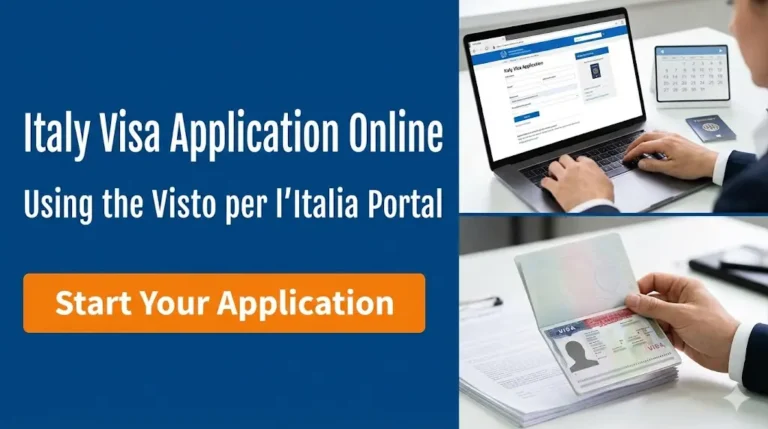
If you are just starting your journey from London or Manchester to Rome or Florence, you are facing a much steeper climb. You can no longer simply show up, find an apartment, and register at the local town hall. You must now secure a long-stay visa before you even leave the UK. This is a fundamental shift that requires months of planning, financial proof, and a significant amount of patience.
Most UK nationals now look toward the Elective Residence Visa in Italy: The Retirement Visa Guide if they are retiring, or various work-related visas if they intend to be employed. The administrative "wall" is real, and the first step is always an appointment at the Italian Consulate in London, Manchester, or Edinburgh. You will need to prove you have the means to support yourself without becoming a burden on the Italian state.
Navigating the Long-Stay Visa Requirements
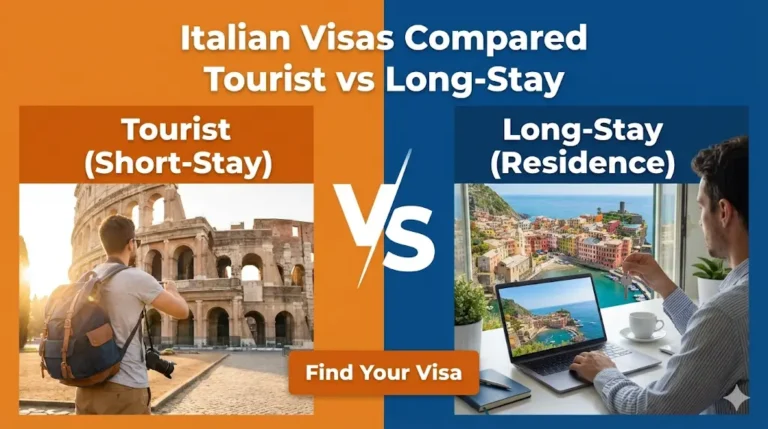
Since you are no longer an EU citizen, your stay is limited by the 90/180-day rule unless you have a formal visa. This means you can spend 90 days out of any 180 days in the Schengen Area as a tourist, but you cannot work, and you certainly cannot stay indefinitely. To break past that 90-day limit, you need a Visto (visa) stamped in your passport.
Choosing the Right Visa Category
The visa you choose dictates your entire life in Italy. The "Visto per Lavoro Subordinato" is for those with an Italian job offer, but these are subject to quotas. Many Brits are now exploring the Italy Digital Nomad Visa: Eligibility and Application which has become a lifeline for remote workers. It allows you to live in Italy while working for a company back in the UK or elsewhere, provided you meet the income and insurance thresholds.
Another popular, though difficult, route is the Self-Employment Visas for Italy (Lavoro Autonomo). This is notoriously hard to get because it requires a "Nulla Osta" (a declaration of no impediment) from the local authorities in Italy. Regardless of the path, you will need to provide a mountain of documentation, including proof of accommodation and a clean criminal record.
Document Preparation and Translations
This is where many expats stumble. Every British document you submit—birth certificates, marriage licenses, bank statements—must be legalized with an Apostille and translated into Italian. In my experience, using professional services like RushTranslate or Translayte is non-negotiable here. Italian officials are famously picky about the quality of translations, and a DIY job or a "friend who knows Italian" won't cut it at the Consulate or the Questura.
When you are preparing your folder, keep three copies of everything. The Italian system still loves paper, and you will find yourself handing over photocopies at every stage. Ensuring your translations are handled by reputable firms like Translayte ensures that the terminology matches the specific legal requirements of the Italian Ministry of the Interior.
After Arrival: The Permesso di Soggiorno and Residenza
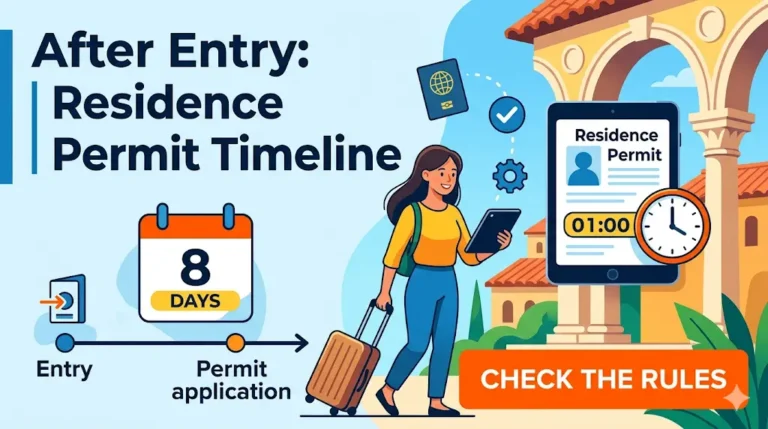
Getting the visa is only half the battle. Once you arrive in Italy with that shiny sticker in your passport, the real work begins. Within eight days of arrival, you must apply for your "Permesso di Soggiorno" (Permission to Stay). This is the document that actually grants you legal residency status within the country.
The Postal Kit and the Questura Appointment
The process starts at a post office with an "Amico" desk. You ask for a "Giallo" (yellow) kit, fill out the forms, and pay the fees. You will receive a receipt (the "ricevuta"), which is arguably the most important piece of paper you will ever own. This receipt proves you are legally in the country while you wait months—sometimes up to a year—for your fingerprinting appointment at the Questura (police headquarters).
I remember waiting at the Questura in a crowded room, clutching my documents like they were made of gold. It’s a test of endurance. You’ll need to show your health insurance—brands like Cigna Global are often preferred by expats because their policies explicitly meet the high coverage limits required for the permit. Once you finally get your plastic card, you can then move on to the next major step: Registering Residency in Italy (Residenza and Anagrafe).
Dealing with the Comune for Residenza
Once you have your Permesso or your application receipt, you must go to the "Anagrafe" office of your local Comune (town hall) to register your "residenza." This is different from just having a permit to stay; this is telling the government exactly where you live. It is the key to getting a lower rate on your electricity bills, buying a car, and eventually signing up for the national health service.
The Comune will send a "Vigile" (local police officer) to your home within 45 days to verify that you actually live there. They won't call ahead; they just show up. If you aren't there, they might leave a note, but if they miss you multiple times, your application can be denied. It’s a very old-school way of doing things, but it’s the only way to officially become a resident of your town.
Healthcare and Social Integration for UK Nationals
One of the biggest shocks for UK nationals post-Brexit is the loss of the EHIC/GHIC rights for long-term stays. You are no longer automatically covered by the Italian system just by being British. You must navigate the Healthcare in Italy: An Expats' Guide to ensure you don't end up with a massive bill after an emergency.
Public vs. Private Health Insurance
Until you are officially registered as a resident and have your "Tessera Sanitaria," you must have private health insurance. Many expats choose Cigna Global for this phase because their plans are designed to be "immigration-compliant," meaning they satisfy the specific requirements that the Questura demands for your residence permit.
Once you have your residency, you can choose to "buy into" the Italian National Health Service (SSN) through a process called "iscrizione volontaria" (voluntary registration). For most UK nationals, this involves paying a yearly fee based on your income. It’s a fantastic system once you’re in it, giving you access to a Registering with an Italian Family Doctor (Medico di Base) just like any Italian citizen.
| Aspect | Pre-Brexit (Withdrawal Agreement) | Post-Brexit (New Arrivals) |
|---|---|---|
| Entry Requirements | No visa needed | Long-stay visa required |
| Residency Document | Carta di Soggiorno (WA) | Permesso di Soggiorno |
| Work Rights | Full access to labor market | Limited to visa type |
| Healthcare | Integrated (usually through S1 or residency) | Private insurance or Volontaria fee |
| Paperwork | Minimal translation needed | Apostilles and translations mandatory |
The Importance of the Codice Fiscale
You cannot do anything in Italy—literally anything—without a Codice Fiscale. This is your tax code, similar to a National Insurance number but used for everything from taking out a phone contract to signing a lease. You should ideally get this from the Italian Consulate in the UK before you even move. If not, you’ll be spending a long morning at the local "Agenzia delle Entrate" (Tax Office). Check our guide on How to Get a Codice Fiscale in Italy (and Why You Need One) to avoid the common mistakes people make during the application.
Cultural Integration and Bureaucratic Survival
The transition from the UK to Italy is as much psychological as it is administrative. In the UK, we expect systems to be digitized and efficient. In Italy, the "human element" is everything. A smile and a "Buongiorno" at the Questura can sometimes get you further than a perfectly translated document.
Language and Local Assistance
While you might find English-speaking staff in Rome or Milan, in smaller towns, you will need Italian. If your language skills are still developing, consider hiring a "Praticante" or a local relocation agent. They know the clerks at the town hall and can navigate the unspoken rules of the queue. If you are handling documents yourself, remember that services like RushTranslate provide the certified translations that Italian officials expect to see.
Don't be discouraged by the "wait." The Italian system moves at its own pace. You will spend a lot of time in waiting rooms, and you will likely be asked for a document that wasn't on the official list. This is part of the experience. Embracing the chaos is the only way to keep your sanity while securing your Italian Residence Permit (Permesso di Soggiorno) Explained.
Building a Support Network
Join local expat groups, but also try to make friends with your Italian neighbors. They are the ones who will tell you which pharmacy is open on Sundays or how to handle a dispute with your landlord. Italy is a country built on relationships. Being a "UK National after Brexit" means you are a bit of a bureaucratic curiosity to some local officials, but most are genuinely helpful if you show that you are making an effort to integrate.
Disclaimer
This guide is for informational purposes only and does not constitute legal or professional immigration advice. Immigration laws and post-Brexit agreements are subject to change. Always consult with the official website of the Italian Ministry of Foreign Affairs or a qualified immigration lawyer before making any decisions regarding your residency or visa status in Italy.