Specialist Referrals in Italy: How the Impegnativa Works
Navigating the Italian healthcare system often feels like solving a complex riddle written in an ancient dialect while standing in a never-ending queue. I remember the first time I needed a simple dermatologist visit in Florence and was told I needed an impegnativa; I felt completely lost and overwhelmed by the terminology. This guide breaks down exactly how to secure specialist referrals so you can skip the bureaucratic headache.
Disclosure: This post may contain affiliate links. We may earn a commission at no extra cost to you if you make a purchase through these links. Read full disclosure.
Understanding the Impegnativa and the Italian Referral System
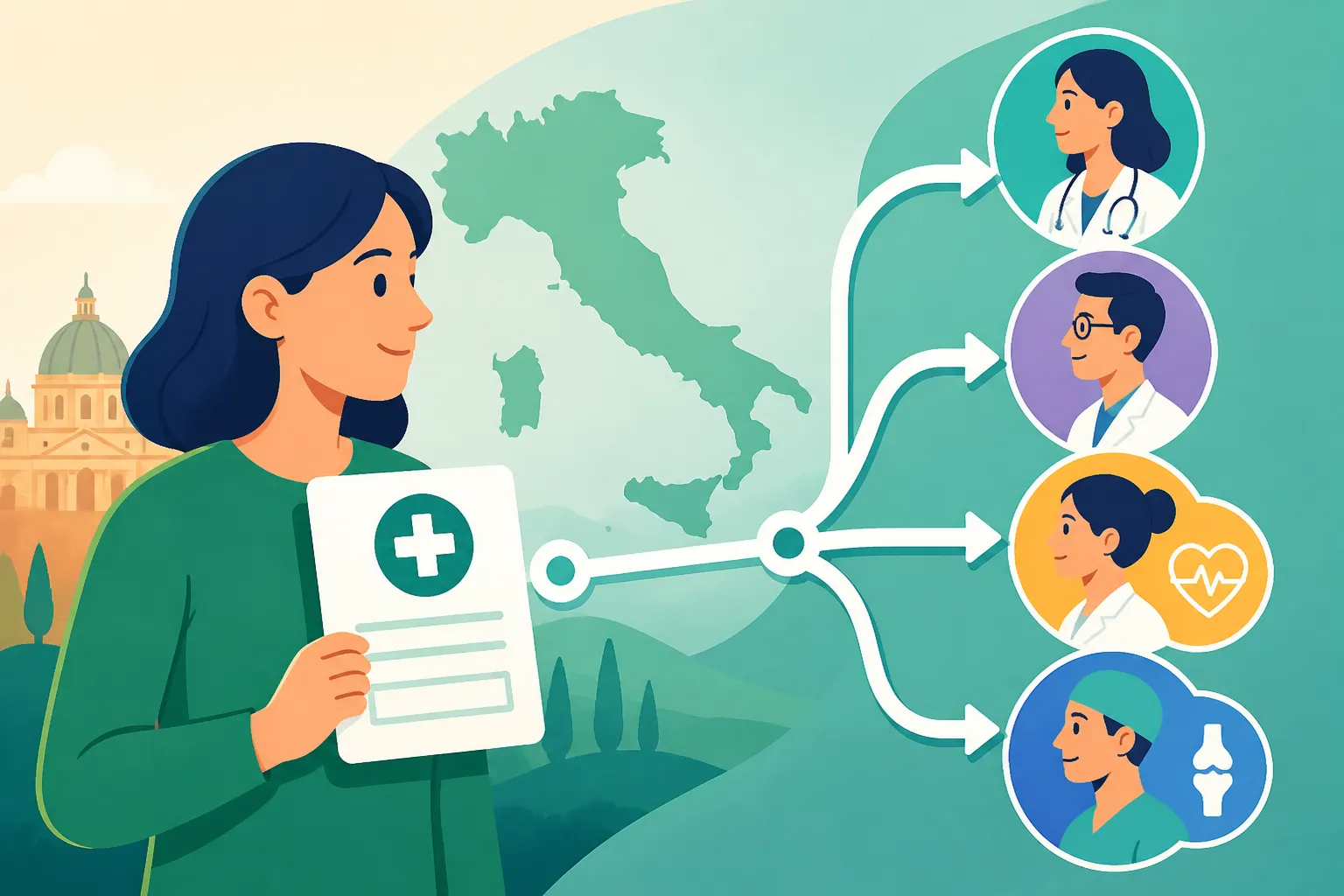
The word impegnativa literally translates to something that is binding or demanding, but in the world of Italian healthcare, it refers to the formal prescription or referral form issued by a doctor. This document is the golden ticket that allows you to access specialized services within the Servizio Sanitario Nazionale (SSN), Italy's public health system. Without it, you are essentially locked out of the public system’s subsidized rates for blood tests, X-rays, or consultations with specialists like cardiologists or neurologists.
For most expats, the first encounter with an impegnativa is a bit of a shock. You might expect to just call up a hospital and book an appointment, but Italy requires a gatekeeper. This gatekeeper is almost always your family doctor. The impegnativa serves as a formal request from your general practitioner to a specialist, justifying the need for the visit and ensuring that the state covers a portion of the cost. If you are still in the early stages of your move, you should read our guide on How to Register for Italian Healthcare (SSN) as a Foreigner to ensure you have the right to these referrals in the first place.
The Evolution from Paper to Digital Referrals
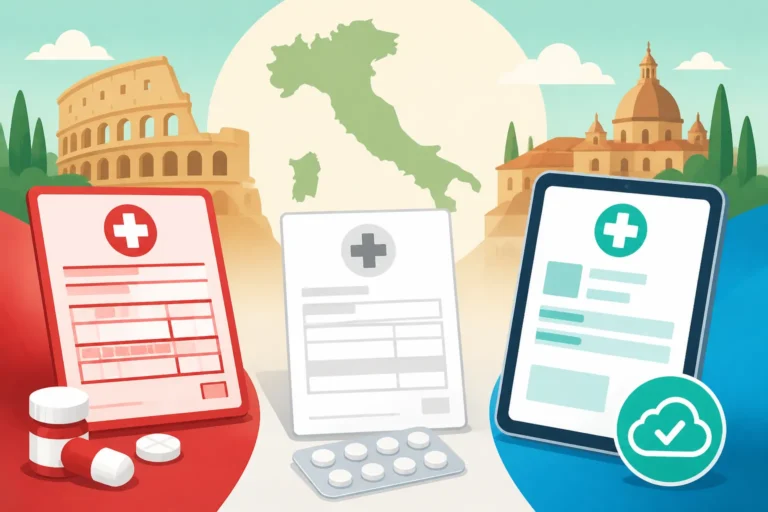
In the old days, every referral was a literal piece of red-bordered paper, often called the ricetta rossa. You had to guard this paper with your life because losing it meant going back to the doctor’s office and waiting in line all over again. Today, Italy has largely moved to the ricetta dematerializzata, or the electronic prescription. While the red paper still exists for certain types of medications or specific regions, most referrals are now digital.
When your doctor issues an electronic impegnativa, they will usually hand you a small white slip of paper known as a promemoria. This slip contains a barcode and a NRE (Numero Ricetta Elettronica). This code is what the booking system needs to find your referral in the national database. It is a much more efficient system, but it still requires you to physically visit your doctor most of the time to get the initial assessment.
Why You Cannot Skip the Medico di Base
One of the biggest frustrations for newcomers is the inability to self-refer. Even if you know you have a specific issue that requires a specialist, you cannot simply bypass your primary care physician. The Registering with an Italian Family Doctor (Medico di Base) process is vital because this doctor is the one who normally issues an impegnativa for the public system. They act as a filter to prevent the specialist clinics from being overwhelmed with unnecessary visits.
I have spent many mornings sitting in crowded waiting rooms just to spend three minutes with my doctor getting a referral for an annual check-up. It feels inefficient, but it is the cornerstone of how the system functions. If you find the public waiting times too long or the referral process too tedious, many expats opt for private coverage through providers like Cigna Global, which allows for much faster access to specialists without the need for a public referral.
Decoding the Priority Codes on Your Referral
Perhaps the most critical part of the impegnativa is a small box labeled Classe di Priorità. These priority codes determine how long you will have to wait for your appointment. In Italy, the demand for public healthcare is incredibly high, so the system prioritizes cases based on medical urgency. If your doctor leaves this box blank, you are automatically put into the lowest priority category, which can result in waiting months for a routine scan.
Understanding these codes is essential for managing your expectations. When you receive your promemoria, check the letter assigned to it immediately. If you feel your condition is more urgent than the code suggests, you need to advocate for yourself with your doctor right then and there. Once the referral is printed and signed, it is very difficult to change the priority level without a new consultation.
The Four Main Priority Categories
The Italian system uses four distinct letters to categorize urgency. The first is U (Urgente), which is reserved for life-threatening or highly acute situations. These must be fulfilled within 72 hours. If you have a code U, you often don’t even book through the standard channels; you might be sent directly to a hospital or a specialized clinic that handles urgent cases.
The second code is B (Breve), which stands for short-term. These appointments must be provided within 10 days. This is usually for conditions that are not immediately life-threatening but could worsen quickly if not addressed. The third is D (Differibile), meaning deferrable, with a window of 30 days for visits and 60 days for diagnostic tests. Finally, there is P (Programmata), which is for planned or routine checks and has a maximum wait time of 120 days.
Realities of Wait Times in Different Regions
While the law dictates these timelines, the reality on the ground can vary wildly between Lombardy and Calabria. In the North, the Regional Healthcare Differences in Italy: North vs South are quite apparent. You might find that a code D appointment in Milan is available within the 30-day window, whereas in a smaller southern town, the system might struggle to meet that deadline.
If the public system cannot meet the deadline dictated by your priority code, you theoretically have the right to request the service privately while only paying the public co-pay (the ticket), but exercising this right involves a mountain of paperwork at your local ASL office. For many, this is where having international insurance like SafetyWing or Cigna Global becomes a lifesaver, as you can simply book a private appointment and bypass the priority code system entirely.
Priority Codes and Their Timeline Requirements
| Code | Meaning | Timeline for Visits | Timeline for Diagnostic Tests |
|---|---|---|---|
| U | Urgente (Urgent) | 72 Hours | 72 Hours |
| B | Breve (Short-term) | 10 Days | 10 Days |
| D | Differibile (Deferrable) | 30 Days | 60 Days |
| P | Programmata (Planned) | 120 Days | 120 Days |
How to Book Your Specialist Appointment Using the CUP
Once you have your impegnativa in hand, the next step is booking. In Italy, this is done through a centralized system called the CUP (Centro Unico di Prenotazione). The CUP is the administrative backbone that connects all the public hospitals and many "accredited" private clinics in a specific region. You cannot usually call a specific department in a hospital to book; you must go through the CUP.
Booking through the CUP can be done in several ways, and each has its own set of challenges. For those who prefer a face-to-face interaction, you can go to a CUP desk at any local hospital or health clinic. However, be prepared for long lines and a strictly Italian-speaking environment. If you are still working on your language skills, you might want to check out Websites to Find Doctors Who Speak English in Italy to see if there are easier avenues for communication.
Online and Telephone Booking Options
Most regions now offer an online portal or a dedicated app for booking. This is often the most convenient method as you can see all available slots across the entire province. To use these portals, you will often need your The Italian Health Card (Tessera Sanitaria): Uses and How to Get One and, increasingly, a SPID (Sistema Pubblico di Identità Digitale). The system will ask for the NRE code from your referral and will then display a list of hospitals, dates, and times.
There is also the option to call the regional CUP hotline. While this is convenient, the wait times on the phone can be significant, and the operators rarely speak English. If you choose this route, have your promemoria and your tax code (codice fiscale) ready before you dial. The operator will offer you the first available appointment, which might be in a town an hour away. You can decline and ask for a closer location, but this usually means waiting much longer.
The Convenience of Pharmacy Booking
A "pro tip" that many expats don't discover until they've been here for years is that you can often book your appointments at the local pharmacy (farmacia). Most pharmacies in Italy are connected to the CUP system. You simply hand the pharmacist your impegnativa and your health card, and they can search for appointments for you on their screen.
This is often much faster and less stressful than visiting a hospital booking desk. Some pharmacies might charge a very small fee (usually a couple of euros) for this service, but it is well worth it to avoid the administrative chaos of the public clinics. While you are there, you can also learn about Finding and Using Pharmacies in Italy to better understand what else your local pharmacist can do for you.
Understanding the Ticket and Payment System
In Italy, public healthcare is not entirely free; it is subsidized. The amount you pay for a specialist visit or a diagnostic test is called the ticket. This is a co-payment that varies depending on the complexity of the service and your income level. Generally, a standard specialist consultation through the SSN will cost around 36 euros, though this can vary slightly by region.
You must pay the ticket before you actually see the doctor. Most hospitals have automated payment machines (Punto Giallo) where you can scan your booking slip and pay with a card or cash. You will receive a receipt that you must show to the specialist. Without that receipt, the doctor is technically not allowed to perform the consultation.
Who Qualifies for Exemptions (Esenzioni)
Not everyone has to pay the ticket. Italy has an extensive system of exemptions based on age, income, and chronic health conditions. For example, individuals over 65 or under 6 with a low household income are often exempt. Similarly, if you are pregnant, many of your specialist visits will be free of charge under the Prenatal and Maternity Care for Expats in Italy guidelines.
If you have a chronic illness, such as diabetes or a heart condition, your Medico di Base can apply for a specific exemption code (esenzione per patologia). This code will be included on your impegnativa, and it ensures that any tests or specialist visits related to that specific condition are free. For more details on the financial side, Cost of Healthcare in Italy: What Expats Need to Know provides a deeper breakdown of these expenses.
The Difference Between Public and Private Costs
If you find that the wait time for a public appointment is too long, you can choose to see a specialist privately. In this case, you do not need an impegnativa at all. You simply call a private clinic, book an appointment, and pay the full market rate, which typically ranges from 100 to 250 euros per visit.
Many doctors work in both the public and private sectors. This is known as libera professione or intramoenia. You can sometimes see the exact same doctor at the public hospital within days if you pay the private rate, whereas the public wait list might be months. This is another area where a policy from Cigna Global or specialized expat insurance from SafetyWing provides a massive advantage, as they often cover these private costs, allowing you to bypass the public system entirely.
What to Expect During the Specialist Visit
Once you have finally secured your appointment and paid your ticket, the actual visit is usually quite straightforward. However, there are some cultural differences in the Italian medical approach that you should be prepared for. Consultations can sometimes feel a bit rushed, and doctors may be very direct. It is helpful to have all your previous medical records, translated if possible, to help the doctor get up to speed quickly.
If the specialist decides you need further tests or a follow-up, they can sometimes issue the next impegnativa themselves. However, in many cases, they will give you a report (referto) that you must then take back to your family doctor, who will then issue the new referral. This "loop" back to the Medico di Base is a common feature of Italian medical bureaucracy.
Preparing Your Medical History
Italian doctors highly value continuity, but the public system’s digital records are not always perfectly integrated across different regions or even different hospitals in the same city. Always carry a physical or digital folder of your most recent blood tests, scans, and reports. If you have been treated abroad, Using Medical Translation and Interpretation Services can be vital to ensure the Italian specialist understands your history.
I have found that being organized and having a clear list of symptoms written in Italian helps immensely. It shows the doctor that you are serious and helps bridge the language gap. If the specialist prescribes medication, they will give you a new electronic prescription code which you can take directly to any pharmacy to fulfill.
Following Up and Next Steps
After the visit, the specialist will provide a written report. This document is yours to keep, and it is a crucial piece of your medical puzzle in Italy. Make sure to scan it or save it in your The Electronic Health Record in Italy (Fascicolo Sanitario Elettronico). This online portal allows you and your family doctor to access your results and referrals from any computer.
If the specialist suggests a procedure or a long-term treatment plan, you will likely need to coordinate this through your Medico di Base again. The GP Referral Process for Specialized Care in Italy is a recurring cycle. While it feels redundant, it ensures that your primary doctor remains the "hub" for all your health information, which is actually a very safe way to manage complex healthcare needs over time.
When the Public Referral System is Not Enough
While the SSN is generally high-quality, the administrative hurdles of the impegnativa system can be exhausting, especially when you are dealing with a stressful health issue. There are times when the wait lists are simply too long for comfort, or the specific specialist you want to see is not available through the public system. This is where private alternatives come into play.
Many expats choose to use the public system for routine care and minor issues but keep a private insurance policy for more serious or specialized needs. This hybrid approach allows you to benefit from the low costs of the SSN while having the security of fast, private access when it matters most.
The Role of Private Health Insurance
Using private insurance like Cigna Global or SafetyWing changes the specialist experience entirely. Instead of waiting for a Medico di Base appointment to get an impegnativa, and then waiting weeks or months for a CUP booking, you can often book directly with a top specialist in your city. Many private clinics have English-speaking staff and offer much more flexible appointment times.
For digital nomads or those on a Student Health Insurance in Italy: What to Expect plan, SafetyWing offers a flexible solution that covers emergencies and some specialized care, which can be a great bridge until you are fully integrated into the Italian system. Cigna Global, on the other hand, provides more comprehensive long-term coverage that is often preferred by professionals and retirees who want the highest level of care without the wait.
Choosing Between Public and Private Referrals
| Feature | Public System (SSN) | Private System |
|---|---|---|
| Referral Needed? | Yes (Impegnativa) | No |
| Wait Times | Can be long (weeks/months) | Short (days) |
| Cost | Low (Ticket co-pay) | High (Full market rate) |
| Doctor Choice | Usually assigned by CUP | You choose the specialist |
| Language | Primarily Italian | English often available |
Emergency Situations and Specialist Care
It is important to note that the impegnativa system is for non-emergency, scheduled care. If you are in an acute crisis, you do not need to wait for a referral from your family doctor. You should go directly to the Pronto Soccorso (Emergency Room) or call the national emergency number. In these cases, specialist care is provided immediately based on the triage code you receive upon arrival.
If you are unsure whether your situation is an emergency, you can read our guide on When to Go to the ER vs Urgent Care in Italy. For non-emergency issues that occur at night or on weekends, you can also access the After-Hours Care in Italy: Guardia Medica Explained, which can provide some basic referrals and prescriptions when your regular doctor is unavailable.
Navigating the Italian Health Bureaucracy with Confidence
The impegnativa system is undeniably complex, and it requires a level of patience that many of us aren't used to in our home countries. However, once you understand the rhythm of the Medico di Base, the priority codes, and the CUP booking process, it becomes much more manageable. The key is to be proactive, stay organized with your paperwork, and not be afraid to ask for help at the local pharmacy or from your expat community.
Italy offers world-class medical professionals, and the public system, for all its quirks, provides high-level care to everyone. By mastering the referral process, you are taking a major step toward feeling truly at home in Italy and ensuring that your health is well-managed while you enjoy the incredible lifestyle this country has to offer.
Disclaimer
The information provided in this article is for informational purposes only and does not constitute professional medical or legal advice. Healthcare regulations and procedures in Italy can change frequently. Always consult with a qualified medical professional or the official Italian health authorities (Ministero della Salute) for the most current and personalized guidance regarding your health and the Italian healthcare system.