Shopping, Markets, and Made in Italy
Ah, Italy! It’s not just about ancient ruins, rolling vineyards, or plates piled high with pasta, is it? For many of us, the pull of Italy also includes that utterly delightful, sometimes overwhelming, experience of Italian shopping. Trying to navigate the world of high fashion, bustling markets, and exquisite artisan crafts can feel like a labyrinth at first, and trust me, I’ve certainly had my share of bewildered moments trying to figure out if I was getting a deal or just a good story. This guide is here to unravel the charming complexities of Italian shopping, from the philosophy of "Made in Italy" to finding that perfect souvenir.
Disclosure: This post may contain affiliate links. We may earn a commission at no extra cost to you if you make a purchase through these links. Read full disclosure.
The Allure of Shopping in Italy: Beyond the Brands
Shopping in Italy is more than just transactional; it's a cultural immersion, a dance between tradition and trend, practicality and passion. You’ll quickly find that every purchase tells a story, often steeped in centuries of craftsmanship. It’s an experience that deeply connects you to the heart of Italian life.
The Philosophy of "Made in Italy"
When you see "Made in Italy" emblazoned on an item, it's not just a geographical tag; it's a promise. It speaks to a legacy of quality, meticulous design, and often, an artisanal heritage that has been passed down through generations. This is especially true for sectors like fashion, leather goods, and high-end furniture. The Italians take immense pride in their production, focusing on material quality, attention to detail, and a certain flair that is unmistakably Italian. It means supporting a network of small businesses, family-run workshops, and skilled craftspeople who pour their heart and soul into their creations, rather than just buying another mass-produced item.
You'll encounter this ethos in everything from a perfectly tailored suit in Florence to the intricate lacework on a tablecloth in Burano, or even a simple, elegant leather handbag you pick up in a small boutique in Rome. The commitment to excellence is palpable, and it’s why Italian products are so globally renowned and sought after. Understanding this deep-rooted philosophy helps you appreciate not just the item itself, but the journey of its creation, making your shopping experience far richer and more meaningful. It’s a concept that really encourages you to think about what you’re buying and the hands that made it.
Navigating Sales Seasons (Saldi)
For many of us expats, the word "Saldi" (sales) becomes a beacon of hope, especially after a few months of admiring beautiful things with a tight budget! Italy officially regulates its sales periods, meaning there are specific times of the year when retailers are permitted to offer significant discounts. Typically, you'll find two major sales seasons: the winter Saldi and the summer Saldi. The winter sales usually kick off right after the Epiphany (around January 6th) and can run through late February or early March, depending on the region. The summer sales often begin in early July and continue until mid-August. The exact dates can vary slightly by region each year, so it’s always a good idea to check local tourism or municipality websites for the precise start and end dates if you're planning a shopping trip.
During these periods, shops, from high-end boutiques to everyday retailers, slash their prices, often in stages. You might see 30% off to start, increasing to 50% or even 70% towards the end of the sale period. It’s a fantastic opportunity to grab those pieces you've been eyeing, especially if you're looking at more expensive items like quality clothing, shoes, or accessories. Just be aware that the best selection is usually available at the beginning of the sales, while the deepest discounts come later on. Patience can pay off, but so can a quick decision if you truly love something! For those who love a good bargain, knowing When Are the Sales (Saldi) in Italy?, and how to capitalize on them, is invaluable.
Understanding Tax-Free Shopping for Non-EU Visitors
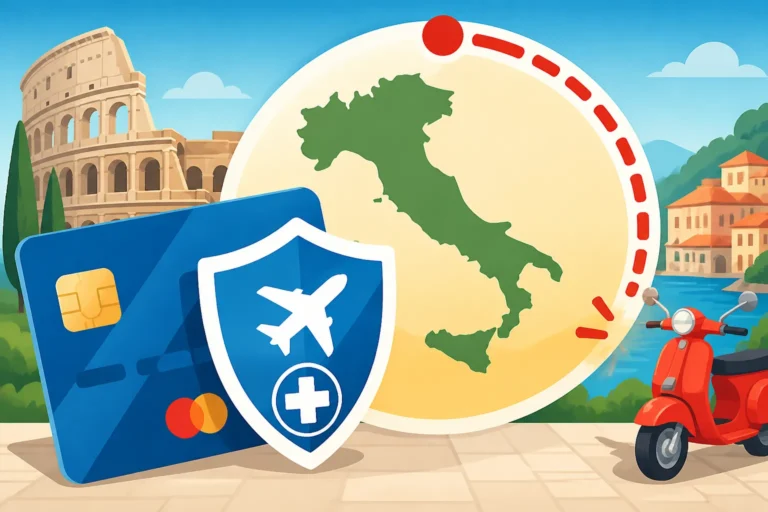
If you're visiting Italy from outside the European Union, you're in luck: you can claim a VAT (Value Added Tax) refund on eligible purchases. This can amount to a significant saving, often around 22% of the purchase price on most goods. To qualify, you generally need to spend a minimum amount in a single store – this threshold typically sits around €154.94, but it's always wise to confirm this at the point of sale. The items purchased must be for personal use and must be exported from the EU within three months of the purchase date.
The process involves a few steps: first, ask the retailer for a tax-free form when you make your purchase. They'll typically ask to see your passport. Second, when you depart from the EU (either from Italy or another EU country), you'll need to present your purchases, receipts, passport, and the completed tax-free forms to customs officials at the airport, port, or border crossing. They will stamp your forms. Finally, you can then claim your refund, either immediately at a tax refund agency desk (like Global Blue or Planet Payment) located at the airport or by mailing the stamped forms back to the refund company. It’s a bit of bureaucracy, but totally worth it for bigger purchases. For a deeper dive into the process, check out our guide on Tax-Free Shopping in Italy for Non-EU Visitors.
Discovering Italy's Vibrant Markets: A Sensory Feast
Italian markets are the beating heart of local communities, a place where daily life unfolds with a symphony of sounds, smells, and sights. They are not just places to buy things; they are vibrant social hubs, perfect for soaking up the local atmosphere and finding unique treasures. For me, spending a Saturday morning at a market, practicing my (still imperfect) Italian, and haggling a little, is one of life's simple pleasures here.
Food Markets: From Daily Groceries to Gastronomic Delights
Italy’s food markets are legendary, offering an incredible array of fresh, seasonal produce, local cheeses, cured meats, seafood, and artisanal products. These are not your sterile supermarket aisles; they are bustling, noisy, and utterly authentic. In cities like Florence, the Mercato Centrale is a prime example, with its ground floor dedicated to traditional food stalls and an upper level boasting modern food courts and gourmet eateries. Rome’s Campo de’ Fiori market, though now more tourist-centric, still offers a wonderful selection of fresh ingredients and local specialties, best experienced early in the morning.
Visiting a food market is an adventure for your senses. You'll hear vendors passionately calling out their wares, smell the intoxicating aroma of ripe fruits and strong cheeses, and see an explosion of colors from mountains of vegetables. Don’t be shy about trying samples, especially from the cheese and cured meat stalls, as this is part of the experience. It’s also an excellent way to shop like a local and discover regional specialties that you might not find elsewhere. For anyone interested in Eating Healthy: Organic and Whole Foods in Italy, these markets are your absolute best friend. Make sure you bring a reusable bag, and some small bills for easy transactions.
Flea Markets and Antiques: Hunting for Treasures
For those who love the thrill of the hunt, Italy’s flea markets and antique fairs are an absolute paradise. Here, you can unearth everything from vintage clothing and obscure vinyl records to antique furniture, old prints, and quirky collectibles. These markets are less about practical purchases and more about the joy of discovery, of finding that unique piece with a story behind it. Rome’s Porta Portese, held every Sunday, is perhaps the most famous and sprawling flea market in Italy, where you could spend an entire day rummaging through endless stalls. You’ll find everything from genuine antiques to outright junk, so a keen eye and a good dose of skepticism are your best tools.
Beyond the major city markets, many smaller towns host monthly antique fairs (often called Mercatino dell'Antiquariato) where professional dealers and private sellers converge. These are fantastic places to find higher-quality vintage items and genuine antiques, though prices will reflect this. They offer a delightful contrast to the chaos of a large urban flea market, often set in picturesque town squares. Just remember that negotiating prices (haggling) is expected and part of the fun in these settings. You can often find stunning pieces of art, old books, or even furniture that can bring a piece of Italian history into your home.
Local Street Markets: Everyday Essentials and Bargains
Beyond the specialized food and antique markets, every Italian town, no matter how small, typically hosts a weekly (or sometimes daily) street market. These are the places where locals go for everyday items that aren't necessarily food. You'll find stalls piled high with clothing, shoes, household goods, linens, small electronics, and general bric-a-brac. While not always the place for high fashion or designer brands, these markets are excellent for finding practical items at very affordable prices. I’ve bought everything from socks to a new set of towels at my local market, often for a fraction of what they'd cost in a shop.
The atmosphere is lively and communal, a microcosm of local life. Prices are often clearly displayed, but in some cases, gentle negotiation for multiple items might be possible. It's a great spot to observe everyday Italian life, pick up a sturdy pair of walking shoes, or find some inexpensive but cheerful additions to your wardrobe. For a more generalized overview of these bustling hubs, our guide to Italian Markets: Food, Antiques, and Flea Markets gives a great starting point for understanding their diversity and charm. These markets are a testament to the Italian way of life, where community and commerce intertwine seamlessly.
High Fashion and Designer Shopping: The Italian Style Mecca
Italy is synonymous with fashion, a global leader in style, elegance, and groundbreaking design. For many, a trip to Italy isn't complete without indulging in (or at least admiring) its sartorial offerings. It’s a pilgrimage for fashionistas and a dream for anyone who appreciates beautiful clothing and accessories.
The Fashion Quadrilateral of Milan and Beyond
Milan is unequivocally the fashion capital of Italy, and its Quadrilatero della Moda (Fashion Quadrilateral) is the epicenter of this world. Comprising streets like Via Montenapoleone, Via della Spiga, Via Sant'Andrea, and Via Manzoni, this exclusive district is home to the flagship stores of every major Italian and international fashion house. Think Prada, Gucci, Versace, Armani, Fendi, Dolce & Gabbana – they all have magnificent boutiques here. Stepping into these stores is an experience in itself, with luxurious interiors and attentive, impeccably dressed staff. Even if you're not planning a purchase, it's worth a stroll to admire the window displays and soak in the glamorous atmosphere.
While Milan leads the charge, other cities also offer incredible high-fashion opportunities. Rome boasts Via dei Condotti near the Spanish Steps, another street lined with designer boutiques, albeit with a slightly more classical feel. Florence, known for its leather heritage, has a strong presence of high-end fashion and artisan workshops, particularly around Via de' Tornabuoni. If you're seriously considering a significant investment piece, these cities are where you’ll find the latest collections, the most knowledgeable staff, and the true embodiment of Italian luxury.
Outlet Shopping: Designer Bargains Without the Sticker Shock
For those who dream of designer labels but shy away from the full retail price, Italy’s luxury outlet villages are a game-changer. These sprawling complexes are strategically located outside major cities and house a multitude of designer brands offering past-season collections at significantly reduced prices, often 30-70% off. One of the most famous is The Mall Luxury Outlets in Tuscany, near Florence, which features high-end names like Gucci, Prada, Saint Laurent, Fendi, and Valentino. Another popular destination is Serravalle Designer Outlet, one of Europe's largest, accessible from Milan.
Getting to these outlets often requires a bit of planning, but many offer shuttle services from city centers. You can even book private transfers or tours for a seamless experience. If you're traveling across Italy, check out transportation options through platforms like Omio, which can help you find bus or train routes to towns near these outlet hubs, making your bargain hunt even easier. While the selection might not always be the very latest, the quality and craftsmanship remain, offering a fantastic opportunity to own a piece of Italian luxury without breaking the bank. Our guide on How to Shop at Italian Designer Outlets provides even more practical advice for making the most of these treasure troves.
Bespoke and Artisan Fashion: True Italian Craftsmanship
Beyond the global brands and outlet bargains, Italy excels in bespoke and artisan fashion – pieces handmade with exceptional skill and personalized attention. This is where the true heart of "Made in Italy" shines. Think of a tailor in Naples creating a custom suit, a shoemaker in Marche crafting bespoke leather shoes, or a small workshop in Florence producing unique, hand-dyed scarves. These are often small, independent studios where the artisan is directly involved in every step of the creation process.
Finding these hidden gems requires a bit more effort than walking into a flagship store. Often, you'll discover them tucked away on quiet side streets, their windows displaying a few exquisite examples of their craft. Engaging with these artisans is a truly rewarding experience, offering insights into their techniques and traditions. While the prices for bespoke items will naturally be higher than mass-produced goods, you're paying for unparalleled quality, unique design, and the satisfaction of owning something truly one-of-a-kind. It’s an investment in artistry and a piece of Italian heritage you can wear. This is definitely one of the What Are the Best Things to Buy in Italy?, if you appreciate true craftsmanship.
Souvenirs and Local Crafts: Bringing Italy Home
Every visitor to Italy wants to bring a piece of its magic home with them. Beyond the usual fridge magnets and keychains, Italy offers a vast array of authentic and beautiful souvenirs that genuinely reflect its culture and artistry. Trust me, finding that perfect item that truly captures your trip is a lovely feeling.
Handcrafted Leather Goods: Quality and Tradition
Italian leather is world-renowned for its quality, durability, and exquisite craftsmanship. Florence, in particular, has a centuries-old tradition of leather working, with numerous workshops and schools dedicated to the art. You can find everything from elegant handbags, wallets, and belts to bespoke shoes, jackets, and even luggage. When shopping for leather, look for signs of genuine leather (like a specific smell, uneven textures, or the "Vera Pelle" stamp) and don't be afraid to ask about the tanning process. Vegetable-tanned leather, for instance, is a traditional and highly valued method.
While there are many excellent leather shops, do your research and try to buy directly from artisan workshops if possible. You’ll often get a better price, and you’ll know you’re supporting local craftspeople. Be wary of markets selling "leather" goods at suspiciously low prices, as these might be mass-produced imports or made from inferior materials. A good quality Italian leather item is an investment that will last for years, becoming a tangible reminder of your Italian adventure. For those serious about finding the best, our guide on How to Buy Leather Goods in Florence offers specific tips and locations.
Ceramics and Pottery: A Spectrum of Regional Styles
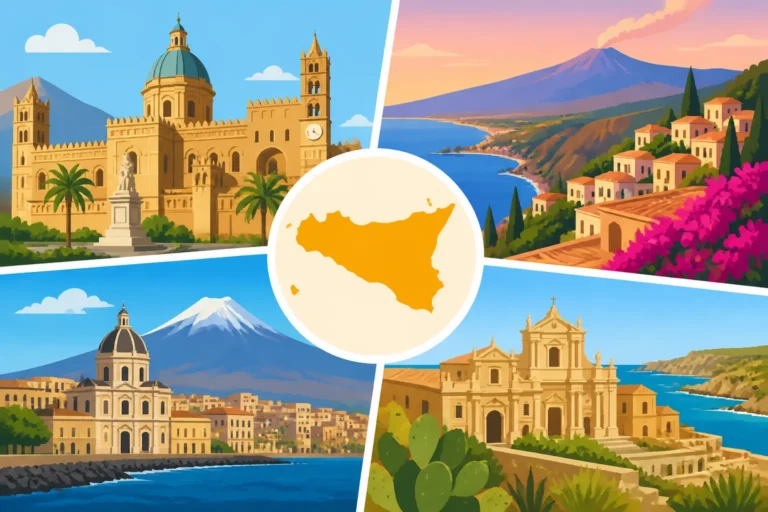
The vibrant world of Italian ceramics and pottery is incredibly diverse, with distinct styles and techniques varying greatly from region to region. From the brightly colored, intricate designs of Sicilian ceramics, often featuring lemons, Moorish heads, or volcanic scenes, to the more rustic, earthy tones of Tuscan pottery, there's a style to suit every taste. Amalfi Coast ceramics are known for their lively blues and yellows, while Deruta in Umbria is famous for its elaborate Renaissance-inspired patterns.
These beautiful pieces make for wonderful decorative souvenirs, adding a touch of Italian flair to your home. You can find everything from dinnerware sets and decorative plates to olive oil cruets, vases, and garden pots. Many workshops allow you to watch the artisans at work, painting each piece by hand, which truly highlights the skill and dedication involved. When shipping delicate items, be sure to inquire about professional packing and reliable shipping services, or plan to carry them carefully in your hand luggage.
Food and Wine as Souvenirs: Tasteful Reminders of Your Trip
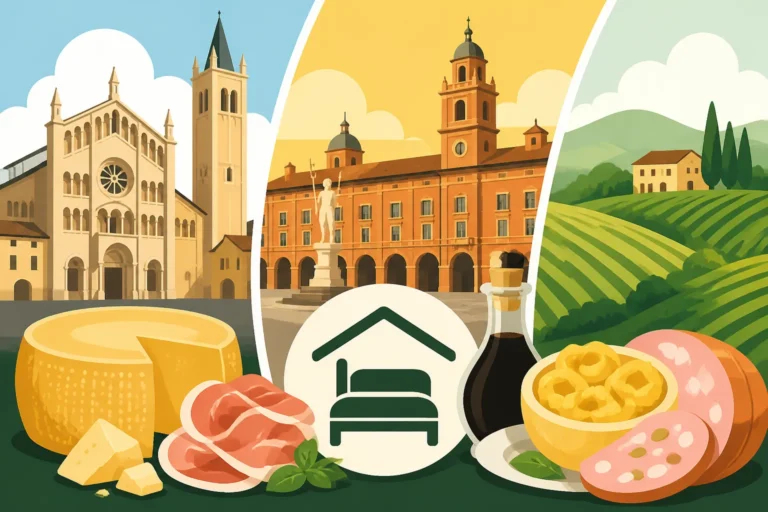
What better way to remember your culinary adventures in Italy than to bring home some of its edible delights? Italian food and wine make exceptional and deeply appreciated souvenirs. Think about bottles of exquisite olive oil from Tuscany, aged balsamic vinegar from Modena, jars of pesto from Liguria, or a selection of artisanal cheeses and cured meats (check customs regulations for your home country before buying these!). Of course, a fine bottle of Italian wine, whether it's a Barolo from Piedmont, a Chianti from Tuscany, or a Nero d'Avola from Sicily, is always a welcome gift.
For more casual and easily transportable options, consider gourmet chocolates, specialty pasta shapes, regional liqueurs like limoncello, or high-quality coffee beans. Many small food shops and delicatessens (known as gastronomie) will happily package items for travel and offer advice on what travels best. Websites like GetYourGuide offer various food and wine tours, which can be an excellent way to sample products and learn more about what you might like to bring home. Just remember to pack liquid items securely to avoid any unfortunate spills in your luggage!
Specialty Shopping Experiences: Unique Italian Finds
Italy offers a treasure trove of specialized shops, each presenting a unique window into Italian culture and craftsmanship. These aren't always on the main tourist paths, but they're worth seeking out for truly distinctive finds.
Books, Music, and Art Supplies: For the Cultured Traveler
For the intellectually curious or creatively inclined traveler, Italy's specialty shops for books, music, and art supplies are a delight. Independent bookstores, especially those specializing in local history, art, or literature, offer a quiet escape and a chance to find unique titles. Look for bilingual editions or beautifully illustrated coffee table books that capture the essence of Italy. In cities like Venice, you might even stumble upon incredible antique bookshops, filled with ancient maps and rare volumes.
For music lovers, Italy has a rich operatic and classical music tradition. You can find shops selling classical recordings, sheet music, or even vintage vinyl from Italian artists. Art supply stores, especially in cities known for their art schools like Florence or Bologna, are another fascinating stop. Here, you can find high-quality Italian-made paints, brushes, canvases, and other artistic tools that make perfect gifts for the creative souls in your life, or even for yourself to remember your inspirational journey. It's a different kind of souvenir, one that inspires creation rather than just commemoration.
Home Decor and Linens: Adding Italian Flair to Your Space
Bringing Italian elegance into your home is easy with the exquisite range of home decor and linens available. Italy is renowned for its textiles, from luxurious Venetian silks to soft Tuscan cottons. You can find stunning tablecloths, placemats, and napkins, often hand-embroidered or featuring intricate designs. The quality of Italian bedding is also exceptional, offering comfort and style.
Beyond textiles, consider decorative items like hand-painted ceramics (as mentioned before), intricate glasswork from Murano (Venice), or beautifully carved wooden items. Small boutiques often carry unique pieces of furniture or lighting fixtures that blend traditional craftsmanship with contemporary design. Even a simple, beautifully designed Italian espresso maker can elevate your morning ritual. These items allow you to infuse your living space with the timeless style and warmth of Italy, acting as constant, elegant reminders of your travels. For expats looking to furnish their homes, exploring these local gems can make a big difference, and our guide on Furnishing an Italian Apartment: Stores, Delivery, and Budget Tips can be really helpful.
Fragrances, Beauty, and Wellness: Italian Indulgence
The Italians have a long history of creating exquisite fragrances, beauty products, and wellness items, often rooted in natural ingredients and artisanal techniques. Think of the historic Officina Profumo-Farmaceutica di Santa Maria Novella in Florence, one of the oldest pharmacies in the world, renowned for its artisanal perfumes, soaps, and herbal remedies. Their products are not just toiletries; they are works of art, steeped in history.
You'll find many small, independent perfumeries across Italy crafting unique scents. Italian skincare brands often focus on natural ingredients like olive oil, thermal waters, or local botanicals, offering a luxurious and effective alternative to mainstream products. Additionally, Italy’s wellness culture extends to beautiful bath and body products, from artisan soaps to invigorating body scrubs. These items make for indulgent gifts or a lovely treat for yourself, allowing you to carry a subtle, fragrant memory of Italy long after you’ve returned home.
Practicalities of Shopping in Italy: Tips for a Smooth Experience
Shopping in Italy, while delightful, does come with its own set of practical considerations. Knowing these ins and outs can help you avoid unnecessary stress and ensure a more enjoyable experience. I've certainly learned these lessons the hard way, so take my advice!
Payment Methods and Currency Exchange
While Italy is increasingly moving towards a cashless society, especially in larger cities, cash (Euro) is still king in many smaller establishments, particularly in markets, smaller family-run shops, and for smaller purchases. It’s always a good idea to carry a mix of cash and cards. Major credit cards like Visa and Mastercard are widely accepted in most shops, restaurants, and hotels, but American Express can sometimes be less accepted, particularly in smaller venues. Always be sure to check if a "minimum spend" applies for card payments, which is still common in some smaller stores.
When paying with a credit card, you might be asked if you want to pay in Euros or your home currency. Always choose to pay in Euros, as your bank will generally offer a much better exchange rate than the merchant's Dynamic Currency Conversion (DCC) service. For currency exchange, avoid exchanging money at airports or major tourist hubs as their rates are often unfavorable. Your best bet for cash withdrawals is usually an ATM (Bancomat), but be aware of potential foreign transaction fees from your home bank. Our guide on Money Matters in Italy: Banking and Finance for Expats offers more comprehensive advice on financial transactions.
Shipping Your Purchases Home
For larger items or numerous purchases, shipping them home might be a more practical option than lugging them through airports. Many larger stores, especially those catering to tourists (like high-end fashion boutiques or ceramics shops), offer international shipping services. They typically handle all the packing, customs documentation, and logistics for you, though this convenience comes at a cost. Always get a clear quote for shipping costs, insurance, and estimated delivery times before committing.
If the store doesn't offer shipping, or if you've bought items from various smaller vendors, you can use independent shipping companies. Major international carriers like DHL, FedEx, or UPS have offices in Italy, and Poste Italiane also offers international shipping. However, these can be more cumbersome to arrange yourself, especially with customs forms. Always pack fragile items exceptionally well, and consider insuring valuable purchases. Remember that shipping can be expensive, so weigh the cost against the value and sentiment of the item.
Essential Shopping Phrases and Etiquette
A little Italian goes a long way, especially when shopping in Italy. While many shop assistants in tourist areas speak English, attempting to speak Italian is always appreciated and can lead to a more pleasant, and sometimes even a better, shopping experience. Simple phrases like "Quanto costa?" (How much does it cost?), "Posso pagare con la carta?" (Can I pay with card?), "Grazie" (Thank you), and "Prego" (You're welcome) are incredibly useful.
Bargaining is generally not customary in regular retail stores or boutiques, where prices are fixed. However, in flea markets, antique fairs, or sometimes even local street markets, a bit of friendly haggling (with a smile!) can be part of the fun and is often expected, especially if you're buying multiple items. Always be respectful and polite, even when negotiating. It's also good etiquette to greet the shopkeeper (Buongiorno/Buonasera) when you enter and say goodbye (Arrivederci) when you leave, even if you don't buy anything. These small gestures reflect the Italian Customs, Etiquette, and Social Life that are so cherished here.
Disclaimer
The information provided in this guide is for general informational purposes only and does not constitute professional advice. While we strive to provide accurate and up-to-date information, regulations, prices, and availability can change rapidly in Italy. Always verify current requirements, laws, and costs with official sources or relevant professionals before making any decisions related to shopping, taxes, or travel. We are not responsible for any inaccuracies or omissions in this content, nor for any actions taken based on the information provided.