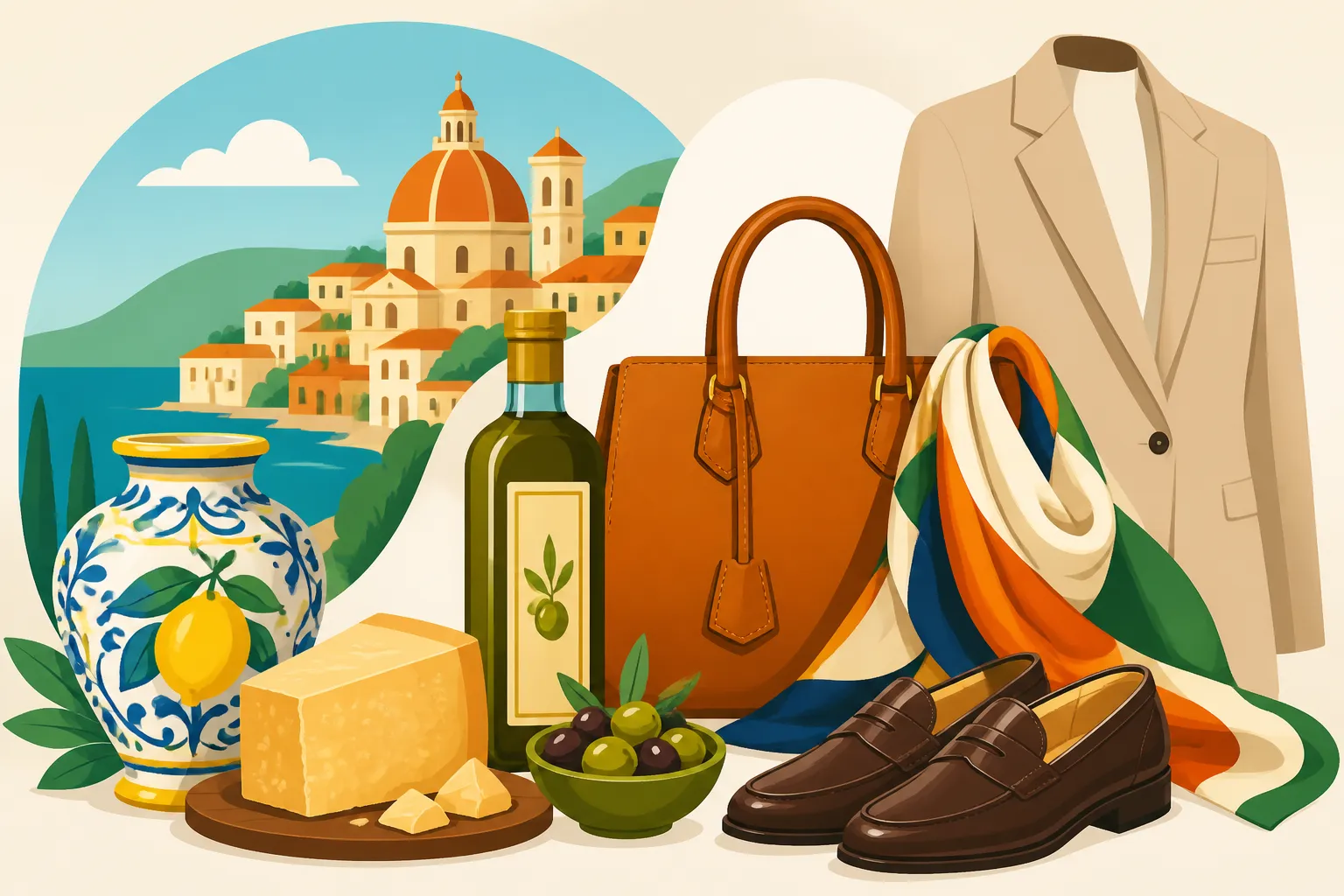
What Are the Best Things to Buy in Italy?
Oh, the joy (and sometimes, utter overwhelm) of shopping in Italy! You arrive, eyes wide with possibility, only to realize that every little shop, every market stall, seems to hold a treasure. But what's truly worth bringing home? What's authentic, and what's just a tourist trap? This guide is here to cut through the noise, offering a veteran expat's perspective on the very best things to buy in Italy, whether you're looking for a keepsake, a gift, or something truly special for yourself.
Disclosure: This post may contain affiliate links. We may earn a commission at no extra cost to you if you make a purchase through these links. Read full disclosure.
After years of living here, I've seen my fair share of both exquisite finds and regrettable impulse buys. The key to successful Italian shopping isn't just about spending money; it's about connecting with the culture, finding quality, and bringing home a piece of la dolce vita that genuinely resonates. Forget the generic keychains and leaning tower replicas (unless that's truly your jam, no judgment!). Let's dive into the treasures that genuinely capture the spirit of Italy.
The Gastronomic Delights: Edible Souvenirs and Kitchen Staples
Let's be honest, for many, Italy is synonymous with incredible food. And what better way to keep the Italian dream alive than by stocking your pantry with authentic, high-quality ingredients? These aren't just souvenirs; they're an invitation to relive your Italian culinary adventures long after you've unpacked.
Olive Oil, Balsamic Vinegar, and Truffle Products
Italy's liquid gold – olive oil – is a non-negotiable purchase. But don't just grab the first pretty bottle you see. Look for Olio Extra Vergine di Oliva, ideally with a DOP (Denominazione di Origine Protetta) or IGP (Indicazione Geografica Protetta) label, which guarantees its origin and quality. Each region boasts its own distinctive flavor profile, from the robust, peppery oils of Puglia to the fruity, lighter varieties from Tuscany or Sicily. Visit a frantoio (oil mill) if you can, especially in the autumn harvest season, to taste fresh oil. The difference between a supermarket olive oil and one directly from a small producer is like night and day, I promise you. It might seem like a splurge, but a good quality olive oil elevates every dish, transforming a simple salad into something sublime.
Then there's balsamic vinegar. Forget the watery stuff you find back home. True Traditional Balsamic Vinegar from Modena or Reggio Emilia is aged for years, sometimes decades, in wooden barrels, resulting in a thick, sweet, and intensely flavorful elixir. This isn't for dressing salads; it's for drizzling over Parmigiano Reggiano, strawberries, or even vanilla ice cream. Again, look for DOP certification. Be prepared for a higher price tag, but a small bottle goes a long way and makes for an incredibly sophisticated gift. For a more everyday (but still excellent) option, seek out "Aceto Balsamico di Modena IGP," which offers a fantastic balance of quality and affordability.
And for those who appreciate the finer things, truffle products are a must. From truffle oil (be cautious, many are artificially flavored – check ingredients for actual truffle pieces) to truffle paste, sauces, and even whole preserved truffles, these fragrant fungi transform pasta dishes, risottos, and even scrambled eggs into gourmet experiences. Umbria and Piedmont are particularly renowned for their truffles. Small jars of truffle cream or truffle butter are easy to pack and make wonderful presents for fellow foodies. Before you go, considering booking a culinary tour through GetYourGuide, as many offer tastings of these very products directly from local producers, giving you a chance to sample and learn before you buy. This ensures you’re selecting the best quality items that truly capture the essence of Italian Food Culture: Eating Well as a Visitor.
Artisanal Cheeses and Cured Meats
If you're headed home shortly after your Italian adventure, bringing back some artisanal cheeses and cured meats is an absolute delight. Parmigiano Reggiano, the king of cheeses, is far superior when bought fresh from a formaggeria (cheese shop) or directly from a producer in Emilia-Romagna. Look for the distinctive dotted rind and ask for a vacuum-sealed chunk; it travels surprisingly well. Other amazing cheeses include Pecorino Romano (sharp, salty sheep's milk cheese, perfect for Cacio e Pepe), Gorgonzola, or creamy Burrata (though Burrata is trickier to transport due to its freshness).
When it comes to cured meats, Prosciutto di Parma or San Daniele are legendary, known for their delicate, sweet flavor. Salame, Coppa, and Pancetta are also fantastic choices. Again, seek out smaller, independent salumerie or local markets. The vendors are often passionate and can offer tastings and expert advice on how to store and enjoy their products. Just be mindful of your home country's customs regulations regarding bringing meat and dairy products across borders. Always check before you travel, as restrictions can change. These items truly embody the rich tapestry of flavors described in our guide on Italian Markets: Food, Antiques, and Flea Markets.
Coffee, Wine, and Liqueurs
Italy's coffee culture is legendary, and while you can't exactly pack the experience of a quick espresso al banco, you can certainly bring home the ingredients. Popular brands like Lavazza and Illy are widely available, but look for smaller, regional roasters for a more unique flavor. Grinding your own beans or buying freshly ground coffee from a local torrefazione (coffee roaster) ensures maximum freshness. Consider a local brand as a delightful gift for a coffee enthusiast.
Then there's wine. Oh, the wine! Italy is a kaleidoscope of wine regions, from the bold reds of Tuscany (Chianti, Brunello) and Piedmont (Barolo, Barbaresco) to the crisp whites of Veneto (Prosecco, Soave) and Friuli. Buying directly from a vineyard (a cantina) is a fantastic experience, often including a tour and tasting. Not only do you get a great bottle, but you also get a story. If vineyard visits aren't on your itinerary, specialty wine shops (enoteche) offer a curated selection and knowledgeable staff who can guide you. Many shops can also arrange shipping for larger purchases, saving you the hassle of lugging bottles through airports.
And finally, liqueurs! Limoncello, the vibrant lemon liqueur from the Amalfi Coast, is a classic. But don't stop there. Explore regional specialties like Amaro (a bitter herbal liqueur, perfect as a digestivo), Mirto (from Sardinia, made from myrtle berries), or even unique grappas. They offer a taste of specific regions and often come in beautifully designed bottles. Learning about these traditions is part of understanding Italian Wine, Coffee, and Aperitivo Culture.
Italian Style: Fashion, Leather, and Accessories
Italian style is iconic – chic, effortless, and always with an eye for quality. While high fashion might be out of reach for some, Italy offers incredible opportunities to buy quality fashion and accessories that will last for years and truly embody that elegant aesthetic.
Leather Goods: Bags, Shoes, and Jackets
Florence is often considered the heart of Italian leather craftsmanship, and for good reason. From the stalls of the San Lorenzo market to the elegant boutiques lining the streets, you'll find an astonishing array of leather bags, shoes, belts, and jackets. When buying leather, focus on quality over price. Genuine leather (vera pelle) will feel supple, have a natural scent, and develop a beautiful patina over time. Be wary of "genuine leather" labels that might simply mean it's real leather but of lower quality. Look for full-grain leather, solid stitching, and quality hardware.
A well-made Italian leather handbag or pair of shoes is an investment piece that will elevate any outfit. Don't be afraid to haggle a little in markets, but be respectful. In boutiques, prices are generally fixed, but you're paying for design and craftsmanship. Many smaller, family-run workshops still produce incredible pieces by hand, and supporting them is a wonderful way to bring home something truly unique. You'll find more insights on where and how to purchase these treasures in our dedicated guide, How to Buy Leather Goods in Florence.
Designer Fashion and Local Boutiques
For those with a penchant for luxury, Milan is, of course, the undisputed capital of high fashion. The Quadrilatero della Moda (Fashion Quadrangle) is home to flagship stores of globally renowned designers like Prada, Gucci, Versace, and Armani. While the prices here are high, the experience of window shopping and seeing the latest collections is an attraction in itself. During the Saldi (sales) seasons, which typically occur twice a year (January/February for winter, July/August for summer), you can find significant discounts, though the best items often go quickly. For visitors from outside the EU, remember you might be eligible for a VAT refund, which can make those designer purchases a little less painful. For more information on navigating the sales, check out When Are the Sales (Saldi) in Italy?
However, Italian fashion isn't just about high-end labels. Every city and town has charming local boutiques (boutique) offering unique clothing, jewelry, and accessories from smaller designers. These are often where you find those truly distinctive pieces that no one else back home will have. Explore the smaller side streets away from the main tourist thoroughfares, and you're likely to stumble upon hidden gems. The quality is often excellent, and the prices are more accessible than the big names. For getting around to these various shopping districts, whether in Milan or a smaller town, comparing train or bus options with Omio can be incredibly helpful. It helps you navigate distances efficiently to maximize your shopping time. Our guide on Shopping in Italy: Markets, Boutiques, and Outlets has even more tips for finding these great buys.
Scarves, Jewelry, and Unique Accessories
A silk scarf is an elegant and timeless Italian accessory. The Como region is famous for its silk production, and while you might not visit Como itself, many high-quality silk scarves can be found throughout Italy. They make for beautiful, lightweight gifts and add a touch of Italian sophistication to any wardrobe. Look for hand-rolled hems and vibrant, intricate designs.
Italian jewelry, particularly gold and silver, is also highly regarded. Venetian glass, especially from the island of Murano, is another iconic Italian craft. From delicate beads to elaborate chandeliers, Murano glass is instantly recognizable for its vibrant colors and intricate designs. Be sure to buy from reputable shops, as there are many imitations. Always ask for a certificate of authenticity for more valuable pieces. Additionally, look out for small artisan jewelers who craft unique pieces inspired by local traditions or natural elements. These often tell a story and are far more personal than mass-produced items.
Handcrafted Treasures: Art, Ceramics, and Home Decor
Italy has a rich history of artistry and craftsmanship, with skills passed down through generations. Bringing home a handcrafted item means owning a piece of that heritage, a tangible link to the country's creative soul. These items add character and charm to any home, reminding you daily of your Italian journey.
Ceramics and Pottery
Italian ceramics are incredibly diverse, with distinct styles varying from region to region. From the brightly colored, intricate designs of Deruta in Umbria (renowned for its majolica pottery) to the bold, Mediterranean hues of Vietri sul Mare on the Amalfi Coast, each piece tells a story of its origin. Sicily also boasts its own vibrant pottery traditions, often featuring geometric patterns or Moorish influences.
When buying ceramics, look for hand-painted pieces and solid craftsmanship. Turn the piece over to check for the artist's or workshop's mark. It's an investment, so ensure it’s something you truly love and that will stand the test of time. While it might seem daunting to transport fragile items, reputable shops are experts at packaging for travel. Many can also arrange international shipping, ensuring your beautiful new vase or dinnerware set arrives safely at your doorstep. These are the kinds of items that truly answer the question, What Souvenirs Are Actually Made in Italy?.
Local Art and Prints
Beyond the grand masters in museums, Italy thrives with contemporary artists and local artisans. Wander through the smaller alleys of Florence, Rome, or Bologna, and you'll often find artists selling their prints, watercolors, or small canvases directly from their studios or street stalls. These can be beautiful, affordable ways to bring Italian art into your home.
Look for scenes of local landmarks, landscapes, or vibrant still lifes. Supporting these independent artists means you're investing in a piece of current Italian creativity and getting something truly unique, rather than a mass-produced print. If you're staying in a city for a few days, consider checking Booking.com for smaller boutique hotels or apartments; often, these are in charming neighborhoods where such artisan shops are plentiful, making it easy to discover these hidden artistic gems right outside your door.
Home Decor and Linens
Italian homes have a certain rustic elegance, and you can bring some of that charm home with carefully chosen decor items. Hand-embroidered linens, from tablecloths to delicate tea towels, are beautiful, practical souvenirs. Look for them in specialty linen shops or at local markets. Again, quality stitching and natural fibers like linen or high-thread-count cotton are key.
Olive wood products, such as cutting boards, serving bowls, or decorative items, are both beautiful and functional. The rich grain of olive wood is unique, and it makes for durable, elegant pieces. These are particularly popular in regions known for olive groves, like Tuscany, Puglia, or Umbria. These items are not just decorative; they are useful pieces that remind you of the rich culture of Italy every time you use them.
Practical Gems and Everyday Finds
Sometimes, the best things to buy aren't grand statements but rather practical items that seamlessly integrate into your daily life, bringing a little piece of Italy into your everyday routine. These are the things that make you smile when you use them, reminding you of the good times.
Moka Pots and Coffee Paraphernalia
The Bialetti Moka Express, that iconic octagonal stovetop coffee maker, is a true symbol of Italian home life. If you've enjoyed coffee in an Italian home, chances are it was brewed in one of these. It's incredibly practical, makes excellent espresso-style coffee, and is a fantastic gift for any coffee lover. They come in various sizes, from a single-cup personal brewer to a larger model for family gatherings. Buying one directly in Italy means you're getting an authentic piece of design history.
Pair it with a good quality Italian coffee blend (pre-ground specifically for moka pots, or whole beans you can grind yourself) and perhaps a beautiful Italian coffee cup, and you've got a complete ritual ready to transport you back to an Italian morning.
Stationery and Paper Products
Florence, in particular, is famous for its artisanal paper products. Think beautifully marbled paper, hand-bound journals, elegant letter sets, and intricate cards. These items are often adorned with classic Florentine designs or patterns inspired by Renaissance art. Even if you primarily use digital means for communication, there's something truly special about putting pen to paper on high-quality Italian stationery.
Beyond Florence, many towns have charming cartolerie (stationery shops) that offer unique notebooks, pens, and desk accessories. These make thoughtful gifts for writers, artists, or anyone who appreciates the tactile pleasure of beautiful paper. They're lightweight, relatively inexpensive, and carry a distinct charm.
Skincare and Pharmacy Finds
Italian pharmacies are a treasure trove of quality skincare and health products, often at more accessible prices than you might find in specialty boutiques. Look for brands known for natural ingredients or dermatological formulations. For instance, Farmacia Santa Maria Novella in Florence (while now a global brand) started as a historic apothecary and offers beautiful, high-quality perfumes, soaps, and skincare. More widely available, brands like L'Erbolario specialize in natural, botanical-based products that feel luxurious without breaking the bank.
You might also find unique herbal remedies, essential oils, or local beauty concoctions. Don't be shy to ask the pharmacist for recommendations, even with a language barrier (a phrasebook helps!). They are usually incredibly knowledgeable. Bringing home an Italian hand cream, soap, or even a local sunscreen brand is a practical way to infuse a little Italian self-care into your routine. For more on how to navigate these local hubs, consult our guide on Italian Pharmacies: Prescription, Over-the-Counter, and Supplies.
Here's a quick reference table to help you categorize your Italian shopping list:
| Category | Best Finds | Where to Find It (General) | Price Range (EUR) | Why Buy It? |
|---|---|---|---|---|
| Food & Drink | Aged Balsamic Vinegar (DOP), Parmigiano Reggiano (vacuum-sealed), Local Wine, Truffle Products, Artisan Coffee | Delis (gastronomie), Local Markets, Vineyards (cantine), Specialty Food Shops | €10 – €100+ | Authentic taste, supports local producers, elevates home cooking. |
| Fashion | Quality Leather Bag/Wallet, Silk Scarf, Boutique Clothing, Artisanal Jewelry | Florence leather markets, Milan designer boutiques, local fashion stores, oreficerie (jewelers) | €30 – €500+ | Timeless style, quality craftsmanship, unique regional flair. |
| Home & Art | Hand-painted Ceramics, Murano Glass, Olive Wood Items, Local Prints | Artisan workshops, specialty decor stores, art galleries, vetrerie (glassmakers) | €20 – €300+ | Unique regional artistry, lasting memento, supports local craftsmen. |
| Everyday Items | Bialetti Moka Pot, Florentine Stationery, Quality Skincare/Soaps, Artisanal Spices | Department stores, cartolerie (stationers), farmacie (pharmacies), homeware shops | €10 – €50 | Practical, brings a piece of Italy into daily life, great for gifts. |
The Art of the Italian Purchase: Tips for a Seamless Shopping Experience
Navigating shopping in Italy can be just as exciting as finding the perfect item. Here are a few tips from someone who's learned the ropes (and made a few mistakes along the way):
Embrace the Local Markets
Markets are arguably the best place to experience authentic Italian shopping. Whether it's a bustling food market, a sprawling flea market, or a specialized artisan market, you'll find everything from fresh produce and regional delicacies to vintage clothing and handmade crafts. This is where you can interact directly with vendors, often family businesses, and truly understand the story behind their products. Don't be afraid to try a few words of Italian; even a simple "grazie" or "quanto costa?" goes a long way. This immersive experience is a core part of the Italian Markets: Food, Antiques, and Flea Markets experience.
Cash is king at markets, so make sure you have small denominations. While some vendors may accept cards, it's not a guarantee. Remember, bargaining is more common in flea markets or for larger purchases at leather stalls, less so for food items, where prices are generally fixed.
Understanding Tax-Free Shopping
If you're a non-EU resident, remember that you're eligible for a VAT refund on purchases over a certain amount (this threshold can vary, so check current regulations). This "Tax-Free Shopping" can make a significant difference on larger purchases like designer items, high-quality leather, or expensive art. Always ask for the "Tax-Free" form at the point of purchase. You'll need to present this form, along with your passport and the purchased goods, at the airport when you depart the EU.
The process can sometimes be a bit tedious, requiring queuing at the customs office before you check in for your flight, but the savings are usually worth the effort. Keep all your receipts organized and make sure the merchant fills out the form correctly. You can learn more about this process in our guide on How to Claim a Tax Refund When Shopping in Italy.
Plan Your Shopping Adventures
Italy is a diverse country, and different regions and cities specialize in different things. If you're passionate about leather, Florence is your destination. For high fashion, it's Milan. Ceramics? Head to Deruta or Vietri sul Mare. Planning your travel with this in mind can make your shopping more targeted and rewarding.
You can compare options for reaching these destinations with platforms like Omio, which helps you find the best train or bus connections across Italy. Whether you're making a dedicated shopping trip or integrating it into a broader itinerary, knowing what to look for and where to find it will save you time and potentially money. For general travel tips within Italy, you might also find our guide on Getting Around Italy: Trains, Buses, Flights, and Car Hire helpful.
Disclaimer
The information provided in this guide is for general informational purposes only and does not constitute professional advice. While we strive to keep the content up-to-date and accurate, product availability, prices, regulations (such as customs for bringing items home), and business practices in Italy can change. Always verify current details with local authorities or merchants before making significant purchases.