Lombardy and the Italian Lakes: What to See
Oh, Lombardy and the Italian Lakes! Trying to decide where to focus your precious travel time in this stunning region can feel like trying to pick just one flavor of gelato – impossible, right? I've been there, staring at maps, wondering if I should prioritize the glamour of Bellagio or the adventure of Garda. This guide is going to walk you through the very best of Lombardy, helping you uncover the must-see sights, both popular and hidden, ensuring your Italian adventure is everything you've dreamed of and more.
Unveiling the Charm of Lombardy and Its Lake District
Lombardy, or Lombardia as the locals call it, is a region that truly has it all, a vibrant tapestry woven with high fashion, historic cities, industrial prowess, and some of the most breathtaking natural beauty you've ever laid eyes on. It’s where Italy’s economic heart beats fastest in cities like Milan, yet it's also home to serene alpine foothills and the world-famous Italian Lakes. For an expat or tourist, it’s a microcosm of Italy itself, offering bustling urban experiences, tranquil lakeside retreats, and rich cultural immersion all within easy reach. The diversity here is astounding; one moment you're admiring Leonardo da Vinci's Last Supper, the next you're cruising on a ferry past opulent villas on the water's edge, or hiking a mountain trail with panoramic views.
Disclosure: This post may contain affiliate links. We may earn a commission at no extra cost to you if you make a purchase through these links. Read full disclosure.
The Allure of Northern Italy's Lakeside Paradises
The Italian Lakes district, nestled mostly within Lombardy, is more than just a collection of large bodies of water; it’s a cultural phenomenon, a playground for the rich and famous, and a haven for anyone seeking beauty and relaxation. Each lake possesses its own distinct personality, from the dramatic, fjord-like grandeur of Lake Como to the vast, windswept expanse of Lake Garda, and the elegant, slightly more understated charm of Lake Maggiore. These lakes have drawn artists, writers, and royalty for centuries, and it’s easy to see why. The climate is mild, the scenery is cinematic, and the towns that dot their shores are packed with history, incredible food, and that quintessential Italian flair. Imagine waking up to the sound of gentle waves, sipping a cappuccino while gazing at snow-capped peaks reflected in crystalline waters, or exploring ancient Roman ruins bathed in the warm Italian sun. That's the daily reality here, and it's absolutely magical.
Getting Your Bearings: Major Hubs and Accessibility
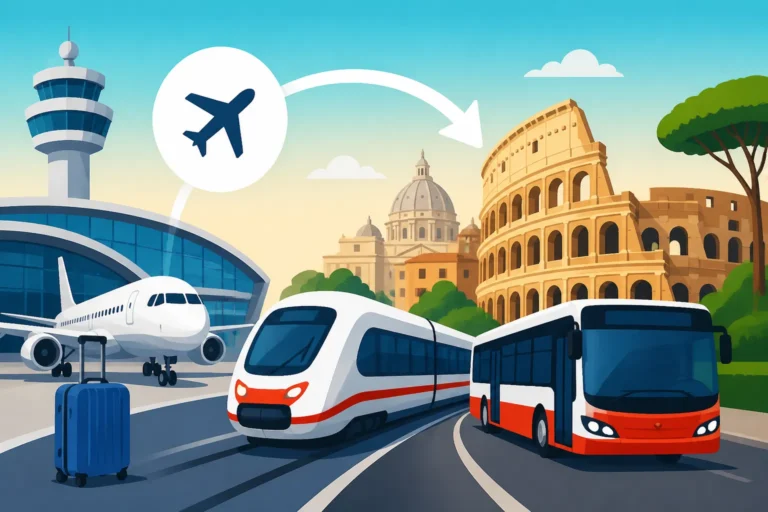
Milan serves as the undisputed gateway to Lombardy and the Italian Lakes, making it incredibly convenient for international travelers. From Milan's major airports, Malpensa (MXP) and Linate (LIN), you can easily connect to the rest of the region by train, bus, or rental car. The public transport network, especially the train system, is efficient and links most major towns around the lakes and within Lombardy, making it entirely possible to explore without your own vehicle. For instance, fast trains can whisk you from Milan to Como in under an hour, or to Desenzano del Garda on Lake Garda's southern shore in about the same time. While a car offers flexibility, especially for exploring the quieter, more mountainous areas, be aware of ZTLs (Limited Traffic Zones) in many historic town centers. When planning your travels, sites like Omio can be incredibly useful for comparing train and bus options, allowing you to easily book tickets in advance. If you're wondering how to get from point A to point B, our guide on High-Speed Trains in Italy: Trenitalia, Italo, Routes, and Savings provides excellent insight into navigating Italy's rail system efficiently.
Lake Como: The Epitome of Glamour and Scenery
Lake Como, or Lago di Como, is arguably the most famous and photographed of all the Italian Lakes, and for good reason. Its distinctive Y-shape, carved by ancient glaciers, is surrounded by dramatic mountains and verdant hillsides dotted with exquisite villas and charming, pastel-colored villages. It's a place where luxury meets natural splendor, where every turn of the winding lakeside roads reveals another postcard-perfect vista. The allure of Como isn't just in its beauty, but also in its history of attracting the elite, from Roman emperors to Hollywood stars, who have all sought refuge and inspiration here. It truly feels like stepping into a dream, where the air itself seems to hum with understated elegance.
Bellagio: The Pearl of Lake Como
Nestled at the intersection of Lake Como's three branches, Bellagio is often referred to as the "Pearl of Lake Como," and it absolutely lives up to the moniker. This picturesque village is famous for its charming cobblestone alleys, quaint boutiques, exquisite gardens, and panoramic lake views. You can easily spend an entire day simply wandering its steep, narrow streets, discovering hidden courtyards, and enjoying a gelato while watching ferries crisscross the deep blue waters. Bellagio is a delightful maze, with tiny shops selling local silk products, artisanal leather goods, and delicious regional specialties. Take your time to explore the nooks and crannies, and don't be afraid to get a little lost – that's often where the real magic happens.
One of the highlights of Bellagio is visiting the magnificent gardens of Villa Melzi. These English-style gardens, open to the public from March to October, stretch along the lake shore and offer a tranquil escape with stunning sculptures, exotic plants, and classical architecture. It's an ideal spot for a leisurely stroll, offering incredible photo opportunities and a sense of serenity away from the bustling main piazza. Afterwards, find a waterside cafe and indulge in an aperitivo, a classic Italian pre-dinner drink experience, often accompanied by complimentary snacks. Understanding Aperitivo in Italy: The Pre-Dinner Ritual Explained will certainly enhance your experience.
Varenna and Menaggio: Lakeside Charm Across the Water
While Bellagio often steals the spotlight, the towns of Varenna and Menaggio, situated on opposite shores, offer equally captivating experiences with slightly different vibes. Varenna, on the eastern shore, is a fishing village renowned for its romantic waterfront promenade, colorful houses cascading down to the lake, and the enchanting gardens of Villa Monastero. The villa itself is a former Cistercian convent turned elegant residence, and its botanical gardens are a riot of Mediterranean and exotic flora. A visit here is a sensory delight, especially in spring and early summer when everything is in bloom. The "Walk of Lovers" (Passerella degli Innamorati), a picturesque lakeside path, is a must-do for couples and offers incredible views.
Menaggio, on the western shore, presents a more bustling, vibrant atmosphere. It’s a great base for exploring the central lake area, with a lovely promenade, a charming central piazza, and excellent connections to Lugano in Switzerland by bus. From Menaggio, you can also easily access hiking trails into the surrounding hills, offering spectacular vantage points over the lake. Renting a small boat for a few hours is a fantastic way to experience the lake at your own pace, allowing you to discover secluded coves and admire the grand villas from the water. Many towns offer boat rental services, and it’s a truly unforgettable experience to captain your own vessel on these famous waters.
Lake Garda: Adventures and Family Fun
Heading east from Lake Como, you'll arrive at Lake Garda, Italy's largest lake. Garda is a chameleon, transforming from the dramatic, fjord-like scenery of its northern reaches to the gentler, rolling hills and olive groves of its southern shores. This diverse landscape makes it a perfect destination for both thrill-seekers and those looking for a relaxing family holiday. It's a truly expansive body of water, meaning there's always something new to discover, whether you're into watersports, historical exploration, or simply unwinding by the shore.
Sirmione and Desenzano del Garda: Southern Gems
On Lake Garda's southern end, you'll find some of its most popular and picturesque towns. Sirmione, perched on a narrow peninsula jutting into the lake, is perhaps the most famous. It's home to the stunning Scaligero Castle, a perfectly preserved 13th-century fortress that looks straight out of a fairy tale, complete with battlements and a moat. Wander through its ancient gates into the charming, pedestrian-only old town, where you can explore narrow streets filled with shops, cafes, and gelaterias. Further along the peninsula lies the Grotte di Catullo, the ruins of a grand Roman villa, offering a fascinating glimpse into ancient history and breathtaking lake views from its elevated position.
Just a short distance away is Desenzano del Garda, one of the lake's largest towns and a vibrant hub. Desenzano boasts a beautiful old port, a lively promenade, and an impressive castle that overlooks the town. It's also an excellent transportation hub, with a major train station making it easily accessible from Milan, Verona, and Venice. This town offers a more urban feel than some of the smaller lakeside villages, with a wider array of shops, restaurants, and nightlife. It’s an ideal base if you want convenience and variety, and it's particularly well-suited for families due to its amenities and easy access to other attractions.
Riva del Garda and Malcesine: Northern Shores and Adrenaline
Journeying north on Lake Garda, the landscape changes dramatically, becoming more mountainous and rugged. Riva del Garda, at the very northern tip, is a mecca for outdoor enthusiasts. Its strong, consistent winds make it a world-class destination for windsurfing, kitesurfing, and sailing, attracting athletes and beginners alike. Beyond watersports, the town offers fantastic hiking and cycling trails into the surrounding Dolomites, including the scenic Ponale Path with its incredible lake panoramas. The town itself is charming, with a Venetian-style old town, a medieval tower (Torre Apponale), and a lovely lakeside park.
A short ferry ride or scenic drive down the eastern shore brings you to Malcesine, another northern gem. Dominated by the impressive Scaligero Castle (yes, another one, equally captivating!), Malcesine is famous for its cable car that ascends Monte Baldo. This revolving cable car offers truly spectacular 360-degree views as you climb, reaching altitudes where you can hike, paraglide, or simply enjoy a meal with a view that stretches for miles. The castle, with its dramatic lakeside setting, is a popular spot for weddings and offers an interesting museum and beautiful courtyards to explore. Malcesine's medieval core, with its narrow cobbled streets and small squares, is a joy to discover on foot.
Lake Maggiore: Serenity and Island Hopping
Lake Maggiore, or Lago Maggiore, straddles the border between Italy and Switzerland, offering a blend of Italian charm and Swiss precision. While perhaps less overtly glamorous than Como, it possesses a refined elegance and a tranquil beauty that captivates visitors. It's the second-largest Italian lake, and its shores are lined with grand hotels, lush gardens, and charming towns. Maggiore is particularly famous for its Borromean Islands, a cluster of enchanting islets, each with its own unique appeal.
Stresa and the Borromean Islands: A Must-See Ensemble
Stresa, on the western shore of Lake Maggiore, is the undisputed queen of the lake. This elegant resort town boasts grand Belle Époque hotels, a beautiful lakeside promenade, and stunning views of the Borromean Islands. It serves as the primary gateway to these islands, with frequent ferry services departing from its port. A stroll along the promenade, admiring the opulent architecture and the shimmering lake, is an essential Stresa experience. The town also has a cable car connecting it to Monte Mottarone, which offers panoramic views encompassing seven lakes on a clear day.
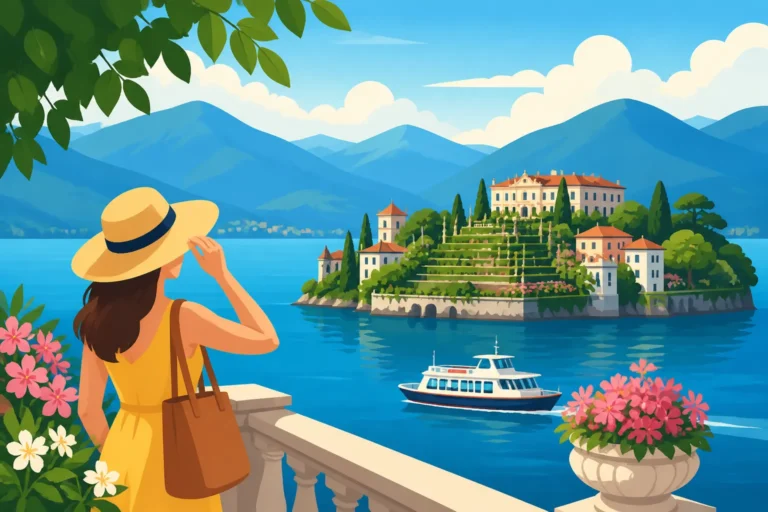
The Borromean Islands themselves are a true highlight. Isola Bella is the most famous, dominated by the Baroque Borromeo Palace and its extraordinary Italianate gardens, which are built in ten terraces and culminate in a grand unicorn statue. The peacocks roaming freely through the gardens add to the surreal, opulent atmosphere. Isola Madre, the largest of the three, is a botanical paradise, home to an English-style garden filled with rare plants, exotic birds, and a beautiful villa. It's a tranquil escape, perfect for nature lovers. Finally, Isola dei Pescatori (Fishermen's Island) is the only one still inhabited by a small community, with narrow alleys, charming houses, and excellent seafood restaurants. It offers a more authentic, rustic charm compared to its grander neighbors. You'll want to set aside a full day to properly explore these incredible islands, and perhaps even book a tour via GetYourGuide to learn about their rich history.
Verbania and the Santa Caterina del Sasso Monastery
Further north on Lake Maggiore, Verbania is a larger town known for its beautiful botanical gardens, Villa Taranto. These gardens, created by a Scottish captain in the 1930s, are a masterpiece of landscape design, featuring thousands of plant species from around the world, elaborate fountains, and stunning floral displays. It’s a wonderful place to spend a sunny afternoon, getting lost among the vibrant colors and intoxicating scents. Verbania itself is a lively town with a good selection of shops and restaurants, offering a more local experience compared to tourist-centric Stresa.
Perhaps one of the most iconic and dramatic sights on Lake Maggiore is the Hermitage of Santa Caterina del Sasso, a monastery clinging precariously to a sheer rock face above the lake. This incredibly picturesque complex, dating back to the 12th century, can be reached by climbing down a long stairway or, more easily, by a convenient elevator built into the rock. You can also arrive by ferry, which offers the most spectacular views of the monastery from the water. Stepping inside, you'll discover frescoes, courtyards, and a sense of profound peace. It's a truly unique architectural marvel and a spiritual retreat that feels suspended between heaven and earth.
Milan: The Pulsating Heart of Lombardy
No trip to Lombardy would be complete without experiencing Milan, the region's capital and Italy's undisputed fashion and finance powerhouse. Far from being a mere stopover, Milan is a vibrant, sophisticated city brimming with art, culture, history, and a modern, forward-thinking energy that sets it apart from other Italian cities. While it might not have the ancient ruins of Rome or the Renaissance art of Florence, Milan offers its own distinct, compelling charm, often surprising first-time visitors with its elegance and hidden treasures. Our dedicated Milan City Guide: Fashion, Art, and the Duomo delves even deeper into what makes this city tick.
Architectural Wonders: Duomo, Galleria, and Sforza Castle
Milan's most iconic landmark is undoubtedly the Duomo di Milano, a magnificent Gothic cathedral that took nearly six centuries to complete. Its intricate façade, countless spires, and stunning stained-glass windows are awe-inspiring. Climbing to the Duomo's terraces (by stairs or elevator) is an absolute must, offering breathtaking views of the city skyline and, on a clear day, the distant Alps. The sheer scale and detail of this architectural marvel are incredible, and you could spend hours just examining its exterior.
Adjacent to the Duomo is the Galleria Vittorio Emanuele II, Italy's oldest active shopping gallery and a true architectural gem. This stunning iron-and-glass vaulted arcade houses luxury boutiques, elegant cafes, and historic restaurants, making it a beautiful place to stroll, window shop, or enjoy a coffee while admiring the intricate mosaics and frescoes. It’s often called "Milan's drawing room" and embodies the city's blend of elegance and commerce. Not far from these central points, you'll find the majestic Sforza Castle (Castello Sforzesco), a vast medieval fortress that once housed Milan's ruling families. Today, it hosts several museums, including a collection of ancient art and Michelangelo's unfinished Rondanini Pietà. The castle grounds also include the beautiful Parco Sempione, a sprawling urban park perfect for a leisurely walk or a picnic.
Fashion, Art, and Culture: Beyond the Icons
Milan is synonymous with fashion, and a walk through the Quadrilatero della Moda (Fashion District) – particularly Via Montenapoleone and Via della Spiga – reveals world-renowned designer boutiques. Even if high fashion isn't your thing, the window displays alone are a work of art, and the atmosphere is electric during Milan Fashion Week. Beyond shopping, Milan is a cultural heavyweight. The Teatro alla Scala, one of the world's leading opera houses, offers guided tours that provide a peek into its rich history and stunning interiors. For art lovers, the Pinacoteca di Brera boasts an impressive collection of Italian masterpieces, including works by Raphael, Caravaggio, and Bellini.
But perhaps Milan's most famous artistic treasure is Leonardo da Vinci's The Last Supper (Il Cenacolo), housed in the refectory of the Santa Maria delle Grazie convent. This iconic mural is incredibly fragile, meaning visits are limited and tickets must be booked months in advance. It's a profound experience to stand before this masterpiece, so definitely plan ahead if it's on your bucket list. Don't forget to immerse yourself in daily Milanese life; grab a coffee at a local bar – our guide on How to Order Coffee in Italy Like a Local might come in handy – or experience the vibrant aperitivo scene in neighborhoods like Brera or Navigli, where canals are lined with bustling bars and restaurants.
Beyond the Big Lakes: Lesser-Known Gems of Lombardy
While the big three lakes and Milan certainly grab headlines, Lombardy is dotted with countless other captivating destinations that offer a different, often more authentic, slice of Italian life. These spots might not be as internationally renowned, but they provide equally rich cultural experiences, stunning landscapes, and fewer crowds, perfect for those seeking to delve deeper into the region. Exploring these hidden gems can often lead to some of the most memorable moments of your trip, giving you a unique perspective on Lombardy.
Bergamo: A Tale of Two Cities
Just a short distance northeast of Milan lies Bergamo, a city often overlooked but incredibly charming. It's effectively two cities in one: the modern Città Bassa (Lower City) and the medieval Città Alta (Upper City), perched atop a hill and enclosed by Venetian walls. Taking the funicular up to the Città Alta is like stepping back in time. The cobbled streets, historic piazzas, and beautiful architecture create an enchanting atmosphere. Highlights include the Piazza Vecchia, the stunning Basilica di Santa Maria Maggiore, and the Colleoni Chapel, all masterpieces of Renaissance art and architecture.
The views from the Città Alta, particularly from the Campanone (bell tower), are magnificent, stretching across the lower city and into the surrounding plains and foothills. Bergamo is also a gastronomic delight, famous for its casoncelli (stuffed pasta) and polenta. Spend an afternoon simply wandering, stopping for a coffee or a glass of local wine, and soaking in the timeless beauty of this unique city. It's a place that rewards slow exploration and offers a truly authentic Italian experience without the frenetic pace of larger tourist hubs.
Lake Iseo and Franciacorta: Wine and Tranquility
For those who prefer a quieter, more intimate lake experience, Lake Iseo, located between Lake Como and Lake Garda, is an absolute treasure. It's smaller, less developed, and exudes a peaceful, authentic charm. The lake is famous for Monte Isola, the largest lake island in Europe, which is entirely car-free and perfect for cycling or walking. You can take a ferry to the island and enjoy its picturesque villages, olive groves, and panoramic views. The town of Iseo itself is a lovely base, with a charming lakeside promenade and a historic center.
Adjacent to Lake Iseo is the Franciacorta region, often dubbed Italy's "Champagne region." This area is renowned for its sparkling wines, produced using the traditional method (Metodo Classico). Wine lovers will delight in exploring the numerous vineyards and wineries, many of which offer tours and tastings. It's a fantastic opportunity to learn about Italian winemaking, sample exquisite Franciacorta wines, and enjoy the beautiful rolling hills covered in vineyards. Several excellent agriturismi (farm stays) in the area offer a chance to stay amidst the vines, providing a truly immersive experience. Consider taking a dedicated tour to truly appreciate the region's offerings.
Practical Tips for Exploring Lombardy and the Italian Lakes
Embarking on an adventure through Lombardy and the Italian Lakes is an incredible experience, but a little planning can go a long way in making your trip smoother and more enjoyable. From navigating transportation to finding the perfect place to stay, these practical tips are designed to help you make the most of your time in this diverse and stunning region. Being prepared means you can focus on soaking in the beauty rather than stressing about logistics.
Navigating Transportation: Trains, Ferries, and Rental Cars
Getting around Lombardy and the Lakes is relatively straightforward, but choosing the right mode of transport depends on your itinerary. Trains are excellent for connecting major cities like Milan and Bergamo, and for reaching towns on the southern shores of Lake Garda (like Desenzano) and Como (like Como San Giovanni). For inter-city travel, check Trenitalia or Italo. When you get to the lakes, ferries are your best friend. They connect all the major towns on Lake Como, Lake Garda, and Lake Maggiore, offering not just convenient transport but also spectacular views from the water. Make sure to understand the different types of ferries – slow (battelli) and fast (aliscafi) – which vary in price and speed.
For exploring the more remote areas, or if you prefer the freedom to stop wherever you please, a rental car can be invaluable. However, be mindful of ZTLs (Limited Traffic Zones) in many Italian town centers, which can result in hefty fines if you enter without proper authorization. Parking can also be a challenge and expensive in popular lakeside towns. If you do opt for a car, our guide on Renting a Car in Italy: ZTLs, Insurance, and Driving Tips is an essential read. For urban exploration, Getting Around Italian Cities: Metro, Tram, and Buses provides valuable information on public transport systems.
Accommodation: From Lakeside Villas to City Stays
Lombardy offers a vast range of accommodation options to suit every budget and travel style. On the lakes, you can find everything from opulent grand hotels and charming boutique B&Bs to self-catering apartments and agriturismi. Booking in advance, especially during peak season (summer and national holidays), is highly recommended, as popular spots fill up quickly. Websites like Booking.com are invaluable for finding and comparing various options, whether you're dreaming of a lakeside villa in Bellagio or a cozy apartment in Varenna. Many smaller, family-run establishments also have their own websites, so it's worth a local search once you've picked a specific town.
In Milan, accommodation ranges from luxury hotels near the Duomo and fashion district to more budget-friendly options further out. Consider staying near a metro station for easy access to all the city's sights. If you're exploring the Franciacorta wine region, an agriturismo offers a unique opportunity to stay on a working farm, often with delicious homemade meals and wine tastings. Regardless of where you stay, check reviews and confirm amenities to ensure it meets your expectations. The article Accommodation in Italy: Hotels, B&Bs, and Agriturismi offers more detailed advice on choosing your stay.
Local Etiquette and Dining: Embracing Italian Culture
Italy is rich in customs and traditions, and embracing a few local etiquette tips can significantly enhance your experience. When dining, remember that Italians often eat later than many other cultures, with dinner typically starting around 8 PM. Tipping is not as ingrained as in North America; a small discretionary tip for excellent service is appreciated, but not expected to be a large percentage of the bill. You might see a "coperto" (cover charge) or "servizio" (service charge) on your bill, especially in tourist areas, which covers bread and service. Don't be alarmed; this is standard practice.
Cafes are for quick espresso shots at the bar, and a cappuccino is generally a morning drink. If you want to savor your coffee, find a table and pay the slight premium for table service. Knowing a few basic Italian phrases like Buongiorno (good morning), Grazie (thank you), and Per favore (please) goes a long way. Italians appreciate the effort, even if your pronunciation isn't perfect. Finally, remember to stay vigilant about your belongings, especially in crowded tourist areas, to avoid petty theft. Our guide on Staying Safe in Italy: Common-Sense Tips for Travelers provides essential advice for a worry-free trip.
Disclaimer
Please remember that travel information, including opening hours, prices, and regulations, can change. While I strive to provide the most accurate and up-to-date details, it is always wise to double-check specific information with official sources or local providers before your trip. Enjoy your incredible journey through Lombardy and the Italian Lakes!