Veneto Beyond Venice: Verona, Padua, and the Foothills
Oh, my dears, I know the feeling. You dream of Venice, right? The gondolas, the canals, the sheer romance of it all. But then you arrive, and suddenly you're swept into a human river, elbow-to-elbow, feeling less like a traveler and more like a sardine in a can. It's a common expat lament, truly. But here's the secret: Venice is just one sparkling jewel in the crown of a region overflowing with charm. This guide is all about pulling back the curtain on the Veneto region, inviting you to discover the breathtaking beauty, history, and authentic Italian life that lies just beyond those famous canals, where you can breathe, explore, and truly connect.
Disclosure: This post may contain affiliate links. We may earn a commission at no extra cost to you if you make a purchase through these links. Read full disclosure.
Beyond the Canals: Why Explore Veneto's Hidden Gems?
When you first land in Italy, especially in the northeast, Venice often feels like the be-all and end-all. And while it's undeniably magical, it's also a victim of its own success. For us expats, or even seasoned travelers, the real magic often lies a little further afield, in places where the rhythm is slower, the smiles are warmer, and your wallet takes less of a beating. The Veneto region, with Venice as its capital, is an incredibly diverse area that ranges from the dramatic peaks of the Dolomites to the tranquil shores of Lake Garda, encompassing rich agricultural lands and historic cities that predate the Roman Empire.
Escaping the Crowds and Finding Authentic Italy
Let's be honest, sometimes you just want to experience Italy without the endless stream of selfie sticks. Moving beyond Venice, even just a short train ride away, transforms your experience entirely. Suddenly, you're not just a tourist; you're a visitor, welcomed into local trattorias where the nonna might still be in the kitchen, and where conversations aren't interrupted by throngs of people. This isn't just about avoiding tourist traps; it's about peeling back layers to find the Italy that many people only dream of—the Italy where daily life unfolds, traditions thrive, and genuine connections are made. It's in these quieter corners that you truly begin to understand the nuances of Italian culture, from the regional differences in dialect to the specific ways a dish is prepared, allowing for a much richer, more personal journey.
A Rich Tapestry of History, Art, and Nature
Veneto is an open-air museum, a living canvas stretching from the mountains to the sea. The region boasts an incredible array of historical sites, from well-preserved Roman amphitheatres to medieval walled cities, Renaissance villas, and Baroque churches. Each city tells its own unique story through its architecture, art, and local traditions. But it's not just about what humans have built; the natural landscapes are equally captivating. You can spend a morning hiking rugged mountain trails and an afternoon sipping Prosecco in rolling vineyards, or explore serene lakes and thermal springs. This diverse geography means that whatever your passion – whether it’s history, art, outdoor adventure, or simply savoring delicious food and wine – Veneto has an abundance of experiences waiting for you, often with far fewer crowds than its famous capital.
Verona: Shakespeare, Roman Grandeur, and Renaissance Charm
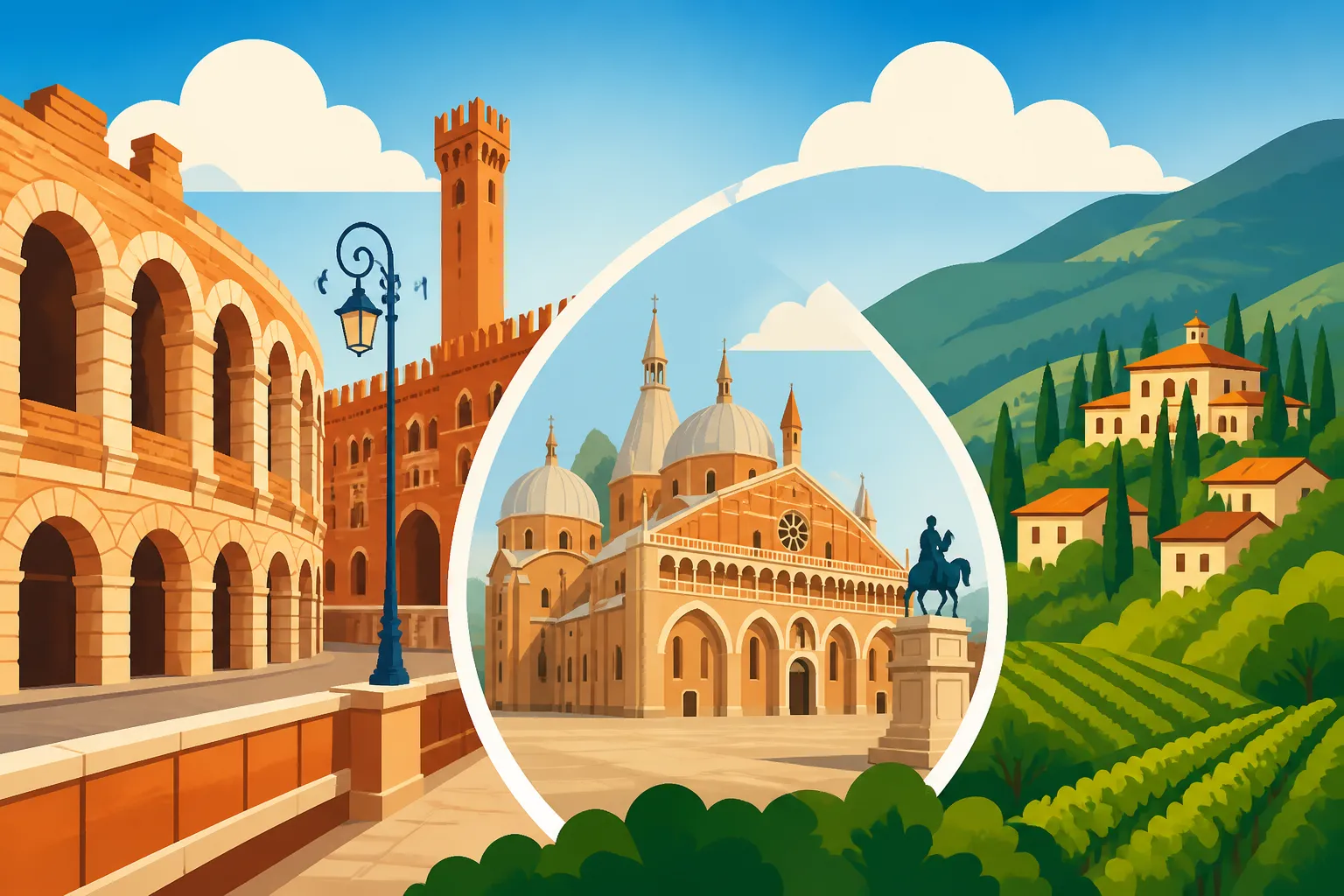
Verona, often dubbed "the city of love," is a place that truly captures the heart. It's an intoxicating blend of Roman antiquity, medieval fortifications, and graceful Renaissance architecture, all set against the backdrop of the meandering Adige River. For anyone who has felt overwhelmed by Venice, Verona offers a wonderfully manageable and deeply rewarding urban experience. The city center is a UNESCO World Heritage site, a testament to its enduring historical significance and beauty. It’s also famously the setting for Shakespeare's Romeo and Juliet, which adds a layer of romantic allure that draws visitors from all corners of the globe, yet it still maintains a distinctly Italian charm and pace of life.
The Arena, Juliet's Balcony, and Historic Center
No visit to Verona is complete without stepping into its magnificent Roman Arena. This colossal amphitheater, predating Rome's Colosseum, is remarkably well-preserved and still hosts spectacular opera performances during the summer months. Imagine sitting where ancient Romans once cheered gladiators, now listening to Verdi or Puccini under the stars! It's an absolutely goosebump-inducing experience. From there, a leisurely stroll through Piazza Bra, with its grand palaces and bustling cafes, leads you into the heart of the historic center. You'll wind through narrow cobblestone streets, eventually reaching Piazza delle Erbe, a vibrant market square built on the site of the ancient Roman forum. Here, medieval buildings adorned with frescoes surround a bustling marketplace. And, of course, there's Casa di Giulietta, Juliet's House, with its famous balcony. While undeniably touristy, it's still charming to see the love notes plastered on the walls and feel a touch of the Shakespearean magic. Don't forget to rub Juliet's right breast on her statue for good luck in love – it’s a quirky tradition!
Verona's Culinary Delights and Wine Culture
Verona isn't just pretty faces and ancient stones; it's a food lover's paradise, deeply rooted in its agricultural surroundings. The local cuisine is hearty, flavorful, and distinct from other parts of Italy. Think pastisada de caval (horse stew, a traditional local specialty), bigoli con l'anatra (thick spaghetti with duck ragù), and risotto all'Amarone (risotto cooked with the famous local red wine). Don't miss trying tortellini di Valeggio, delicate handmade pasta from a nearby village, often served simply with butter and sage. The city is also the gateway to some of Italy's most celebrated wine regions, particularly Valpolicella and Soave. A trip here simply isn't complete without sampling a rich, full-bodied Amarone, a crisp Soave, or a refreshing Bardolino. You can find excellent enoteche (wine bars) throughout the city, perfect for an evening tasting accompanied by local cicchetti (small snacks). Consider taking a dedicated tour into the vineyards to truly appreciate the winemaking process and enjoy some spectacular views.
Practical Tips for Visiting Verona
Verona is incredibly walkable, so comfortable shoes are a must. Most of the main attractions are within easy reach of each other. Public transport, primarily buses, is efficient for getting to and from the train station or outer neighborhoods. If you plan to visit multiple museums and sites, consider purchasing the VeronaCard, which offers free or discounted entry and unlimited public transport for 24 or 48 hours. Getting to Verona is a breeze thanks to Italy's excellent train network. High-speed trains connect it to major cities like Milan, Florence, and Rome, making it a fantastic base or a memorable stop on a longer itinerary. You can easily check train schedules and book tickets through platforms like Omio, which can help simplify your travel planning, especially if you're venturing between different Italian cities. For exploring the wider region, including Lake Garda or the Valpolicella wine country, renting a car can be advantageous, but remember to familiarize yourself with Renting a Car in Italy: ZTLs, Insurance, and Driving Tips beforehand.
Padua: University City, Frescoes, and Botanical Wonders
Just a short distance from Venice, Padua (Padova in Italian) often flies under the radar for many tourists, but for those in the know, it’s a treasure trove. This vibrant university city boasts one of the oldest universities in the world, founded in 1222, which injects a youthful energy into its ancient streets. Padua is a city of arcaded streets, elegant piazzas, and an incredible artistic heritage, most famously home to Giotto's breathtaking Scrovegni Chapel. It feels authentic, bustling with students and locals going about their daily lives, offering a genuine slice of Italian urbanity without the tourist saturation.
Scrovegni Chapel, Basilica di Sant'Antonio, and Prato della Valle
Padua's crown jewel is arguably the Scrovegni Chapel, a small, unassuming building housing Giotto's revolutionary fresco cycle, depicting the lives of Mary and Christ. Painted in the early 14th century, these frescoes are considered a pivotal moment in Western art, ushering in the Renaissance with their emotional depth and naturalism. You must book tickets well in advance, as access is carefully controlled to preserve the delicate artwork. It's a truly moving experience. Not far away stands the Basilica di Sant'Antonio da Padova, a majestic church and major pilgrimage site. Its eclectic mix of architectural styles—Romanesque, Gothic, Byzantine—and its striking domes make it an iconic landmark. Inside, you'll find incredible artworks, a reliquary chapel, and the tomb of Saint Anthony. Finally, take a stroll through Prato della Valle, one of Europe's largest public squares. This elliptical island is surrounded by a canal, lined with 78 statues of famous Paduans, and is a popular spot for locals to relax, picnic, and attend markets or events. It's a grand, open space that perfectly encapsulates Padua's proud civic spirit.
Padua's Vibrant Student Life and Local Markets
Thanks to its prestigious university, Padua has a youthful pulse that keeps the city lively, especially in the evenings. The area around Piazza dei Signori and Piazza della Frutta buzzes with students enjoying aperitivo at historic cafes like Caffè Pedrocchi, a legendary meeting spot since the 19th century. This vibrant academic atmosphere means there's always something happening, from cultural events to lively discussions in the piazzas. The city's markets are another highlight, particularly the daily produce and food market under the Salone (Palazzo della Ragione), a medieval hall with a stunning wooden roof. Here, you can immerse yourself in the sights, sounds, and smells of traditional Italian commerce, buying fresh ingredients, local cheeses, and cured meats. It’s an ideal place to pick up some picnic supplies or simply observe the daily hustle and bustle of local life.
Getting Around Padua and Day Trip Ideas
Padua's compact historic center is easily explored on foot, but the city also has a good public transport network of buses and a tram line that can take you further afield. The train station is conveniently located just outside the core, offering excellent connections to other cities in Veneto and beyond. Padua serves as an exceptional base for day trips due to its central location and robust rail links. You could easily pop over to Venice for a day (only about 30 minutes by regional train) or explore Vicenza, famous for Andrea Palladio's Renaissance architecture. Another wonderful option is the walled city of Cittadella or the tranquil thermal resorts of the Euganean Hills. For those relying on public transport, you can find detailed schedules and book tickets for regional trains and buses via Omio, making multi-city exploration incredibly straightforward. If you're looking to explore more specific sites or want guided experiences, platforms like GetYourGuide offer a range of local tours departing from Padua, from food tours to historical excursions.
The Veneto Foothills: Dolomites, Prosecco Hills, and Thermal Springs
Venturing away from the urban centers, the Veneto region truly opens up, offering an incredible variety of natural landscapes and unique experiences in its foothills and mountains. This often-overlooked area provides a stark contrast to the flat plains and lagoon cities, boasting some of Italy's most dramatic scenery and relaxing retreats. Whether you're an avid hiker, a wine connoisseur, or simply in need of some therapeutic relaxation, the Veneto foothills have something special for you.
Exploring the Dolomites: Hiking and Skiing
While the main range of the Dolomites extends into Trentino-Alto Adige, the eastern flank of these stunning mountains proudly sits within the Veneto region, centered around Cortina d'Ampezzo. These "Pale Mountains," a UNESCO World Heritage site, are an absolute paradise for outdoor enthusiasts. In summer, the area offers countless hiking trails, from gentle strolls through alpine meadows to challenging multi-day treks, all with breathtaking panoramic views. Imagine crisp mountain air, pristine lakes, and dramatic rock formations that glow pink at sunset – it's truly unforgettable. For winter sports lovers, Cortina d'Ampezzo is a world-renowned ski resort, offering pristine slopes, cross-country trails, and a chic après-ski scene. Even if you're not a seasoned hiker or skier, simply driving through the winding mountain roads and stopping in charming alpine villages like Alleghe or Arabba is a reward in itself. This region offers a complete escape, a different kind of Italian beauty that provides a refreshing contrast to the classical art cities.
The Prosecco Road: Sip and Savor
South of the Dolomites, nestled between Conegliano and Valdobbiadene, lies the heart of Italy's most famous sparkling wine region: the Prosecco Hills. This area, also a UNESCO World Heritage site, is a picturesque landscape of rolling vineyards, charming villages, and historic wineries. Driving or cycling along the Strada del Prosecco e Vini dei Colli Conegliano Valdobbiadene (Prosecco Road) is an absolute delight. You can stop at various cantine (wineries) for tastings, learn about the Charmat method (the production process for Prosecco), and enjoy stunning views over the meticulously cultivated hills. This isn't just about drinking; it's about experiencing the passion and tradition behind one of Italy's most beloved wines. Many wineries offer tours and tastings, often with local snacks, providing an intimate look at family-run operations. It's an immersive experience for your senses, pairing the crisp bubbles with the beautiful scenery and warm hospitality. You might even find some lesser-known Cartizze, the highest quality Prosecco, directly from the producer.
Relaxing in the Euganean Hills: Abano Terme
For those seeking tranquility and wellness, the Euganean Hills (Colli Euganei) offer a delightful escape. This group of volcanic hills, located just southwest of Padua, is famous for its thermal springs and mud treatments. Towns like Abano Terme and Montegrotto Terme have been drawing visitors seeking therapeutic benefits for centuries. Here, you can indulge in relaxing mud baths, thermal pools, and a wide range of spa treatments. The mineral-rich waters are renowned for their healing properties, particularly for musculoskeletal conditions. Beyond the spas, the Euganean Hills are also a beautiful area for gentle hiking, cycling, and exploring charming medieval villages like Arquà Petrarca, one of Italy's most beautiful borghi. The region also produces its own distinctive wines and olive oils, which you can sample at local agriturismi (farm stays). It's a perfect spot to unwind, rejuvenate, and experience a different pace of Italian life, far from the hustle and bustle.
Planning Your Veneto Adventure: Logistics and Itinerary Tips
Embarking on a journey through Veneto beyond Venice requires a bit of planning, but trust me, it’s worth every minute. Italy's infrastructure makes multi-city exploration a joy, and with a few tips, you can craft an itinerary that truly suits your style and pace. Whether you prefer the efficiency of trains or the freedom of a car, getting around this region is quite manageable, allowing you to seamlessly transition from historical sites to natural wonders.
Getting Around Veneto: Trains, Buses, and Cars
Italy boasts an excellent public transportation network, and Veneto is no exception. For intercity travel, especially between Verona, Padua, and Venice, trains are your best friend. Both Trenitalia and Italo offer high-speed and regional services that are punctual, comfortable, and relatively inexpensive. For example, the journey from Padua to Verona can be as quick as 20-30 minutes on a high-speed train, or a pleasant hour on a regional one. You can read more about navigating the rail system in High-Speed Trains in Italy: Trenitalia, Italo, Routes, and Savings and Regional Trains in Italy: How to Use Them and Save.
For destinations off the main rail lines, such as the Prosecco Hills or specific villages in the Dolomites, a car becomes almost essential. Keep in mind that driving in Italian city centers can be tricky due to restricted traffic zones (ZTLs), so often it’s best to pick up a rental car on the outskirts of major cities. Platforms like Booking.com often have good deals on car rentals, allowing you to compare various providers and pick-up locations. If you're not comfortable driving, local buses can connect smaller towns, but schedules might be less frequent, especially on weekends. Always check routes and times in advance, perhaps even using a reputable tour operator if you're keen to visit specific wineries or remote hiking spots without the self-driving hassle.
Accommodation Options Beyond Venice
When planning your stay, think creatively beyond the typical hotel chains. Veneto offers a fantastic range of accommodation that caters to different tastes and budgets. In cities like Verona and Padua, you'll find charming boutique hotels in historic buildings, as well as modern apartments for rent. For a more immersive experience in the countryside – perhaps in the Euganean Hills or near the Prosecco Road – consider an agriturismo. These farm stays offer comfortable lodging, often with home-cooked meals featuring local produce, giving you a taste of rural Italian life and hospitality.
Booking.com is a fantastic resource for finding a wide array of options, from budget-friendly B&Bs to luxurious villas, allowing you to filter by location, amenities, and price. Staying outside Venice often means more space, better value, and a chance to experience local life away from the tourist crush. For example, a beautiful apartment in Padua might cost half of what a cramped hotel room in Venice would, freeing up your budget for delicious meals and unique experiences. You can dive deeper into the various types of stays available across the country by checking out our guide on Accommodation in Italy: Hotels, B&Bs, and Agriturismi.
Integrating Other Veneto Destinations into Your Trip
Creating a well-rounded itinerary in Veneto involves balancing iconic sights with more relaxed, off-the-beaten-path experiences. Instead of attempting to "do" Venice in a single day trip from another city, consider allocating a few days to Venice itself, and then dedicating another 3-5 days to explore Verona, Padua, and the foothills.
A possible itinerary might look like this:
- Days 1-3: Arrive in Venice, settle in, explore the main sights, and allow yourself to get lost in its labyrinthine streets.
- Days 4-6: Take a train to Padua. Explore the Scrovegni Chapel, the Basilica, and enjoy the lively student atmosphere. From Padua, you can do a day trip to the Euganean Hills for some relaxation or explore nearby Vicenza.
- Days 7-9: Continue by train to Verona. Immerse yourself in Roman history, enjoy the opera (if seasonal), and savor the local wines. Consider a day trip to Lake Garda or the Valpolicella wine region.
- Optional Extension (Days 10-12): If time allows, rent a car and head north to the Prosecco Hills or the Dolomites for some breathtaking scenery and outdoor activities.
This approach allows you to experience the diverse facets of Veneto without feeling rushed, ensuring you truly soak in the atmosphere of each unique location.
Experiencing Veneto Like a Local
One of the greatest joys of living or traveling in Italy is learning to embrace the local rhythm and customs. Veneto offers abundant opportunities to do just that, allowing you to move beyond the tourist experience and truly feel like a part of the local fabric. It’s about more than just sightseeing; it’s about engaging with the culture, savoring the flavors, and appreciating the simple, profound pleasures of Italian life.
Embrace the Aperitivo Culture
The aperitivo is more than just a drink; it's a cherished daily ritual in Italy, especially vibrant in cities like Padua and Verona. Typically taking place in the late afternoon or early evening, it's a chance to unwind with a Spritz (the Venetian classic), a glass of local wine, or a Negroni, often accompanied by complimentary snacks (cicchetti). These can range from simple olives and potato chips to more elaborate mini-sandwiches, fried delights, or small plates of cured meats and cheeses. It's a social occasion, a moment to chat with friends, people-watch, and ease into the evening before dinner. Don't rush it; linger, sip slowly, and enjoy the ambiance. Embracing the aperitivo is a quintessential way to experience Italian urban life. Dive deeper into this delightful tradition with our guide on Aperitivo in Italy: The Pre-Dinner Ritual Explained.
Savoring Regional Specialties
Every region in Italy boasts its unique culinary identity, and Veneto is no exception. Beyond the famous Venetian seafood, the inland cities and foothills offer a wealth of hearty and delicious dishes that reflect their agricultural heritage. We've already touched on Verona's risotto all'Amarone and its bigoli. When you're in the Dolomites, you'll find more Austrian and German influences, with dishes like canederli (bread dumplings) or hearty polenta preparations. In the Prosecco region, light, fresh dishes that pair well with sparkling wine are common. Don't be afraid to ask locals for recommendations – often the best food is found in unassuming trattorias away from the main squares. Exploring the Italian Regional Cuisine: How Food Changes Across Italy will help you appreciate the diversity. Remember, food here is a serious affair, and enjoying a meal is meant to be a leisurely experience.
Engaging with the Local Pace of Life
One of the most valuable lessons you learn as an expat in Italy is to slow down. Life here moves at a different pace, especially outside the major tourist hubs. This means taking time for a second coffee, engaging in polite conversation with shopkeepers, and not getting frustrated if things take a little longer than you're used to. Participate in a local passeggiata (evening stroll) in a town piazza, observe families enjoying gelato, or simply sit at a cafe and watch the world go by. Learn a few basic Italian phrases – even just "prego" and "grazie" go a long way in showing respect and opening doors to warmer interactions. Italians appreciate the effort, and it can truly enhance your experience, making you feel less like a temporary visitor and more like a welcome guest.
Here's a quick comparison of the major cities in Veneto to help you plan:
| Feature | Venice | Verona | Padua |
|---|---|---|---|
| Primary Vibe | Romantic, unique, bustling | Historic, elegant, romantic | Intellectual, vibrant, artistic |
| Key Attractions | Canals, St. Mark's Square, Doge's Palace | Arena, Juliet's House, Piazza delle Erbe | Scrovegni Chapel, St. Anthony Basilica, Prato della Valle |
| Best For | Iconic experience, unique atmosphere | Culture, history, opera, wine | Art, history, student life, day trips |
| Crowd Level | Very High | Medium-High | Medium |
| Walkability | High (no cars) | High | High |
| Typical Cost | High | Medium-High | Medium |
| Train Time to Venice | N/A | ~1 hour 10 mins | ~30 mins |
Disclaimer
Please remember that travel information, opening hours, prices, and regulations can change. While we strive to provide the most current and accurate advice, it's always a good idea to double-check details with official sources or local businesses before your trip. This guide is for informational purposes only.