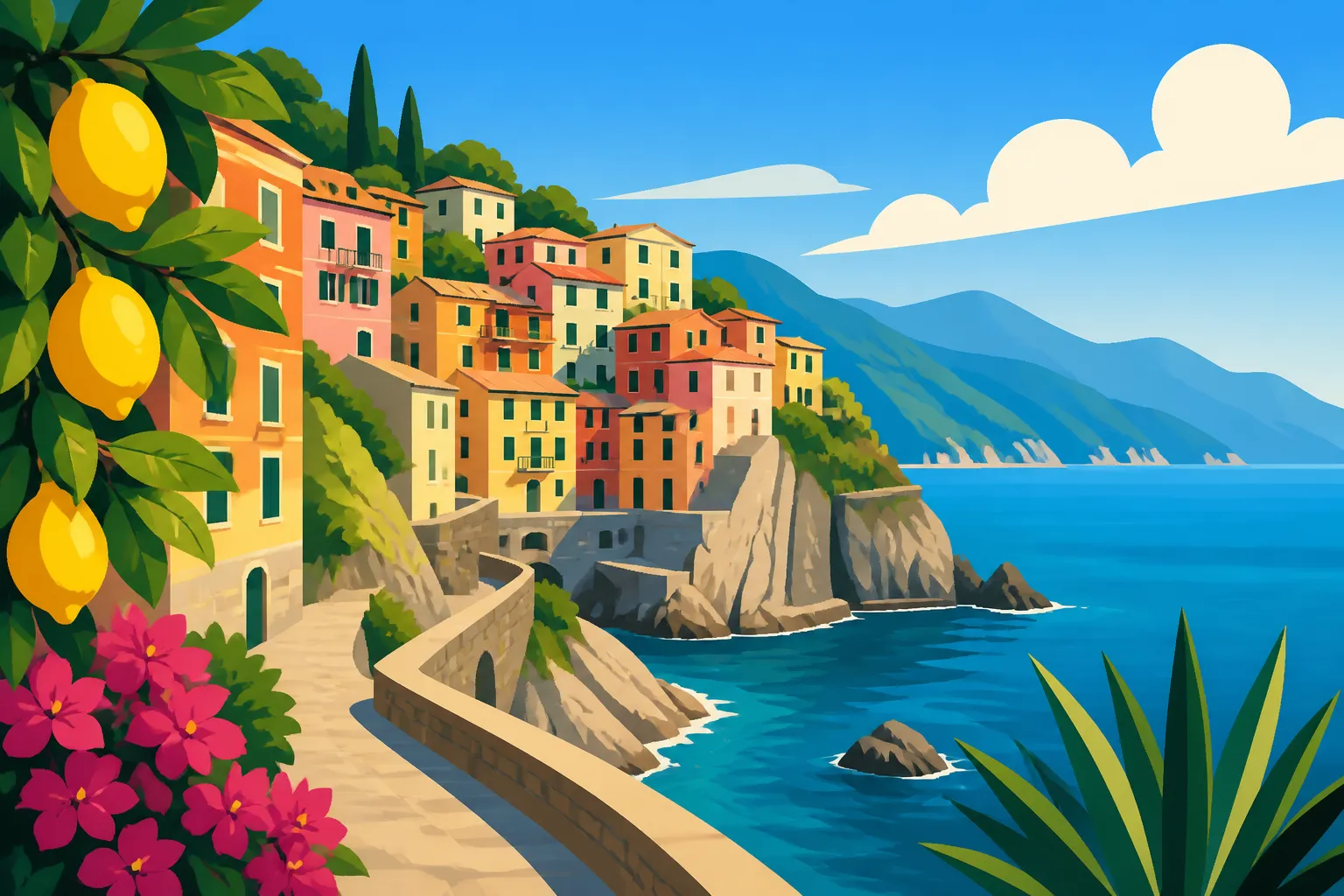
The Italian Riviera: Liguria’s Coast and Towns
Ah, the Ligurian coast! If you’ve ever found yourself scrolling through endless photos of vibrant cliffside villages, azure waters, and pastel-colored towns, you’re likely dreaming of the Italian Riviera. But let’s be real, seeing these picture-perfect spots online often leaves you wondering how to actually navigate them, where to go beyond the most famous names, and how to avoid the tourist traps. This guide is here to demystify the Italian Riviera for you, offering a comprehensive look at Liguria’s breathtaking coastline, from its iconic hotspots to its serene, lesser-known corners, ensuring you can plan a trip that feels both authentic and utterly unforgettable.
Disclosure: This post may contain affiliate links. We may earn a commission at no extra cost to you if you make a purchase through these links. Read full disclosure.
Understanding the Italian Riviera: Beyond the Postcards
The Italian Riviera, or Ligurian Riviera, stretches across the crescent-shaped region of Liguria in northwest Italy, hugging the Ligurian Sea. It's a place where mountains plunge dramatically into the sea, creating a landscape of unparalleled beauty. While many immediately think of Cinque Terre, the Riviera is far more expansive and diverse, traditionally divided into two main sections: the Riviera di Levante (Eastern Riviera) and the Riviera di Ponente (Western Riviera), with Genoa roughly marking the divide. Both offer unique charms, distinct local cultures, and varied experiences for visitors, from bustling port cities to tranquil fishing villages.
The Distinct Halves: Levante vs. Ponente
Imagine a big, beautiful smile. Genoa is like the front tooth, and the two arcs extending out are the Levante and Ponente. The Riviera di Levante, to the east of Genoa, is perhaps the more famous and dramatic half. This is where you find those iconic, rugged cliffs, secluded coves, and well-known towns that have captivated travelers for centuries. Think steep hillsides covered in olive groves and vineyards, colorful houses stacked precariously on cliffs, and harbors filled with fishing boats and luxury yachts. It’s undeniably stunning, but its popularity also means it can get quite crowded, especially during peak season.
The Riviera di Ponente, to the west of Genoa, offers a different, often more subdued, kind of beauty. This side is characterized by softer, sandier beaches, a gentler coastline, and a climate that's often compared to the French Riviera (which it borders). Here, you'll find elegant seaside resorts, wide promenades, and a more relaxed atmosphere. It's often less explored by international tourists, making it a wonderful place to discover a more authentic, local Italian coastal experience. The towns here tend to be spread out more, and you'll encounter a mix of quaint villages and larger, more established cities. Both halves boast excellent cuisine, friendly locals, and plenty of opportunities for outdoor activities, but they truly offer different vibes.
Why Liguria is More Than Just Its Coast
While the coastline is undoubtedly the star, Liguria itself is a fascinating region that extends inland. Just a few kilometers from the bustling seaside, you’ll find charming medieval villages perched on hilltops, dense forests, and hiking trails that offer panoramic views of the sea. These inland areas provide a wonderful contrast to the coastal buzz and are often overlooked. Exploring them allows for a deeper dive into Ligurian culture, away from the immediate tourist hubs. You can discover ancient traditions, sample rustic, authentic food in family-run trattorias, and enjoy the peace of nature. Many of these hilltop villages, or borghi, offer breathtaking vistas and a sense of stepping back in time. It’s truly a region that rewards those who are willing to venture slightly off the well-trodden path.
Exploring the Eastern Riviera (Riviera di Levante): Iconic Beauty
The Riviera di Levante is what most people picture when they think of the Italian Riviera. It's a land of dramatic cliffs, hidden coves, and villages clinging to hillsides like colorful limpet shells. This stretch of coast, running from Genoa down to La Spezia, is home to some of Italy's most celebrated and postcard-perfect destinations.
The Enchanting Cinque Terre
Let's address the elephant in the room first: Cinque Terre. Monterosso al Mare, Vernazza, Corniglia, Manarola, and Riomaggiore – these five colorful fishing villages, seemingly untouched by modern development, are a UNESCO World Heritage site and an absolute must-see for many. Each village has its own character, from Monterosso's sandy beach to Vernazza's picturesque harbor and Manarola's iconic cliffside homes. The allure of Cinque Terre lies in its rugged beauty, the vibrant hues of its buildings, and the incredible hiking trails that connect the villages.
However, their immense popularity means they can get incredibly crowded, especially from late spring through early autumn. To truly appreciate their magic, consider visiting during the shoulder seasons (April, May, late September, October) or focusing your exploration on early mornings or late afternoons. You'll want to take your time to wander the narrow carrugi (alleys), sample fresh seafood, and simply soak in the atmosphere. Remember that the famous coastal path, Via dell'Amore, is often closed for repairs, so always check the status of hiking trails before you go. The best way to experience Cinque Terre, especially if you're keen on hiking, is by utilizing the efficient regional trains that connect the villages. You can grab a Cinque Terre Card for unlimited train travel and trail access for a day or more.
Portofino and the Glamorous Gulf of Tigullio
Just south of Genoa, you'll find the stunning Gulf of Tigullio, a beautiful bay dotted with charming towns. At its heart is the legendary Portofino, a small fishing village transformed into a playground for the rich and famous. With its perfectly pastel-colored houses clustered around a sparkling harbor filled with luxury yachts, Portofino exudes an air of exclusive glamour. While it can be pricey, a visit to Portofino is still an experience. You can enjoy an aperitivo by the water, hike up to Castello Brown for breathtaking views, or simply people-watch.
Neighboring Santa Margherita Ligure offers a more accessible, yet equally elegant, experience. It boasts beautiful promenades, Art Nouveau villas, and a lively town center with excellent restaurants and shops. From Santa Margherita, you can easily take a picturesque boat trip to Portofino or to the charming San Fruttuoso Abbey, a secluded Benedictine monastery accessible primarily by boat or a challenging hike. Rapallo is another popular resort town in the Gulf of Tigullio, offering a blend of history, a cable car ride up to the Sanctuary of Montallegro, and plenty of seaside activities. This area perfectly embodies the classic allure of the Italian Riviera – a blend of natural beauty, sophisticated towns, and a touch of old-world charm. When searching for places to stay in this elegant area, websites like Booking.com can offer a wide array of options, from luxury hotels to more modest guesthouses.
Levanto, Portovenere, and the Gulf of Poets
Beyond the immediate cluster of Cinque Terre, the Eastern Riviera holds more treasures. Levanto, often considered the "gateway to Cinque Terre," is a fantastic base for exploring the region. It's a larger town with a beautiful sandy beach, a relaxed vibe, and a good selection of restaurants and shops, all at a slightly lower price point than its famous neighbors. From Levanto, you can hike or bike along old railway tunnels that have been converted into scenic paths, leading to nearby villages like Bonassola and Framura.
To the south, just beyond Cinque Terre, lies Portovenere. Often dubbed the "sixth village," Portovenere is another UNESCO site that rivals the Cinque Terre in beauty but with fewer crowds. Its dramatic church, San Pietro, perched on a rocky promontory, and the colorful row houses lining the harbor are simply breathtaking. The town also marks the entrance to the "Gulf of Poets," a stunning bay that inspired literary greats like Lord Byron and Percy Bysshe Shelley. The main city of this gulf is La Spezia, a larger port city that serves as a useful transport hub for trains and ferries, offering convenient access to the entire region. Considering a guided tour in these areas? Websites like GetYourGuide offer various excursions, from boat trips around Cinque Terre to walking tours in Portovenere, often providing insightful local perspectives.
Discovering the Western Riviera (Riviera di Ponente): Hidden Gems and Local Life
While the Riviera di Levante often steals the spotlight, the Riviera di Ponente, stretching west from Genoa towards the French border, offers a distinct charm that is equally captivating. Here, the landscape mellows, the beaches tend to be wider and sandier, and the pace of life often feels a little more authentically Ligurian, away from the throngs of international tourists.
Sanremo, the City of Flowers and Music
Sanremo is perhaps the most famous town on the Riviera di Ponente, known internationally for its annual Sanremo Music Festival, a legendary event in Italian culture. It's a vibrant city with an elegant promenade, a grand casino, and lush gardens filled with flowers – hence its nickname, the "City of Flowers." Sanremo combines a touch of old-world glamour with a lively, modern atmosphere. You can wander through the Pigna, its charming medieval old town, explore the beautiful Russian Orthodox Church, or simply enjoy a coffee at one of its many bustling cafes.
The city also offers excellent shopping and a long stretch of sandy beach. It's a fantastic base for exploring the westernmost part of Liguria, including the nearby cycling path, a flat and scenic route built on an old railway line that connects several coastal towns. This path is perfect for a leisurely ride, offering stunning sea views and access to charming beach towns like Arma di Taggia and Santo Stefano al Mare.
Bordighera and the Border Towns
Just a short distance from the French border, Bordighera offers a tranquil yet sophisticated retreat. It's renowned for its mild climate, lush palm trees, and beautiful gardens, which attracted many British visitors in the Victorian era. The town has a delightful old quarter, Bordighera Alta, perched on a hill overlooking the sea, with narrow streets and charming piazzas. The views from here, particularly at sunset, are spectacular.
Ventimiglia, right on the French border, is another interesting town, primarily known for its lively Friday market, which draws crowds from both Italy and France. While not as picturesque as some other Ligurian towns, its Hanbury Botanical Gardens (Giardini Botanici Hanbury), located on a magnificent promontory just outside town, are an absolute gem and a must-visit for any garden enthusiast. These border towns provide a unique cultural blend, with a distinct influence from neighboring France evident in their cuisine and architecture.
Finale Ligure, Savona, and the Inland Wonders
Moving further east along the Ponente coast, you'll encounter towns like Finale Ligure, a fantastic destination for outdoor enthusiasts. Known for its extensive network of mountain biking trails and world-class rock climbing routes, Finale Ligure also boasts beautiful beaches and a charming medieval old town, Finalborgo, which is considered one of Italy's most beautiful villages. It's a lively town that successfully balances adventure tourism with relaxed beach holidays.
Savona, a larger port city, serves as an important hub for ferries and cruise ships. While often overlooked by tourists rushing to more famous destinations, Savona has a historic center with some impressive architecture, including its imposing Priamar Fortress and a beautiful cathedral. It’s a working city with a genuine Italian feel, offering a glimpse into everyday Ligurian life. Beyond Savona, towns like Alassio and Laigueglia are popular beach resorts known for their long, sandy stretches and bustling summer atmospheres, ideal for family holidays. These areas are generally more budget-friendly than the more glamorous spots on the Levante, making them an excellent choice for a longer stay.
Getting Around the Ligurian Coast: Navigating the Terrain
Traveling along the Italian Riviera can be a wonderfully scenic experience, but it requires a bit of planning, especially given the region's unique geography. The coast is a ribbon of land nestled between mountains and the sea, which means roads can be winding and towns often benefit from excellent train connections.
Trains: The Lifeline of the Riviera
For many, the train is the best way to travel along the Ligurian coast. The main railway line runs parallel to the coastline, often offering stunning sea views, and connects almost all major towns and villages. This is particularly true for the Riviera di Levante, where driving can be challenging due to narrow roads, limited parking, and restricted traffic zones (ZTLs). For instance, exploring the Cinque Terre villages almost exclusively relies on the efficient regional train service.
Booking your train tickets is relatively straightforward. You can use apps like Omio or purchase tickets at train stations. For regional trains, remember to validate your ticket at the green or yellow machines on the platform before boarding, otherwise, you risk a fine! High-speed trains connect Genoa to major Italian cities, making it easy to reach the Riviera from further afield. For more detailed information, our guide on Regional Trains in Italy: How to Use Them and Save is a great resource. You'll find that for many inter-town journeys, especially within specific sections of the Riviera, trains are not just convenient but often the fastest and most stress-free option.
Buses, Boats, and Driving Challenges
While trains are king for inter-town travel, local buses are essential for reaching some hilltop villages or exploring areas slightly off the main train line. Bus services generally connect train stations to the town centers, or link nearby villages. Schedules can be less frequent, especially on Sundays or public holidays, so always check in advance.
Boats offer another incredibly scenic way to experience the Ligurian coast, particularly in the Riviera di Levante. Ferry services connect towns like Portofino, Santa Margherita Ligure, Rapallo, and the Cinque Terre villages, providing unparalleled views of the coastline from the water. This is an experience not to be missed!
Driving in Liguria, however, comes with its own set of challenges. The coastal roads, while scenic, can be very winding and slow. Parking is often a nightmare, especially in popular towns, and many historic centers have strict ZTLs (Limited Traffic Zones) that are monitored by cameras, resulting in hefty fines if you enter without permission. If you do plan to drive, be sure to read up on Renting a Car in Italy: ZTLs, Insurance, and Driving Tips to avoid common pitfalls. While a car offers flexibility for exploring the inland areas and the Riviera di Ponente, where distances between towns are greater, for the most popular coastal stretches, public transport is often the wiser choice.
Savoring Ligurian Flavors: Food and Wine of the Coast
Oh, the food! Ligurian cuisine is a testament to the region's dual identity – the bounty of the sea and the produce of its terraced hillsides. It's a "cucina povera" (poor cuisine) at its heart, characterized by simple, fresh ingredients, vibrant flavors, and an emphasis on herbs, olive oil, and, of course, seafood. Prepare your taste buds for a truly memorable culinary journey.
Pesto, Focaccia, and Olive Oil: The Ligurian Trinity
You cannot talk about Ligurian food without mentioning the holy trinity: pesto, focaccia, and olive oil. Pesto Genovese is world-famous, and for good reason. Made with fresh basil from Pra' (a specific area near Genoa renowned for its basil), pine nuts, garlic, Parmesan, Pecorino Sardo cheese, and the finest Ligurian olive oil, it's a vibrant, aromatic sauce that tastes entirely different when made locally. Forget the jarred stuff; fresh pesto here is a revelation, often served with trofie or trenette pasta, or even just spread on a slice of fresh bread.
Then there's focaccia, a flatbread that's practically a religion in Liguria. From the classic focaccia Genovese, golden and crisp on the outside, soft and airy within, drizzled generously with olive oil and coarse salt, to variations with onions, olives, or cheese, it's a staple at any time of day. It’s perfect for breakfast with coffee, a midday snack, or as an accompaniment to any meal. Ligurian olive oil, typically delicate and fruity, is the golden thread running through all the local dishes. The region's unique climate and terrain produce exceptional olives, and you'll find it used liberally in cooking and as a finishing oil. For a true taste of local eating, check out our guide on How to Find Authentic Restaurants in Italy (Not Tourist Traps).
Seafood Delights and Hearty Inland Dishes
Given its extensive coastline, it’s no surprise that seafood plays a starring role in Ligurian cuisine. You’ll find an abundance of fresh fish and shellfish, often simply grilled, fried, or baked with herbs and olive oil. Look out for fritto misto (mixed fried seafood), acciughe fritte (fried anchovies), or buridda (a seafood stew). Liguria also has its own version of fish soup, ciuppin, a rich, flavorful broth often served with croutons.
But Ligurian cuisine isn't just about the sea. The hilly interior provides ingredients for hearty dishes too. You'll find farinata, a savory chickpea pancake baked in a wood-fired oven, perfect as a snack. Coniglio alla Ligure (rabbit Ligurian style) cooked with olives, pine nuts, and herbs, is a classic. Vegetable pies, or torte di verdura, such as torta Pasqualina (Easter pie) filled with spinach, ricotta, and eggs, are also popular. Don't forget the local cheeses and cured meats from the inland valleys, offering a delicious contrast to the coastal flavors.
Ligurian Wines and the Aperitivo Tradition
Liguria is not one of Italy's most famous wine regions, but it produces some excellent, often overlooked, wines. The challenging terrain means vineyards are often steep and terraced, yielding smaller quantities of high-quality grapes. Look for crisp white wines like Vermentino, Pigato, and Bianchetta Genovese, which pair beautifully with seafood. For reds, Rossese di Dolceacqua is a delightful, light-bodied option. Many wineries offer tastings, especially in the western Riviera or the Cinque Terre area (where Sciacchetrà, a sweet dessert wine, is a local specialty).
And, of course, you're in Italy, so the aperitivo tradition is strong here. This pre-dinner ritual is a fantastic way to unwind and enjoy a drink with some complimentary snacks. Head to a bar in the late afternoon, order a Spritz, a glass of local wine, or a non-alcoholic aperitivo, and enjoy the convivial atmosphere as you nibble on focaccia, olives, and small bites. It's a quintessential Italian experience and a perfect way to ease into your evening. To truly immerse yourself in the culture, consider reading our post on Italian Wine, Coffee, and Aperitivo Culture.
Planning Your Trip: Practical Advice for Expats and Tourists
Moving to or visiting the Italian Riviera is an exciting prospect, but like any journey, a little insider knowledge goes a long way. From choosing the right time to visit to finding the perfect place to lay your head, these practical tips will help you make the most of your Ligurian adventure.
When to Visit and How to Avoid Crowds
Choosing the right time to visit the Italian Riviera can significantly impact your experience. The peak season runs from June to August, when the weather is hottest, and the crowds are at their largest, especially in popular spots like Cinque Terre and Portofino. Prices for accommodation and services also tend to be at their highest. If you love the buzz of summer, lively beaches, and don't mind the heat, this is your time.
However, many expats and seasoned travelers prefer the shoulder seasons: April, May, early June, and September, October. During these months, the weather is pleasantly warm, the landscapes are lush, and the crowds are more manageable. Hiking is particularly enjoyable in spring and autumn, and the sea is warm enough for swimming from late May through September. Even winter (November to March) has its charm, especially on the Riviera di Ponente, which enjoys a mild climate. While some tourist services might be closed, you'll experience a quieter, more authentic Liguria, often with brilliant sunshine and lower prices. Consult our Seasonal Italy: When to Visit and What's On guide for broader Italian seasonal advice.
Finding the Perfect Accommodation
The Ligurian coast offers a diverse range of accommodation options, from luxury hotels in Portofino and Santa Margherita Ligure to charming B&Bs in medieval villages, agriturismi (farm stays) in the hills, and countless vacation rentals. When searching, consider your priorities:
- For glamour and convenience: Focus on larger towns like Santa Margherita Ligure, Sanremo, or Rapallo.
- For active travelers and hikers: Levanto or Monterosso al Mare (Cinque Terre) are excellent bases.
- For a quieter, more authentic experience: Explore the Riviera di Ponente (e.g., Bordighera, Finale Ligure) or inland villages.
- For families: Towns with wider, sandier beaches like Alassio or Diano Marina on the Ponente are good choices.
Websites like Booking.com are invaluable for finding and comparing various types of accommodations, often with detailed reviews. For longer stays or a more independent experience, consider looking into villas or apartments. Remember that space can be at a premium in historic buildings, and always check if air conditioning is available, especially for summer visits.
Essential Tips for a Smooth Trip
- Learn some basic Italian: While many people in tourist areas speak some English, a few Italian phrases go a long way in showing respect and enhancing your interactions. Locals genuinely appreciate the effort.
- Wear comfortable shoes: Liguria is a region of hills, stairs, and cobblestones. Good walking shoes are an absolute must, especially if you plan on exploring the villages or hiking.
- Mind the ZTLs: As mentioned, if driving, be extremely vigilant about Limited Traffic Zones in town centers. Parking outside these areas and walking in is always the safest bet.
- Embrace slow travel: Don't try to cram too much into one day. The beauty of Liguria lies in its relaxed pace. Allow yourself time to linger over a coffee, stroll through a market, or simply sit and watch the world go by.
- Stay hydrated and sun-safe: Especially in summer, the Italian sun can be intense. Always carry water, wear a hat, and use sunscreen.
- Book ahead for popular attractions and restaurants: During peak season, popular spots can fill up quickly. Make reservations for dinner and consider buying tickets for major attractions (like boat tours or museum entries) in advance. GetYourGuide offers many convenient booking options for tours and experiences.
- Be aware of local customs and etiquette: From dress codes in churches to restaurant habits, understanding a bit about Italian Customs, Etiquette, and Social Life can enrich your experience and avoid any awkward moments. For specific advice on different types of rentals, our article on Short-Term and Mid-Term Rentals in Italy: When They Make Sense might also be helpful.
By keeping these points in mind, you're well on your way to a fantastic adventure along the Italian Riviera, whether you're here for a quick visit or planning a longer stay. Enjoy every moment of this truly magical corner of Italy!
Disclaimer
Please note that while every effort has been made to provide accurate and up-to-date information, circumstances in Italy, including local regulations, prices, and availability of services, can change rapidly. We recommend verifying critical details closer to your travel dates. This guide is for informational purposes only and does not constitute professional advice.