Sardinia for Travelers: Beaches and the Interior
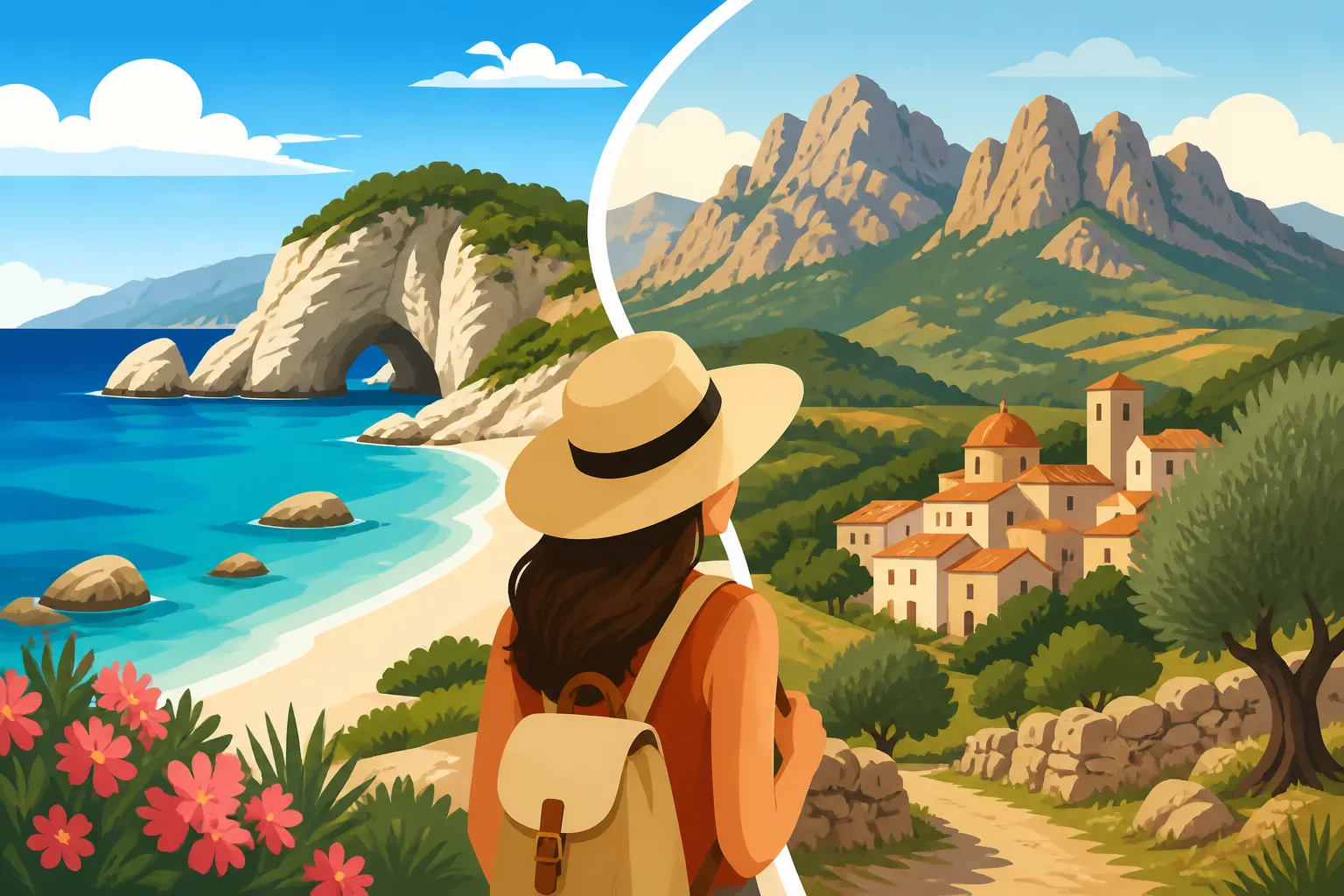
Oh, Sardinia! Just uttering the name conjures images of sparkling turquoise waters and impossibly white sand. But let's be real, as seasoned expats and travelers, we know Italy's islands offer far more than just postcard-perfect beaches. Many first-timers arrive dreaming only of the coast, unaware of the rugged, ancient heart that beats fiercely in Sardinia's interior, leading to missed opportunities and a feeling of not quite "getting" the island. This guide is here to help you navigate that wonderful dilemma, ensuring you discover the full, breathtaking spectrum of Sardinia, from its legendary shores to its timeless, untamed mountains.
Disclosure: This post may contain affiliate links. We may earn a commission at no extra cost to you if you make a purchase through these links. Read full disclosure.
Sardinia Beyond the Brochure: An Island of Contrasts
Sardinia isn't just an island; it's a continent in miniature, a land shaped by millennia of wind, sea, and an ancient, resilient culture. When you first arrive, the sheer beauty of the coastline is undeniable, almost overwhelming. But peel back that dazzling layer, and you'll find a different Sardinia, one of dramatic mountains, mysterious archaeological sites, and villages where traditions run deep, almost untouched by time. The real magic happens when you embrace both.
The Allure of the Coastline
For many, Sardinia's coastline is the star of the show, and for good reason. It boasts some of the most spectacular beaches in the Mediterranean, a vibrant mix of bustling resorts and secluded coves that will make you question if you've truly arrived in Italy. From the glamorous stretches favored by jet-setters to the tranquil, family-friendly shores, there's a slice of coastal paradise for every taste. It’s a place where the sea is not just an element but a way of life, dictating rhythms, livelihoods, and leisure.
The colors of the Sardinian sea are truly something to behold – ranging from crystal clear aquamarine shallows that invite a leisurely wade, to deep sapphire blues in the open waters. You'll find every conceivable type of beach here: powdery white sand dunes at places like Cala Luna, smooth pebble coves accessible only by boat, and rugged cliffs plunging into the sea, offering dramatic viewpoints and challenging hikes. Each stretch of coast, from the infamous Costa Smeralda to the wild Costa Verde, has its own unique character, its own story whispered by the waves.
Unveiling the Wild Heart: Sardinia's Interior
But to only see the coast is to miss out on the very soul of Sardinia. Venture inland, and the landscape transforms dramatically. The shimmering blues give way to the deep greens and ochres of the Gennargentu mountain range, jagged peaks, and ancient forests. This is where the pastori (shepherds) have roamed for centuries, maintaining a way of life that feels profoundly connected to the land. Here, the air is crisp, scented with myrtle and juniper, and the silence is broken only by the bleating of sheep or the distant call of a hawk.
The interior is a treasure trove for those seeking authenticity, history, and a glimpse into a Sardinia that defies modern stereotypes. Ancient traditions are fiercely protected in villages like Orgosolo, known for its powerful murals that tell stories of rebellion and resilience. The prehistoric Nuragic civilization left behind thousands of enigmatic stone towers, nuraghi, scattered across the landscape, standing as silent witnesses to a complex society that existed long before Roman times. Exploring these inland areas offers a profound sense of discovery, a journey into the rugged heart of an island that proudly preserves its unique heritage.
Getting There and Getting Around: Navigating Sardinia
Sardinia is an island, which means your journey begins either by air or by sea. Once you're there, you'll quickly realize that to truly experience its diverse beauty, you need a plan for getting around. Many expats who've lived in Italy quickly learn that island logistics can be a different beast compared to mainland travel.
Arriving on the Island: Flights and Ferries
Sardinia is well-connected to mainland Italy and other European cities through its three main international airports: Cagliari-Elmas (CAG) in the south, Olbia Costa Smeralda (OLB) in the northeast, and Alghero-Fertilia (AHO) in the northwest. Which airport you choose often depends on which part of the island you plan to explore first. Cagliari is ideal for the southern beaches and the capital city, Olbia for the famous Costa Smeralda and Maddalena Archipelago, and Alghero for the stunning northwestern coast and historic city. Budget airlines often offer competitive fares, especially if booked in advance.
Alternatively, ferries offer a more leisurely and often more affordable way to reach the island, particularly if you're traveling with a car. Major ports like Genoa, Livorno, Civitavecchia, and Naples offer regular services to Sardinia's main ports: Cagliari, Olbia, Porto Torres, and Arbatax. The journey can range from a few hours to an overnight trip, providing an opportunity to relax and enjoy the sea. For finding and booking your flights or ferry tickets, sites like Omio can be incredibly useful for comparing different options and securing your passage efficiently, allowing you to focus on the excitement of your upcoming Sardinian adventure.
Exploring the Island: Car Rentals and Public Transport
Once your feet hit Sardinian soil, you'll quickly discover that a car is almost essential for truly experiencing the island's many facets. While major cities and towns are connected by bus and train, public transport can be infrequent, especially when trying to reach those secluded beaches or remote Nuragic sites. Relying solely on buses might limit your itinerary and steal precious time from your exploration. If you’re coming from the mainland, consider how Getting Around Italy: Trains, Buses, Flights, and Car Hire might influence your broader Italian travel plans.
Renting a car at any of the airports or major ports gives you the freedom to explore at your own pace. Be prepared for some winding roads, especially in the interior, and keep an eye out for the occasional sheep crossing! Driving in Italy can be an adventure in itself, so it's wise to familiarize yourself with local driving customs and laws, particularly regarding ZTLs in towns. While public transport might work for city-to-city travel, those dream beaches and ancient ruins are often best reached by your own four wheels. Consider booking your car rental in advance, especially during peak season, to secure the best rates and availability.
Coastal Charms: Sardinia's Legendary Beaches
Sardinia’s coastline is a masterpiece, a mosaic of diverse landscapes, each with its own character and allure. From the glittering playgrounds of the rich and famous to the raw, untamed beauty of its wilder shores, the island offers an unparalleled beach experience. It's truly a place where you can find a different kind of paradise every single day.
The Famous North and Northeast: Costa Smeralda and Archipelagos
The northeastern coast is home to the world-renowned Costa Smeralda, or "Emerald Coast," a stretch of coastline synonymous with luxury, stunning marinas, and celebrity spotting. Here, places like Porto Cervo and Porto Rotondo boast exclusive resorts, designer boutiques, and vibrant nightlife. The beaches in this area, such as Capriccioli and Liscia Ruja, are famed for their fine white sand and unbelievably clear, shallow waters, making them perfect for families and those who appreciate a touch of glamour. While it can be pricey, even a day trip to soak in the atmosphere is an experience.
Just offshore from the Costa Smeralda lies the Maddalena Archipelago, a national park comprising several islands and islets, including La Maddalena and Caprera. This is a true haven for sailors and beach lovers, with countless coves and beaches like Spiaggia Rosa (Pink Beach) on Budelli, famous for its unique rosy sands (though it's now protected and only viewable from a distance). Boat tours are highly recommended to explore these pristine waters and discover secluded swimming spots. For those staying a bit longer, seeking out Accommodation in Italy: Hotels, B&Bs, and Agriturismi in this area means you can wake up to these incredible views daily. You can find many lodging options on Booking.com for every budget, from luxurious villas to charming guesthouses.
Hidden Gems of the South and West: Chia, Villasimius, Costa Verde
While the north gets much of the attention, the south and west coasts of Sardinia hold equally captivating, if less ostentatious, beauty. The southeastern stretch, from Chia to Villasimius, offers a succession of breathtaking beaches backed by sand dunes and Mediterranean scrub. Cala Cipolla, Su Giudeu, and Tuerredda near Chia are consistently ranked among Italy’s best, with their Caribbean-like clarity and soft sand. Villasimius offers a lively town atmosphere with easy access to incredible beaches like Porto Giunco and Punta Molentis. These areas are fantastic for water sports, snorkeling, and simply unwinding.
Moving to the wilder southwest, the Costa Verde presents a more rugged, dramatic landscape. This coast is characterized by towering cliffs, vast sandy beaches, and a rich mining history, with abandoned mines adding a unique, melancholic beauty. Beaches like Piscinas, with its impressive sand dunes that stretch inland for kilometers, and Cala Domestica, nestled between two steep cliffs, offer a sense of remote adventure. This part of the island feels less developed, providing a more raw and authentic experience for those looking to escape the crowds and immerse themselves in nature.
Beach Life and Practical Tips
Sardinian beach culture is a delightful blend of relaxation and activity. You'll often find a mix of spiagge libere (free beaches) where you can lay your towel wherever you like, and lidos (beach clubs) which offer sun loungers, umbrellas, and often bars and restaurants for a fee. The lidos can be a great option for convenience, especially if you plan to spend a full day at the beach and appreciate having amenities close at hand. Many also offer watersports equipment rentals, from paddleboards to kayaks.
Always pack essentials like sunscreen, a hat, and plenty of water, as some of the more secluded beaches may not have facilities. For those traveling with young children, many beaches offer very shallow, calm waters for safe play. Parking can sometimes be a challenge, particularly at popular spots during peak season (July and August), so arriving early is often a good strategy. Keep an eye out for signs indicating parking fees, as they are common. Understanding the nuances of Italy's Beaches, Lakes, and Coastal Escapes will certainly enhance your trip.
Delving Inland: Sardinia's Authentic Soul
Stepping away from the dazzling shores and into Sardinia's interior is like turning a page in a history book. The landscape shifts, the air grows cooler, and the whispers of ancient civilizations and resilient traditions become louder. This is where the true, unvarnished spirit of Sardinia resides, a place of dramatic beauty, profound history, and flavors that speak of generations of hard work and connection to the land.
Mountainous Landscapes and Traditional Villages
The Gennargentu mountain range, Sardinia's highest, forms the rugged spine of the island. This is a land of dramatic gorges, dense forests, and high plateaus, offering incredible opportunities for hiking, trekking, and exploring unspoiled nature. The Parco Nazionale del Golfo di Orosei e del Gennargentu protects much of this pristine environment, where eagles soar and wild boars roam. For nature lovers, it's a stark contrast to the coastal vibrancy, providing a sense of peace and isolation.
Nestled within these mountains are the traditional villages of the Barbagia region, places like Orgosolo, Mamoiada, and Desulo. These villages are guardians of Sardinia's unique cultural heritage. Orgosolo is famously known for its powerful political murals (murales) adorning its buildings, depicting local life, history, and social commentary. Mamoiada, on the other hand, is famous for its ancient Carnival rituals involving the unsettling Mamuthones and Issohadores masks, a tradition rooted in prehistoric fertility rites. Exploring these villages allows you to witness a way of life that has largely resisted modernization, a testament to Sardinian pride and autonomy. Many local guides offer tours here, and platforms like GetYourGuide can help you find reputable experiences that delve into these rich traditions.
Nuragic Wonders: Ancient History and Archeology
Sardinia boasts one of the most mysterious and intriguing archaeological legacies in the Mediterranean: the Nuragic civilization. Active from around 1800 BC to the Roman conquest, these people left behind thousands of enigmatic stone structures called nuraghi. These conical towers, built with incredible precision from huge stones without mortar, dot the entire island. They range from simple isolated towers to complex fortresses, serving various purposes from defense to ceremonial sites. Visiting a nuraghe is like stepping back in time, feeling the weight of millennia of history in the silent stones.
The most famous and impressive Nuragic site is Su Nuraxi di Barumini, a UNESCO World Heritage site that offers a comprehensive look at a complex Nuragic settlement. Beyond the nuraghi, you'll also find tombe dei giganti (giants' tombs), megalithic gallery graves, and sacred wells. Exploring these ancient sites provides a fascinating insight into a sophisticated civilization whose origins and ultimate demise are still debated by archaeologists. For anyone interested in history, the interior of Sardinia offers an unparalleled journey into the very distant past.
Food, Wine, and Rural Traditions
The interior of Sardinia offers a distinct culinary experience, deeply rooted in its pastoral traditions. Forget the seafood (mostly) and dive into hearty, rustic flavors. The island's reputation for longevity is often attributed to the diet of its centenarians, many of whom live in the Barbagia region, enjoying a diet rich in local vegetables, goat and sheep's milk products, and lean meats. Traditional Sardinian fare includes pane carasau (crisp, thin shepherd's bread), malloreddus (Sardinian gnocchi), roasted suckling pig (porceddu), and a variety of pecorino cheeses. Learning about Italian Regional Cuisine: How Food Changes Across Italy reveals that Sardinia's distinct culinary identity truly shines in its inland areas.
The wines of the interior are equally robust, with Cannonau (Grenache) being the most prominent red grape, producing full-bodied, age-worthy wines. Monica and Carignano are other notable varietals. Visiting a local winery or an agriturismo (farm stay) provides an opportunity to taste these regional specialties directly from the source, often accompanied by a warm, hospitable welcome. Many agriturismi offer farm-to-table meals, showcasing the freshest local produce and traditional cooking methods. It's a truly immersive way to connect with the land and its people, experiencing genuine Italian Food Culture: Eating Well as a Visitor.
Accommodation and Planning Your Stay
Choosing where to stay in Sardinia can significantly shape your experience, as the island offers a spectrum of options from luxurious resorts to rustic farm stays. Planning your itinerary strategically will allow you to blend coastal relaxation with inland exploration seamlessly.
Where to Rest Your Head: From Resorts to Agriturismi
Sardinia caters to all types of travelers when it comes to accommodation. Along the famous northern and eastern coasts, you'll find a plethora of high-end hotels, exclusive resorts, and private villas, particularly around the Costa Smeralda. These often come with private beach access, infinity pools, and all the amenities you could wish for. If luxury is your priority, these areas deliver an unparalleled experience. Keep an eye out for special deals, especially during the shoulder seasons. Many properties can be found and booked on Booking.com.
For those seeking a more authentic and budget-friendly experience, particularly if you're exploring the interior, agriturismi are an absolute must. These working farms offer rooms or apartments, often including home-cooked meals featuring local produce. Staying at an agriturismo allows you to immerse yourself in rural Sardinian life, savor traditional cuisine, and enjoy the tranquility of the countryside. They are also excellent bases for exploring nearby Nuragic sites and mountain trails. You'll also find charming B&Bs and independent hotels in towns across the island, offering a personal touch and local insights. Consider how Accommodation in Italy: Hotels, B&Bs, and Agriturismi could provide a unique perspective on your travels.
Making the Most of Your Trip: Sample Itineraries and Local Insights
To truly appreciate both sides of Sardinia, a multi-base itinerary is often the best approach. For example, you could start your trip by flying into Olbia, spending 3-4 days exploring the glamorous Costa Smeralda and the Maddalena Archipelago. Then, drive south or inland for another 3-4 days, basing yourself in an agriturismo near the Gennargentu mountains or a historic town like Bosa or Oristano, to delve into the Nuragic sites and traditional villages. Finally, spend your last few days enjoying the southern beaches near Cagliari before flying out.
Don't be afraid to engage with the locals; Sardinians are known for their hospitality, especially once you venture beyond the busiest tourist hubs. A few basic phrases in Italian can go a long way, and you'll find that locals are often eager to share their knowledge and recommendations. Check out Italian Language and Everyday Communication for Visitors to brush up on some essentials. Researching local festivals or sagre (food festivals) can also add a unique cultural dimension to your trip, allowing you to experience the island's vibrant traditions firsthand. Remember that Italy's smaller towns and villages often close for a few hours in the early afternoon for riposo, so plan your activities accordingly.
| Feature | Coastal Sardinia | Interior Sardinia |
|---|---|---|
| Main Attraction | Beaches, sea, luxury resorts, nightlife | Mountains, ancient history, traditional culture |
| Activities | Swimming, sunbathing, boating, watersports | Hiking, archaeological exploration, cultural tours |
| Typical Stay | Hotels, resorts, beachfront apartments | Agriturismi, B&Bs, small village hotels |
| Best For | Relaxation, glamour, family beach holidays | Adventure, history buffs, cultural immersion |
| Transportation | Car rental highly recommended, some boat tours | Car rental essential, guided tours for specific sites |
| Cuisine Focus | Seafood, light pastas | Roasted meats, cheeses, hearty traditional dishes |
| Vibe | Bustling, chic, vibrant | Tranquil, authentic, timeless, rugged |
Disclaimer
Please remember that travel information, including visa requirements, local regulations, and availability of services, can change. Always verify current details with official sources, such as the Italian Embassy or Consulate, and local tourism boards, before making your travel arrangements. This guide provides general advice and personal insights based on typical expat experiences.