How to Find Free Festival Events in Italian Cities
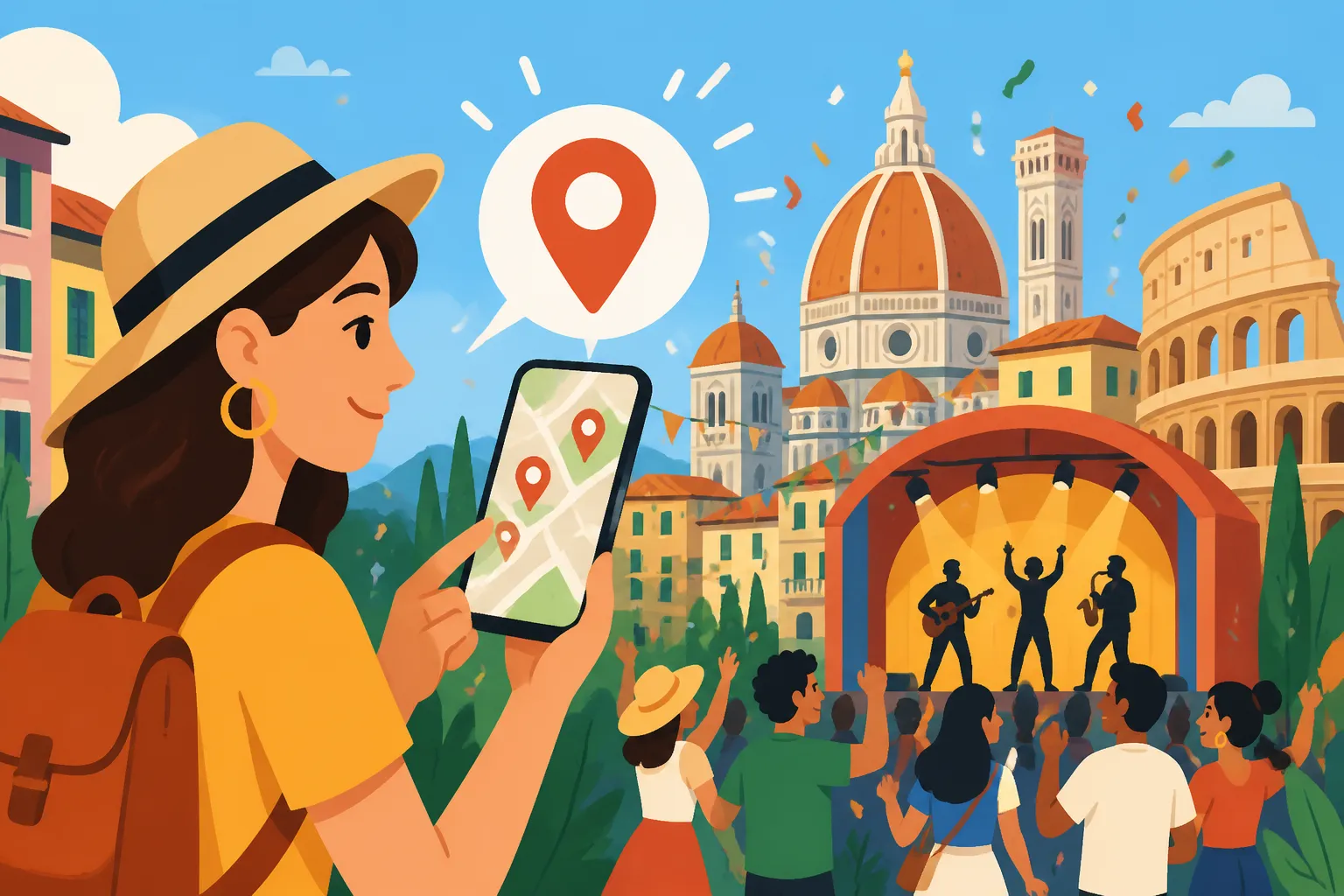
Finding yourself trapped in a sea of overpriced tickets and "tourist-only" performances in Rome or Florence is a common frustration for many newcomers. Most visitors never realize that the best cultural experiences in Italy are often completely free, organized by local municipalities or neighborhood associations that don't have the budget for international advertising. This guide teaches you exactly how to bypass the expensive tourist traps and locate the vibrant, free festival events that define real Italian life.
Disclosure: This post may contain affiliate links. We may earn a commission at no extra cost to you if you make a purchase through these links. Read full disclosure.
Decoding the Italian Event Scene: Why Free Festivals Stay Hidden
One of the first things you learn as an expat in Italy is that information doesn't always move through the channels you expect. Back home, you might rely on a single, centralized app for everything happening in the city. In Italy, the "digital divide" is still very much a reality. While major cities like Milan have sophisticated websites, many of the most authentic free festivals—especially the legendary sagre (food festivals)—are advertised primarily through physical posters known as locandine plastered on the windows of local bars or village walls.
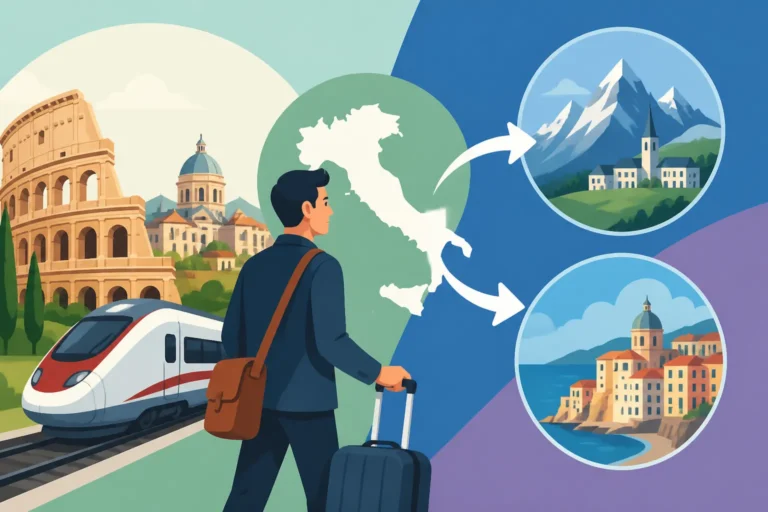
These events are the heartbeat of the community. They range from medieval reenactments in the piazza to contemporary jazz concerts under the stars. The reason they are free is that they are often subsidized by the local Comune (town hall) or regional government to promote local culture and "bella figura." However, because these events are aimed at residents, the promotional materials are almost exclusively in Italian. If you are planning your trip and want to save on logistics while exploring these regions, using platforms like Omio can help you compare train and bus prices to reach the smaller towns where these free events often thrive.
To find these gems, you have to stop looking at global travel blogs and start looking at local institutional websites. Every major city has a dedicated "Estate" (Summer) program. For example, the Estate Romana or Milano è Viva programs offer hundreds of free outdoor cinema screenings, concerts, and theater performances from June through September. These programs are designed to keep the city alive while the residents are on vacation, and they are open to everyone. If you're staying in a centrally located apartment booked via Booking.com, you might be just a short walk away from a free world-class symphony without even knowing it.
The Veteran Expat’s Strategy for Finding Local Sagre
If you really want to experience Italy like a local, you need to master the search for a Sagra. A sagra is a festival dedicated to a specific local product—think truffles, chestnuts, wild boar, or even locally grown strawberries. While the food at the stalls isn't free, the entrance to the festival, the live music, the dancing, and the cultural exhibits almost always are. Finding these requires a bit of digital detective work.
First, you should look for the website of the "Pro Loco" of the region or town you are visiting. The Pro Loco is a grassroots volunteer organization dedicated to promoting their specific town. They are the ones who organize the festivals, and their websites (or more commonly, their Facebook pages) are the gold mine of event data. Searching Facebook for "Pro Loco + [Name of Town]" is often more effective than any Google search. You’ll find scanned images of posters detailing event times, shuttle bus info, and the musical lineup.
Another essential tip is to check How to Find Local Sagre (Food Festivals) During Your Visit to understand the cultural etiquette of these events. Don't expect a polished, corporate experience. These are loud, crowded, and joyous occasions where three generations of a family sit at long wooden tables. If you find the logistics of reaching a remote hilltop sagra too daunting, you can always check GetYourGuide for local food tours that might coincide with festival dates, providing a more structured way to dive into the culinary scene while still enjoying the free atmosphere of the town’s celebrations.
The Power of the "Notte Bianca" and Patron Saint Days
Every Italian city and village has a patron saint, and their feast day is a guaranteed "free festival" day. This is one of the most overlooked opportunities for travelers. In Naples, the feast of San Gennaro brings the entire city to a standstill with processions and street parties. In Venice, the Festa del Redentore features one of the world’s most spectacular free fireworks displays. Knowing the calendar of Italian Public Holidays: What Services Are Closed is vital, but knowing the local saint’s day is what unlocks the free parties.
Beyond religious festivals, keep an eye out for the Notte Bianca (White Night). These are events where museums stay open late (often for free or a symbolic 1 euro fee), and the streets are filled with live music, art installations, and performances that last until dawn. Almost every major city has at least one Notte Bianca per year. It is a surreal experience to see the streets of Rome or Florence pulsating with energy at 3:00 AM, with free concerts in every major piazza.
When planning to attend a Notte Bianca, logistics are key. Public transport usually runs all night during these events, but they get incredibly crowded. It’s a good idea to research How to Travel Between Italian Cities Without a Car well in advance if you plan on hopping between nearby towns to catch different celebrations. Using Omio to check the late-night regional train schedules can save you a very expensive taxi ride back to your hotel.
Digital Resources and Keyword Shortcuts
Since many free events are only listed in Italian, you need to know the specific keywords that trigger the right results. Searching in English for "free things to do in Rome" will mostly give you lists of parks and churches. Searching in Italian will give you the actual event calendars. Here is a breakdown of what to look for and where to look.
| Resource Type | Italian Search Term | What You Will Find |
|---|---|---|
| Municipal Events | City Name Cultura / Estate | Official calendars for concerts, theater, and cinema. |
| Local News | City Name Today / Cronaca | Real-time announcements of street closures and festivals. |
| Food Festivals | Sagre e Feste Region Name | Compilations of food-based festivals by date. |
| Night Events | Notte Bianca City Name | All-night cultural festivals with free museum entry. |
| Saint Days | Festa Patronale City Name | Religious processions, fireworks, and street food. |
Websites like zero.eu are fantastic for finding the "cooler," more contemporary free events in cities like Milan, Rome, and Turin. They focus on club culture, street art, and indie music, often listing pop-up events and gallery openings that offer free entry. For a more traditional vibe, the site sagreinitalia.it is a comprehensive (though visually dated) directory of food festivals across the peninsula. If you find that a particular event is in a hard-to-reach neighborhood, check Staying Safe in Italy: Common-Sense Tips for Travelers to ensure you can navigate the local transport systems after dark with confidence.
Navigating the Crowds and Cultural Etiquette
Attending a free festival in Italy is not like attending a ticketed event in the US or UK. There is a specific social flow you need to respect. First, "free" doesn't always mean "no crowds." In fact, it’s quite the opposite. Italians love a free event, and the concept of bella figura—the art of making a good impression—means everyone will be dressed up and out in force. If a free concert starts at 9:00 PM in a piazza, you should aim to be there by 7:30 PM if you want even a remote chance of a seat (or a good standing spot).
During these events, the local bars and cafes will be the centers of gravity. You might find it hard to get a table, so learning Ordering Food and Drinks in Italian: A Practical Phrasebook is essential for navigating the chaos of a busy bar during a festival. People will be standing in the street with their drinks, and the atmosphere is generally very inclusive. However, be aware that during What Happens in Italy on Ferragosto (August 15)?, almost every city empties out as people head to the coast, so the "free festivals" during this specific week are often centered around beach towns rather than urban centers.
It is also important to remember that while the event is free, the organizers often rely on the sale of food and drink to fund the following year. If you are at a local sagra, it is polite (and expected) to buy something from the official stands rather than bringing your own picnic. This supports the local Pro Loco and ensures the tradition continues. If you are staying in a hotel found through Booking.com, ask the concierge specifically about "feste di quartiere" (neighborhood parties). They often have inside information on small-scale events that never make it onto the internet.
Leveraging Social Media and Local Networking
If you are an expat or a long-term visitor, your best tool is Instagram and TikTok—but not the "travel influencer" side of it. Follow the official accounts of the local Comune (e.g., @comunedimilano or @roma) and the regional tourism boards. They frequently post "stories" about last-minute free events, weather cancellations, or surprise performances.
Another trick is to join local expat Facebook groups, but look for the ones that are specifically about "Events in [City]." People often post about gallery openings or free wine tastings that they’ve heard about through word-of-mouth. If you find a particularly interesting but complex event, you might want to combine it with a professional experience. For instance, if there is a free medieval festival in a remote Tuscan town, you could use GetYourGuide to find a history-themed tour of the area earlier in the day to give you the context you need to enjoy the evening festivities.
Remember that Italian Social Customs: Greetings, Gestures, and Personal Space apply even more strongly in the high-emotion environment of a festival. If you find yourself squeezed into a crowded piazza for a free concert, stay patient. The "piazza culture" is about shared experience, not personal space. Being able to navigate these moments with a smile and a "permesso" will make your experience much more enjoyable.
Logistics for the Adventurous Festival Goer
To truly take advantage of free festivals across Italy, you need to be mobile. Many of the best events happen in towns like Spoleto, Gubbio, or Alba—places that are beautiful but require a bit of planning to reach. Using Omio to map out your routes allows you to see if a regional train can get you there for a few euros, or if a bus is a better option.
When you arrive, look for the tourist office (marked with an "i"). Even if their website is terrible, the physical office will have stacks of brochures and maps for current events. This is where you’ll find the real "free" list. They can also advise you on How to Find Authentic Restaurants in Italy (Not Tourist Traps) that might be offering festival-themed menus.
If you find an event you love and want to stay overnight, Booking.com often has last-minute deals in smaller towns that aren't on the main tourist radar. Staying overnight allows you to experience the festival’s late-night climax—often a DJ set or a local band—without worrying about the last train back to the big city. This kind of slow travel is what transforms a standard vacation into a genuine immersion into Italian life.
Healthcare and Safety During Large Public Events
While Italian festivals are generally safe and family-friendly, large crowds always require a bit of caution. Pickpockets are unfortunately active during major free events like the Notte Bianca or large concerts in the piazza. Keep your belongings in a front-facing bag and avoid carrying large amounts of cash.
If you are traveling with children or elderly relatives, be mindful of the summer heat. Many free festivals happen outdoors in unshaded piazzas. Always carry water and know where the nearest pharmacy (Farmacia) is located. You can also look into Finding and Using Pharmacies in Italy to understand how to get basic help if you feel unwell from the heat or the crowds. Most large festivals will have a visible "Croce Rossa" (Red Cross) tent for first aid, which is a free service provided for the public.
Finally, always have a backup plan for getting home. During major festivals, the demand for taxis can be overwhelming and apps like Uber don't work the same way in Italy as they do elsewhere. Knowing your train or bus options through Omio before the festivities begin will ensure that your night of free cultural bliss doesn't end with an unexpected three-hour walk back to your accommodation.
General Disclaimer
The information provided in this guide is for informational purposes only. While every effort has been made to ensure the accuracy of the advice regarding Italian festivals and travel resources, event schedules and municipal programs are subject to change without notice. Always verify event details with local official sources or the respective venue before traveling. Participation in public events is at your own risk.