How to Get to the Italian Alps by Train
Many travelers land in Milan or Venice with visions of soaring peaks and crisp mountain air, only to be paralyzed by a rail map that seems to end abruptly at the foothills. They often assume a costly, stressful car rental is the only way into the high country. This guide solves that dilemma by detailing exactly how to navigate the regional and high-speed lines to reach the Italian Alps with ease.
Disclosure: This post may contain affiliate links. We may earn a commission at no extra cost to you if you make a purchase through these links. Read full disclosure.
The Major Gateway Hubs for Alpine Rail Travel
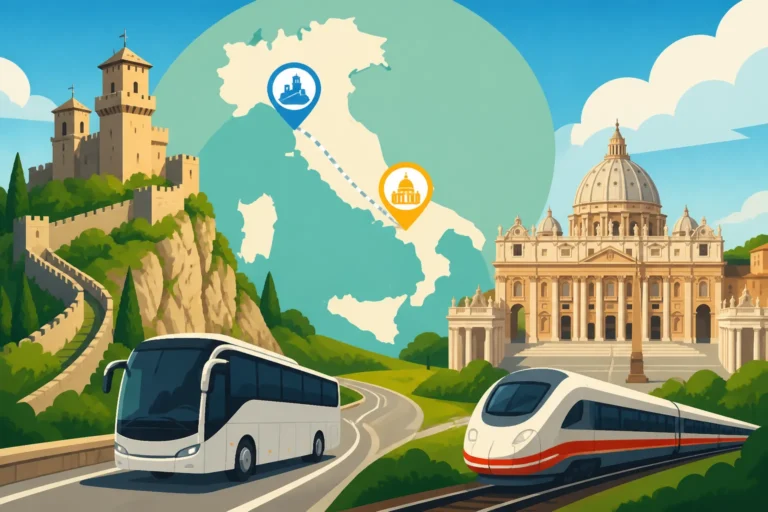
Navigating the Italian rail system to reach the mountains requires a strategic understanding of the northern hubs. You cannot simply look for a train to "the Alps"; you must target specific gateway cities that serve as the transition points between the high-speed national network and the specialized regional lines that climb into the valleys. Milan, Verona, and Venice are your primary staging grounds, and each serves a vastly different sector of the mountain range.
Milan Centrale is the undisputed king of these hubs. From here, you have direct access to the Western Alps, including the Val d'Aosta and the Piedmontese peaks. If you are coming from abroad, you will likely spend some time in the city first. When looking for accommodation near the station to catch those early morning departures, checking options on Booking.com can save you the stress of a long commute across the city with heavy luggage. Milan is also the starting point for the scenic route toward Lake Como and the Valtellina, leading you toward the Swiss border and the famous Bernina Express.
Verona, on the other hand, is the perfect jumping-off point for the Dolomites and the South Tyrol region. It sits at the mouth of the Adige Valley, which acts as a massive natural corridor leading straight to the Austrian border. The transition here is seamless; you can hop off a high-speed Frecciarossa from Rome or Florence and be on a regional train heading north toward Bolzano within thirty minutes. Before you commit to a specific route, using a platform like Omio is incredibly helpful for comparing the price and duration of high-speed legs versus the slower regional options that might actually offer better views.
Venice acts as the gateway to the Eastern Dolomites, specifically the areas around Cortina d’Ampezzo. While Venice itself is at sea level, the Ferrovia Venezia-Calalzo line takes you deep into the Cadore region. This is a more rugged, less-traveled path compared to the Adige Valley, but it offers some of the most dramatic transitions from the Venetian lagoon to the jagged limestone peaks. Understanding these hubs is the first step in mastering Getting Around Italy: Trains, Buses, Flights, and Car Hire as you move from the urban centers to the wilderness.
Navigating the Regional Networks and Specialized Lines
Once you leave the high-speed hubs, you enter the world of regional transport, where the pace slows down and the scenery takes center stage. This is often where foreigners get the most frustrated. In the north, you aren't just dealing with Trenitalia; you will encounter Trenord in Lombardy and SAD in the autonomous province of Bolzano. These networks are highly efficient but require a different approach to ticketing and boarding.
The line from Milan to Tirano is a classic example of Alpine rail magic. As you travel along the eastern shore of Lake Como, the mountains begin to crowd the tracks. By the time you reach the Valtellina valley, you are surrounded by terraced vineyards and granite walls. Tirano is the end of the Italian line, but it is also the start of the UNESCO-listed Bernina Express. Many expats living in Milan use this route for a weekend escape, often booking a local guide through GetYourGuide to handle the logistics of the onward journey into the high-altitude glaciers.
In the Northeast, the Brenner line is your primary artery. This is one of the most important rail corridors in Europe, connecting Italy to Austria and Germany. The trains here are frequent and exceptionally clean. If you are heading into the heart of the mountains, you will want to master the Regional Trains in Italy: How to Use Them and Save techniques, such as using the "Südtirol Pass" or knowing when to validate your paper tickets. Failure to validate a regional ticket before boarding is a classic rookie mistake that leads to hefty fines, even if you clearly look like a confused tourist.
For a truly unique experience, the narrow-gauge railway known as the Ferrovia Trento-Malé-Mezzana departs from a small station right next to the main Trento platforms. This tiny train winds its way through the Val di Non and Val di Sole, climbing steep grades that standard trains couldn't handle. It is the primary way for skiers to reach the lifts of Marilleva without a car. This is the kind of hyper-local detail that makes Northern Italy: Alps, Lakes, and Cities such a fascinating region to explore by rail, as the infrastructure often feels more Austrian than Italian in its precision and reliability.
Practical Logistics: Tickets, Luggage, and Seasonal Shifts
The reality of mountain travel by train is that your gear often dictates your comfort level. Carrying skis, snowboards, or heavy hiking boots on a crowded regional train during the "pendolari" (commuter) rush hour is a recipe for a bad mood. You need to plan your timing meticulously. Avoid the 7:00 AM to 9:00 AM window and the 5:00 PM to 7:00 PM window if you are traveling with significant luggage. Most high-speed trains like the Frecciarossa have dedicated luggage racks at the end of each carriage, but regional trains are much more hit-or-miss.
Booking your tickets in advance is essential for the high-speed legs but largely unnecessary for the regional ones. You can find excellent deals on How to Buy Trenitalia and Italo Tickets and Save Money by booking at least three weeks out. However, for the final mountain spurs, the price is fixed. I always recommend using the Trenitalia app on your phone; it allows you to buy regional tickets on the fly and "check-in" digitally, which replaces the need for a physical validation machine. This is a lifesaver when you are running for a connection at a small station like Fortezza or Merano.
| Route | Main Connection | Train Type | Scenic Highlight |
|---|---|---|---|
| Milan to Aosta | Torino Porta Nuova | Regional / Bus | Vineyards of Ivrea |
| Verona to Bolzano | Direct | EuroCity / RV | Adige River Valley |
| Venice to Calalzo | Conegliano | Regional | Belluno Dolomites |
| Milan to Tirano | Direct | Trenord Regional | Lake Como Shoreline |
| Trento to Mezzana | Direct | Narrow Gauge | Val di Sole Gorges |
Seasonal changes also play a massive role in Alpine rail travel. In the winter, Trenitalia often runs "Treni della Neve" (Snow Trains) that offer combined rail and shuttle bus tickets to major resorts. If you are planning a trip for the slopes, you should check out Skiing in the Italian Alps: Resorts and Season Basics to see which resorts are most accessible from the nearest station. In the summer, these same routes remain active, but the frequency might drop slightly on Sundays, which is ironically when most people try to head home.
Reaching the Heart of the Dolomites and South Tyrol
The Dolomites are a UNESCO World Heritage site and arguably the most beautiful corner of the Alps, but they are also geographically complex. To get into the thick of it, Bolzano (Bozen) is your primary target. This city is a cultural blend of Italy and Austria, and the train station is located right in the center. From Bolzano, you are only a short bus or cable car ride away from the Alpe di Siusi, the largest high-altitude Alpine meadow in Europe.
For those heading further north, Bressanone (Brixen) and San Candido (Innichen) are the key stops. The Val Pusteria line, which runs from Fortezza toward the Austrian border, is one of the most modern and scenic regional lines in the country. It serves the famous Tre Cime di Lavaredo area. If you are staying in this region, many hotels found on Booking.com include a "Mobilcard" in your room rate, giving you free, unlimited access to all regional trains and buses. This makes exploring South Tyrol (Alto Adige): Where Italy Meets the Alps incredibly cost-effective.
If your heart is set on the "Queen of the Dolomites," Cortina d’Ampezzo, the train will only take you as far as Calalzo di Cadore or Dobbiaco. From there, a coordinated "Dolomiti Bus" meets the train to carry passengers the final 45 minutes into town. It sounds like a hassle, but it is a well-oiled machine. For those who want a more structured introduction, The Dolomites: A Traveler's Introduction provides the cultural context you need to appreciate why this region feels so distinct from the rest of the Italian peninsula.
Finally, do not overlook the importance of the How to Use the Trenitalia App to Plan Train Travel when navigating these multi-modal transfers. The app will often show you the bus connections (marked as "Bus" or "Link") integrated directly into your rail itinerary. This level of integration is what makes train travel in the Italian Alps not just a viable alternative to driving, but often the superior choice for those who want to actually look at the mountains instead of the bumper of the car in front of them.
Important Disclaimer
This guide is intended for informational purposes only. While every effort has been made to ensure the accuracy of the schedules and regional transport rules, Italian rail services, station names, and ticketing regulations are subject to change by the authorities (Trenitalia, Trenord, and SAD). Always verify your specific travel itinerary and ticket validation requirements at the station or via official transport apps before boarding. The author is not responsible for any fines, missed connections, or travel disruptions encountered during your trip.