Reaching San Marino and the Vatican: Micro-State Transport Realities
One of the most exciting parts of living in or visiting Italy is the sheer amount of history and culture at your fingertips. But did you know Italy completely encircles two other sovereign states? Trying to figure out the logistics of reaching these tiny, yet incredibly significant, micro-states – the Vatican City and San Marino – can feel like solving a particularly tricky Italian riddle, especially when you're dealing with different transport systems and expectations. This guide is here to untangle those knots, walking you through the most realistic and stress-free ways to visit these unique destinations, highlighting how powerful tools like Omio can simplify your journey planning for the Italian legs of your trip.
Disclosure: This post may contain affiliate links. We may earn a commission at no extra cost to you if you make a purchase through these links. Read full disclosure.
Venturing to Vatican City: A City-State Within Rome
Vatican City, the smallest independent state in the world, is practically nestled within Rome itself. You can actually walk from bustling Roman streets right into St. Peter's Square without even realizing you've crossed an international border. However, while geographically close, navigating the best way to approach it, especially to avoid crowds or reach specific entrances, still requires a bit of insider knowledge.
Public Transport Options in Rome
For most people, using Rome's public transportation network is by far the easiest and most practical way to reach Vatican City. Forget about driving; Rome's notorious ZTLs (Limited Traffic Zones) and challenging parking will give you a headache you don't need.
The Metro Line A is your best friend here. Hop on at any major station like Termini or Spagna and head towards Ottaviano-S. Pietro or Cipro-Musei Vaticani. Both stations are just a short walk, maybe 5-10 minutes, to St. Peter's Square and the Vatican Museums. It’s usually a quick and efficient ride, though it can get incredibly crowded, especially during peak tourist season or major events. You'll want to have a metro ticket purchased in advance, or use a contactless payment method directly at the turnstiles if your bank card supports it. For planning your journey to Rome from other Italian cities, a platform like Omio can be incredibly helpful for finding and booking your train tickets, ensuring a smooth start to your day.
Alternatively, numerous bus lines serve the Vatican area. Buses 40, 62, and 64 are popular, with stops close to St. Peter's. Bus 64, specifically, runs from Roma Termini, cutting right through the heart of the city and making it a convenient option for those staying near the main train station. Just be warned, Bus 64 is infamous for pickpockets, so always, always keep your belongings secure and close. It's also prone to heavy traffic delays. If you're coming from further out in Rome, you might even consider the tram, specifically line 19, which stops near Piazza Risorgimento, also a stone's throw from the Vatican.
Walking and Taxis: Direct Approaches
If you're already staying in central Rome, say near the Pantheon or Piazza Navona, walking to Vatican City is a delightful option. It allows you to soak in the Eternal City's atmosphere, cross the Tiber River over beautiful bridges, and arrive directly at St. Peter's Square feeling like you've truly experienced Rome. Depending on your starting point, it might take anywhere from 20 minutes to an hour. Just ensure you wear comfortable shoes, as Roman cobblestones are no joke!
For those who prefer a more direct, albeit pricier, option, taxis are readily available throughout Rome. You can usually find them at designated taxi stands or hail one on the street, especially near major tourist attractions or train stations. Always confirm the fare or ensure the meter is running to avoid any surprises. A ride from Roma Termini to the Vatican typically costs around €10-€15, depending on traffic. It’s a good choice if you're short on time, have mobility issues, or are simply tired of navigating public transport. Remember, getting to Rome is easy when you book your train tickets efficiently through Omio, which then connects you seamlessly to these local options.
Journeying to San Marino: The Mountain Republic
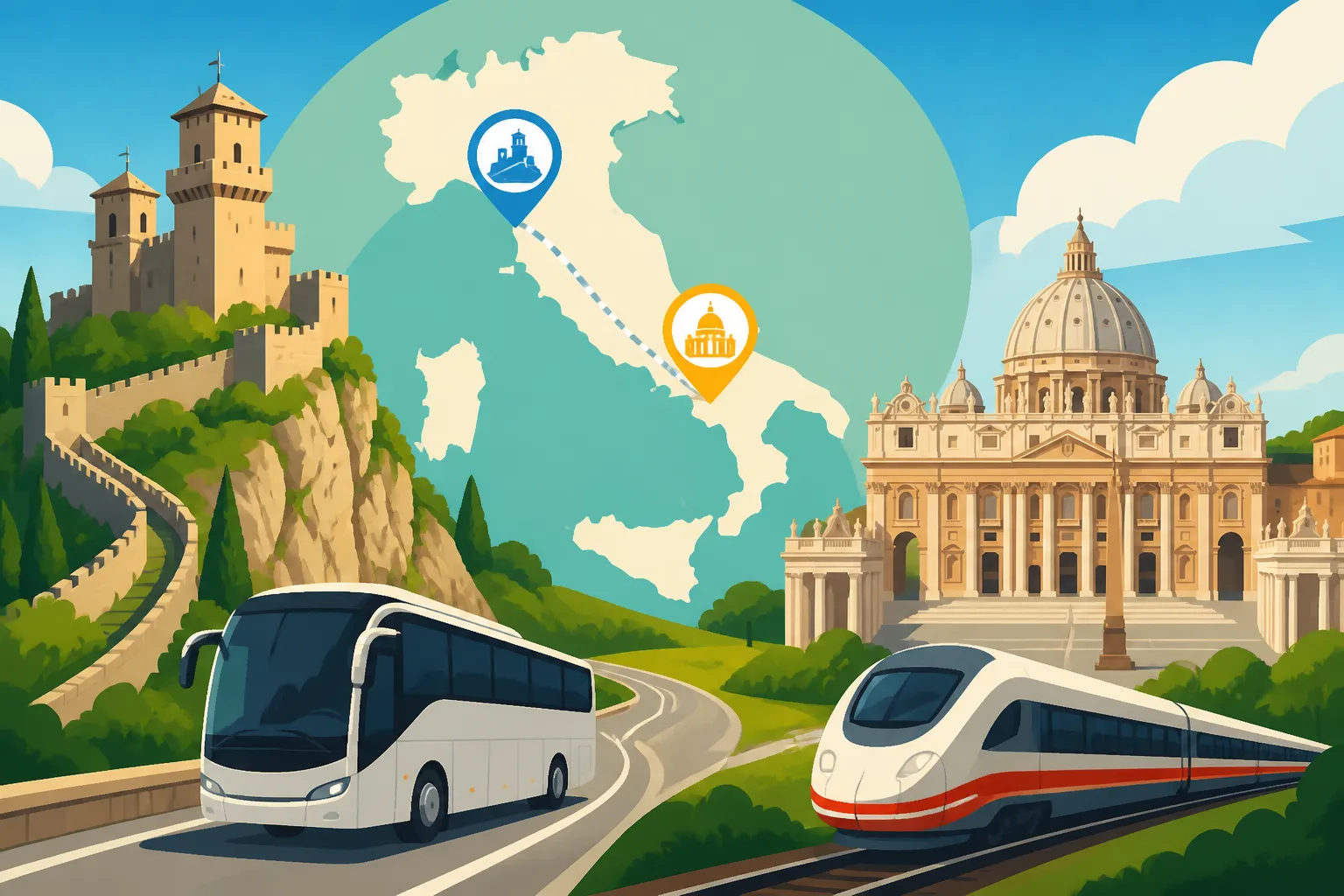
Now, San Marino is a different beast entirely. Unlike Vatican City, which is essentially a neighborhood in Rome, San Marino is located high up in the Apennine Mountains, roughly 230 kilometers (140 miles) north of Rome and about 10 kilometers (6 miles) inland from Italy's Adriatic coast. This means a visit here requires more substantial planning, as it’s not just a quick hop, skip, and a jump.
The Italian Gateway: Rimini
The undeniable gateway to San Marino is the Italian coastal city of Rimini. There is no international airport or train station directly in San Marino, so you absolutely must pass through Rimini. This is where your Italy travel planning skills truly come into play, and where a platform like Omio becomes indispensable.
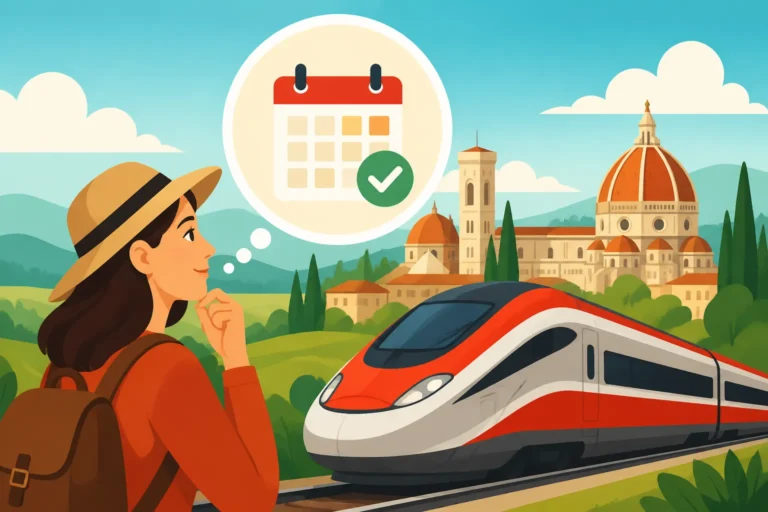
Your first step will be to get to Rimini. From major Italian cities like Rome, Florence, Bologna, or Milan, you can easily take a train or an intercity bus. Trenitalia operates various train services to Rimini, including high-speed Frecciarossa and Frecciabianca trains, which significantly cut down travel time. For example, a Frecciarossa from Bologna to Rimini can take less than an hour, while from Rome, it's typically around 3.5 to 4 hours with a change. Buses, operated by companies like FlixBus, also offer a budget-friendly alternative, though they often take longer. I highly recommend using Omio to compare different train and bus options, check schedules, and book your tickets in advance. It aggregates various transport providers, making it super easy to find the best route and price from your starting point in Italy to Rimini.
| Starting City (Italy) | Mode of Transport (Main Leg to Rimini) | Approx. Travel Time to Rimini | Key Benefit of Omio |
|---|---|---|---|
| Rome | Train (e.g., Frecciarossa + regional) | 3.5 – 4 hours | Compare train lines & prices, book multi-leg tickets |
| Florence | Train (e.g., Frecciarossa/Intercity) | 2 – 2.5 hours | Find quickest routes, budget-friendly options |
| Bologna | Train (e.g., Frecciarossa/Regionale) | 0.5 – 1 hour | Book fast regional trains, flexible timings |
| Milan | Train (e.g., Frecciarossa) | 2 – 2.5 hours | Direct high-speed train booking |
The Final Leg: Rimini to San Marino Bus
Once you arrive at Rimini train station, the final leg of your journey to San Marino is a relatively straightforward bus ride. Just outside the Rimini train station (Piazzale Cesare Battisti), you'll find the bus stop for the San Marino bus service. These buses are operated by a company called Bonelli Bus or Autolinee Benedettini.
The bus journey from Rimini to San Marino (specifically, to the historic center of San Marino, Città di San Marino) takes approximately 45-50 minutes, depending on traffic and how many stops it makes. It’s a scenic ride as you ascend into the mountains, offering beautiful views of the surrounding countryside. Tickets can usually be purchased directly from the bus driver, at newsstands (tabaccherie) near the bus stop, or at the San Marino Tourist Office in Rimini. The frequency is generally good, with buses running roughly every hour or so, but it's always wise to check the latest schedules, especially on weekends or public holidays. Remember, the journey to Rimini should be booked without a hitch using Omio, setting you up for this final local connection.
Driving to San Marino: Flexibility and Considerations
For those who prefer the flexibility of their own wheels, driving to San Marino is definitely an option. The roads are generally well-maintained, and the drive from Rimini is quite pleasant. You'll take the SS72 road directly up the mountain.
However, a few crucial considerations exist. Firstly, if you're planning to rent a car, make sure your rental agreement allows for international travel, even to a micro-state like San Marino, though it's typically not an issue as it's so integrated with Italy. Secondly, parking in Città di San Marino, the historic capital, can be challenging. The medieval town is mostly pedestrianized, and parking lots are located outside the walls, often requiring a short walk uphill or a ride on a local shuttle. Look for signs indicating "Parcheggio" (parking), and be prepared for paid parking. Understanding Italian road signs and traffic regulations, especially regarding ZTLs in Italian cities you might pass through, is also essential. Tools like Omio can still assist with portions of this, particularly if you're combining driving with a train journey for part of your Italian travels, allowing you to seamlessly compare costs and times. For example, you might choose to take a high-speed train from Rome to Bologna, then rent a car from Bologna to drive to San Marino for greater flexibility.
Planning Your Micro-State Adventures with Ease
Visiting these unique enclaves adds an incredible layer to your Italian experience, but the key is smart planning. It’s about more than just booking a ticket; it's about understanding the entire logistical chain, especially for a destination like San Marino that lacks direct rail or air connections.
Streamlining Bookings with Omio
This is precisely where Omio comes in handy. Think of it as your personal travel concierge for getting around Italy efficiently. Instead of jumping between multiple websites for different train companies like Trenitalia and Italo, or various bus operators, Omio brings them all together. You can easily compare prices, journey times, and routes for trains and buses to major Italian hubs like Rome or Rimini.
For example, if you're in Naples and want to visit San Marino, you'd search for Naples to Rimini. Omio will show you all the available train and bus options, including direct services or those with convenient connections. This saves you valuable time and stress, allowing you to focus on the exciting parts of your trip rather than the tedious planning. You can book your tickets directly through the platform, receiving e-tickets that often eliminate the need to print anything – a huge plus when you're on the go!
Furthermore, Omio isn't just for long-distance travel. While it won't book your local bus from Rimini to San Marino, or your metro ticket within Rome, it plays a critical role in getting you to the nearest practical Italian transit hub. This integration of national and international transport data is what makes it such a powerful tool for exploring not just Italy, but its surrounding micro-states as well. For those keen on exploring Italy by train or coach, knowing How to Buy Trenitalia and Italo Tickets and Save Money or understanding the Intercity Buses in Italy: FlixBus and Regional Networks can further enhance your travel strategies.
Essential Tips for a Smooth Trip
Regardless of your chosen mode of transport, a few general tips can make your micro-state visits much smoother.
Firstly, always check operating hours for attractions, especially if you're visiting museums in Vatican City or the towers in San Marino. Many have specific opening times, and the Vatican Museums, in particular, often require advance booking online to avoid excruciatingly long queues. For San Marino, while it's a smaller destination, the historic center can still get busy, especially on Italian public holidays like Ferragosto.
Secondly, keep an eye on weather forecasts. San Marino, being mountainous, can experience different weather than the coast, with cooler temperatures and potentially more wind. Vatican City, being in Rome, will experience Roman weather, which can be scorching in summer or damp in winter.
Lastly, remember these are sovereign states. While deeply integrated with Italy, they have their own laws and, in the case of San Marino, even their own stamps and currencies (though they use the Euro). While you won't need your passport to cross the "border" for either, it's always good practice to carry a form of ID. For broader travel insights within Italy, don't forget to review guides like Getting Around Italy: Trains, Buses, Flights, and Car Hire and tips on Staying Safe in Italy: Common-Sense Tips for Travelers. These resources, combined with Omio for booking your primary travel, will ensure you're well-prepared for any adventure.
Disclaimer
The information provided in this guide is for general informational purposes only and is subject to change. While we strive to keep the content up-to-date and accurate, transport schedules, prices, and regulations can vary. Always verify the latest details with official sources, such as transport operators, tourist boards, or local authorities, before making travel plans.