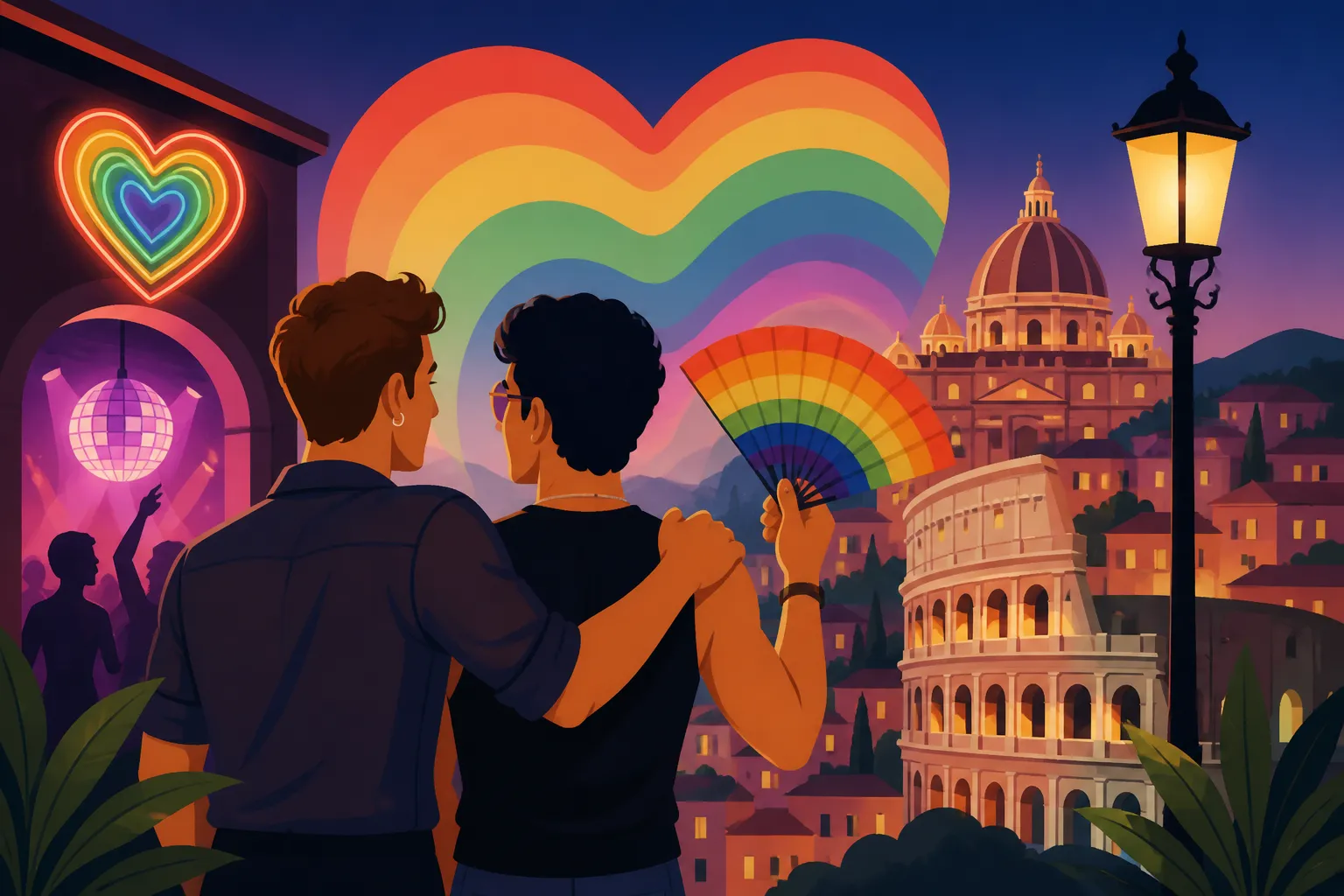
How to Find LGBTQ+ Friendly Nightlife in Italy
Navigating a new country can be exhilarating, but for LGBTQ+ travelers and expats, there's often an added layer of concern: finding spaces where you feel genuinely safe, welcome, and free to be yourself. Italy, with its deep-rooted traditions and strong family values, might seem daunting at first glance, making it hard to know where to go for a vibrant, inclusive night out. This guide aims to shed light on Italy's evolving LGBTQ+ nightlife scene, providing you with the insights and resources to discover welcoming venues and truly enjoy your time in this beautiful country.
Disclosure: This post may contain affiliate links. We may earn a commission at no extra cost to you if you make a purchase through these links. Read full disclosure.
The Evolving Landscape of LGBTQ+ Acceptance in Italy
Let's be real, Italy isn't Amsterdam or Berlin when it comes to overt LGBTQ+ visibility and acceptance. For centuries, a powerful conservative culture, influenced by the Vatican, has shaped public discourse and social norms. However, to see Italy solely through that lens would be a disservice to the significant progress and vibrant, though often discreet, communities that thrive here.
The Nuances of Italian Social Climate for LGBTQ+ Individuals
Italian society, much like its cuisine, is incredibly regional and nuanced. While national laws have progressed, especially with the introduction of civil unions (unioni civili) in 2016, everyday life can still vary wildly depending on where you are. In major metropolitan areas, you'll generally find a much more open and accepting atmosphere. Here, discussions around LGBTQ+ rights are more common, and public displays of affection, while perhaps still garnering a second glance in some older generations, are increasingly normalized.
However, venture into smaller towns, rural areas, or more traditionally conservative regions, and the vibe can shift. It's not necessarily outright hostility, but rather a more reserved, "don't ask, don't tell" approach. Public displays of affection, especially for same-sex couples, might attract more attention or even mild disapproval, though thankfully, outright aggression is rare. It’s a subtle but important distinction – acceptance often means tolerance and privacy rather than full, celebratory embrace in all corners. You might find a town where everyone knows a gay couple and is perfectly fine with it, but they might not be parading down the main street hand-in-hand.
Regional Differences in LGBTQ+ Visibility and Acceptance
As mentioned, geography plays a huge role. Think of it this way:
- North vs. South: Generally speaking, northern Italy (especially cities like Milan, Bologna, and Turin) tends to be more progressive and economically outward-looking, which often translates to greater social liberalism. The LGBTQ+ scenes here are often larger, more established, and more visible. Southern Italy, while incredibly warm and welcoming in its own way, can be more traditional. However, popular tourist spots and coastal party zones in the south (like Gallipoli in Puglia or Torre del Lago in Tuscany, which is technically central but beach-oriented) can surprisingly transform into major LGBTQ+ hubs during the summer months.
- Urban vs. Rural: This is the most significant divide. Cities, with their diverse populations, universities, and cultural melting pots, are where LGBTQ+ communities find space to organize, socialize, and create their own havens. In smaller villages, life is more communal, and deviation from traditional norms can be met with anything from polite curiosity to quiet judgment. This isn't unique to Italy, of course, but it's a factor to keep in mind when planning your adventures.
It's a journey, not a destination, for Italian society on LGBTQ+ issues. As an expat or traveler, understanding these nuances helps manage expectations and guides you toward the most welcoming corners.
Major Italian Cities for LGBTQ+ Nightlife
If you're looking for a vibrant LGBTQ+ nightlife experience in Italy, you'll want to focus your attention on the major cities. These urban centers offer the greatest density of dedicated venues, events, and a generally more open atmosphere where you can feel comfortable and connected.
Rome: The Eternal City's Gay Scene
Rome, the sprawling capital, has a dynamic and surprisingly diverse LGBTQ+ scene, though it's less concentrated than in some other European capitals. The heart of Rome's gay social life often gravitates towards specific areas. Testaccio and Pigneto are two key neighborhoods. Testaccio, once the working-class meatpacking district, has transformed into a trendy area with a mix of traditional Roman trattorias and modern clubs. Here, you'll find some of the city's most enduring gay bars and clubs, especially on weekends. It's a place where locals and tourists alike mingle, enjoying drinks and dancing into the early hours.
Pigneto, known for its bohemian and artsy vibe, offers a slightly more alternative and queer-friendly scene. While not exclusively gay, many of its bars and cultural spaces are explicitly welcoming and host LGBTQ+ themed nights. It's a great spot for a more relaxed evening, perhaps starting with an aperitivo before moving on.
Beyond these specific neighborhoods, Rome also hosts larger, sporadic events. Keep an eye out for information on "Gay Village Roma," a massive summer festival that typically takes place in the EUR district, offering concerts, drag shows, and open-air parties. It's an incredible experience that brings together thousands from across Italy and beyond. For general travel within the city, knowing how to navigate public transport is key, and resources on Getting Around Italian Cities: Metro, Tram, and Buses can be very helpful.
Milan: Italy's Fashion Capital and Progressive Hub
Milan stands out as arguably the most overtly LGBTQ+ friendly city in Italy. As the country's economic and fashion powerhouse, it's accustomed to international influences and a fast-paced, modern lifestyle. The city's primary gay district is centered around Porta Venezia. This area, particularly along Via Lecco, is where you'll find a concentrated strip of gay bars, cafes, and clubs. It's lively every night of the week, but truly buzzes on weekends. You can easily bar-hop, grab a drink at a street-side cafe, and soak in the energetic atmosphere.
Milan's LGBTQ+ scene is also quite diverse, catering to different tastes – from chic cocktail bars to pulsating dance clubs. Given its fashion-forward reputation, don't be surprised by the stylish crowds. Milan also hosts one of Italy's largest and most vibrant Pride parades, drawing huge crowds and transforming the city into a celebration of diversity. When planning your accommodation, using platforms like Booking.com to search for hotels or apartments specifically in the Porta Venezia area can ensure you're right in the heart of the action.
Bologna & Florence: Northern and Central Italy's Welcoming Spots
While not as large as Rome or Milan, both Bologna and Florence offer incredibly welcoming, albeit sometimes more understated, LGBTQ+ scenes.
Bologna, a youthful university city, has a long-standing reputation for being one of Italy's most liberal and politically active cities. Its progressive ethos naturally extends to its LGBTQ+ community. The scene here is perhaps less about dedicated "gayborhoods" and more about scattered, inclusive venues and cultural associations. You'll find a few gay bars and clubs, often concentrated around the university district, but many other establishments are simply queer-friendly and welcoming to all. Bologna is also home to important LGBTQ+ activist groups and hosts regular cultural events and festivals, making it a truly inclusive place. When traveling between these northern cities, remember that platforms like Omio are excellent for finding quick and affordable train or bus connections to get you there comfortably.
Florence, the jewel of the Renaissance, presents a more intimate and perhaps slightly more discreet LGBTQ+ scene. It's not as sprawling as Rome or as overt as Milan, but it has a consistent presence, especially given its popularity with international visitors and students. You'll find a handful of gay bars and clubs, often located near the city center or Oltrarno district. Florence's charm lies in its smaller scale, allowing for more personal connections within the community. It's a city where you might discover a cozy bar and become a regular after just a few visits. For those looking to delve deeper into local culture while finding these hidden gems, services like GetYourGuide sometimes offer alternative walking tours that can shed light on the city's diverse social fabric.
Other Notable Mentions
Beyond these major hubs, other places offer LGBTQ+ friendly experiences:
- Turin: Another northern industrial city with a growing and active LGBTQ+ community and several popular venues.
- Naples: While traditionally conservative, Naples has a burgeoning queer scene, particularly around the Chiaia district, and is known for its incredible energy and passion.
- Coastal Summer Destinations: During the summer months, keep an eye on places like Torre del Lago Puccini (near Pisa in Tuscany) and Gallipoli (Puglia). These spots transform into massive, renowned LGBTQ+ summer resorts, drawing crowds from across Europe for beach parties, open-air clubs, and a truly celebratory atmosphere. Torre del Lago, in particular, has long been known as Italy's "gay beach paradise."
Finding Specific LGBTQ+ Venues and Events
Once you've decided which Italian city or region you want to explore, the next step is actually pinpointing those elusive LGBTQ+ friendly spots. This can sometimes feel like a treasure hunt, but with the right resources and a bit of local insight, you'll be dancing the night away in no time.
Online Resources and Apps for Discovery
In today's digital age, your smartphone is your best friend for navigating unfamiliar territory. For LGBTQ+ nightlife, there are several go-to online tools:
- Dedicated LGBTQ+ Travel Guides and Websites: Websites like Gay.com, Queer In The World, and local Italian LGBTQ+ portals (a quick Google search for "gay Rome nightlife" or "locale gay Milano" will often yield results) are excellent starting points. These sites usually have updated lists of bars, clubs, saunas, and community centers, often with reviews and event calendars. They're curated specifically for our community, making them highly reliable.
- Social Apps: While primarily dating or hook-up apps, platforms like Grindr, Scruff, or Taimi can be surprisingly useful for finding out what's happening right now. Many users will post about events, parties, or even simply where they're heading for the night. You can also chat with locals for recommendations. Just be clear about your intentions if you're solely looking for social information.
- Facebook Groups and Event Pages: Local LGBTQ+ groups on Facebook are goldmines for information on recurring parties, one-off events, protests, or cultural gatherings. Search for groups like "LGBTQ+ Expats in [City Name]" or "Gay Events [City Name]". Event pages for specific venues or promoters will also give you the most up-to-date schedule. It's a great way to tap into the real-time pulse of the community.
- General Event Listings: Even non-LGBTQ+ specific platforms can occasionally list queer-friendly events. Sites like Resident Advisor for electronic music often include parties at venues known to be welcoming to the LGBTQ+ crowd. And don't forget that if you're using GetYourGuide for broader activities, sometimes their local guides or activity descriptions can subtly hint at inclusive areas or cultural spots that might be worth exploring after dark.
Local Knowledge and Community Connections
Nothing beats insider information when it comes to finding the best spots. The LGBTQ+ community in Italy, especially outside of Milan, sometimes operates with a slightly more "if you know, you know" mentality, making local connections invaluable.
- Ask in Expat Groups: If you're an expat, or even just visiting, join local expat social groups online or attend meetups. Many of these groups will have LGBTQ+ members who can offer fantastic, up-to-the-minute advice on where to go.
- Visit LGBTQ+ Community Centers or Associations: Many major Italian cities have established LGBTQ+ associations like Arcigay or Circolo Mario Mieli (in Rome). These centers often have bulletin boards, brochures, or staff who can provide information about local venues, support groups, and upcoming events. They are hubs of the community and safe spaces.
- Chat with Locals in Queer-Friendly Cafes: Sometimes, the best way to find a great spot is to simply strike up a conversation. Start with a coffee or an aperitivo in a known queer-friendly cafe during the day or early evening. Italians are generally very friendly, and if you approach with respect and a genuine interest, you might just get an invitation to the night's best party. Knowing a few key phrases from Italian Language and Everyday Communication for Visitors can definitely help break the ice!
Seasonal Events and Pride Celebrations
Timing your visit can significantly enhance your experience of Italy's LGBTQ+ scene. Certain times of the year are bursting with celebratory events.
- Pride Month (June/July): This is undoubtedly the highlight of the LGBTQ+ calendar in Italy. Major cities like Rome, Milan, Bologna, Florence, and Naples, among others, host vibrant Pride parades and weeks of associated events. These are huge, open celebrations that take over city streets, offering an unparalleled sense of community and visibility. If you're visiting in summer, checking the Pride schedules for various cities (you can usually find these on national LGBTQ+ association websites or through a quick search for "Pride [City Name] Italy") can help you plan an unforgettable trip. These events are often covered by various local and national media, giving you plenty of information.
- Summer Beach Parties: As mentioned, coastal towns like Torre del Lago and Gallipoli become major LGBTQ+ destinations during the high summer season (July and August). If you're looking for sun, sea, and non-stop parties, these are the places to be.
- Film Festivals and Cultural Weeks: Beyond traditional nightlife, many Italian cities host LGBTQ+ film festivals (like Torino's Lovers Film Festival) or cultural weeks throughout the year. These events offer a different kind of "nightlife" – screenings, discussions, and social gatherings that attract a queer audience. Keep an eye on local cultural calendars for these enriching experiences. Information on Festivals, Holidays, and Traditions in Italy can also give you context for other local happenings that might intersect with queer culture.
Navigating LGBTQ+ Nightlife Safely and Respectfully
While Italy is generally a safe country, and its LGBTQ+ scenes are typically welcoming, it’s always wise to approach any nightlife environment with a sense of awareness and respect for local customs. After all, you're a guest in their beautiful country.
Safety Considerations in Italian Nightlife
General safety precautions for any night out apply in Italy, but there are a few nuances to keep in mind, especially for LGBTQ+ individuals.
- Vigilance, Not Paranoia: In most major cities and dedicated LGBTQ+ venues, you should feel comfortable and safe. However, common sense dictates staying aware of your surroundings, especially when leaving a venue late at night. Stick to well-lit, populated streets, and if traveling alone, consider a taxi or ride-share app, especially in areas you don't know well.
- Public Transport at Night: While major cities like Rome and Milan have extensive public transport, services can be limited or less frequent late at night. Plan your journey home in advance. If you're relying on apps like Omio to plan train travel between cities, ensure your connecting transport once you arrive is also sorted.
- Be Mindful of PDA (Public Displays of Affection): In dedicated LGBTQ+ spaces, you can generally be yourselves. However, outside of these venues, particularly in more traditional neighborhoods or smaller towns, public displays of affection (like holding hands or kissing) between same-sex couples might attract unwanted attention. While unlikely to lead to serious trouble, it could result in stares or uncomfortable glances. Use your judgment based on the immediate environment and crowd. This ties into the broader concept of Italian Customs, Etiquette, and Social Life, where subtlety is often appreciated.
- Drink Responsibly: This goes without saying anywhere. Keep track of your drinks, and don't accept drinks from strangers if you feel uncomfortable. Italy generally has a more relaxed attitude towards drinking age compared to some other countries, but always be responsible.
Cultural Sensitivity and Etiquette
Part of enjoying Italy is immersing yourself in its culture, which includes understanding social norms, even in nightlife settings.
- The Concept of Bella Figura: This Italian concept, roughly translating to "making a good impression" or "cutting a beautiful figure," influences almost every aspect of Italian life, including how people comport themselves in public. It’s about elegance, decorum, and acting appropriately for the situation. While not about stifling individuality, it means avoiding overly boisterous or disruptive behavior, especially in more upscale or mixed venues. In an LGBTQ+ club, the rules relax, of course, but remember you are still representing yourself and your community.
- Respecting Local Laws and Customs: While Italy has civil unions, it's a society that is still navigating its path towards full LGBTQ+ equality. Be respectful of the cultural context you are in. Avoid confrontational situations, and if you encounter discomfort or prejudice, remember that your safety is paramount. Report serious incidents to the authorities, but also know when to simply remove yourself from an uncomfortable situation.
- Language is a Bridge: Even attempting a few words of Italian can go a long way. When ordering a drink or asking for directions, a simple "Ciao!" or "Grazie" (thank you) can open doors and show respect. You don't need to be fluent, but a little effort is always appreciated. Our guide on How to Order Food and Drinks in Italian: A Practical Phrasebook could be incredibly useful for these interactions.
Legal Protections and Support
While Italy has made strides, legal protections for LGBTQ+ individuals still have some gaps compared to other Western European nations.
- Civil Unions (Unioni Civili): Since 2016, same-sex couples can enter into civil unions, granting them most of the same legal rights as married heterosexual couples, including inheritance, social security, and some aspects of family law. This is a significant step forward and offers a framework of recognition.
- Anti-Discrimination Laws: While there are some anti-discrimination provisions, comprehensive national legislation specifically covering all aspects of discrimination based on sexual orientation and gender identity is still developing. However, in many urban areas, local policies and a general sense of civic responsibility do offer a degree of protection.
- Reporting Incidents: If you ever experience discrimination, harassment, or a hate crime, it's important to know there are resources. LGBTQ+ associations like Arcigay (which has local chapters across Italy) can offer support, legal advice, and guidance on reporting incidents to the police (Carabinieri or Polizia di Stato). While you hope never to need it, knowing these resources exist can provide peace of mind. The Italian emergency numbers are 112 (European emergency number) or 113 (National Police), which are always good to have on hand, as detailed in Emergency Medical Services in Italy: 112 and Hospitals.
Finding LGBTQ+ friendly nightlife in Italy is absolutely possible and can be incredibly rewarding. With a little research, a dash of cultural awareness, and an open mind, you'll discover welcoming communities and unforgettable experiences that truly capture the vibrant spirit of la dolce vita.
Disclaimer
The information provided in this guide is for general informational purposes only and does not constitute legal, financial, or medical advice. While we strive to provide accurate and up-to-date information, laws, regulations, and social norms in Italy can change rapidly. Readers are advised to consult with relevant local authorities, legal professionals, or community organizations for the most current and specific advice tailored to their individual circumstances. We are not responsible for any consequences resulting from reliance on the information contained herein.