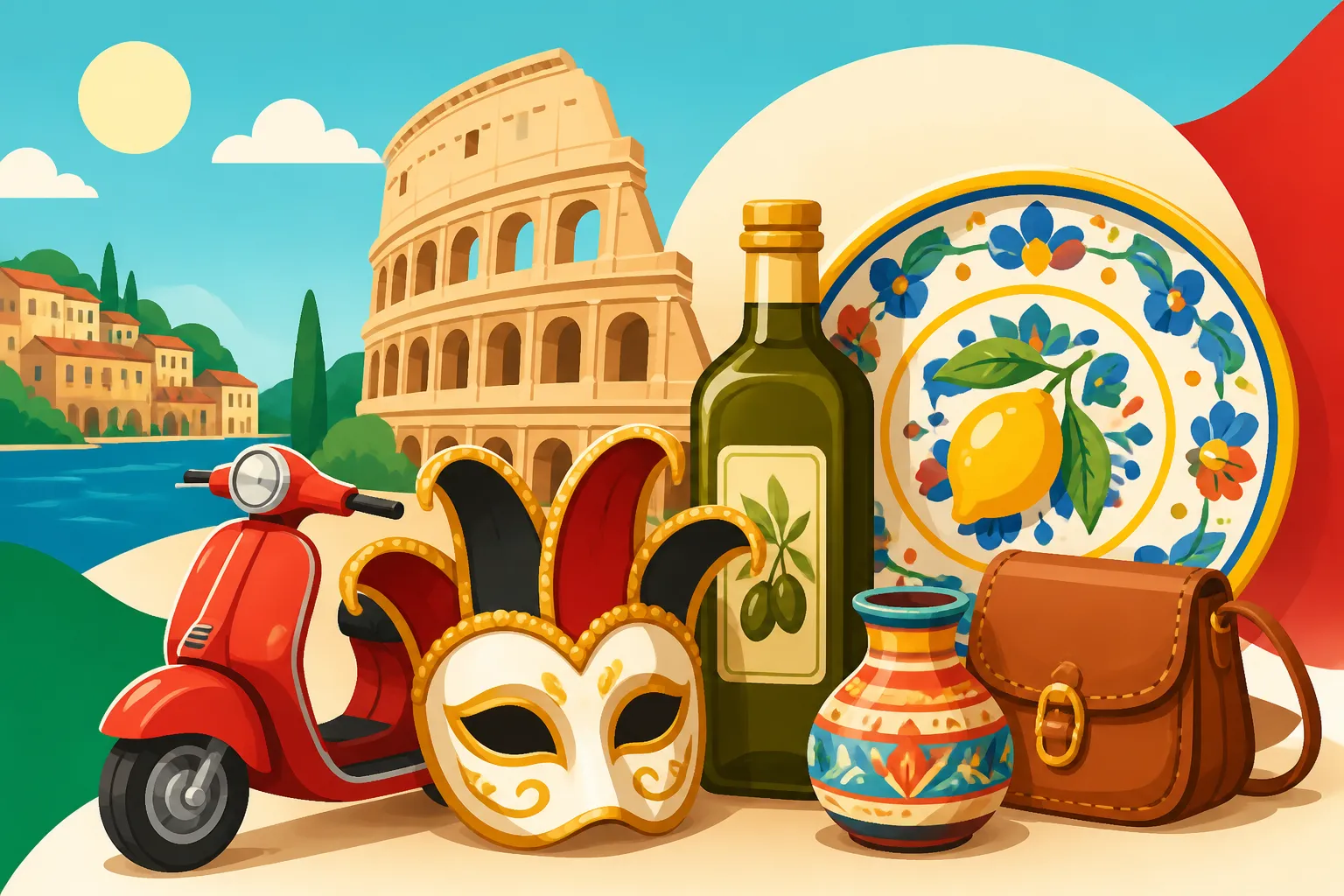
What Souvenirs Are Actually Made in Italy?
Oh, the joy (and sometimes, the utter exasperation!) of souvenir shopping in Italy. We've all been there, wandering through a charming vicolo in Rome or a bustling market in Florence, only to pick up what looks like a lovely little trinket, flip it over, and see those dreaded words: "Made in China." It’s a truly deflating moment when you realize that cherished memento of your Italian adventure might have come from halfway across the world. This guide is here to help you navigate that often-tricky terrain, ensuring you find those truly authentic, locally crafted treasures that not only embody the spirit of Italy but also support the incredible artisans who keep these traditions alive.
Disclosure: This post may contain affiliate links. We may earn a commission at no extra cost to you if you make a purchase through these links. Read full disclosure.
The Lure of 'Made in Italy' and the Reality Check
When you picture bringing a piece of Italy home, you envision something crafted with care, steeped in tradition, and utterly unique. You want something that tells a story, not a mass-produced item you could find in any tourist trap globally. But let's be honest, the market is flooded, and it can be incredibly hard to distinguish the genuine article from the cheap imitation.
The Ubiquitous "Souvenir Trap"
I remember my first few years here; I fell for it more times than I care to admit. Those miniature Colosseums, the leaning tower of Pisa keychains, the Venice gondola magnets – they're everywhere. And while they might be cute, a closer look almost always reveals they're not made here. It’s a particular frustration for expats and long-term visitors who genuinely want to support the local economy and take home something meaningful. You want to connect with the place you've grown to love, and a flimsy plastic replica just doesn't cut it. The tourist centers of major cities like Rome, Florence, and Venice are particularly rife with these kinds of goods, often sold at inflated prices because, well, tourists are often in a hurry and don't know any better. It's a classic trap that leaves you feeling a bit duped, and frankly, it undermines the incredible skill of true Italian craftspeople.
Why Authenticity Matters to Expats
For us who live here, authenticity isn't just about a pretty item; it's about respecting the rich cultural tapestry that makes Italy so special. We see the dedication of the artigiani (artisans) in their workshops, often tucked away down narrow streets. We know that every hand-painted ceramic, every carefully stitched leather bag, every blown glass piece represents generations of skill, passion, and tradition. By choosing a genuinely "Made in Italy" souvenir, you're not just buying an object; you're investing in a legacy. You're supporting a local family, helping to preserve ancient crafts, and taking home a piece of Italy that has true soul. It's a tangible link to the country you’ve explored, far more valuable than any mass-produced trinket. It's also a way to show appreciation for the beauty and craftsmanship that permeates so much of Italian life, from the smallest details in a tiny village to the grandest works of art in a bustling city.
Identifying Genuine Italian Craftsmanship: What to Look For
So, how do you avoid the disappointment and ensure your hard-earned euros go towards something truly Italian? It takes a bit of savvy, some careful observation, and a willingness to step off the most beaten paths.
Hallmarks of Authenticity
The first thing you want to look for is explicit labeling. Genuine Italian products will often proudly display "Fatto a mano" (handmade), "Prodotto in Italia" (produced in Italy), or sometimes even the specific region of origin. Don't be shy about looking for labels, tags, or stamps. For certain crafts, like Murano glass, there are official consortia that issue certificates of authenticity. Always ask for these, especially for higher-value items.
Consider the price, too. True craftsmanship is rarely cheap. If a "genuine leather" bag in Florence is being sold for €20, it's probably not genuine Italian leather, or it's made with such low-quality materials and labor that it hardly qualifies. Quality materials, skilled labor, and unique design command a fair price. Don't be afraid to compare prices between a few shops, but be wary of deals that seem too good to be true, because they almost always are. Beyond the price, look at the finish. Are the seams straight? Is the painting intricate and precise, or does it look hastily applied? Are there small imperfections that speak to a human touch, rather than the sterile uniformity of a machine? These little details often tell the real story.
The Art of Asking and Observing
One of the greatest joys of shopping for authentic goods in Italy is the opportunity to interact with the people who make them. If you’re in an artisan workshop, don't hesitate to ask questions. Even if your Italian is rudimentary, a friendly "È fatto qui?" (Is it made here?) or "Dove è prodotto?" (Where is it produced?) can open up a conversation. Many artisans are incredibly proud of their work and happy to explain their process. They might even show you their workbench or their materials. This direct interaction is invaluable. If you can, visit a workshop where you can literally see the artisans at work, like a glassblower on Murano or a ceramic painter in Deruta. It’s an experience in itself, and it leaves no doubt about the authenticity.
Sometimes, simply observing the shop environment tells you a lot. Is the shop cluttered with identical items, or does it feature a curated selection, perhaps with tools of the trade visible? A small, independent boutique that specializes in one type of craft is almost always a better bet than a sprawling souvenir superstore. While you’re traveling through Italy, whether you're using a service like Omio to explore different regional craft centers or enjoying a guided tour booked via GetYourGuide that focuses on local artisans, keep your eyes open for these smaller, dedicated shops.
Categories of Truly Italian Souvenirs (and Where to Find Them)
Italy's regional diversity is mirrored in its crafts. What's authentic in Venice might be different from what's authentic in Naples, and that's part of the beauty of it.
High-Quality Leather Goods
When you think of Italian leather, Florence immediately springs to mind. The city is a hub for pelletteria, or leather goods. You’ll find everything from beautifully structured handbags and wallets to exquisitely made belts, journals, and small accessories.
The key here is to differentiate between the countless street vendors selling "leather" for a song and the established artisan workshops. Look for stores where you can smell the rich scent of genuine leather, where the goods are displayed with care, and where you might even see a craftsman at a workbench in the back. San Lorenzo Market in Florence has a vast array of leather goods, but be discerning. For truly high-quality, artisan pieces, venture into the Oltrarno district or seek out reputable boutiques. You'll pay more, but you'll get a piece that will last a lifetime. Many of these workshops are passed down through generations, embodying centuries of Florentine tradition. For more tips on finding these gems, check out our guide on Shopping in Italy: Markets, Boutiques, and Outlets. If you’re planning a trip, consider exploring Florence for First-Time Visitors: What to See and Skip to help pinpoint the best areas for authentic finds.
Exquisite Ceramics and Pottery
Italy boasts a vibrant tradition of ceramics, each region with its distinct style.
- Deruta, Umbria: Famous for its intricate hand-painted maiolica, often featuring vibrant colors and classic designs. You can find beautiful plates, bowls, and decorative items.
- Vietri sul Mare, Amalfi Coast: Known for its bold, Mediterranean-inspired ceramics, characterized by bright colors like blues, yellows, and greens, and patterns often depicting marine life or citrus fruits.
- Sicily: Sicilian ceramics are instantly recognizable, particularly the Teste di Moro (Moorish heads) vases and brightly colored pottery featuring local motifs like lemons, prickly pears, and intricate geometric patterns.
- Puglia: Look for pumi, small decorative ceramic buds often placed on rooftops as symbols of good luck and prosperity.
When buying ceramics, examine the paintwork for signs of hand-painting rather than decal transfers. Slight variations in color or brushstrokes are good indicators of artisanal work. These pieces make wonderful, colorful additions to any home and truly capture the essence of their region. For those exploring the south, our guide on Puglia: Trulli, Beaches, and Whitewashed Towns might offer some more insights into local crafts there, and Sicily for Travelers: Cities, Coast, and Volcanoes can point you towards unique regional ceramics.
Artisan Glass from Venice
No discussion of Italian crafts would be complete without mentioning Murano glass. This world-renowned art form comes from the island of Murano, just a short vaporetto ride from Venice. Here, master glassblowers create stunning works of art, from delicate jewelry and intricate chandeliers to vibrant vases and sculptures.
Authentic Murano glass will often bear a certificate of origin from the Consorzio Promovetro Murano, especially for more expensive pieces. Beware of shops in Venice itself selling "Murano-style" glass that might be imported and far cheaper. The best way to ensure authenticity is to visit Murano itself. You can even watch glassblowing demonstrations, which is an incredible experience. This firsthand observation truly underscores the skill and labor involved. For more on navigating the unique charm of Venice, take a look at Venice for First-Time Visitors: Beyond the Crowds.
Local Food and Wine Delicacies
This is perhaps the easiest category for finding truly authentic Italian souvenirs, as long as you're in the right place! Every region, indeed almost every town, has its own culinary specialties that make fantastic gifts.
- Olive Oil: From Tuscany, Puglia, or Sicily, look for "Extra Virgin Olive Oil" with a Protected Designation of Origin (DOP) or Protected Geographical Indication (IGP) label.
- Balsamic Vinegar: Genuine traditional balsamic vinegar (Aceto Balsamico Tradizionale di Modena DOP or Reggio Emilia DOP) is a slow-aged, intensely flavorful condiment, vastly different from the cheap supermarket variety. It's expensive but worth every penny. For more on the food of this region, check out Emilia-Romagna: Italy's Food Heartland.
- Truffles: Umbria and Piedmont are famous for their truffles. You can buy fresh truffles in season, or preserved truffle products like truffle oil, paste, or salt.
- Cheese and Cured Meats: Parmigiano Reggiano, Pecorino Romano, Prosciutto di Parma, Salame Milano – these are world-famous and delicious. Buy them from a local alimentari (delicatessen) or market.
- Wine and Liqueurs: Italy's wine regions are legendary. Pick up a bottle of Chianti from Tuscany, Barolo from Piedmont, or a crisp Prosecco from Veneto. Don't forget local liqueurs like Limoncello from the Amalfi Coast.
When buying food items, always check for DOP (Denominazione d'Origine Protetta) or IGP (Indicazione Geografica Protetta) labels, which guarantee quality and regional authenticity. These are regulated by the EU and signify that the product is truly from that area and made according to traditional methods. Our guide on Italian Wine, Coffee, and Aperitivo Culture offers great insights into local beverages, and for a broader understanding of Italy’s diverse culinary landscape, read Italian Regional Cuisine: How Food Changes Across Italy.
Textiles and Lace
Italy has a long history of producing high-quality textiles.
- Silk from Como: The city of Como, near Lake Como, is globally renowned for its exquisite silk production. Think elegant scarves, ties, and luxurious fabrics.
- Lace from Burano: The small island of Burano, another short vaporetto ride from Venice, is famous for its intricate handmade lace. It's a dying art, making genuine pieces incredibly precious and unique.
- Embroidered Linens: Throughout Italy, particularly in older artisan shops, you can find beautifully embroidered tablecloths, napkins, and other linen items, often featuring traditional designs specific to the region.
These items can be quite delicate and often come with a higher price tag, reflecting the meticulous handiwork.
Artistic Paper Products and Stationery
For those who appreciate the written word or simply beautiful design, Italy offers some lovely paper-based souvenirs.
- Florentine Marbled Paper: Florence is known for its exquisite marbled paper, a craft dating back centuries. You can find notebooks, journals, photo albums, and decorative sheets with stunning, unique patterns.
- Amalfi Paper: From the Amalfi Coast, this handmade paper has a distinct texture and quality, often used for wedding invitations or fine art.
These make thoughtful gifts and a refined keepsake. Again, seek out dedicated paper shops (cartolerie) or artisan studios rather than generic souvenir stalls. A good starting point for exploring these crafts would be a day trip from Florence, which you can easily plan.
Religious Articles and Icons
For those with a spiritual inclination, or simply an appreciation for religious art, Rome and Vatican City offer a unique category of souvenirs.
- Rosaries and Crucifixes: While many are mass-produced, dedicated religious shops (often near the Vatican) sell beautifully crafted rosaries, crucifixes, and other devotional items made by local artisans. Look for pieces made from olive wood from the Holy Land, silver, or genuine semi-precious stones.
- Small Statues and Icons: Hand-carved or painted statues and icons of saints, the Madonna, or other religious figures can be found. Again, inspect the quality and inquire about the origin.
- Papal Blessings: For some, a religious item blessed by the Pope is the ultimate souvenir. While not an item made in Italy in the traditional sense, obtaining such an item and having it blessed is a profound experience. You can often purchase rosaries or other items and have them blessed during a Papal Audience or Angelus.
When purchasing these items, consider the intention. A simple, well-made rosary from a small, family-run religious goods store often holds more authentic value than something glitzy from a large souvenir shop. For advice on visiting the spiritual heart of Rome, our guide Visiting the Vatican: St. Peter's and the Museums is a must-read, and for broader context, check out Religious and Pilgrimage Travel in Italy.
Practical Tips for Savvy Souvenir Shopping
Now that you know what to look for, let's talk about how to shop like a pro.
Timing and Location
One of the biggest mistakes travelers make is doing all their souvenir shopping in the main tourist hubs, right before they leave. This is where you'll find the highest prices and the lowest quality. Instead, dedicate time throughout your trip to browsing in local markets (mercati), independent boutiques, and artisan workshops.
Local markets, like the ones you might stumble upon in a smaller town, are fantastic places to find unique food items, local crafts, and sometimes even vintage treasures. Many towns have specific market days, so a quick search online can help you plan. For a comprehensive overview of where to find these vibrant hubs, check out Italian Markets: Food, Antiques, and Flea Markets. Stepping away from the main piazzas and down a side street can often lead you to a hidden gem of a shop where a local artisan works. This is where the real "made in Italy" treasures truly hide. Sometimes, you might even consider booking your accommodation through platforms like Booking.com in a neighborhood known for its artisan craft, giving you more time to explore these smaller, independent stores at your leisure.
Budgeting for Quality
It's tempting to want to buy something for everyone on your list, but when it comes to authentic Italian souvenirs, quality really does trump quantity. A single, beautifully crafted leather wallet will be a far more cherished and lasting gift than five cheap, imported keychains. Be prepared to spend a bit more for genuine items. This isn't just about price, but about value. A handmade ceramic dish, for example, might cost €50, but it’s a piece of art that will be used and admired for years, a true reminder of your Italian journey, rather than ending up in a junk drawer. If you're on a tight budget, focus on smaller, truly artisanal items like a hand-painted ceramic tile, a small leather coin purse, or a local food specialty that comes in a smaller package.
Shipping and Transporting Your Treasures
This is a crucial consideration, especially if you're buying fragile items like ceramics or glass, or liquids like olive oil and wine.
- Fragile Items: Many artisan shops are accustomed to shipping delicate items internationally and can package them securely for you. This often comes with an extra cost, but it's worth it to ensure your treasures arrive safely. If you plan to carry them, invest in sturdy travel containers or wrap them extremely well within your luggage.
- Liquids: Remember liquid restrictions for carry-on luggage. If you're buying multiple bottles of wine or olive oil, you'll need to check them or ship them. Many enoteche (wine shops) can arrange international shipping, but be aware of customs regulations and duties in your home country.
- Duty-Free: For non-EU citizens, remember that you may be eligible for a VAT refund on purchases over a certain amount. Ask the shopkeeper for the necessary paperwork (usually a "Tax Free Form") and present it at the airport.
Consider how you’ll travel to and from these shopping excursions. If you're hopping between cities to pick up different regional specialties, services like Omio can help you book train tickets efficiently, allowing you to plan for bringing back your finds. Sometimes, the journey itself, punctuated by stops at artisan workshops, becomes part of the souvenir hunt.
| Souvenir Type | Typical Region(s) | What to Look For | Price Range (Authentic) |
|---|---|---|---|
| Leather Goods | Florence, Milan, Naples | "Fatto a mano," distinct leather smell, high-quality stitching | €50 – €500+ |
| Ceramics & Pottery | Deruta (Umbria), Vietri sul Mare (Amalfi Coast), Sicily, Puglia | Hand-painted details, regional motifs, slight imperfections | €20 – €200+ |
| Murano Glass | Venice (Murano Island) | Certificate of authenticity, vibrant colors, intricate details | €30 – €1000+ |
| Artisan Paper Products | Florence, Amalfi | Marbled patterns, distinctive texture, "carta a mano" | €15 – €100+ |
| Quality Olive Oil | Tuscany, Puglia, Sicily | DOP/IGP label, dark bottle, harvest date, specific varietals | €15 – €50+ (per bottle) |
| Traditional Balsamic Vinegar | Modena, Reggio Emilia | DOP label, small bottle, dark color, syrupy consistency | €40 – €200+ |
| Local Wine & Liqueurs | Piedmont, Tuscany, Veneto, Amalfi Coast | DOC/DOCG label, specific regional varieties | €10 – €100+ |
| Textiles & Lace | Como (Silk), Burano (Lace) | Fine weave, intricate patterns, hand-finished edges, "seta pura" | €40 – €300+ |
Remember, the true value of a souvenir isn't just in its price tag or its material, but in the story it tells, the tradition it represents, and the memories it evokes. Happy authentic souvenir hunting!
Disclaimer
The information provided in this guide is for general informational purposes only and does not constitute professional advice. While we strive to provide accurate and up-to-date information, rules, regulations, and market conditions in Italy can change. Always verify specific details with local authorities, businesses, or relevant experts before making decisions. We are not responsible for any actions taken based on the information provided herein.