Meeting the 30,000 Euro Schengen Insurance Minimum: Policies That Qualify
Navigating the labyrinthine world of Italian bureaucracy is a rite of passage for every expat, and frankly, it often feels like an endurance test. One particular hurdle that trips up many newcomers, especially those eyeing a short-term stay or a Schengen visa, is the seemingly simple requirement of travel medical insurance with a minimum coverage of €30,000. It sounds straightforward on paper, but finding a policy that actually ticks all the boxes, and that the Italian consulate will accept without a second glance, can be incredibly frustrating. This guide is here to unravel the mystery, validate your confusion, and show you exactly what kind of policy qualifies, featuring a solution that many expats have found to be a true lifesaver.
Disclosure: This post may contain affiliate links. We may earn a commission at no extra cost to you if you make a purchase through these links. Read full disclosure.
The Non-Negotiable Reality: Understanding Italy's Schengen Insurance Mandate
When you're planning a trip or a move to Italy, whether it's for a quick vacation, a business trip, or even if you're just passing through on your way to another Schengen country, you're likely to encounter the Schengen visa requirements. And right there, staring you down, is the mandatory health insurance clause. It's not just a suggestion; it's a hard and fast rule designed to protect both you and the host country in case of unexpected medical emergencies. Trust me, the last thing you want is to be caught off guard when you're trying to enjoy your gelato in Florence or navigate the busy streets of Rome.
What Exactly is the €30,000 Minimum?
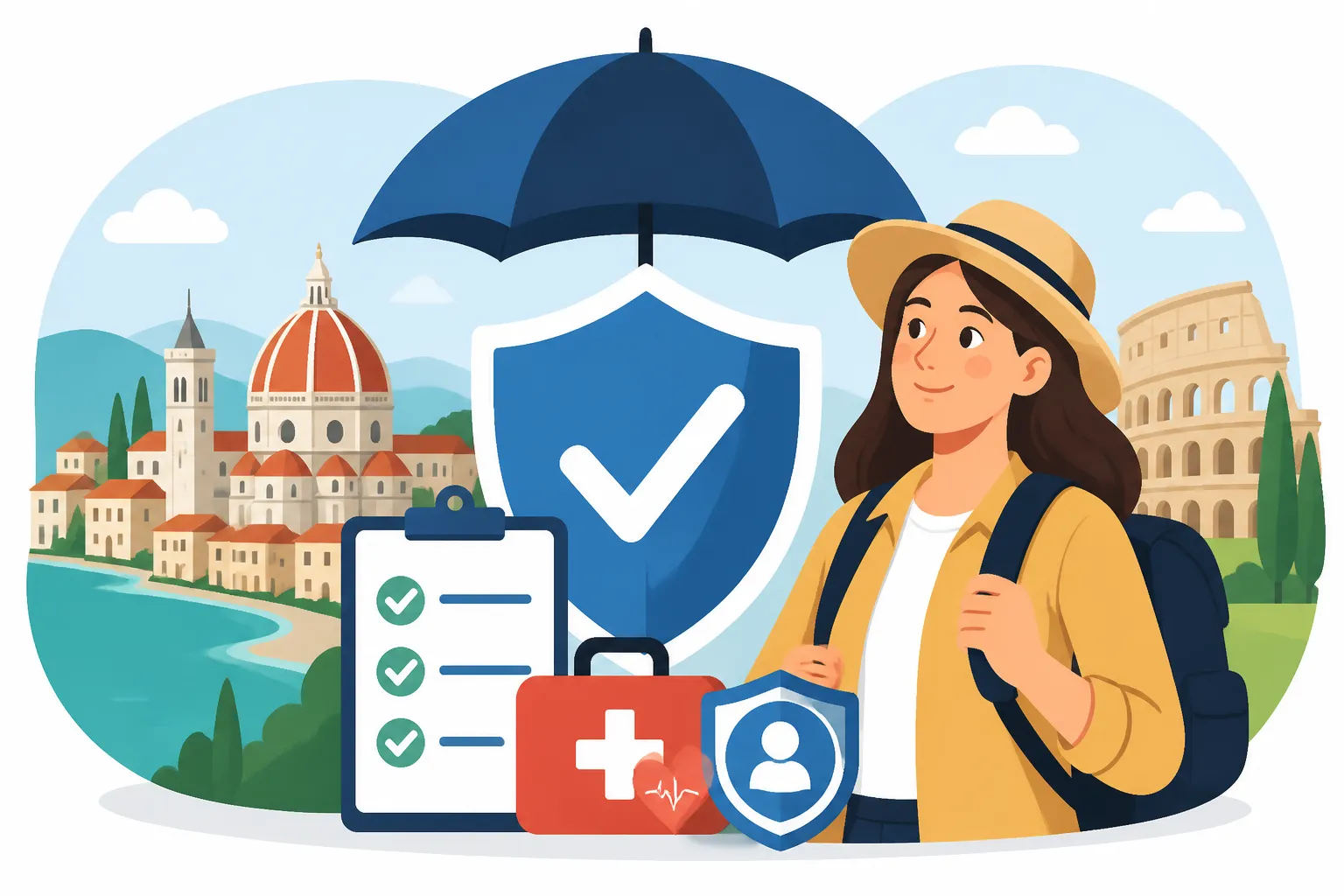
Let's get down to brass tacks: the €30,000 minimum isn't just a random number plucked out of thin air. It's the baseline figure established by the Schengen agreement to ensure that you, as a non-EU/EEA/Switzerland citizen, have sufficient financial backing to cover any medical costs that might arise during your stay. This isn't about covering a routine check-up, mind you. This sum is specifically earmarked for serious, unforeseen circumstances. Think about those urgent, unplanned events: a sudden illness that requires hospitalization, a nasty accident that needs emergency surgery, or, in the worst-case scenario, medical repatriation to your home country.
The policy needs to clearly state that it covers at least €30,000 (or the equivalent in your local currency) for these types of medical emergencies. Many policies will actually offer much higher limits, which is often a good thing, but €30,000 is the absolute floor. It also needs to be accessible, meaning the insurance company must have a clear process for you or your family to make a claim and for them to process payments to Italian hospitals or clinics. For those looking at a long-term stay, once you secure your residence permit, you'll want to explore options for Registering With Your Local ASL in Italy: A Practical Guide and integrating into the public healthcare system.
The Rationale Behind the Requirement
You might wonder, "Why are they so strict about this?" The reasoning is actually quite practical. The Schengen member states, including Italy, want to avoid a situation where a foreign visitor falls seriously ill or has an accident and becomes a financial burden on their public health system. While Italy's National Health Service (SSN) is fantastic, it's primarily designed for residents who contribute through taxes. For visitors, it's about making sure that if you need significant medical attention, the costs are covered, preventing both personal bankruptcy and strain on public resources. It's also a measure of due diligence on their part to ensure that everyone entering their borders is prepared for the unexpected.
This isn't unique to Italy; it's a standard requirement across all 27 Schengen countries. From Portugal to Poland, from Greece to Germany, if you need a visa to enter, this insurance is almost always a prerequisite. It demonstrates your financial responsibility and your understanding of the potential risks of international travel. For those curious about the broader picture, our guide on Healthcare in Italy: An Expats' Guide delves deeper into the overall system.
Who Needs to Comply, and When?
Primarily, this requirement applies to individuals applying for a short-stay Schengen visa (Type C visa), which typically allows stays of up to 90 days within any 180-day period. This includes tourist visas, business visas, and certain other short-term categories. If you're coming from a country whose citizens require a Schengen visa for entry into Italy, then you must have this insurance in place before your visa application will even be considered. The consulate or embassy will ask for proof – usually a certificate of insurance – and they will scrutinize it.
But it's not just visa applicants. While citizens of many visa-exempt countries (like the US, Canada, UK, Australia, etc.) don't technically need to show proof of insurance at the border for short stays, it is highly recommended to have it. Why? Because accidents and illnesses don't discriminate based on your passport. A broken leg in the Dolomites or a sudden appendicitis in Sicily could lead to medical bills that easily run into tens of thousands of Euros, which would be entirely out of pocket without proper coverage. Even if you're just visiting, understanding Emergency Medical Services in Italy: 112 and Hospitals is crucial, but having the insurance to back it up is paramount.
For those planning a longer stay or looking at various visa types, it’s worth noting that health insurance requirements vary. For example, a student visa or a work visa will have different, often more extensive, insurance demands, typically requiring enrollment in the SSN or specific private policies once you're a resident. However, for that initial entry and any short-term travel, the Schengen-compliant policy is your first line of defense.
Decoding a Qualifying Policy: The Must-Have Features
So, you understand why you need it. Now, let's break down the what. A qualifying Schengen insurance policy isn't just any old travel insurance. It has very specific criteria that the Italian consulates and border officials will be checking for. Missing even one detail can lead to delays, or worse, a rejection of your visa application. As someone who's seen friends scramble last-minute, trust me when I say it's better to get this right the first time.
Comprehensive Medical & Repatriation Coverage
This is the cornerstone of the Schengen insurance requirement. Your policy absolutely must cover:
- Emergency Medical Treatment: This includes hospital stays, doctor's visits, and necessary medical procedures due to unexpected illness or injury. The €30,000 minimum is for this category. Imagine you're exploring the ruins of Pompeii, trip and fall, and need immediate medical attention and perhaps surgery. This is what it covers.
- Emergency Hospitalization: If your condition is serious enough to warrant admission to an Italian hospital, the policy needs to cover those costs. The Cost of Healthcare in Italy: What Expats Need to Know can be significant without coverage, even for emergencies.
- Repatriation for Medical Reasons: In a severe case where you can't be treated adequately in Italy or if your condition is so critical that it's safer for you to be moved to your home country, the insurance must cover the costs of transporting you. This can be extremely expensive, involving specialized medical transport and personnel.
- Repatriation of Remains: While grim to think about, the policy must also cover the costs of returning your remains to your home country in the event of your death. It's a mandatory, albeit somber, part of the requirement.
The insurance certificate you provide needs to explicitly mention these coverages. A general statement about "medical expenses" might not be sufficient; the terms should be clear and unambiguous. Many comprehensive plans, like those offered by SafetyWing, are specifically designed to meet these stringent requirements, making the process much smoother. They understand what consulates are looking for because they cater to a global community of travelers and digital nomads.
Schengen-Wide Validity, Not Just Italy
This is a critical detail that many overlook. The policy cannot just be valid for Italy. It must be valid throughout the entire Schengen Area. Why? Because once you enter the Schengen Zone, you can generally travel freely between member countries without further border checks. If you plan to pop over to France for a weekend or Germany for a business meeting, your insurance needs to cover you there too.
Therefore, when you're purchasing your policy, double-check that the geographical scope clearly states "Schengen Area" or lists all Schengen member countries. If it only says "Italy," it's likely not going to be accepted for a Schengen visa. This is where providers specializing in international travel shine, as their policies are typically designed with this broad geographical coverage in mind. SafetyWing's Nomad Insurance, for instance, offers worldwide coverage, which inherently includes the entire Schengen region, taking the guesswork out of this particular clause.
Duration and Deductibles: The Details That Matter
Beyond the type and amount of coverage, two other factors are meticulously checked:
- Duration of Coverage: Your insurance policy must cover the entire duration of your intended stay in the Schengen Area. If your visa is for 30 days, your policy needs to cover at least those 30 days. It should ideally start on your planned entry date and end on your planned exit date. Consulates are very particular about this. They don't want a gap in coverage, even for a single day. Some may even require a few extra days beyond your visa validity as a buffer.
- Deductibles/Excess: While not explicitly a "€30,000 minimum" detail, be aware of deductibles (also known as "excess" in some regions). A deductible is the amount you have to pay out-of-pocket before your insurance coverage kicks in. While having a deductible can make premiums lower, you need to ensure that it doesn't effectively reduce your actual coverage below the €30,000 threshold for the consulate's purposes. Most Schengen-compliant policies have reasonable or even zero deductibles for emergency medical, but it's always good to confirm.
A quick markdown table to illustrate the key requirements:
| Requirement | Description | Minimum/Specifics |
|---|---|---|
| Coverage Amount | Emergency medical expenses, hospitalization, surgical procedures. | At least €30,000 (or equivalent) |
| Repatriation | Costs for medical repatriation to home country or repatriation of remains. | Must be explicitly covered |
| Geographical Validity | Must cover the entire Schengen Area. | "Schengen Area" or all member states listed |
| Duration | Must cover the entire period of your intended stay/visa validity. | From arrival to departure date (plus buffer for some consulates) |
| No Exclusions | Should not exclude basic emergency care or conditions that could reasonably arise. | Check fine print, especially for pre-existing conditions |
| Accessibility | The insurance provider must have a recognized presence or easy claim process in the Schengen area. | Company contact details, claim procedure clear |
This table serves as a handy checklist when you're scrutinizing policy documents. Don't be afraid to contact the insurer directly if any point is unclear. It’s better to clarify beforehand than face a visa rejection.
Navigating the Pitfalls: Common Mistakes Expats Make with Insurance
You’d think getting a travel insurance policy would be simple, right? Just pay the premium, get the certificate, and you’re done. Oh, if only it were that easy in Italy! Over the years, I’ve seen countless expats and tourists stumble over seemingly minor details, leading to frustrating delays, rejected visa applications, or even nasty surprises when actual medical care is needed. The bureaucracy can be unforgiving, and a little foreknowledge can save you a world of headaches.
The Dangers of "Too Good to Be True" Policies
We all love a bargain, especially when budgeting for an international move or a long trip. However, when it comes to Schengen travel insurance, "too good to be true" usually is. There are countless budget travel insurance providers out there, and while some may seem to meet the €30,000 minimum on the surface, they often have hidden clauses or significant limitations.
For example, some incredibly cheap policies might have a very high deductible, effectively meaning you pay a large chunk of any medical bill yourself before the insurance kicks in. Others might have very strict definitions of what constitutes an "emergency," or they might cap specific types of treatments at a much lower amount than the overall €30,000. I've heard stories where a consulate rejected a policy because it had a €5,000 limit for dental emergencies, even if the total medical coverage was €50,000. It's the small print that gets you. It's crucial that the comprehensive emergency medical care, including hospitalization and repatriation, collectively meets that €30,000 threshold without excessive sub-limits. This is why a reputable provider that explicitly states "Schengen compliant" is always your best bet. Providers like SafetyWing clearly outline their coverage to ensure compliance, providing peace of mind.
Exclusions and Limitations: Reading the Fine Print
This is where the real trickery can lie. Every insurance policy has exclusions – things it won't cover. For Schengen insurance, some common exclusions or limitations that can cause issues include:
- Pre-existing Conditions: Many standard travel insurance policies will exclude coverage for pre-existing medical conditions (any health issues you had before buying the policy). If you have a known condition, and it flares up during your trip, you might find yourself entirely uncovered. While not always a deal-breaker for visa applications (as long as general emergency coverage is met), it's a huge personal risk. Always disclose pre-existing conditions and seek a policy that offers some level of coverage or clarification.
- High-Risk Activities: Planning to ski in the Dolomites or go rock climbing in Sicily? Many basic travel insurance policies exclude "dangerous" or "high-risk" sports. If you get injured doing one of these activities, your policy might be void. If adventure is on your agenda, ensure your policy specifically covers these.
- Geographical Limitations: As mentioned, the policy must cover the entire Schengen Area. Some less scrupulous policies might try to limit coverage to just the country of entry, or exclude certain regions, which won't fly with the consulate.
- Alcohol/Drug-Related Incidents: This is a common exclusion. If your injury or illness is deemed to be a direct result of alcohol or drug consumption, your claim might be denied. Be aware of these clauses.
The key takeaway here is: read the policy document, not just the summary. Look for sections on "Exclusions," "What's Not Covered," and "Conditions." If anything seems ambiguous or too restrictive, find another policy. Don't let Italian bureaucracy catch you out on this!
Ensuring Your Proof is Airtight for the Consulate
Once you've found a policy that you believe qualifies, the next step is presenting it to the consulate. This isn't just about handing over a piece of paper. The proof of insurance itself needs to meet certain standards:
- Official Certificate: You usually need an official certificate of insurance, often a PDF document from the insurer. This document should be in English (or Italian, of course), and clearly state:
- Your full name.
- The policy number.
- The period of coverage (start and end dates).
- The geographical scope (Schengen Area).
- The minimum coverage amount (at least €30,000).
- Explicit mention of coverage for emergency medical treatment, hospitalization, and repatriation (both medical and remains).
- The insurance company's contact details (name, address, phone number).
- No Handwritten Amendments: Consulates will usually reject documents with handwritten changes or anything that looks unofficial. It needs to be a professionally issued document.
- Language: While English is generally accepted, if your policy is in another language, you might be asked for a certified translation into Italian. Always check the specific requirements of the Italian consulate you're applying through, as regional rules can vary slightly.
Failing to provide airtight proof can cause significant delays. I've seen applications sent back simply because the policy certificate didn't explicitly state "repatriation of remains," even if it was covered under a broader clause. Don't give them a reason to say no. Providers like SafetyWing understand these nuances and provide certificates designed to be accepted by Schengen consulates globally, often available instantly after purchase.
Finding Your Lifeline: Choosing an Approved Insurance Provider
When you're trying to meet strict international requirements, you need a provider you can trust, one that understands the specific needs of expats and travelers. While there are many options out there, some stand head and shoulders above the rest, especially when it comes to navigating the unique demands of Schengen visa insurance for Italy.
Why SafetyWing is a Game-Changer for Travelers to Italy
Let's talk about SafetyWing. As an expat myself, and having seen the struggles many face, I can tell you that SafetyWing has truly simplified the process for countless individuals applying for Schengen visas or simply seeking reliable travel medical insurance for their time in Italy and beyond. They are built for digital nomads, remote workers, and long-term travelers, which means their core offerings are perfectly aligned with the needs of someone needing robust, flexible, and Schengen-compliant coverage.
Here’s why they stand out and why I frequently recommend them:
- Schengen Compliant by Design: Their Nomad Insurance policy is specifically designed to meet all the Schengen visa insurance requirements. The documentation they provide clearly states the €30,000 minimum for emergency medical, includes repatriation, and covers the entire Schengen Area. You won't have to hunt for hidden clauses or worry if your certificate will be accepted. It’s explicitly laid out.
- Flexibility and Convenience: This is a huge one for expats. You can purchase SafetyWing insurance after you've already started your trip, and it operates on a subscription-like model, renewing automatically every 28 days until you cancel. This is invaluable if your travel plans change, or if you end up extending your stay in Italy. No need to constantly re-apply or worry about coverage gaps.
- Global Coverage: While your immediate need might be Italy and the Schengen Area, SafetyWing offers worldwide coverage (excluding Cuba, Iran, Syria, and North Korea, and your home country if you’re not residing there). This is fantastic if you plan side trips outside the Schengen Zone or if your plans involve moving to other countries later.
- Affordable and Transparent Pricing: For the level of coverage and flexibility it offers, SafetyWing is competitively priced. They are very transparent about what’s included and what’s not, which means no nasty surprises when you need to make a claim.
- Easy Claims Process: In the event of a medical emergency in Italy, you need a claims process that isn't another bureaucratic nightmare. SafetyWing has a user-friendly online platform for submitting claims, and their support is geared towards international travelers.
For anyone needing Schengen-compliant insurance, especially for those initial months in Italy or as a requirement for your Italy Schengen Visa Guide: Tourist and Business Travel, SafetyWing offers a straightforward, stress-free solution. It truly takes a huge weight off your shoulders.
Comparing Options: Beyond the Basic Requirement
While SafetyWing is an excellent choice, it's always smart to understand the broader landscape. Beyond the strict €30,000 Schengen minimum, you might want to consider other factors when choosing a policy, especially if you foresee potential health needs or value extra peace of mind.
- Traditional Travel Insurance Providers: Companies like Allianz Travel Insurance, AXA Schengen, or WorldNomads are well-known global providers. They often offer a range of policies, some specifically tailored for Schengen visas. Their benefits can include broader coverage for things like trip cancellation, lost luggage, or personal liability, which SafetyWing does not offer in its core Nomad Insurance plan (though they do have separate travel insurance offerings). These often come with a higher price tag and less flexibility for long-term, open-ended travel.
- Local Italian Insurers: Once you're a resident and have registered for your Permesso di Soggiorno, you might start exploring local Italian private health insurance options. These can be useful if you're not eligible for the public SSN immediately or if you want supplementary private care. However, for initial entry and visa purposes, a recognized international provider is usually simpler and more universally accepted. You can learn more about this in our guide on Getting Health Insurance in Italy: Public and Private Options.
When comparing, always look at the following:
- Customer Service: Can you reach them easily, and do they understand the specific needs of travelers in Italy?
- Reputation: What do other expats and travelers say about their claims process and reliability?
- Additional Benefits: Do they offer coverage for trip delays, lost passports, or other non-medical emergencies that are important to you?
- Ease of Documentation: Do they provide an easily digestible, consulate-ready certificate of insurance?
The Convenience Factor: Digital Solutions for Busy Expats
In today's fast-paced world, convenience is key, especially when you're dealing with the complexities of moving to a new country like Italy. Gone are the days of filling out reams of paper forms and waiting weeks for a physical policy document. Digital solutions have revolutionized how we manage insurance.
Providers like SafetyWing exemplify this modern approach. You can get a quote, purchase a policy, and receive your official certificate via email in a matter of minutes, all from your laptop or smartphone. This instantaneous access is incredibly valuable when you're under pressure to submit visa documents or if you realize at the eleventh hour that your current insurance isn't compliant. The ability to manage your policy online, access documents, and even initiate claims digitally makes the entire process far less daunting. For new arrivals grappling with setting up everything from a Codice Fiscale: Why It’s Essential for Finance in Italy to finding an apartment, streamlining your insurance is a massive plus. This digital agility allows you to focus on the exciting parts of your Italian adventure rather than getting bogged down in administrative chores.
Beyond the Application: Why Robust Coverage is Smart for Italy
Meeting the Schengen minimum is one thing, but truly protecting yourself and your finances during your time in Italy is another. While €30,000 sounds like a lot, the realities of medical costs, even in a public system, can quickly add up, especially for non-residents or those facing unexpected, severe health issues. Thinking beyond the basic requirement is not just prudent; it's smart.
The Realities of Italian Healthcare Costs
Italy boasts a generally excellent public healthcare system, the Servizio Sanitario Nazionale (SSN). However, for short-term visitors or those awaiting full SSN registration, you'll largely be accessing services on a private-pay basis unless it's a critical emergency, which then might still incur co-payments or a "ticket" fee. While emergency care at a Pronto Soccorso (Emergency Room) is accessible to everyone regardless of insurance, you will be billed for any non-life-threatening treatments, diagnostics, or follow-up care if you don't have adequate coverage. Our guide on What to Expect at an Italian Pronto Soccorso Visit highlights this.
Consider a simple but significant event: a broken bone. The initial emergency room visit, X-rays, casting, and follow-up appointments with an orthopedist could easily run into thousands of Euros. If you need surgery or extensive rehabilitation, that €30,000 threshold could be breached faster than you might imagine. This is especially true if you end up in a private clinic, which might be faster or offer English-speaking staff, but at a significantly higher cost. Having comprehensive travel medical insurance, like SafetyWing's offerings, provides a crucial buffer, ensuring you get the care you need without the immediate financial stress. It’s also good to know How to Get a Referral to a Specialist Doctor if you need non-emergency care.
Peace of Mind for the Unexpected: Accidents and Emergencies
Italy, for all its beauty, isn't immune to the unexpected. Whether you're navigating Rome's cobblestones, driving on rural roads, or simply enjoying the bustling markets, accidents can happen. Food poisoning, a sudden allergic reaction, a nasty fall, or even just a severe flu that requires a doctor's visit and prescription can all lead to medical bills.
Beyond the financial aspect, having robust insurance brings immense peace of mind. Imagine you're alone in a new city and suddenly fall ill. Knowing that you can access quality medical care without worrying about the cost, and that your insurance company can help coordinate assistance or even provide medical translation services, is invaluable. It reduces stress during an already difficult time. Remember, while you might hear about Free Medications for Seniors under Italy’s SSN, those benefits generally don't extend to short-term visitors. For non-EU citizens, understanding Healthcare Differences for EU vs Non-EU Residents is vital for managing expectations regarding public vs. private options.
Planning for Longer Stays or Future Visa Conversions
Many expats arrive in Italy on a Schengen visa or similar short-term arrangement, with the dream of converting to a longer-term residence. This often means applying for a different type of visa (e.g., a study visa, work visa, or family reunification visa) or a Permesso di Soggiorno. Each of these subsequent steps will have its own health insurance requirements.
For example, if you plan to eventually apply for your Permesso di Soggiorno, you will need to prove continuous health coverage. Having an easily manageable policy like SafetyWing, which offers continuous monthly coverage, can make this transition smoother. You won't have to scramble to find a new policy just for a few months while you await your SSN registration. It bridges the gap between your initial entry and full integration into the Italian healthcare system. Our guide on How to Register for Italian Healthcare (SSN) as a Foreigner outlines this transition process in detail, but robust insurance ensures you're covered every step of the way. Think of your initial insurance as not just a requirement, but an investment in your well-being and future in Italy.
Final Thoughts on Securing Your Health Safety Net
Navigating the Italian visa and immigration system can feel like an uphill battle, often leaving you feeling lost in a sea of paperwork and rules. The Schengen insurance minimum, while seemingly a small detail, is one of those non-negotiable requirements that can trip you up if not handled correctly. From the specific coverage amounts to the repatriation clauses and geographical validity, every detail matters to the Italian consulates and border officials.
Remember, this isn't just about ticking a box for a visa. It's about genuinely protecting yourself from potentially crippling medical expenses in a foreign country. Italy is beautiful, but a medical emergency can quickly turn a dream trip or move into a nightmare if you're uninsured.
By choosing a reliable, Schengen-compliant provider, ideally one that understands the expat and digital nomad lifestyle like SafetyWing, you can dramatically simplify this crucial step. Their clear policies, ease of purchase, and continuous coverage model make them an excellent choice for anyone starting their Italian adventure. Don't compromise on your health safety net; invest in a policy that gives you true peace of mind.
Disclaimer
The information provided in this article is for general guidance and informational purposes only, and does not constitute legal, financial, or medical advice. While we strive to provide accurate and up-to-date information, requirements for visas, insurance policies, and healthcare in Italy can change. Always consult official sources, such as the Italian Embassy or Consulate in your country, the Agenzia delle Entrate, and qualified legal, financial, or insurance professionals for advice tailored to your specific situation. We recommend verifying all information with official bodies before making any decisions related to your relocation or travel to Italy.