Ferragosto Bookings: Why Italy Shuts and What Stays Open
Oh, Ferragosto! Just uttering the word can elicit a sigh from some expats, can't it? That glorious, baffling, frustrating, yet utterly Italian holiday when the entire country seems to collectively decide "Enough is enough, we're off to the sea!" If you've just arrived or are planning a summer visit, you might be scratching your head trying to figure out why your favorite cafe is suddenly shuttered with a handwritten "Chiuso per Ferie" sign, or why that essential government office has gone dark for weeks. Don't worry, you're not alone. This guide is here to unravel the mystery of Ferragosto, explain why Italy takes such a monumental break, and, most importantly, show you what stays open and how you can still have a fantastic time.
Disclosure: This post may contain affiliate links. We may earn a commission at no extra cost to you if you make a purchase through these links. Read full disclosure.
Understanding Ferragosto: More Than Just a Public Holiday
Ferragosto isn't just August 15th on the calendar; it's an entire state of mind, a period stretching across much of August when a significant portion of Italy essentially goes on vacation. For many foreigners, it's a bewildering phenomenon that can bring plans to a grinding halt. But once you understand its deep roots, you'll see it's less about inconvenience and more about a cherished cultural tradition.
Historical Roots and Cultural Significance
Let's rewind a bit. Ferragosto actually dates back to Roman times, to the Feriae Augusti (Festivals of Augustus), instituted by Emperor Augustus in 18 BC. It was a time of rest and celebration after the hard work of the harvest, a period dedicated to merrymaking, horse races, and even decorating animals with flowers. Fast forward through the centuries, and the Catholic Church shrewdly incorporated it into Christian tradition by celebrating the Assumption of Mary on August 15th. This blend of pagan and religious roots gives Ferragosto its unique flavor: it's a day for contemplation for some, but for most, it's firmly about enjoying the summer sun and the company of loved ones.
It’s a holiday that signifies the peak of summer, a moment to escape the heat of the cities and reconnect with family, often at a beach house, in the mountains, or at a relative's home in the countryside. The collective nature of this holiday means that decisions, both personal and professional, are often aligned with this break. It's not just a day off; it’s a lifestyle choice, a national pause. Understanding What Happens in Italy on Ferragosto (August 15)? is key to appreciating this deeply ingrained cultural rhythm.
The Great Italian Exodus: Why Everyone Leaves
So, why does the entire country pack up and leave? Imagine living in a bustling city like Rome or Milan, where the summer heat can be quite intense. By mid-August, many urban centers become less desirable, and the urge to escape to cooler climes or the refreshing sea is overwhelming. Historically, employers used to shut down factories and offices for weeks, giving workers a mandatory summer break, often from the first or second week of August until the first week of September. While things are a bit more flexible now, with many businesses choosing shorter closures, the tradition of a collective August holiday persists.
This mass migration isn't just for fun; it's a deeply engrained social ritual. Families travel together, often to the same coastal towns or mountain villages they've visited for generations. It’s a time for multi-generational gatherings, long lunches, and lazy afternoons. The exodus is so pronounced that major cities can feel eerily quiet, almost deserted, while highways leading to the coast become notorious for traffic jams. If you're staying in a city during this time, you might wonder where everyone has gone, and why your usual panificio is suddenly shut tight!
Navigating the Closures: What to Expect When Things Shut Down
The biggest challenge for expats and tourists during Ferragosto is the widespread closures. It’s not just an inconvenience; it can be genuinely disorienting if you’re not prepared. From banks to local boutiques, many services operate on a reduced schedule or close entirely.
Public Services and Banks
This is where planning ahead truly becomes your best friend. Many public offices, including local comune (municipal) offices, post offices, and even some public transportation administrative desks, will either be completely closed for several days or operate with heavily reduced hours. Trying to get a document processed or make a complex inquiry during Ferragosto can feel like hitting a brick wall. Banks, too, often follow suit. While ATMs are usually available, don't count on walking into a branch to resolve an issue or conduct a large transaction.
If you have any crucial administrative tasks, like processing a Permesso di Soggiorno (Italian Residence Permit) Explained renewal or registering for something important, make sure to get them done before August or plan to wait until September. It's a prime example of the Italian pace of bureaucracy, which can slow to a near standstill during the summer holidays. The best advice is to check specific opening hours online or by phone well in advance, though sometimes even those posted hours can be optimistic!
Local Businesses and Shops
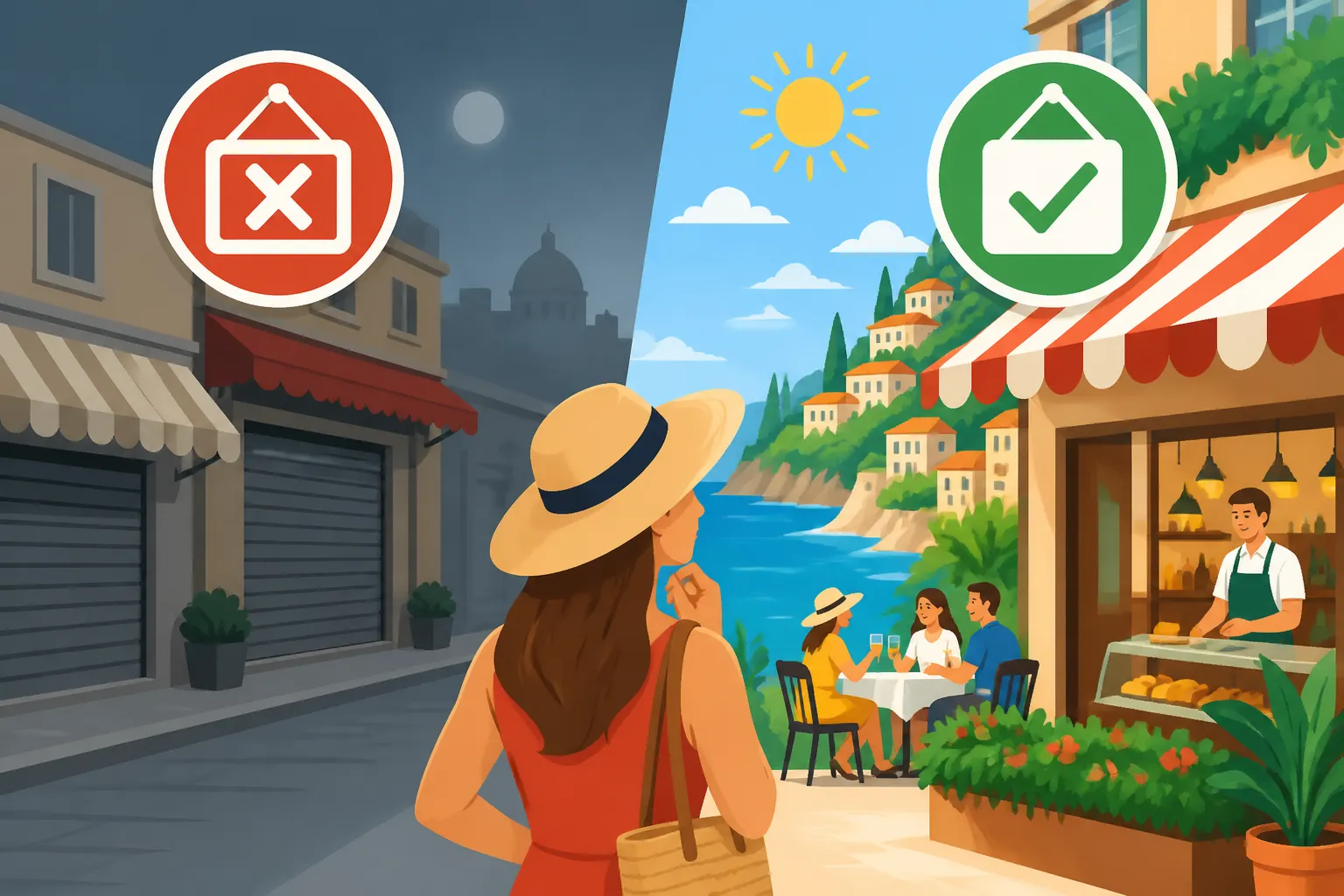
Beyond public services, local businesses are often the most noticeable casualties of Ferragosto. Many small, independent shops – think your beloved neighborhood alimentari (grocery store), farmacia (pharmacy), or boutique – will close their doors. These aren't just one-day affairs; some close for a week, others for two, and a few for the entire month! They usually post a sign, often weeks in advance, indicating their closure dates, which can range from "Chiuso per Ferie dal… al…" (Closed for holidays from… to…) to simply "Torniamo a Settembre!" (We'll be back in September!).
The impact is felt most acutely in residential neighborhoods. While large supermarkets and chains might remain open, sometimes with shorter hours, the charm and convenience of smaller, specialized stores often disappear. This means you might need to adjust your Grocery Shopping in Italy: Supermarkets vs Markets routine, or plan your meals around what's available. If you're staying in a smaller town or village, the closures can be even more comprehensive. It's a lovely testament to the value Italians place on family and rest, but for an unprepared visitor, it can be a headache.
Restaurants and Cafes
Perhaps one of the most surprising aspects of Ferragosto for visitors is the closure of many restaurants and cafes. In major cities, especially in non-touristy areas, you'll find countless "Chiuso per Ferie" signs on your favorite eateries. It’s not uncommon for a family-run trattoria or a local pasticceria to take a well-deserved two-week break, or even longer, to escape the summer heat and join the mass exodus.
This doesn't mean you'll starve, but your dining options might be more limited to tourist-oriented establishments or larger chain restaurants, which tend to remain open. In popular coastal or mountain destinations, restaurants will, of course, be fully operational and bustling, as they are catering to the vacationing crowds. However, if you're exploring a quieter city or a lesser-known town, you should definitely plan your meals, perhaps even stocking up on supplies for a picnic or a home-cooked meal. Even some cafes might have shorter hours or close for a few days, so your morning cappuccino might require a bit more searching. It’s all part of the charming chaos of What Closes During Italian Holidays and Ferragosto?.
What Stays Open During Ferragosto? Your Survival Guide
Alright, now for the good news! While much of Italy slows down, it certainly doesn't shut down completely. There are plenty of places and services that remain open, particularly those catering to tourists or providing essential services. Knowing where to look will make all the difference.
Tourist Hotspots and Major Attractions
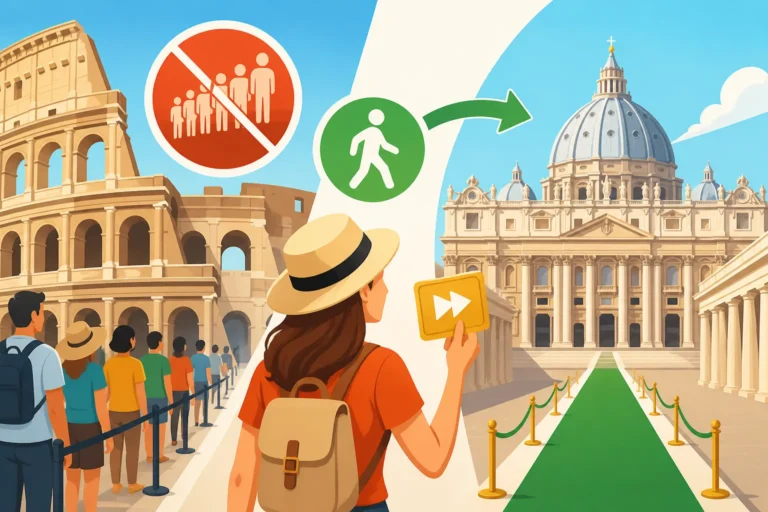
This is where Italy truly shines during Ferragosto. The Colosseum, the Uffizi Gallery, the Vatican Museums, Pompeii – all the iconic attractions that draw millions of visitors year-round will absolutely be open, often with extended summer hours. After all, August is peak tourist season, and these sites are major economic drivers. Expect crowds, especially at world-famous landmarks, so booking your tickets well in advance is essential. Sites like Booking.com can be invaluable for finding accommodation near these attractions, helping you secure a place to stay even when demand is high.
Beyond the major sites, many smaller museums, galleries, and archaeological parks in popular tourist destinations will also be open. In fact, some cities might even put on special events, concerts, or open-air cinema screenings to entertain the visitors. So, if your heart is set on seeing a specific masterpiece or walking through ancient ruins, Ferragosto is definitely a viable time, just be prepared for the heat and the company of many fellow travelers.
Essential Services and Larger Retailers
While your local panificio might be on holiday, you won't be left without bread or necessities. Larger supermarkets, chain stores, and pharmacies in more urban or tourist-heavy areas generally remain open, though their hours might be slightly reduced on the 15th itself. You'll still find ample supplies of food, toiletries, and other essentials. Many farmacie (pharmacies) will operate on a rotating turno system, meaning there's always one open in the vicinity, even on a holiday. Look for the illuminated green cross or a sign indicating the nearest open pharmacy (farmacia di turno).
Emergency services, of course, remain fully operational. Hospitals, police, and fire departments are always on duty. If you need urgent medical attention, the Pronto Soccorso (Emergency Room) is available, although for non-emergencies, it's always better to consult with a doctor first if possible. For minor issues, look for a "guardia medica" service, which offers after-hours medical care and operates when regular doctors are closed. For medical appointments, understanding how to navigate the Booking Medical Appointments in Italy Through the CUP System can be useful, even if booking during Ferragosto itself might be tricky for non-urgent matters.
Coastal Areas and Mountain Resorts
This is where the majority of Italians flock, so these areas are absolutely buzzing with life during Ferragosto. Beaches, lidos (private beach clubs), restaurants, shops, and hotels in coastal towns like Rimini, Sorrento, or along The Amalfi Coast and Cinque Terre: Choosing Your Coast will be in full swing. The same goes for mountain resorts in the Dolomites or the Apennines. These are prime destinations for Italians escaping the city heat, so everything is open and designed to cater to vacationers.
Expect these areas to be incredibly lively, often crowded, and certainly more expensive than usual. If you're looking for a quiet, secluded beach, this might not be the week to find it in popular spots. However, if you're eager to experience the quintessential Italian summer holiday vibe, complete with late-night strolls, bustling markets, and delicious seafood, then heading to the coast or mountains is a fantastic choice. Just make sure to secure your accommodation well in advance using platforms like Booking.com, as demand is incredibly high.
Planning Your Ferragosto: Tips for a Stress-Free Holiday
Understanding the rhythm of Ferragosto is one thing; navigating it successfully requires a bit of savvy planning. Don't let the closures catch you off guard; a little foresight can turn potential frustration into a memorable Italian experience.
Booking Accommodation in Advance
This cannot be stressed enough: if you plan to travel anywhere in Italy during August, especially around Ferragosto, book your accommodation months in advance. Seriously. The competition for rooms, particularly in desirable coastal or mountain locations, is fierce. Prices also tend to be at their absolute peak during this period. Whether you're eyeing a charming B&B, a family-friendly apartment, or a luxurious hotel, the best options disappear quickly.
Using a reliable platform like Booking.com is your best bet for finding available properties, comparing prices, and reading reviews. They have an extensive selection, from traditional Accommodation in Italy: Hotels, B&Bs, and Agriturismi to apartments suitable for longer stays. Be prepared for higher rates, and if flexibility is an option, consider visiting just before or after the peak Ferragosto week to potentially find better deals and fewer crowds. Remember, even if you're staying in a major city, many locals will rent out their apartments for extra income, so availability can fluctuate.
Preparing for Essential Needs
Since local shops might be closed, it's wise to stock up on essentials. If you're staying in an apartment with a kitchen, make sure you have enough groceries, especially for August 15th itself, as even large supermarkets might have reduced hours or be closed entirely for the holiday. Think about what you'll need for breakfast, lunch, and dinner, and grab those items a day or two before.
Consider also any specific medications you might need. While pharmacies will be on rotation, it's always better to have your own supply for chronic conditions or common ailments. If you're bringing prescription medications into Italy, ensure you understand the rules around Bringing Prescription Medications into Italy. Don't forget sunscreen, insect repellent, and other summer necessities, as finding them on the day might be a challenge if smaller shops are closed. A bit of foresight here will save you a lot of hassle.
Embracing the Italian Spirit
Ultimately, the key to a stress-free Ferragosto is to embrace it. Rather than fighting against the closures, lean into the relaxed, holiday pace. This is a time when Italians slow down, unwind, and enjoy life's simple pleasures. Adopt that mindset! Don't rush; accept that things might take a little longer or require a different approach. If your usual restaurant is closed, take it as an opportunity to discover a new one, or perhaps enjoy a homemade meal.
Think of it as a forced digital detox or a chance to truly immerse yourself in the local way of life. Head to the beach, enjoy a long afternoon pisolino (nap), savor an extended meal with loved ones. It’s a unique cultural experience that, once understood, can be incredibly rewarding. Planning your Travel Logistics in Italy: Money, Safety, and Connectivity will also help you feel more at ease during this time.
Alternative Ferragosto Experiences: Beyond the Beach
While the beaches and mountains are popular, Italy offers a plethora of other experiences during Ferragosto. Don't feel pressured to join the crowds; there are wonderful alternatives that allow for a different kind of summer celebration.
Exploring Smaller Towns and Sagre
Many smaller towns and villages, especially those not directly on the coast, come alive during Ferragosto with local festivals known as sagre. These are often dedicated to a particular local food, wine, or saint, and they offer a fantastic glimpse into authentic Italian culture. Imagine open-air dining, live music, dancing, and a convivial atmosphere that lasts late into the night. It's an opportunity to try regional delicacies, sip local wines, and truly feel like you're part of the community.
These sagre are typically advertised locally with posters, but a quick online search for "sagre Ferragosto [region/town name]" might yield some results. They are often incredibly charming and much less touristy than the main attractions. If you're driving, exploring the scenic countryside and stumbling upon a local celebration can be a highlight of your trip. Don't forget to check out How to Find Local Sagre (Food Festivals) During Your Visit for more tips on finding these gems.
City Escapes and Cultural Events
Even if many locals have left, major cities like Rome, Florence, and Milan don't entirely shut down. In fact, some cities intentionally host special events, open-air concerts, and art installations during August to entertain the tourists and those who remain. Museums might have special exhibitions, and parks often host outdoor movie nights or live performances. The general quietness of these cities, with less traffic and fewer commuters, can also make them surprisingly pleasant to explore.
While certain local businesses might be closed, the tourist infrastructure remains robust. You'll find plenty of restaurants, cafes, and shops catering to visitors. It’s an ideal time to really soak in the atmosphere of iconic places without the usual frenetic pace. And again, for finding a place to stay that suits your budget and preferences in a bustling city, Booking.com offers a wide range of options, from chic boutique hotels to budget-friendly hostels, ensuring you have a comfortable base for your urban adventure.
Unique Stays and Hidden Gems
Ferragosto can be the perfect time to explore some of Italy's lesser-known regions or try a different type of accommodation. Instead of the crowded coast, consider an agriturismo (farm stay) in Tuscany or Umbria, where you can enjoy rural tranquility, fresh farm-to-table food, and often a refreshing pool. These tend to remain open and busy, offering a serene escape. Or perhaps a charming lakeside village, away from the more famous shores, where you can enjoy boating, hiking, and picturesque views.
Italy is full of hidden gems, from ancient hilltop towns to serene national parks, that offer a different kind of beauty and experience. Researching these alternatives can lead to truly unique and unforgettable memories. Sometimes, going against the grain of popular opinion is where the real magic happens. Plus, Booking.com can help you discover these unique stays, providing filters for agriturismi, villas, and even more unusual properties, allowing you to tailor your Ferragosto escape to your exact desires.
No matter how you choose to spend it, Ferragosto in Italy is an experience. It's a reminder of Italy's deep-rooted traditions, its love for family, and its dedication to enjoying the summer. With a bit of planning and an open mind, you can navigate the closures and embrace the magic of this very Italian holiday.
Disclaimer
This article is for general informational purposes only and does not constitute professional advice. Laws, prices and regulations vary by location and change over time. Consult a qualified professional for guidance on your specific situation.