How Many Days Do You Need in Tuscany?
Most travelers treat Tuscany like a frantic checklist, rushing from the Uffizi Gallery to the Leaning Tower of Pisa in a caffeinated blur, only to realize they have spent more time staring at GPS screens than rolling hills. This guide solves the "how long" dilemma by breaking down realistic timelines, ensuring you experience the region's soul rather than just its gift shops.
Disclosure: This post may contain affiliate links. We may earn a commission at no extra cost to you if you make a purchase through these links. Read full disclosure.
Defining Your Tuscan Pace: How Much Time is Enough
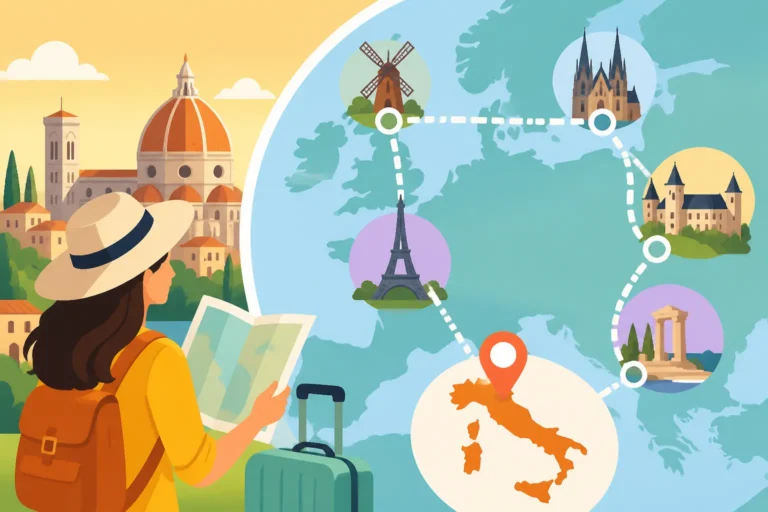
When you first start looking at a map of central Italy, everything looks deceptively close. You might think you can "do" Tuscany in a long weekend. As someone who has lived here through countless harvest seasons, I can tell you that the "perfect" number of days is entirely dependent on your tolerance for transit and your desire for depth. If you only have three days, you aren't seeing Tuscany; you are seeing Florence with a side dish of countryside. To truly feel the rhythm of the land, you need to think in terms of "hubs" and "pacing."
For those on a tight schedule, three to four days allows for a focused exploration of Florence and perhaps one day trip to a nearby town like Siena or Lucca. However, this pace is exhausting. You will be fighting crowds and checking your watch constantly. If you want the version of Tuscany you’ve seen in the movies—the one with long lunches under grape arbors and slow drives through cypress-lined avenues—you need at least seven to ten days. This duration allows you to unpack your bags once or twice, rather than living out of a suitcase while hopping between hotels.
If you are planning your transit between major hubs like Florence, Pisa, or Arezzo, using a platform like Omio can help you visualize the train schedules and see just how much of your day will be eaten up by travel. Often, expats recommend the "Slow Travel" approach. Spending a full two weeks in the region is the only way to venture into the lesser-known areas like the Maremma or the Garfagnana, where the tourist menus disappear and the real Italy begins. For more on how to space out your visit, check out our guide on Tuscany for Travelers: Cities, Hills, and Coast.
The Three-Day Whirlwind: Can It Be Done
If you are truly pressed for time and only have 72 hours, you must be disciplined. Most people make the mistake of trying to see three cities in three days. Don't. Use your first two days to immerse yourself in the Renaissance. Florence requires time to breathe; between the Accademia, the Duomo, and the Oltrarno artisans, your schedule will be packed. You can find excellent boutique stays or traditional apartments on Booking.com that put you within walking distance of the main sites, saving you precious time on local buses.
On your third day, pick one direction. Do not try to see both Pisa and Siena in one day. If you love medieval atmosphere and Gothic architecture, take the bus or train to Siena. If you want a mix of cycling and history, Lucca is your best bet. A great way to maximize a short trip is to book a structured excursion through GetYourGuide, which often includes transport and skip-the-line access to major monuments, allowing you to bypass the two-hour wait times that plague the peak season.
The reality of a three-day trip is that you will leave feeling like you’ve only scratched the surface. You will miss the sunset over the Crete Senesi and the smell of woodsmoke in a mountain village at dusk. However, it serves as a "taster" menu. For a deeper look at the urban side of this trip, you might want to compare your options in How Many Days Do You Need in Florence? to see if you should dedicate your entire short stay to the capital instead of venturing out.
The Seven-Day Sweet Spot: A Balanced Itinerary
Seven days is the gold standard for a first-time visitor. With a week at your disposal, you can split your time between the "Art Cities" and the "Valleys." I usually recommend three days in Florence followed by four days in a rural base, ideally an agriturismo (farm stay) in the Chianti or Val d’Orcia regions. This allows you to experience the transition from the high-energy streets of the city to the silent, starlit nights of the countryside.
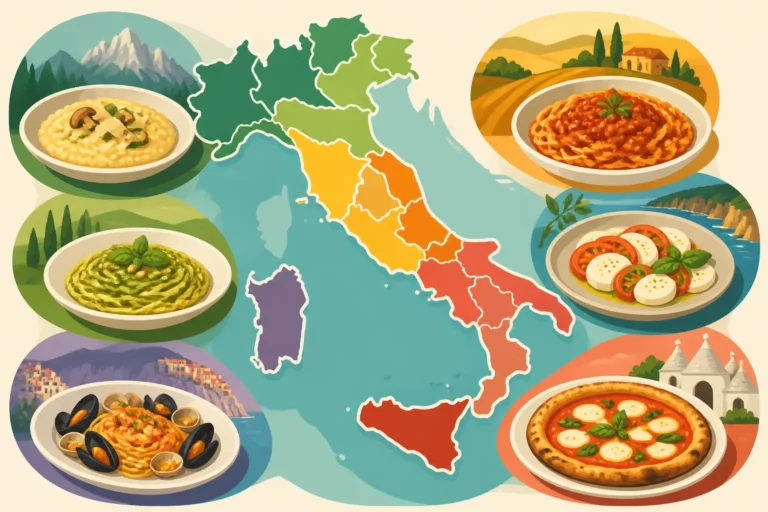
During these four rural days, you can explore at a leisurely pace. One day can be dedicated to the "Big Two" hill towns: San Gimignano and Volterra. Another day should be reserved for the wine trail, perhaps visiting a cellar in Montepulciano or Montalcino. Having a week means you don't have to panic if it rains one afternoon or if you decide that a three-hour lunch in a trattoria is more important than visiting another museum. This is the duration where you start to understand Italian Regional Cuisine: How Food Changes Across Italy because you’ll actually have the time to sit and talk to the producers.
Logistically, a week-long trip often necessitates a vehicle. While trains are fantastic for city-to-city travel, they don't reach the secluded vineyards or the tiny hilltop hamlets where the best views are found. If you decide to drive, be sure to research Renting a Car in Italy: ZTLs, Insurance, and Driving Tips before you arrive. There is nothing that ruins a Tuscan vacation faster than receiving a stack of ZTL fines in the mail six months after you return home.
Ten Days to Two Weeks: The Deep Immersion
When you move beyond the ten-day mark, the "tourist" label starts to fade, and you begin to live like an expat. This is the timeframe that allows for "thematic" days. You can spend a whole day just hunting for truffles in the woods near San Miniato or dedicated to a cooking class where you learn to roll pici pasta by hand. You can also venture into the southern reaches of Tuscany, where the landscape turns rugged and volcanic.
With two weeks, you can include a trip to the coast. Many visitors forget that Tuscany has a stunning coastline and islands. You could spend two days in the Monte Argentario area or take a ferry to Elba Island. This adds a completely different dimension to your trip, moving from the cypress trees of the interior to the turquoise waters of the Tyrrhenian Sea. It’s also the perfect amount of time to cross borders and see how the landscape shifts, perhaps following our advice on How to Plan a Road Trip Through Tuscany and Umbria for a multi-region adventure.
The luxury of a long stay is the ability to have "zero days"—days where you do absolutely nothing but sit in a piazza with a book and a gelato. You’ll begin to notice the local characters: the nonno who sits on the same bench every morning, the baker who knows your name after three visits. To help you decide when to slot in this long-form stay, consult What's the Best Month to Visit Tuscany? to ensure the weather matches your desire for either poolside lounging or cozy fireside wine tasting.
Comparative Itinerary Overview
The table below provides a quick comparison of what you can realistically achieve based on the length of your stay.
| Duration | Focus Area | Essential Experiences | Recommended Transport |
|---|---|---|---|
| 3 Days | Florence & 1 Side Trip | Uffizi, Duomo, Lucca or Siena | Trains & Walking |
| 5 Days | The Art Triangle | Florence, Siena, San Gimignano, Pisa | Train & Regional Bus |
| 7 Days | Cities & Chianti | Florence, Siena, Chianti Wine Route, Volterra | Rental Car (Highly Rec.) |
| 10 Days | Classic Tuscany | Val d'Orcia, Montepulciano, Pienza, Thermal Baths | Rental Car |
| 14 Days | Deep Tuscany & Coast | Maremma, Elba Island, Pitigliano, Lucca, Art Cities | Rental Car & Ferry |
Navigating Logistics and Local Pitfalls
Regardless of how many days you choose, the logistics of Tuscany can be a headache for the uninitiated. The region is mountainous and the roads are winding. A 30-kilometer drive that looks like a twenty-minute hop on a map can easily take an hour when you factor in tractors, sharp bends, and the inevitable stop to take a photo of a particularly beautiful vineyard. If you are relying on public transport, checking platforms like Omio is essential for coordinating the "treno + bus" combinations that often define rural travel.
One major hurdle for travelers is the ZTL (Zona Traffico Limitato). Most historic centers are closed to non-resident vehicles. If you are staying in a city center, check with your hotel on Booking.com to see if they can register your license plate for temporary access. Ignorance of the law is not a defense here, and the cameras are unforgiving. Understanding What Is a ZTL in Italy and How to Avoid Fines is arguably the most important "pro tip" I can give any prospective driver.
Finally, remember that Tuscany is a seasonal beast. In July and August, the heat can be oppressive, making midday sightseeing nearly impossible. If you visit during these months, you need more days to compensate for the "siesta" hours when you’ll likely want to be indoors or by a pool. Conversely, a winter trip allows you to see the museums in record time due to the lack of crowds, but you’ll have fewer daylight hours for countryside driving. Always try to How to Find Authentic Restaurants in Italy (Not Tourist Traps) to ensure your meals are as memorable as the views, regardless of the season.
Maximizing Your Time with Expert Help
For those who want to pack a lot into a few days without the stress of navigating, leveraging local tours is a lifesaver. Using GetYourGuide to find a sommelier-led wine tour or a guided hike through the Garfagnana can provide context that you simply won't get from a guidebook. These experiences often open doors to private estates that are not accessible to the general public, giving you a "fast track" to the authentic Tuscan experience.
If you are traveling by rail, familiarize yourself with High-Speed Trains in Italy: Trenitalia, Italo, Routes, and Savings to move quickly between the major cities like Florence and Arezzo. Once you reach those hubs, you can switch to regional modes of transport. However, always leave a buffer in your schedule. Italian life is governed by a certain fluidity; strikes occur, shops close for "pausa pranzo," and sometimes the most beautiful part of your trip will be the accidental detour you took because you missed a turn.
Ultimately, the question of "how many days" is less about the calendar and more about your ability to let go of the "must-see" mentality. Whether you have three days or thirty, Tuscany rewards those who look closely and linger long enough to see the light change over the olive groves. Plan your base carefully, keep your transit simple, and always leave a little room for the unexpected.
Disclaimer
The information provided in this guide is for informational purposes only. Travel regulations, transport schedules, and local laws in Italy are subject to change. While we strive to provide up-to-date advice based on expat experience and current data, readers should verify specific details, such as ZTL boundaries and visa requirements, with official government or transport authorities before travel.