How to Replace a Lost Permesso di Soggiorno in Italy
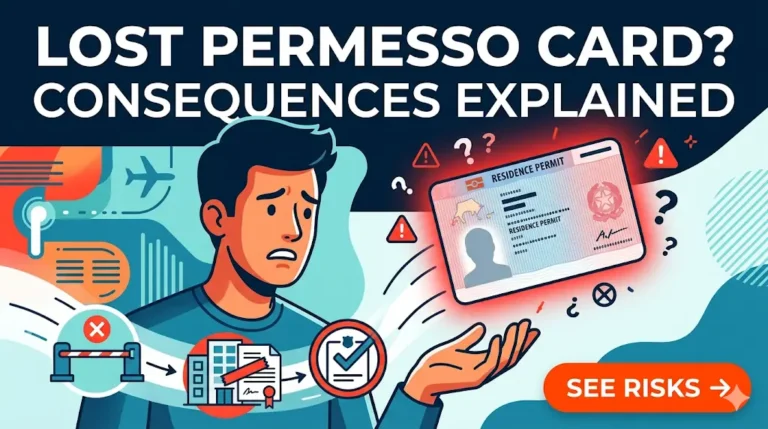
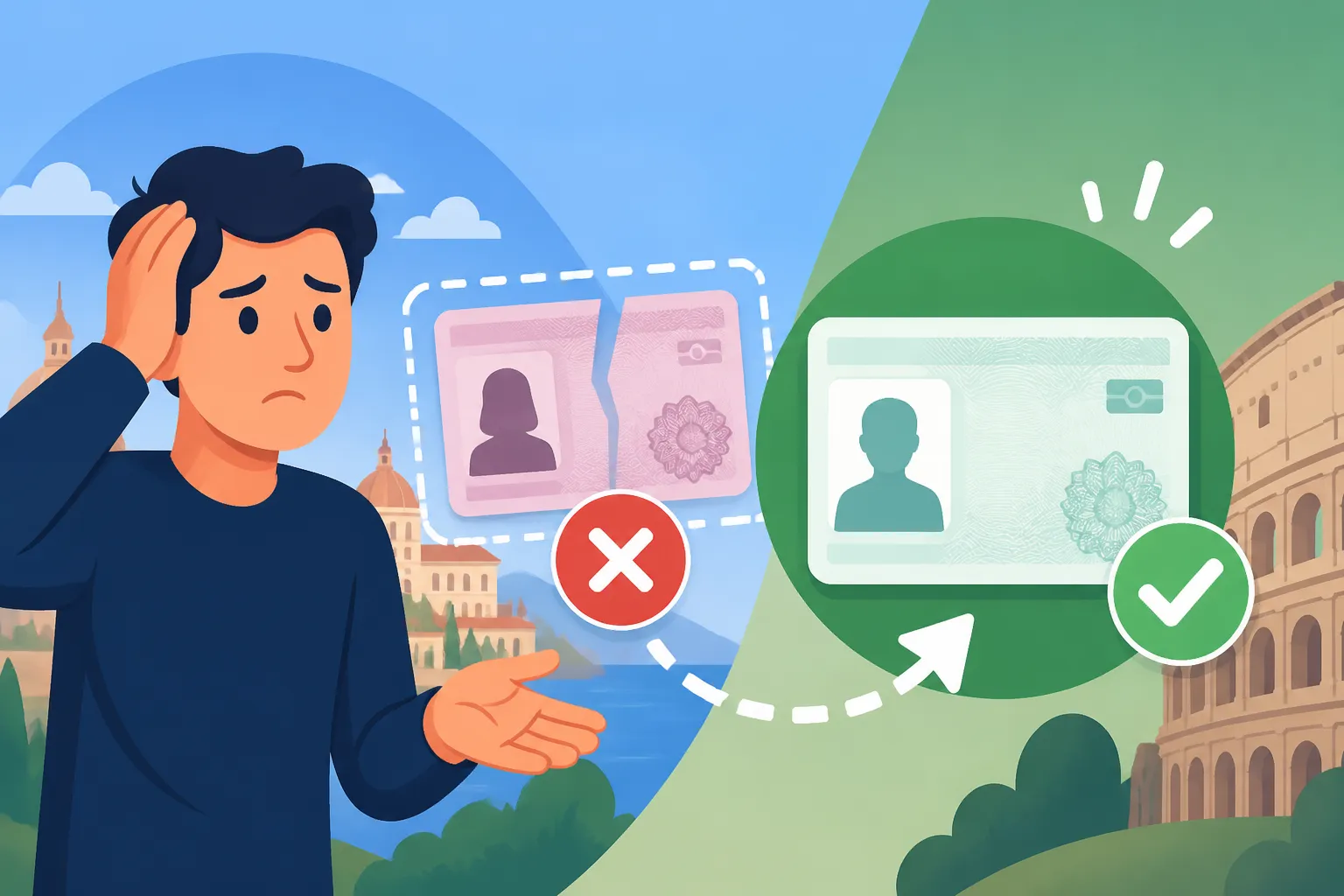
Imagine walking into a crowded caffe in the heart of Rome, reaching into your bag to find your wallet, and realizing the small plastic card that validates your entire life in Italy is gone. I remember the cold sweat that hit me when this happened during my third year living in Florence; feeling like a ghost in the system is a terrifying experience for any expat. This guide walks you through the bureaucratic labyrinth of replacing a lost Permesso di Soggiorno so you can regain your legal standing and stop looking over your shoulder.
Disclosure: This post may contain affiliate links. We may earn a commission at no extra cost to you if you make a purchase through these links. Read full disclosure.
Immediate Actions: The Denuncia and Your Legal Safety Net
The very first thing you must do—ideally within 24 hours of noticing the loss—is head to the nearest police station to file an official report, known as a Denuncia. You cannot skip this step; without a formal record of the loss or theft, the Post Office will not even give you the application kit, and the Questura will not process a duplicate. You have two main choices: the Polizia di Stato (the State Police) or the Carabinieri. In my experience, the Carabinieri stations in smaller neighborhoods are often slightly less crowded, but both are equally valid for this purpose.
When you walk in, tell the officer at the front desk, "Vorrei sporgere denuncia per lo smarrimento del mio permesso di soggiorno." They will likely ask for your passport and any photocopies of the lost permit you might have. This is why veteran expats always suggest keeping digital scans of every document. If you don't speak much Italian, it is helpful to bring a friend or use a professional service to help you draft a simple statement. Knowing How to Call 112 in Italy: What to Say and What Happens can give you some comfort in understanding how emergency services operate, but for a lost permit, you must go to the station in person.
Choosing Between the Polizia and Carabinieri
While it might seem like a trivial choice, where you file your report can impact how long you spend waiting on a hard wooden bench. The Questura (police headquarters) in major cities like Milan or Rome is often a chaotic environment with long queues just to enter the building. Local Caserma dei Carabinieri are usually tucked away in residential areas and offer a more personalized, if still strictly formal, experience.
Regardless of which branch you choose, ensure the officer gives you a signed, stamped copy of the Denuncia. This piece of paper effectively becomes your temporary ID. If you are ever stopped by the authorities while your new card is being printed, this report proves that you are in the process of rectifying your situation. If you had any foreign documents in your wallet that also need replacing, you might need to use a service like RushTranslate or Translayte to handle the official translations required by your home country’s consulate.
What to Say When You Don't Have the Words
Navigating an Italian police station without fluent language skills can be intimidating. If the officer is moving too fast, don't be afraid to ask them to slow down. You need to be very clear about whether the permit was lost (smarrimento) or stolen (furto). If it was stolen, they might ask for more details about where and when it happened.
The report will eventually be needed for several offices, so ask for at least two "original" copies if possible. This saves you the headache of having to get more certified copies later. If you find yourself struggling with the paperwork, remember that How to Handle a Medical Emergency in Italy Without Italian provides useful tips for communicating with officials under pressure, which are quite applicable here as well.
The Duplicato Process: Tackling the Kit Giallo
Once you have the Denuncia in your hand, your next stop is the local Poste Italiane. You are looking for a post office with a Sportello Amico counter. Here, you will ask for a "Kit Giallo" (the yellow application kit) for a "Duplicato" of your Permesso di Soggiorno. Unlike your first application or a renewal, a duplicate is theoretically simpler, but the Italian bureaucracy rarely feels simple when you are in the thick of it.
The kit contains several forms, but for a duplicate, you focus primarily on Modulo 1. You will need to provide your personal details exactly as they appear on your passport. If your original permit was based on a specific work contract or a family visa, keep those details handy. If your supporting documents are in a language other than Italian, you should use an accredited service like Translayte or RushTranslate to ensure the Questura accepts them without delay. Errors in the kit are the number one cause of delays, so take your time filling it out with a black pen and clear capital letters.
Gathering Your Documentation
The requirements for a duplicate are specific. You cannot just submit the form; you need to prove who you are and why you need the replacement. Every Questura has slightly different local quirks, but the standard list of attachments includes:
- A full photocopy of your passport (every single page, even the empty ones).
- The original copy of the Denuncia (police report).
- A photocopy of your Codice Fiscale.
- Photocopies of any documents proving your current status (work contract, university enrollment, etc.).
- The receipt for the payment of the electronic permit fee.
If you are unsure about your tax code status, you should look into How to Get a Codice Fiscale in Italy (and Why You Need One) to ensure your records are up to date. Having these documents ready before you head to the post office will save you from the "tornate domani" (come back tomorrow) syndrome that plagues many expat errands.
The Post Office Gauntlet
Returning the completed kit to the Sportello Amico is where you will pay the necessary fees. You will need to purchase a "Marca da Bollo" (a revenue stamp) from a Tabaccheria before you go. As of 2026, these are typically 16.00 EUR. At the post office, you will pay for the shipping of the kit (around 30.00 EUR) and the cost of the electronic card itself.
The clerk will then hand you a "Ricevuta" (receipt) which includes a User ID and Password. This receipt is your most precious possession for the next few months. It is the only document that proves you are legally residing in Italy while your card is missing. For a detailed look at this specific part of the process, you can read The Kit Postale: Applying for a Permesso di Soggiorno by Post to understand the nuances of the mailing system.
| Expense Type | Estimated Cost (EUR) | Where to Pay |
|---|---|---|
| Marca da Bollo | 16.00 | Tabaccheria |
| Post Office Shipping Fee | 30.00 | Poste Italiane |
| Electronic Card Fee | ~30.00 to 50.00 | Poste Italiane |
| Photos (4x) | 5.00 – 10.00 | Photo Booth/Studio |
| Total Estimated Cost | ~81.00 – 106.00 |
Life in Limbo: Rights and Restrictions with a Ricevuta
The period between submitting your kit and receiving your new card can last anywhere from three months to over a year, depending on which city you live in. During this time, the Ricevuta is your legal standing. It is essential to understand that while this receipt allows you to stay in Italy and continue working, it does come with travel restrictions.
If you are a non-EU citizen, you generally cannot travel through other Schengen countries (like France or Germany) with just a Ricevuta and a passport. You are typically allowed to travel back to your home country, provided you fly directly or transit through a non-Schengen country, but even this can be risky if your airline isn't familiar with Italian residency receipts. If your health insurance was tied specifically to your physical card and you find yourself in a coverage gap, companies like Cigna Global offer expat-friendly plans that can bridge the uncertainty.
Traveling Outside of Italy
I have seen many expats get stuck at boarding gates because they assumed the Ricevuta was a universal travel document. It is not. If you must travel, carry the original Ricevuta, your passport, and a copy of the Denuncia. If you are worried about your healthcare access during this time, exploring Public vs Private Health Insurance in Italy will help you understand if you need a secondary policy from a provider like Cigna Global to ensure you are covered regardless of your permit status.
Always check the latest circulars from the Ministero dell'Interno before booking a flight. Generally, the rule is that you must exit and enter Italy through the same border crossing point, and you shouldn't have any stopovers in the Schengen area. If you find this too restrictive, you might have to stay put until the new card arrives.
Accessing Healthcare and Essential Services
One of the biggest headaches of losing a permit is the potential ripple effect on your other Italian documents. Your Tessera Sanitaria (health card) is usually linked to the expiration date of your Permesso. If your permit was lost and the system flags it, you might have trouble at the pharmacy or doctor.
You should take your Ricevuta and Denuncia to your local ASL (Azienda Sanitaria Locale) to ensure your coverage remains active. They can usually issue a temporary paper extension. For more on this, check out Getting Health Insurance in Italy: Public and Private Options. Keeping your residency status updated is also vital, so make sure you know How to Register Residency at the Italian Anagrafe and How to Get a Certificato di Residenza in Italy to prevent any administrative lapses while you wait for your plastic card.
The Final Stretch: Questura Fingerprinting and Collection
After a few weeks or months, you will likely receive an SMS or a registered letter (Raccomandata) with an appointment date at the Questura for your fingerprints (rilievi fotodattiloscopici). This is the mandatory "in-person" part of the process. Do not miss this appointment; if you do, your application might be archived, and you will have to start the entire process—and pay the fees—all over again.
When you go to the Questura, bring four identical passport-sized photos with a white background. You will also need to bring the originals of every document you included in the kit. The atmosphere at the Questura can be tense and crowded, so arrive early and bring a book. You can check How Long Does It Take to Get a Permesso di Soggiorno? to manage your expectations regarding the timeline in different regions.
The Fingerprinting Appointment
The appointment itself is usually quite fast once you actually get inside the room. They will scan your fingers and verify the information in your file. This is also the time to mention if you have changed your address since you filed the kit. If you have moved, you will need to show proof of your new residence.
If you find that your appointment is set for a time when you absolutely cannot attend, you must go to the Questura beforehand or send a PEC (certified email) to request a reschedule, though this is notoriously difficult. For a deeper dive into the logistics of these meetings, see Booking and Attending Questura Appointments in Italy. After the fingerprints are taken, the wait for the physical card begins. You can use the numbers on your Ricevuta to see How to Track Your Permesso di Soggiorno Status Online and avoid unnecessary trips to the police station.
Tracking the SMS of Freedom
Once your permit is ready, you will receive another SMS telling you when and where to pick it up. Some cities now use an online booking system for collection, while others still use the "show up on Wednesday morning" method. When you finally hold that new plastic card in your hand, take a moment to breathe. Then, immediately take a photo of both sides and save it in a secure cloud folder.
Losing your permit is a rite of passage for many in Italy, but it doesn't have to be a disaster. By staying organized and following the steps meticulously, you can turn a major stressor into just another story of life in the Bel Paese. If you find that the public system is moving too slowly for your comfort, especially regarding health or legal protection, maintaining a private backup through Cigna Global can provide the stability that the Italian bureaucracy sometimes lacks.
Disclaimer
This article is for informational purposes only and does not constitute legal advice. Immigration laws and local Questura procedures in Italy change frequently. Always consult the official website of the Polizia di Stato or a qualified immigration professional for the most current regulations.