Campania: Naples, the Amalfi Coast, and the Bay
Oh, Italy! Just when you think you've got a handle on one region, another one comes along and throws all your plans into beautiful, chaotic disarray. Choosing where to focus your precious exploration time can feel like trying to pick just one flavor of gelato – impossible and a little bit anxiety-inducing. But trust me, as someone who’s navigated these delightful dilemmas more times than I can count, if you’re dreaming of a place that truly embodies Italy’s dramatic flair, ancient history, mouth-watering food, and dazzling coastlines, then Campania, with its incredible capital Naples, the iconic Amalfi Coast, and the sparkling Bay of Naples, is where your heart truly wants to be. This isn't just a destination; it's an immersive experience that will challenge, charm, and utterly captivate you.
Disclosure: This post may contain affiliate links. We may earn a commission at no extra cost to you if you make a purchase through these links. Read full disclosure.
Unveiling Naples: The Heartbeat of Campania
Naples is often described as a city that hits all your senses at once, a vibrant, sprawling metropolis that feels distinctly different from the polished beauty of Rome or Florence. It’s a place of raw energy, genuine warmth, and a history so rich it spills out onto every street corner. For expats and seasoned travelers, it’s a city that commands respect and offers rewards in equal measure, often pushing you out of your comfort zone in the most wonderful ways. It's truly the soul of Campania.
A City of Contrasts and Culinary Delights
Walking through Naples, you’ll immediately feel its pulse. Narrow alleys, or vicoli, buzz with life – Vespas whizzing by, clotheslines strung overhead like festive bunting, and the constant murmur of Neapolitan chatter. This isn't a city that sugarcoats itself; it’s gritty, authentic, and unapologetically alive. You'll see grand palaces standing proudly next to crumbling, ancient buildings, illustrating centuries of layered history. The city is a masterpiece of contrasts, where incredible art and poverty coexist, and baroque churches hide within bustling markets. It’s a place that demands you pay attention, offering endless discoveries if you’re willing to look beyond the surface.
And then there's the food. Ah, the food! Naples isn't just famous for its pizza; it's the birthplace of modern pizza, and tasting it here is a pilgrimage. Forget everything you thought you knew about pizza until you've had a simple Margherita from an authentic Neapolitan pizzeria, perhaps from a legendary spot like Gino Sorbillo or L'Antica Pizzeria da Michele. The soft, chewy crust, the tangy San Marzano tomatoes, the creamy mozzarella di bufala – it's an almost spiritual experience. But the culinary journey doesn't stop there. Indulge in fried street food like cuoppo (a paper cone filled with fried seafood or vegetables), savory sfogliatella pastries for breakfast, or a rich Neapolitan ragù. Exploring the local markets, particularly La Pignasecca, is a feast for the eyes and the stomach, where you can sample regional cheeses, fresh produce, and local delicacies.
Exploring Naples' Historical Core and Underground
The historical center of Naples, a UNESCO World Heritage site, is a labyrinth of ancient streets and hidden treasures. Spaccanapoli, the "split Naples," is the ancient Roman decumanus maximus that literally cuts the city in two, offering a straight, bustling thoroughfare through the heart of the old town. Here, you’ll find artisan workshops, lively cafes, and an endless array of churches, including the Duomo di San Gennaro, home to the revered blood of Naples' patron saint. Don't miss the opportunity to wander down Via San Gregorio Armeno, especially around Christmas, where intricate nativity scenes (presepi) are crafted year-round.
One of Naples' most fascinating secrets lies beneath its bustling streets: Napoli Sotterranea, or Underground Naples. This ancient network of tunnels, cisterns, and cavities tells the story of the city from its Greek foundations, through Roman aqueducts, and even served as air raid shelters during WWII. Exploring these subterranean passages is an eerie yet captivating journey back in time, offering a unique perspective on Naples' enduring resilience. It’s a stark reminder that even in modern Italy, layers of history are constantly being uncovered. To truly grasp the essence of this vibrant city, a deep dive into its ancient past is essential, and the underground tours provide an unparalleled experience. You can find many local tours through platforms like GetYourGuide, making it easy to book your subterranean adventure.
The Bay of Naples: Gateway to Ancient Wonders
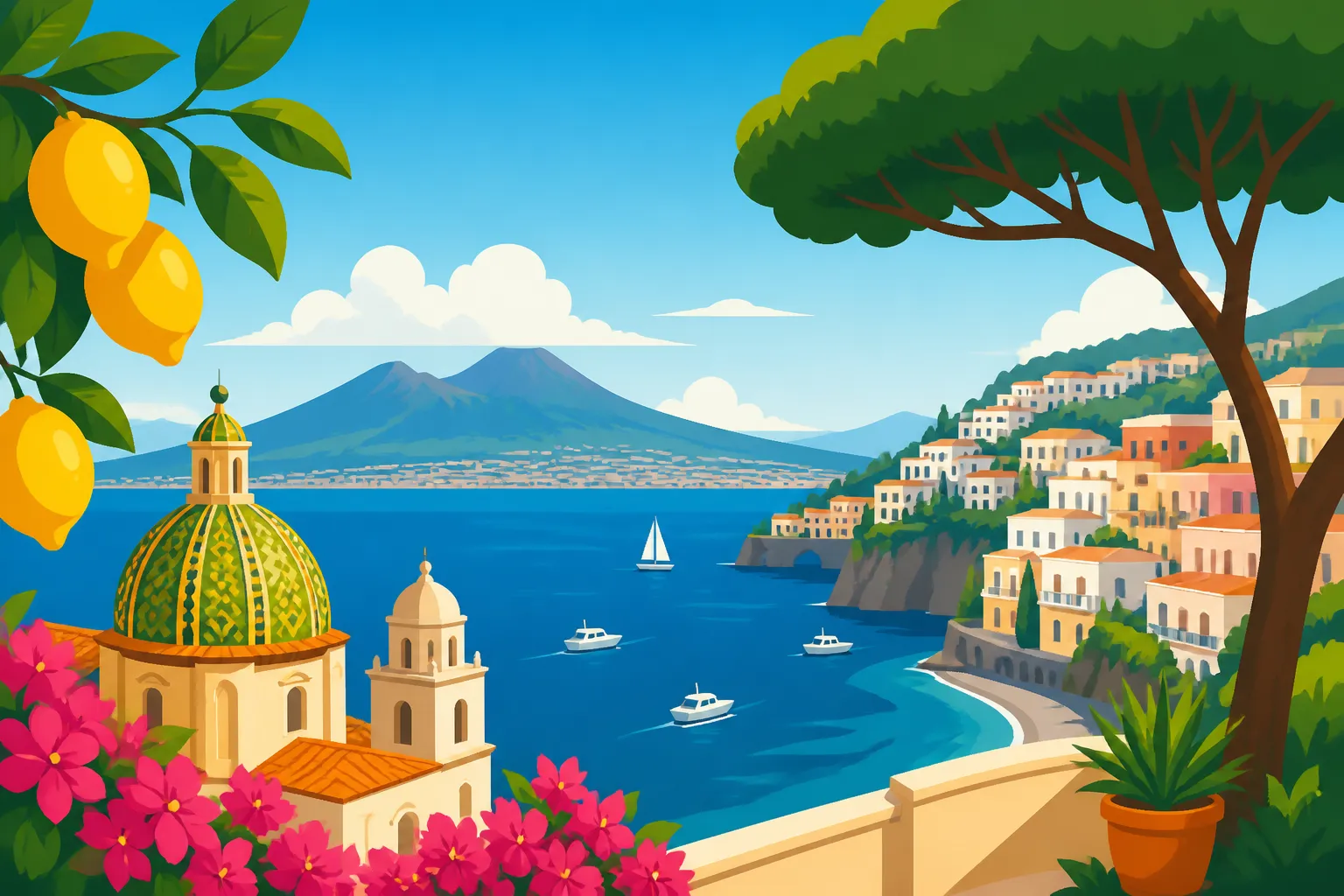
Naples sits proudly on the Bay of Naples, a crescent-shaped expanse of sparkling blue water overlooked by the brooding presence of Mount Vesuvius. This isn't just a pretty view; it's a gateway to some of the world's most significant archaeological sites. A trip to Pompeii and Herculaneum is an absolute must, offering a chillingly preserved glimpse into Roman life abruptly ended by Vesuvius's eruption in 79 AD. Pompeii, the larger and more famous site, reveals an entire city frozen in time, from grand villas to humble bakeries, street mosaics, and haunting plaster casts of its victims. It's a vast site, and you can easily spend a full day wandering its ancient streets.
Herculaneum, though smaller, is arguably even better preserved. Covered by a deeper, hotter pyroclastic flow, wooden structures, intricate frescoes, and even organic materials like food were carbonized rather than buried, offering an incredibly detailed snapshot of Roman daily life. Both sites provide an unparalleled understanding of ancient Roman civilization and its sudden demise. Looming over these ruins, Mount Vesuvius itself offers the opportunity for a hike to its crater, providing panoramic views of the entire Bay of Naples – a breathtaking reward after immersing yourself in the tragic history at its base. For those interested in this historical cornerstone of Italy, diving into a Naples City Guide: Food, History, and the Bay can provide even more context and planning tips.
The Allure of the Amalfi Coast: Iconic Beauty
Just a short distance from the bustling energy of Naples lies the Amalfi Coast, a stretch of coastline so breathtakingly beautiful it feels almost unreal. Picture-perfect pastel-colored villages clinging precariously to dramatic cliffsides, emerald waters lapping at hidden coves, and terraced lemon groves scenting the air. It’s a UNESCO World Heritage site for good reason and a perennial favorite for travelers seeking beauty, romance, and a touch of Mediterranean magic.
Cliffside Towns and Azure Waters: Positano, Amalfi, Ravello
Each town along the Amalfi Coast possesses its own distinct charm. Positano, arguably the most iconic, is a cascade of colorful houses tumbling down the hillside to the sea. Its narrow, winding alleys are filled with boutiques selling local fashion, ceramics, and the famous limoncello. While undeniably picturesque, it can also be quite busy, especially in peak season. It’s perfect for romantic strolls, soaking up the sun on its small beaches, and enjoying spectacular sunsets from a cliffside restaurant.
Amalfi, the historical heart of the coast, was once a powerful maritime republic. Its grand Duomo di Sant'Andrea, with its imposing staircase and Arab-Norman architecture, dominates the main piazza. Here you can explore the Paper Museum, a nod to the town's historical paper-making industry, or simply enjoy a leisurely lunch in the bustling square. Amalfi is a bit larger and more spread out than Positano, offering a wider range of shops and restaurants, and serves as a natural hub for exploring the wider coast.
Perched high above Amalfi, Ravello offers a more tranquil, refined experience with unparalleled panoramic views. Known for its exquisite villas and gardens, such as Villa Rufolo and Villa Cimbrone, Ravello is a haven for artists, musicians, and anyone seeking serenity. The views from its cliffside terraces are legendary, stretching out over the glittering sea and the dramatic coastline. It’s an ideal spot for cultural events, quiet contemplation, and escaping the coastal crowds, making it a perfect counterpoint to the more vibrant towns below. For a deeper look at similar coastal wonders, check out The Amalfi Coast and Cinque Terre: Choosing Your Coast.
Navigating the Amalfi Drive: Tips and Transportation
Driving the legendary Amalfi Drive (SS163) is an experience in itself – breathtakingly beautiful, but also notoriously challenging. The road is narrow, winding, and often congested, especially during summer, with sheer drops to the sea on one side. If you're an experienced driver and don't mind the white-knuckle turns and limited parking, it offers incredible flexibility. However, many visitors opt for alternative transportation methods, and frankly, I’ve often recommended it.
The public SITA bus service connects all the major towns along the coast, offering an affordable way to see the scenery, though buses can be crowded. For a more relaxed journey, particularly if you want to soak in the views without worrying about the road, consider ferries or hydrofoils. These services connect most of the coastal towns and the islands, providing stunning sea-level perspectives of the dramatic cliffs. For longer distances or a more comfortable experience, private drivers or shared transfers are also available. When planning your route and booking tickets, services like Omio can be incredibly helpful for comparing options and securing your travel arrangements in advance, allowing you to focus on the beauty rather than the logistics. Remember, driving can be quite stressful, and often taking public transport means you get to enjoy the views without the distraction of navigating tight corners.
Islands in the Sun: Capri, Ischia, and Procida
Just a short ferry ride from the mainland, the islands of the Bay of Naples offer distinct experiences, from glamorous celebrity haunts to rustic fishing villages. Each island has its own unique character and allure, promising a perfect escape from the mainland's hustle and bustle.
Capri: Glamour, Grottoes, and Gardens
Capri is the undisputed queen of the Neapolitan islands, synonymous with glamour, designer boutiques, and breathtaking natural beauty. Its iconic Faraglioni rock formations rising majestically from the sea are a symbol of its dramatic charm. The Piazzetta of Capri town is the island's bustling social hub, perfect for people-watching with a refreshing aperitivo. From here, you can take a chairlift up to Monte Solaro in Anacapri for incredible panoramic views, or wander through the beautiful Gardens of Augustus, offering spectacular vistas of the Faraglioni and Marina Piccola.
The most famous attraction on Capri is undoubtedly the Blue Grotto (Grotta Azzurra), a sea cave where sunlight filtering through an underwater cavity creates an ethereal blue luminescence. While a truly magical experience, it can also involve waiting in long queues. Beyond the Blue Grotto, boat tours around the island are highly recommended to appreciate its rugged coastline, hidden coves, and other fascinating grottoes like the Green Grotto. Be aware that Capri can be pricey and very crowded, especially during peak season, so consider visiting during the shoulder months for a more relaxed experience. Booking your ferry tickets and excursions in advance, often through platforms like GetYourGuide, can save you a lot of time and hassle.
Ischia and Procida: Authentic Island Escapes
While Capri flaunts its celebrity appeal, Ischia offers a more understated charm, known for its thermal spas, lush gardens, and volcanic landscapes. It's significantly larger than Capri, with a more varied topography, including Mount Epomeo, offering hiking opportunities. Ischia boasts a rich history, with the Aragonese Castle serving as a dramatic landmark, accessible via a stone bridge. The island is dotted with natural hot springs and thermal parks, such as Negombo or Giardini Poseidon Terme, making it a perfect destination for relaxation and wellness. The food scene here is fantastic, with fresh seafood and local wines complementing the tranquil atmosphere.
Procida, on the other hand, is the smallest and perhaps the most authentic of the three islands. With its colorful houses stacked along the harbor of Marina Corricella, it looks like a painter's palette come to life. Unlike its more famous neighbors, Procida has retained much of its traditional fishing village charm, offering a glimpse into genuine island life. It's a place for slow travel, for wandering aimlessly through narrow streets, savoring simple seafood at a waterfront trattoria, and enjoying the unpretentious beauty. There are no major "attractions" in the typical tourist sense, but the island's serene atmosphere and photogenic vistas are its own reward. For a detailed guide on how to get to these beautiful spots, our article on How to Get to Capri, Ischia, and Procida is a must-read.
Beyond the Big Names: Exploring Campania's Hidden Gems
While Naples, the Amalfi Coast, and the islands often steal the spotlight, Campania is teeming with lesser-known treasures that offer profound historical insights and architectural marvels, often with fewer crowds. Venturing a little off the main tourist circuit can provide incredibly rewarding experiences and a deeper appreciation for the region's diverse heritage.
Paestum: Ancient Greek Grandeur in Italy
Just south of the Amalfi Coast lies Paestum, an extraordinary archaeological site showcasing some of the best-preserved ancient Greek temples outside of Greece itself. Walking among these magnificent structures, particularly the Temple of Hera, the Temple of Neptune, and the Temple of Ceres, is a truly awe-inspiring experience. The scale and preservation are remarkable, allowing you to almost feel the presence of the ancient Greeks who founded this city as Poseidonia. Unlike the Roman ruins of Pompeii, Paestum offers a window into Magna Graecia, the ancient Greek colonization of Southern Italy.
Adjacent to the archaeological park is an excellent museum housing artifacts discovered at the site, including stunning frescoes from the Tomb of the Diver, a rare example of ancient Greek funerary painting. Paestum is also renowned for its buffalo mozzarella farms (mozzarella di bufala), making a visit here a delightful combination of history and gastronomy. Many farms offer tours and tastings, allowing you to savor this regional specialty right at its source. It’s a perfect day trip for those who appreciate history and delicious food away from the typical tourist routes.
Caserta Royal Palace: A Grand European Masterpiece
Venturing inland from Naples, you'll discover the Reggia di Caserta, an immense royal palace that rivals Versailles in its grandeur and scale. Commissioned by the Bourbon kings of Naples in the 18th century, it was intended to be the heart of their new kingdom, showcasing their power and prestige. The palace boasts over 1,200 rooms, including lavishly decorated royal apartments, a stunning Palatine Chapel, and an impressive court theater. Walking through its vast halls, adorned with frescoes, tapestries, and opulent furnishings, gives you a sense of the sheer extravagance of the Bourbon monarchy.
However, the true marvel of Caserta often lies outside, in its spectacular royal gardens. Stretching for several kilometers, the gardens feature meticulously manicured lawns, classical sculptures, intricate fountains, and cascades that culminate in the Grand Cascade, a dramatic waterfall flowing down from the hills. You can explore the gardens on foot, by bike, or even via a shuttle bus, allowing you to discover its hidden corners and enjoy the serene beauty. A visit to Caserta is a magnificent escape, offering a glimpse into Italy's regal past and providing a stunning contrast to the ancient ruins and coastal towns.
Practicalities for Your Campania Adventure
Planning a trip to Campania, or living there as an expat, requires a little insider knowledge to make the most of your time. From navigating the transportation networks to finding the perfect place to lay your head, understanding the practicalities can truly elevate your experience.
Getting Around Campania: Trains, Buses, and Ferries
Campania boasts a fairly comprehensive transportation network, making it possible to explore the region even without a car. For connecting major cities like Naples and Salerno, the regional train service (Trenitalia) is efficient and affordable. From Naples, the Circumvesuviana train line is invaluable, connecting the city to Pompeii, Herculaneum, and Sorrento along the Bay of Naples. It’s a local commuter train, so expect it to be busy and be mindful of your belongings, but it's an authentic way to travel. For those traveling from further afield, understanding Getting Around Italy: Trains, Buses, Flights, and Car Hire is invaluable for planning longer journeys into the region.
Once on the Amalfi Coast, the SITA buses are the primary public transport, clinging to the winding cliffside roads. For island hopping, ferries and hydrofoils from Naples, Sorrento, and Salerno are your best bet, offering scenic routes to Capri, Ischia, and Procida. Private boat tours are also widely available and offer a more personalized experience, especially for exploring hidden coves. To streamline your travel planning, especially if you're combining trains, buses, and ferries, I recommend using platforms like Omio. They consolidate different transportation options and allow you to book tickets seamlessly, saving you the headache of multiple websites and potentially confusing local booking systems.
Accommodation in Campania: From Luxury to Local Stays
Campania offers an incredibly diverse range of accommodation options to suit every budget and travel style. In Naples, you'll find everything from grand historic hotels in the Chiaia district to charming boutique B&Bs in the Spanish Quarters, or more budget-friendly options near the central station. Consider staying near the historic center for easy access to sights, or in the Vomero district for stunning views over the bay.
Along the Amalfi Coast, lodging ranges from ultra-luxury cliffside hotels with infinity pools in Positano and Ravello to more modest family-run guesthouses and apartments in towns like Praiano or Vietri sul Mare. Booking well in advance is crucial here, especially for the high season, as popular spots fill up quickly. On the islands, Capri offers opulent hotels, while Ischia provides a mix of spa resorts and charming seaside hotels. Procida leans towards quaint guesthouses and apartment rentals, reflecting its more local feel. When searching for the perfect stay, Booking.com is a reliable resource, offering a vast selection and often competitive prices, allowing you to filter by location, amenities, and budget to find exactly what you're looking for. For a broader understanding of accommodation choices across Italy, you might want to read Accommodation in Italy: Hotels, B&Bs, and Agriturismi.
Essential Tips for Expats and Travelers
Navigating Campania, especially for a first-timer or an expat new to Italy, comes with a few essential considerations. Firstly, embrace the chaos. Naples, in particular, operates on its own unique rhythm, and trying to impose a rigid schedule will only lead to frustration. Flexibility is key. Petty crime, like pickpocketing, can be an issue in crowded tourist areas of Naples, so always be vigilant and keep your valuables secure. Our guide on Staying Safe in Italy: Common-Sense Tips for Travelers offers more detailed advice.
Secondly, food is a serious business here. Embrace the local dining customs, from the structure of Italian meals to the proper way to order coffee. Don't be afraid to try street food and explore local trattorias away from the main tourist strips – that's where you'll find the most authentic flavors. Check out our insights on Italian Food Culture: Eating Well as a Visitor for a proper introduction. While many people in tourist areas speak English, learning a few basic Italian phrases can go a long way in showing respect and enhancing your interactions with locals. Simple greetings like buongiorno and grazie are always appreciated. Lastly, consider the seasonality of your visit. Summer offers guaranteed sunshine but also dense crowds and higher prices. Spring and autumn provide pleasant weather, fewer tourists, and often more temperate conditions for exploring. If you’re considering renting a car, do your research on things like ZTLs (Limited Traffic Zones) to avoid unexpected fines, as outlined in Renting a Car in Italy: ZTLs, Insurance, and Driving Tips. Campania, in all its glory, is waiting for you to discover its magic, both the renowned and the hidden.
Disclaimer
Please note that travel information, regulations, and business operations can change rapidly. Always verify current details with official sources, local authorities, and service providers before making travel plans. This guide is for informational purposes only and does not constitute professional advice.