Naples City Guide: Food, History, and the Bay
Ah, Naples! What a city. For many first-time visitors or even seasoned expats, Naples can feel like a beautiful, chaotic whirlwind—a symphony of Vespas, vibrant street markets, ancient history, and the most incredible food imaginable. It's easy to feel overwhelmed by its intense energy and unique character, wondering where to even begin unraveling its layers. This guide is here to cut through the initial confusion, helping you embrace Naples' authentic charm, discover its rich past, savor its legendary cuisine, and explore the stunning natural beauty of its bay, turning potential stress into pure Neapolitan delight.
Disclosure: This post may contain affiliate links. We may earn a commission at no extra cost to you if you make a purchase through these links. Read full disclosure.
A Deep Dive into Naples' Storied Past
Naples isn't just a city; it's an open-air museum, a living testament to millennia of invasions, empires, and cultural fusions. As an expat who's spent years trying to peel back its layers, I can tell you that understanding Naples starts with appreciating its incredible history, which is literally etched into every cobblestone and fresco. It’s a history that explains the Neapolitan spirit: resilient, passionate, and fiercely proud.
From Greek Foundations to Roman Grandeur
Long before Rome dominated the peninsula, Naples was a thriving Greek colony. Imagine that! Founded by Greek settlers from Cumae in the 6th century BC, it was originally called Neapolis, meaning "new city." This Greek heritage is palpable even today; walk through the historic center, and you'll notice the grid-like street plan, the decumani, which mirrors ancient Greek city planning. This area, especially along Via dei Tribunali and Via San Biagio dei Librai, follows the exact layout of the Roman decumani, which in turn mirrored the older Greek ones. It’s wild to think you’re walking on paths laid out thousands of years ago.
When the Romans eventually took over, Naples became a beloved resort town for Roman emperors and aristocrats, who flocked here for its mild climate, therapeutic hot springs, and vibrant Greek culture, which they greatly admired. It was a place of leisure and intellectual pursuit, contrasting with the more rigid Roman capital. You can still see remnants of this Roman era everywhere, from the underground city beneath San Lorenzo Maggiore to the preserved streetscapes of Pompeii and Herculaneum, frozen in time by Vesuvius. This blend of Greek sophistication and Roman power created a unique cultural identity that laid the groundwork for the Naples we know.
Royal Capital and The Spanish Influence
Naples truly came into its own as a major European power during the Middle Ages and Renaissance, becoming the capital of the Kingdom of Naples and, later, the Kingdom of the Two Sicilies. This period brought immense wealth, artistic flourishing, and significant political clout. The city's stunning architecture, from grand palaces to ornate churches, is a testament to this era. Think of the Royal Palace of Naples, a magnificent structure that once housed the Bourbon monarchs, or the grandeur of Castel Nuovo, which has stood guard over the harbor for centuries.
Perhaps one of the most significant influences was the Spanish Hapsburg and Bourbon dynasties, who ruled Naples for over two centuries, from the early 16th to the mid-18th century. This prolonged Spanish dominion left an indelible mark on Neapolitan culture, language, and even its cuisine. You’ll hear Spanish words peppered into the local dialect, see Spanish Baroque influences in church architecture, and even taste it in dishes like gatò di patate (a potato cake), which has a French gâteau origin but adapted during these foreign rules. This era solidified Naples' status as one of Europe's largest and most important cities, drawing artists, philosophers, and merchants from across the continent.
Modern Naples: Resilience Through Conflict and Rebirth
The journey into the modern era wasn't easy for Naples. The city faced immense challenges, from unification with Italy in 1861, which brought its own set of economic and social upheavals, to the devastating bombardments of World War II. During the war, Naples suffered terribly, with much of its port and many historic buildings destroyed. Yet, through it all, the Neapolitan spirit endured. The famous "Four Days of Naples" in 1943 saw the civilian population rise up against German occupation, demonstrating an incredible resilience and determination that continues to define the city.
In the post-war period, Naples undertook a massive effort of reconstruction and renewal. Today, it’s a city that continuously reinvents itself, grappling with contemporary issues while fiercely preserving its ancient soul. You see this juxtaposition everywhere: ancient ruins next to bustling modern shops, traditional craftspeople working down the street from contemporary art galleries. It's a city that breathes history but looks forward, always vibrant, always evolving. This layered history makes every corner of Naples fascinating, offering endless discoveries for those willing to look beyond the surface.
Naples: The Unofficial Culinary Capital of Italy
Let's be honest, for many, the primary reason to visit Naples is the food. And who can blame them? Naples isn't just a city; it's a gastronomic pilgrimage site, a place where food is not merely sustenance but a religion, a way of life, and an expression of profound cultural identity. As a seasoned expat who has eaten their way across Italy, I can confidently say that Neapolitan cuisine is in a league of its own.
The Birthplace of Pizza and Its Sacred Rules
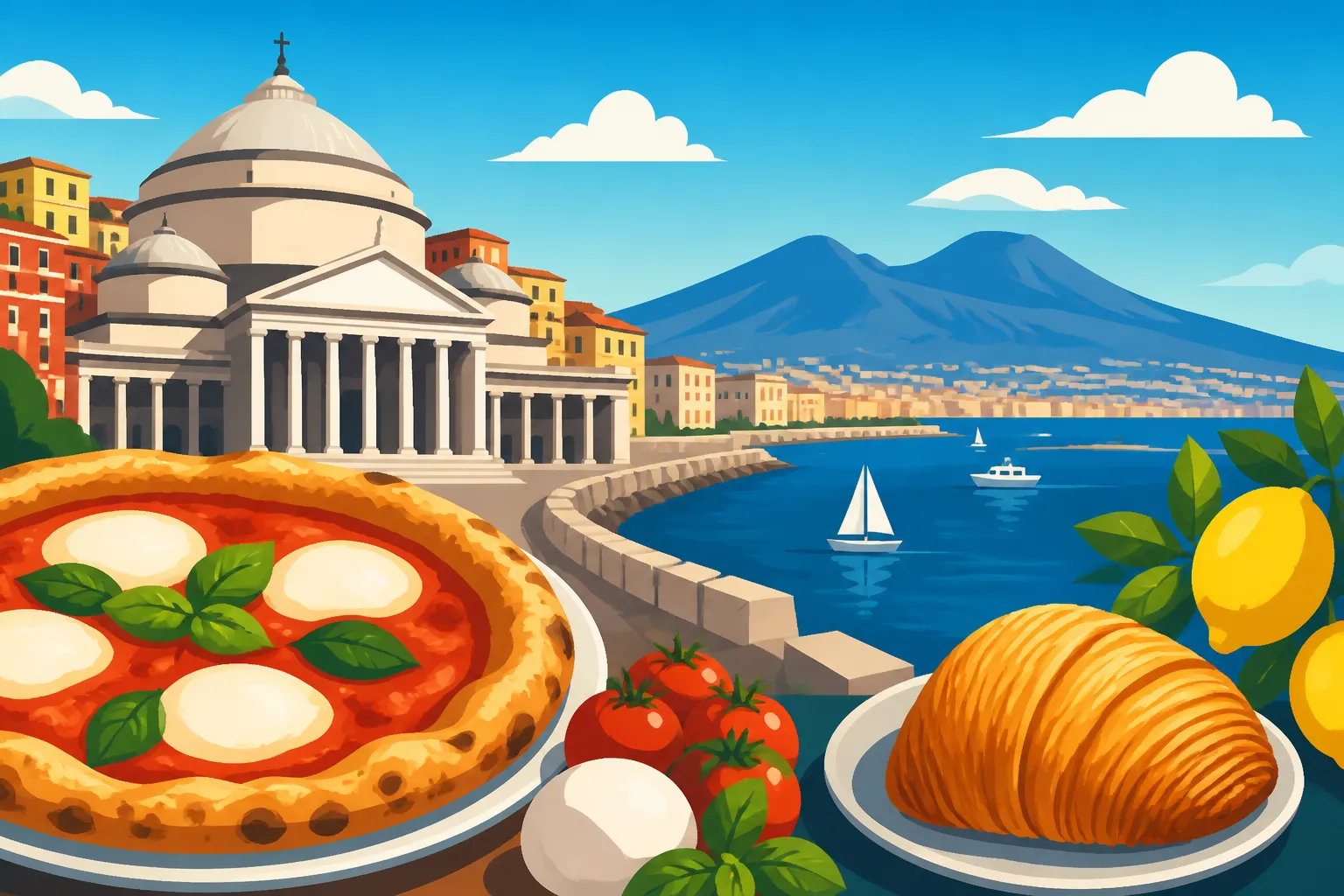
You absolutely cannot talk about Neapolitan food without bowing down to the queen: pizza. This is not just a pizza; this is the pizza. Naples is the undisputed birthplace of modern pizza, and the Neapolitans take this legacy very seriously. Forget everything you thought you knew about pizza, because until you’ve had it here, you haven't truly experienced it. The classic Pizza Margherita, simple yet sublime, with its fresh tomatoes, mozzarella, basil, and olive oil, representing the colors of the Italian flag, was perfected right here.
The rules for authentic Neapolitan pizza are codified and protected by the Associazione Verace Pizza Napoletana (VPN), ensuring that traditional methods are upheld. We're talking specific types of flour, fresh ingredients, hand-kneaded dough, and a wood-fired oven reaching scorching temperatures for only 60-90 seconds. The result? A soft, chewy, slightly charred crust with a delicate, moist center. Eating a Pizza Napoletana fresh from the oven, perhaps at the iconic Da Michele or Sorbillo, is a transformative experience. Seriously, it will ruin all other pizzas for you – in the best possible way. This isn't just food; it's edible history. If you're keen to dive deeper into this topic, you might find our guide on Pizza in Italy: Neapolitan, Roman, and Beyond particularly useful for understanding the regional nuances.
Street Food Galore: A Feast for the Senses
While pizza might wear the crown, Naples' street food scene is the vibrant, bustling heart of its culinary landscape. Wandering the narrow streets of the historic center, you'll be bombarded by enticing aromas and the sight of vendors selling a dizzying array of fried delights. This is where Naples truly comes alive, offering quick, delicious, and incredibly affordable bites that are perfect for fueling your explorations.
Don't leave Naples without trying a cuoppo, a cone-shaped paper full of various fried items like zeppole (savory fried dough), panzerotti (small fried calzones), arancini (fried risotto balls), and frittelle di alghe (fried seaweed fritters – surprisingly delicious!). Another absolute must is pizza fritta, or fried pizza, a glorious, puffed-up version of its baked cousin, often filled with ricotta, provola cheese, and cicoli (pork cracklings). It's greasy, it's indulgent, and it's pure Neapolitan joy. Pair it with an espresso or a local craft beer for the full experience. It’s an essential part of Italian Food Culture: Eating Well as a Visitor, and Naples truly embodies this vibrant, on-the-go culinary spirit.
Seafood, Sweets, and Local Delicacies Beyond Pizza
Beyond the fried goodness, Naples offers a spectrum of flavors. Given its prime location on the bay, fresh seafood is abundant and exquisitely prepared. Head down to the fishing villages like Borgo Marinari or the bustling markets, and you'll find everything from fritto misto di mare (mixed fried seafood) to succulent grilled octopus and pasta dishes brimming with clams and mussels. The simplicity of preparation often allows the freshness of the ingredients to shine through.
And then, there are the sweets. Oh, the sweets! Neapolitans have a serious sweet tooth, and their pastries are legendary. Sfogliatella riccia (a shell-shaped pastry with layers of crisp dough and a creamy ricotta filling) and sfogliatella frolla (a shortcrust version) are iconic. Don't forget babà al rum, a small yeast cake soaked in rum syrup, so tender it practically melts in your mouth. For something truly special, try a pastiera napoletana, a classic ricotta and wheat berry tart, especially around Easter. To truly immerse yourself in the local way of life, understanding How to Eat Like a Local in Italy: Meal Structure and Timing will help you plan your culinary adventures and ensure you're always ready for the next delicious bite.
Exploring the Breathtaking Bay of Naples and Beyond
The city of Naples itself is captivating, but the natural beauty and historical treasures surrounding the Bay of Naples are truly unparalleled. This region offers a staggering array of experiences, from ancient Roman cities preserved under volcanic ash to glamorous islands and a formidable volcano. It’s impossible to visit Naples and not venture out into its magnificent surroundings.
Journey to Ancient Worlds: Pompeii, Herculaneum, and Oplontis
No trip to Naples is complete without a journey back in time to the Roman cities buried by the eruption of Mount Vesuvius in 79 AD. Pompeii is, of course, the most famous, offering an incredibly vivid snapshot of Roman daily life. Walking its ancient streets, past bakeries, bathhouses, and lavish villas, is an utterly moving experience. You can see the ruts in the stone roads from chariots and even the ancient fast-food stalls (thermopolia). It truly makes history come alive in a way no textbook ever could.
Herculaneum, though smaller, is often considered even better preserved due to the different nature of the volcanic material that covered it. Here, you'll find multi-story buildings, intricate wooden structures, and even well-preserved organic materials, offering an even more intimate glimpse into the lives of its inhabitants. Both sites are UNESCO World Heritage sites and easily accessible by the Circumvesuviana train from Naples. For a less crowded but equally fascinating experience, consider Oplontis, home to the magnificent Villa Poppaea, believed to be owned by Emperor Nero's second wife, Poppaea Sabina. This villa boasts stunning frescoes and intricate architecture, showcasing the opulent lifestyle of the Roman elite. You can easily arrange day trips to these archaeological marvels through services like GetYourGuide, which offer guided tours that bring the history to life. For detailed planning on such excursions, checking out how to plan How to Visit Pompeii From Naples or Rome in a Day can provide excellent logistical tips.
Island Paradises: Capri, Ischia, and Procida
The shimmering waters of the Bay of Naples are dotted with three exquisite islands, each with its own distinct charm. Capri is the most famous, synonymous with glamour, designer boutiques, and its iconic Faraglioni rock formations. Its Grotta Azzurra (Blue Grotto) is a natural sea cave where sunlight creates an ethereal blue glow, a truly magical sight. While it can be expensive and crowded, a day trip to Capri is an absolute must for its sheer beauty.
Ischia, the largest of the three, is a volcanic island renowned for its thermal spas, lush gardens, and more relaxed atmosphere. It's a fantastic choice if you're looking to unwind, soak in natural hot springs, and enjoy beautiful beaches without the intense crowds of Capri. Don’t miss the Aragonese Castle, a stunning medieval fortress perched on a rocky islet connected to the main island by a causeway. Then there's Procida, the smallest and arguably the most authentic of the trio, with its pastel-colored houses stacked along the harbor of Corricella. It’s less touristy, wonderfully picturesque, and offers a genuine taste of island life. Ferries to all three islands depart regularly from Naples' Beverello and Porta di Massa ports. For travel within Italy, including ferry tickets or train connections, platforms like Omio can be incredibly helpful for planning and booking your journey seamlessly.
The Majestic Vesuvius and Coastal Charms
Dominating the skyline of Naples is the brooding presence of Mount Vesuvius, the volcano responsible for burying Pompeii and Herculaneum. You can hike to the crater of Vesuvius for breathtaking panoramic views of the entire Bay of Naples, from the city itself to the islands and the Sorrentine Peninsula. It’s a moderately challenging hike, but the views are an incredible reward, serving as a powerful reminder of nature's destructive and creative forces.
Beyond Vesuvius, the coastal areas around Naples offer endless beauty. The famous Amalfi Coast, though technically a bit further south, is often visited as a day trip from Naples, offering dramatic cliffs, colorful towns like Positano and Amalfi, and stunning vistas. While Naples offers its own unique coastal charm, if you are drawn to the dramatic landscapes and picturesque towns along the coast, our guide on The Amalfi Coast and Cinque Terre: Choosing Your Coast might help you decide which coastal adventure best suits your travel style. These breathtaking surroundings truly extend the Neapolitan experience far beyond the city limits.
Navigating the Vibrant Chaos: Transport and Practicalities
Stepping into Naples can feel like entering a vibrant, high-energy theater where everyone has a role. The sheer volume of traffic, the constant buzz of conversation, and the lively street scenes can be daunting. But once you get the hang of it, navigating Naples becomes part of its charm.
Mastering Public Transport: Metro, Funiculars, and Buses
Naples' public transport system, while sometimes a bit, shall we say, colorful, is generally quite efficient for getting around the city. The Metro Line 1 is particularly useful, connecting the historic center with areas like Vomero (with its panoramic views) and the main train station (Napoli Centrale). Many of its stations are also renowned for their stunning contemporary art installations, making them mini-attractions in themselves. The Toledo station, for example, is famous for its "sea of light" mosaic.
Beyond the metro, Naples boasts four funicular lines that climb the city's hills, offering practical transport and incredible views. The Central Funicular is great for reaching the upscale Vomero district, home to Castel Sant'Elmo and the Certosa di San Martino. Buses fill in the gaps, although they can be crowded and less predictable. For longer distances, especially to the archaeological sites or other towns, the Circumvesuviana train line (a separate, private railway) is your best bet, though it can also be very busy. You can buy integrated tickets at tabaccherie (tobacco shops) or metro stations. For planning travel within Italy, remember our guide on Getting Around Italy: Trains, Buses, Flights, and Car Hire offers a broader perspective on national transport options that can complement your Neapolitan adventures.
Driving in Naples: A Local's Take on the Rules of the Road
Let me be blunt: driving in Naples is not for the faint of heart. Neapolitan drivers have a reputation for being assertive, to put it mildly. Traffic is often heavy, parking is scarce and expensive, and navigating the narrow, winding streets of the historic center can be a nightmare. Many areas, particularly the historic center, are Restricted Traffic Zones (ZTLs), meaning only residents with permits can enter at certain times. Ignoring these can lead to hefty fines, which often arrive months later by post.
If you plan to visit the surrounding areas, renting a car might be appealing, but I highly recommend picking it up after you’ve explored the city center and returning it before you settle back in. If you do drive, invest in a small car, expect delays, and be prepared for creative parking solutions. Most importantly, familiarize yourself with What Is a ZTL in Italy and How to Avoid Fines before you even think about getting behind the wheel. For day trips, trains or buses are often a much more relaxed and enjoyable alternative, especially if you're using services like Omio to compare routes and prices.
Safety and Scams: Keeping Your Wits About You
Like any major bustling city, Naples has its share of petty crime, particularly pickpocketing and bag snatching, especially in crowded tourist areas like the train station, popular markets, and public transport. This isn't unique to Naples; it's true for Rome, Milan, and Florence too. The key is to be aware, not paranoid. Keep your valuables secure and out of sight, wear a cross-body bag or money belt, and avoid flashing expensive items.
A common "scam" is taxi drivers trying to overcharge tourists, especially from the airport. Always confirm the price beforehand, or better yet, use a pre-booked transfer or the official airport bus. While the city's reputation might precede it, most Neapolitans are incredibly warm, friendly, and generous. Don't let exaggerated stories deter you; just exercise common sense. Our comprehensive guide on Staying Safe in Italy: Common-Sense Tips for Travelers offers valuable advice applicable across the country, ensuring you can enjoy Naples with confidence.
Making Naples Your Home Base: Where to Stay and Essential Experiences
Choosing where to lay your head in Naples can significantly shape your experience of the city. Each neighborhood offers a different vibe, from historic charm to bustling modernity. Once you're settled, the real fun begins: diving into the unique Neapolitan way of life.
Choosing Your Neapolitan Neighborhood
Naples offers a diverse range of neighborhoods, each with its own character. For first-time visitors who want to be in the heart of the action, the Centro Storico (Historic Center) is unrivaled. It's bustling, ancient, and you're within walking distance of many major sights and the best pizzerias. Expect narrow streets, lively atmosphere, and a true immersion in Neapolitan life. However, it can be noisy, and accommodations might be simpler.
If you prefer something a bit more upscale and quieter with stunning views, consider Vomero, perched on a hill. It's connected to the center by funiculars, offering elegant streets, beautiful architecture, and sophisticated shops and restaurants. It's a great choice for families or those seeking a more relaxed pace. For a mix of historical charm and waterfront elegance, Chiaia is a fantastic option. Located along the bay, it boasts beautiful promenades, high-end boutiques, and excellent seafood restaurants. Finally, the area around Napoli Centrale (Garibaldi Square) is convenient for transport but can feel a bit gritty; it's best for short stays or early departures. For a general overview of accommodation types, you might want to look at Accommodation in Italy: Hotels, B&Bs, and Agriturismi to help you decide. Many excellent options can be found and booked through platforms like Booking.com.
| Neighborhood | Vibe | Pros | Cons | Best For |
|---|---|---|---|---|
| Centro Storico | Ancient, chaotic, authentic, energetic | Central, walkable to main sights, best food | Noisy, can feel crowded, some areas less polished | First-timers, foodies, history buffs |
| Vomero | Elegant, panoramic views, relaxed | Quieter, safer, great views, good shopping | Requires funicular/metro to reach center | Families, couples, those seeking tranquility |
| Chiaia | Upscale, waterfront, chic | Beautiful promenade, high-end shops, great dining | More expensive, further from ancient sights | Luxury travelers, romantic getaways |
| Quartieri Spagnoli | Gritty, authentic, vibrant, residential | Immersive local experience, hidden gems, street art | Very steep, narrow alleys, can feel intimidating | Adventurous travelers, culture seekers |
| Sanità | Up-and-coming, historical, local, vibrant | Authentic, catacombs, street art, local markets | Can feel a bit rough around the edges, less touristy | Explorers, budget travelers |
Must-See Sights and Hidden Gems
Beyond the well-trodden paths, Naples holds countless treasures. Of course, you'll visit the iconic sights: the Duomo di San Gennaro with its vial of miraculous blood, the Cappella Sansevero housing the breathtaking Veiled Christ sculpture, and the National Archaeological Museum with its unparalleled collection from Pompeii and Herculaneum. But for a deeper dive, consider these:
- Napoli Sotterranea: Explore the underground city, a fascinating network of tunnels, cisterns, and air-raid shelters that tell a hidden history. It's an incredible adventure and truly shows the layers of Naples.
- Complesso Museale Santa Chiara: This stunning complex features a beautiful Gothic church and a serene majolica-tiled cloister that offers a peaceful escape from the city's hustle.
- Via San Gregorio Armeno: Known as "Christmas Alley," this street is famous for its artisan workshops creating elaborate Nativity scenes (presepi) year-round. Even outside of Christmas, it's a delight to wander.
- The Catacombs of San Gennaro: These ancient underground burial sites offer a fascinating glimpse into early Christian Naples, complete with intricate frescoes and mosaics. Guided tours are highly recommended and can be booked via platforms like GetYourGuide.
Embracing the Neapolitan Spirit: Tips for a Deeper Experience
To truly experience Naples, you need to shed your expectations and simply be. The city operates on its own rhythm, a vibrant, sometimes frantic, but always passionate beat. Don't rush. Take time to sit at a bar for a coffee, observe the street life, and engage with locals. Learn a few basic Italian phrases – even just buongiorno and grazie – and you'll be amazed at how warmly you're received. Neapolitans are proud of their city and often eager to share it with respectful visitors.
Don't be afraid to wander off the main tourist streets; that's where you'll often find the most authentic experiences, the best street food, and the most charming little shops. Embrace the noise, the chaos, and the occasional inconvenience as part of its unique character. Remember that Italian Customs, Etiquette, and Social Life vary across regions, and Naples has its own distinct flair that is loud, direct, and incredibly heartfelt. Tipping isn't usually expected in Italy as it is in some other countries, but for excellent service, a few euros are always appreciated. For more on this, check out our guide on Tipping in Italy: When, Where, and How Much. Naples is a city that demands to be felt as much as it is seen. Let its raw energy wash over you, and you'll leave with an unforgettable piece of its passionate soul.
Disclaimer
Please note that while every effort has been made to provide accurate and up-to-date information, local conditions, regulations, and business operations in Italy can change rapidly. Always cross-reference crucial details such as opening hours, transportation schedules, and safety advisories with official sources before making plans. This guide offers general advice and personal insights, not professional legal or financial counsel.