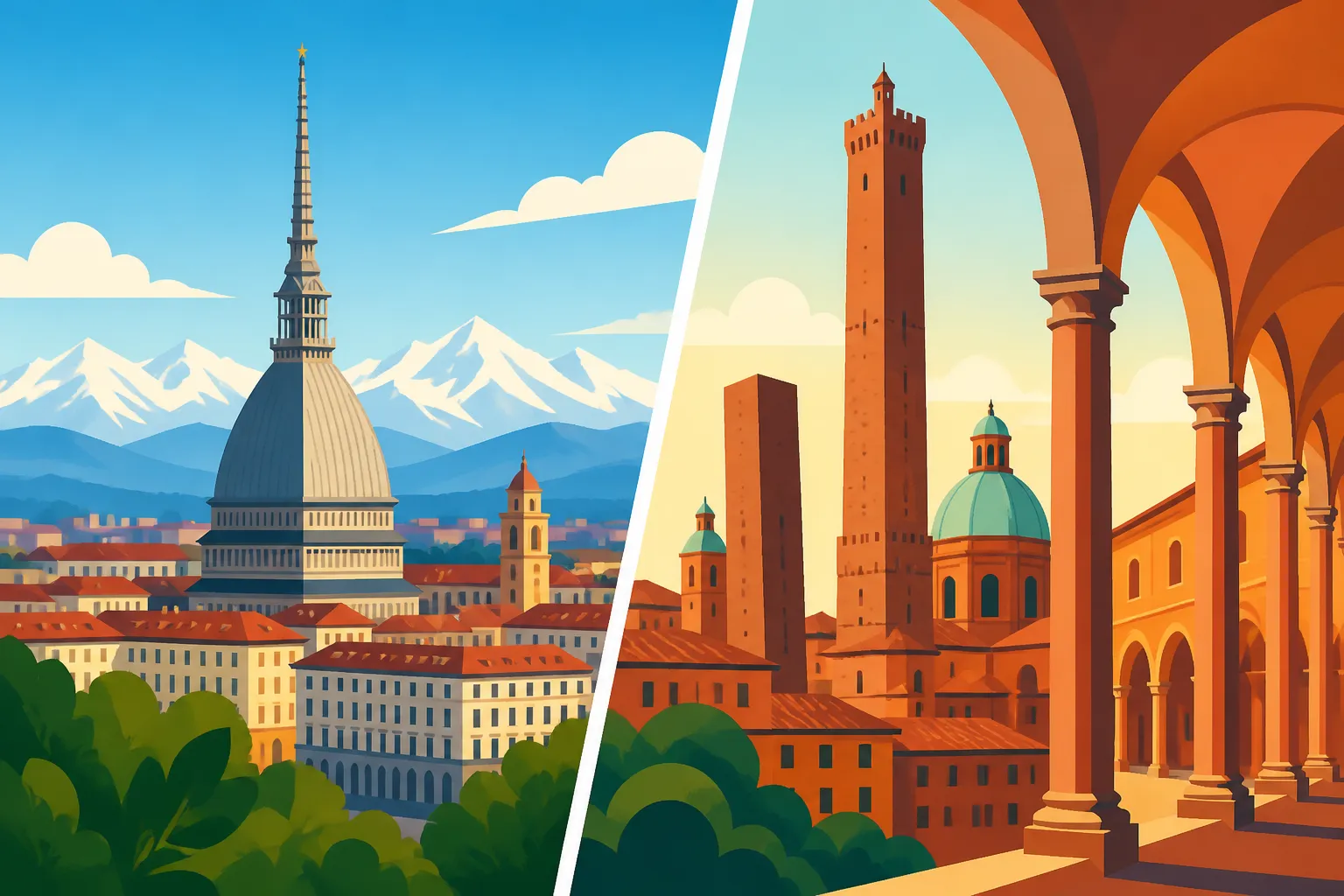
Turin and Bologna: Two Underrated Italian Cities
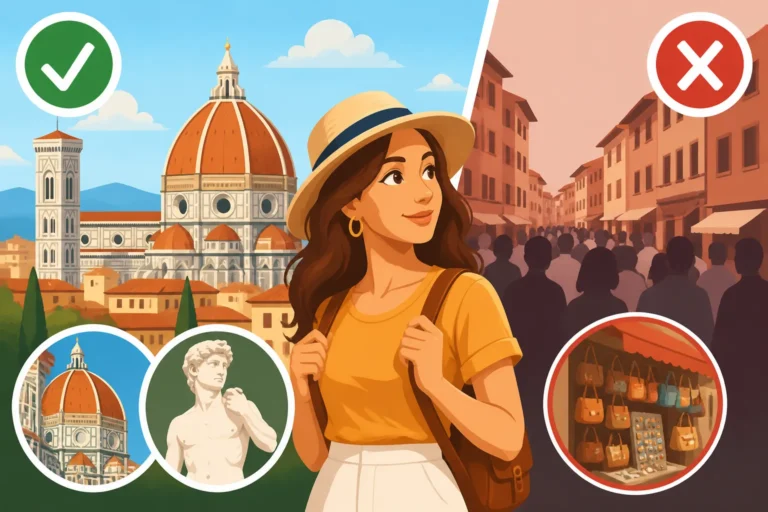
Many travelers to Italy fall into the trap of only visiting the "Big Three" – Rome, Florence, and Venice – and while those cities are undeniably magnificent, they often come with overwhelming crowds and a sometimes-less-than-authentic experience. This guide is for those who yearn for something different, for the savvy explorer looking to uncover the genuine charm, rich history, and incredible gastronomy of Italy’s often-overlooked urban gems: Turin and Bologna. You're about to discover why these two cities should be at the very top of your Italian itinerary.
Disclosure: This post may contain affiliate links. We may earn a commission at no extra cost to you if you make a purchase through these links. Read full disclosure.
Why Turin and Bologna Deserve Your Attention
It’s easy to get swept up in the romanticized images of Italy's most famous destinations, but trust me, after years of living here, I can tell you that some of the most profound and enjoyable experiences happen off the well-trodden path. Turin and Bologna are prime examples of cities that offer immense value, often without the hordes of tourists, allowing for a deeper connection with Italian life.
Escaping the Crowds of the "Big Three"
Imagine strolling through a magnificent piazza, feeling the weight of centuries of history beneath your feet, and being able to actually see the architecture without jostling for space with thousands of other tourists. This isn't a pipe dream; it's the reality in Turin and Bologna. While Rome's Colosseum and Florence's Uffizi Gallery are architectural and artistic marvels, the sheer volume of visitors can detract from the experience, making queues long and moments of quiet contemplation rare.
These two northern cities, on the other hand, provide a refreshing respite. You'll find yourself able to linger longer in museums, grab an aperitivo at a local bar without fighting for a table, and navigate public transport with ease. This isn't to say they're empty – far from it – but the rhythm is distinctly more local, more relaxed, and infinitely more enjoyable for someone seeking genuine immersion. It’s about quality over sheer quantity of checklist items, allowing you to absorb the atmosphere rather than just rushing through photo opportunities.
Authentic Italian Experiences Await
What does "authentic" mean in Italy? It means food prepared with generations of love, conversations with locals who aren't constantly catering to tourists, and a sense of daily life unfolding around you rather than a curated show. In Turin and Bologna, you'll encounter a vibrant local culture that has largely retained its character. The restaurants serve dishes born from regional traditions, the shops cater to everyday needs, and the evening stroll (the passeggiata) is a time-honored ritual where families and friends genuinely connect.
You'll find specialty shops dedicated to a single product – a pastificio making fresh pasta, a cioccolateria crafting exquisite chocolates, or a salumeria slicing cured meats with expert precision. This isn't just about food, though that's a huge part of it! It's about seeing daily routines, participating in local markets, and experiencing Italian life without the gloss of mass tourism. From the local markets to the buzzing university districts, both cities pulse with a real, tangible energy that many of the more famous destinations sometimes lose under the weight of their own popularity.
Turin: The Elegant Northern Jewel
Nestled in the Piedmont region, Turin (Torino in Italian) often surprises visitors with its understated elegance and regal grandeur. Once the first capital of unified Italy and the seat of the House of Savoy, it carries a sophisticated air, distinct from the Roman chaos or Florentine Renaissance charm.
Royal History and Grand Architecture
Turin’s architecture tells a story of royalty, power, and refined taste. Wide boulevards, stately palaces, and grand arcades define its urban landscape, a testament to its past as a royal capital. The Palazzo Reale, the former residence of the Savoy kings, offers a glimpse into lavish royal life, complete with ornate staterooms, an impressive armory, and expansive gardens. Nearby, the Palazzo Madama, a UNESCO World Heritage site, showcases centuries of history, from Roman gate to medieval fortress to Baroque residence.
Wandering through Turin, you'll find yourself under kilometers of elegant arcades, a blessing on both sunny and rainy days. These arcades house historical cafes, boutiques, and bookshops, inviting you to linger and soak in the ambiance. Don't miss the Mole Antonelliana, a truly iconic symbol of the city. Originally conceived as a synagogue, it now houses the fascinating National Cinema Museum and offers breathtaking panoramic views of the city and the surrounding Alps from its panoramic lift. It’s a truly unique architectural marvel that dominates the city skyline and reminds you that Turin is anything but ordinary.
Culinary Delights Beyond Pizza and Pasta
If you think Italian cuisine is just pizza and pasta, Turin is here to lovingly prove you wrong. Piedmont is a region celebrated for its rich, hearty, and incredibly diverse culinary traditions, heavily influenced by its proximity to France. This is the birthplace of Italy's slow food movement, a true haven for gourmands.
First and foremost, Turin is synonymous with chocolate. Forget Swiss chocolate; Turin has a deep, proud tradition. The city is famous for gianduiotto, a smooth, hazelnut-chocolate praline, and bicerin, a decadent layering of espresso, chocolate, and cream served in a small glass. You’ll find exquisite cioccolaterie on almost every corner, each with its own specialties. Then there's the aperitivo tradition, which many say originated here. Picture yourself in a historic cafe, sipping a Vermouth (another Turinese invention!) or a local wine, accompanied by a lavish spread of complimentary appetizers. It’s not just a drink; it's a social ritual and a light meal in itself. For specific advice on enjoying this ritual, you might want to read more about the Italian Wine, Coffee, and Aperitivo Culture.
Beyond the sweets and drinks, Turin offers incredible savory dishes. Think agnolotti del plin (small pinched pasta pockets), rich tajarin egg pasta, slow-cooked meat dishes like brasato al Barolo, and of course, the prized white truffles of Alba (in season). The local markets, such as Porta Palazzo, Europe's largest outdoor market, are a feast for the senses, offering fresh produce, cheeses, cured meats, and regional specialties. Embracing Turin's food scene means expanding your understanding of what Italian food truly can be.
Arts, Culture, and Innovation
Turin is a city of culture and innovation. Beyond its royal palaces, it boasts an impressive array of museums. The Museo Egizio, the Egyptian Museum, is one of the oldest and most significant in the world, second only to Cairo, offering an astonishing collection of artifacts. As mentioned, the National Cinema Museum inside the Mole Antonelliana is a must-see, celebrating the art and history of film with interactive exhibits.
For car enthusiasts, Turin is the home of FIAT and a significant hub for the Italian automotive industry, with the Museo Nazionale dell'Automobile showcasing a remarkable collection of vintage and modern vehicles. The city is also a vibrant center for contemporary art, with numerous galleries and annual art fairs. Its university, one of the oldest in Europe, contributes to a lively, intellectual atmosphere, bringing a youthful energy to its historic streets. The cultural scene here is dynamic and diverse, appealing to a wide range of interests, often without the exhaustive queues you might encounter elsewhere.
Practicalities for Visitors
Getting to Turin is quite straightforward. It’s well-connected by high-speed trains. You can easily travel here from Milan, Florence, or Rome. For more on train travel, consider exploring High-Speed Trains in Italy: Trenitalia, Italo, Routes, and Savings. Once you arrive, Turin’s city center is very walkable, especially thanks to those extensive arcades. However, for longer distances or when your feet need a rest, the public transportation system – comprising buses, trams, and a metro line – is efficient and easy to navigate. A good way to plan your in-city journeys is to check out our guide on Getting Around Italian Cities: Metro, Tram, and Buses.
Finding accommodation is generally easier and often more affordable than in Italy's more famous tourist hubs. You’ll find everything from charming boutique hotels to elegant B&Bs and modern apartments. Booking.com offers a wide selection, making it simple to find a place that suits your style and budget. Whether you prefer to stay near the main piazzas or in a quieter, residential neighborhood, Turin provides ample choice.
Bologna: The Heart of Italian Food and Learning
Moving southeast into Emilia-Romagna, we arrive in Bologna, often hailed as Italy's gastronomic capital. Known as La Grassa (the Fat One) for its rich food, La Dotta (the Learned One) for its ancient university, and La Rossa (the Red One) for its distinctive terracotta rooftops and historical political leanings, Bologna is a city of many nicknames, each hinting at its captivating character.
A Gastronomic Paradise ("La Grassa")
Bologna’s reputation as a food mecca is no exaggeration; it’s a city where culinary excellence is deeply ingrained in the local identity. This is the birthplace of ragù alla bolognese (the true meat sauce, not the tomato-heavy version often found abroad), tortellini, tagliatelle, and mortadella. Eating here isn't just a necessity; it's a passion, a lifestyle. The historical markets, such as the Quadrilatero, are a sensory overload of fresh pasta shops, artisan butchers, cheese vendors, and bakeries. It’s here you’ll truly grasp the essence of Italian Food Culture: Eating Well as a Visitor.
A typical Bolognese meal is a journey of flavors. Start with a plate of local cured meats like prosciutto di Parma and mortadella, followed by fresh pasta – perhaps tortellini in brodo (in broth) or tagliatelle al ragù. Don't forget the local cheeses like Parmigiano Reggiano. For dessert, a simple torta di riso or zuppa inglese might tempt you. Even a casual stroll through the city center will lead you past sfogline (women making fresh pasta by hand) in shop windows, a testament to the city's unwavering commitment to its culinary heritage. This isn't just about Michelin stars; it’s about honest, delicious food made with passion and tradition. This city truly offers a masterclass in How to Eat Like a Local in Italy: Meal Structure and Timing.
Europe's Oldest University City ("La Dotta")
Bologna is home to the University of Bologna, founded in 1088, making it the oldest continuously operating university in the Western world. This ancient institution imbues the city with a vibrant, youthful energy, balancing its deep historical roots with a lively, contemporary student culture. The university buildings themselves are often historical gems, like the Archiginnasio, the former seat of the university, now housing a stunning anatomical theater and a beautiful library.
The student presence means there’s a constant buzz in the city, particularly around the Piazza Verdi area. This translates into affordable eateries, lively bars, and a dynamic cultural scene with concerts, exhibitions, and late-night gatherings. It’s a city where intellectual curiosity has thrived for centuries, and that spirit is still palpable in its many bookshops, debate circles, and diverse academic offerings. For young travelers or those who appreciate a stimulating urban environment, Bologna's learned atmosphere is a huge draw.
Porticoes, Piazzas, and Hidden Gems
Bologna is perhaps best known for its extensive porticoes, which stretch for nearly 40 kilometers throughout the city. These medieval and Renaissance covered walkways are a UNESCO World Heritage site and provide shelter from both sun and rain, making the city a delight to explore on foot in any weather. They invite you to wander, explore, and discover hidden courtyards and tucked-away cafes.
The heart of the city beats in Piazza Maggiore and Piazza del Nettuno, grand squares dominated by impressive structures like the Basilica di San Petronio, one of the largest churches in the world, and the iconic Fountain of Neptune. Don't miss the Two Towers (Due Torri), Bologna's leaning medieval skyscrapers – climb the Asinelli Tower for incredible views over the terracotta rooftops. Beyond these famous landmarks, Bologna is full of unexpected treasures: quiet canals reminiscent of Venice, ancient churches with priceless artworks, and secret gardens. The city's charm lies in its layers, constantly revealing something new around every porticoed corner.
Practicalities for Visitors
Bologna is an excellent transportation hub, sitting at the crossroads of Italy’s major train lines. It’s incredibly easy to reach from virtually anywhere in Italy by high-speed rail. In fact, it's a popular choice for those looking to do Day Trips From Florence Without a Car or even Milan. Its central train station, Bologna Centrale, is one of the busiest in the country. Omio is a handy platform for comparing and booking train and bus tickets, making your travel planning seamless.
Once in Bologna, you'll find it an eminently walkable city. The porticoes make getting around comfortable, even on hot or rainy days. For destinations further afield, the city's bus network is comprehensive. Like Turin, you’ll find that public transport is generally user-friendly for visitors. Finding a place to stay is also quite simple, with a wide range of hotels, guesthouses, and apartments available, often offering good value compared to other Italian hotspots. Whether you prefer a spot near the bustling university district or a quieter historical corner, Booking.com provides numerous options to match your preference.
Turin vs. Bologna: A Comparative Glance
While both Turin and Bologna offer a refreshing alternative to Italy’s more common tourist destinations, they each possess a unique character and appeal to different tastes. Understanding their nuances can help you decide which city better suits your travel style.
| Feature | Turin | Bologna |
|---|---|---|
| Vibe/Atmosphere | Elegant, regal, sophisticated, French-influenced | Lively, intellectual, gastronomic, medieval |
| Main Draw | Royal history, chocolate, aperitivo, cinema, Alps | Food, oldest university, porticoes, central hub |
| Architecture | Baroque palaces, wide boulevards, arcades | Medieval towers, extensive porticoes, terracotta buildings |
| Culinary Focus | Rich, hearty Piedmontese (chocolate, truffles, slow food, Vermouth) | Emilia-Romagna (ragù, tortellini, mortadella, Parmigiano) |
| Major Landmarks | Mole Antonelliana, Palazzo Reale, Egyptian Museum | Piazza Maggiore, Two Towers, Quadrilatero |
| Surrounding Area | Alps, Lakes (e.g., Lago Maggiore), Wine Regions (Langhe) | Emilia-Romagna countryside, small towns |
| Best For | Culture vultures, foodies (sweet & savory), history buffs | Gastronomes, students, history explorers, lively atmosphere |
Vibe and Atmosphere
Turin feels distinctly more formal and aristocratic. Its wide, straight streets, grand buildings, and numerous arcades give it a Parisian elegance. There's a certain quiet sophistication to Turin that invites leisurely exploration and appreciation for its rich history as a royal capital. The pace feels a bit slower, more refined. You'll find people dressed a bit more smartly, and the coffee shops feel like grand salons.
Bologna, by contrast, has a more boisterous and energetic feel. The ancient university ensures a constant buzz of young people, and its labyrinthine porticoed streets have a more medieval, lived-in charm. It's a city that feels wonderfully alive, a place where food, debate, and social gatherings are at the heart of daily life. The atmosphere is vibrant, sometimes a little gritty, but always welcoming and full of genuine Italian warmth. It has a palpable sense of community that draws you in.
Culinary Scene Comparison
Both cities are gastronomic powerhouses, but their specialties and styles differ significantly. Turin, from the Piedmont region, boasts a cuisine often described as "mountain and plain" – rich, robust, and influenced by French techniques. Think abundant use of butter, truffles, game, and creamy sauces. It's also the capital of chocolate, a pioneer of the aperitivo, and the birthplace of vermouth. Expect sophisticated, often heavier dishes, and a strong emphasis on wines like Barolo and Barbaresco.
Bologna, as the capital of Emilia-Romagna, is famous for its cucina emiliana, renowned for fresh egg pasta, cured meats, and rich dairy products. It's the land of ragù, tortellini, lasagne, and mortadella. The food here is comforting, deeply flavorful, and often celebrated for its simplicity and quality ingredients. You'll find less emphasis on elaborate sauces and more on the pure taste of local produce. If you're passionate about pasta and cured meats, Bologna is your paradise.
Cultural and Historical Focus
Turin’s historical narrative is strongly tied to the House of Savoy and the unification of Italy. Its cultural attractions largely revolve around its royal palaces, the world-class Egyptian Museum, and its automotive and cinematic heritage. It's a city that allows you to delve into a specific, powerful period of Italian history and appreciate its artistic and industrial contributions.
Bologna's history stretches back further, to its Etruscan and Roman roots, but it truly blossomed as a medieval commune and a center of learning with its university. Its historical architecture is distinctly medieval and Renaissance, and its cultural life is deeply intertwined with its academic legacy and artistic traditions. Exploring Bologna is like peeling back layers of history, from its ancient porticoes to its vibrant intellectual present.
Best for Different Traveler Types
If you appreciate refined elegance, grand history, incredible chocolate, and a more understated yet sophisticated atmosphere, Turin might be your perfect match. It's ideal for those who enjoy museums, slower travel, and indulging in a different side of Italian cuisine, perhaps paired with the stunning backdrop of the Alps. For context on Turin's region, you might like to explore Northern Italy: Alps, Lakes, and Cities.
If you're a passionate foodie, thrive in a lively, intellectual environment, love wandering through unique urban landscapes (those porticoes!), and prefer a more communal, bustling atmosphere, then Bologna will capture your heart. It’s perfect for travelers who want to immerse themselves in authentic local life and indulge in some of the best savory food Italy has to offer.
Making the Most of Your Visit: Practical Tips
Planning a trip to these fantastic cities is part of the fun! Here are some practical tips to ensure your visit is smooth and enjoyable.
Getting There and Around
Italy's efficient train network is hands-down the best way to travel between cities, and both Turin and Bologna are major railway hubs. High-speed trains connect them easily to Milan, Rome, and Florence. You can book tickets directly through Trenitalia or Italo, or use a platform like Omio which allows you to compare prices and schedules across different operators. This is especially useful if you're planning an itinerary that includes multiple cities. Trust me, navigating Italian train stations is far less stressful than dealing with airport queues or city traffic.
Once you’re in either city, walking is your primary mode of transport. Both city centers are very pedestrian-friendly, and in Bologna, the extensive porticoes mean you can cover significant distances without ever being exposed to the elements. For longer journeys, both cities have excellent public bus networks. Turin also has a metro line, which is super convenient. Taxis are available, but generally, public transport or your own two feet will suffice. If you're considering renting a car for day trips outside the cities, be mindful of ZTLs (Limited Traffic Zones) in city centers, which can result in hefty fines. Our guide on Renting a Car in Italy: ZTLs, Insurance, and Driving Tips offers crucial advice.
Where to Stay
Choosing the right accommodation can really enhance your experience. Both Turin and Bologna offer a variety of options, from charming boutique hotels housed in historic buildings to modern apartments, and more budget-friendly guesthouses. For a wide selection and easy comparison, Booking.com is an excellent resource. You can filter by neighborhood, price, and amenities, and read reviews from other travelers.
In Turin, staying near the main piazzas like Piazza Castello or Piazza San Carlo puts you right in the heart of the elegant historic center, close to major attractions and beautiful arcades. For Bologna, consider staying within the main historical area near Piazza Maggiore or in the vibrant university district if you like a more youthful, energetic vibe. Keep in mind that generally, accommodation in these cities tends to be more reasonably priced than in Florence or Venice, offering better value for your euro. For a deeper dive into types of places to stay, check out Accommodation in Italy: Hotels, B&Bs, and Agriturismi.
Guided Tours and Activities
While both cities are wonderful to explore independently, sometimes a guided tour can unlock deeper insights and take you to places you might otherwise miss. Especially for foodies, a local food tour in Bologna is practically a rite of passage. Imagine exploring the Quadrilatero with an expert, tasting fresh pasta and regional specialties. Similarly, in Turin, a chocolate or aperitivo tour can provide a wonderful introduction to its unique culinary traditions.
Platforms like GetYourGuide offer a wide array of tours and activities, from historical walking tours to cooking classes and day trips to nearby wine regions. These can be particularly valuable if you have limited time or want to delve into a specific interest, like art history or local gastronomy. Having a local guide can also help bridge any language gaps and provide cultural context, enriching your overall experience. Don't be afraid to try some basic phrases though; a little effort goes a long way, as detailed in our guide on Italian Language and Everyday Communication for Visitors.
Final Thoughts on These Northern Gems
Turin and Bologna are so much more than just alternatives to Italy's more famous cities; they are vibrant, distinct destinations that offer rich experiences in their own right. They provide a deeper, more authentic immersion into Italian life, food, and culture, free from the overwhelming tourist throngs. From Turin's regal elegance and chocolate-infused delights to Bologna's gastronomic prowess and intellectual vigor, these cities promise unforgettable memories and a fresh perspective on the beautiful country of Italy. Do yourself a favor and venture beyond the usual; you won't regret discovering these truly underrated Italian gems.
Disclaimer
The information provided in this guide is intended for general informational purposes only and may not constitute the most up-to-date legal, financial, or travel advice. While we strive to keep the content current and accurate, regulations, prices, and availability can change rapidly. Always consult official sources, local authorities, and professional advisors for specific, personalized advice before making any travel or relocation decisions.