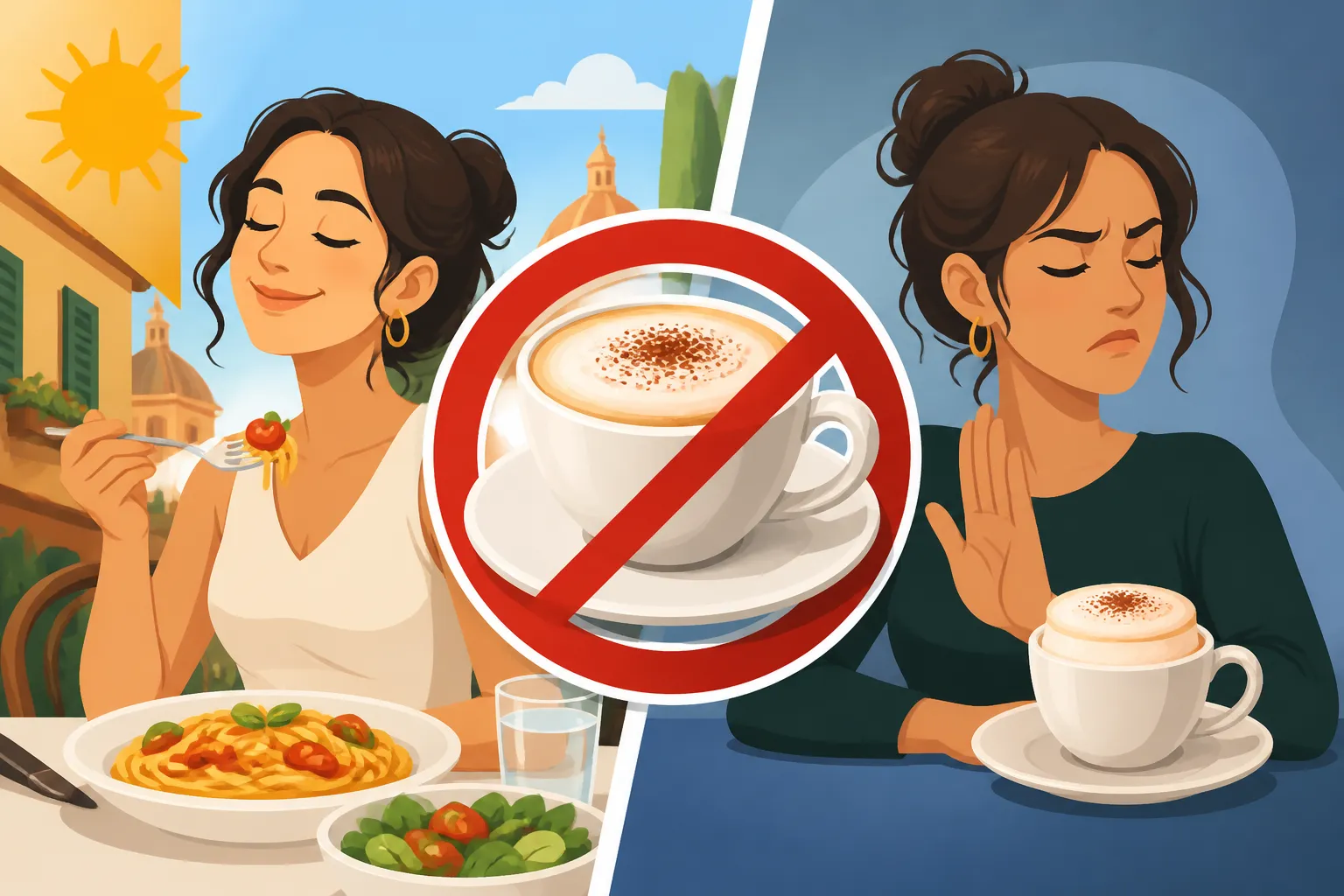
Why You Shouldn’t Order a Cappuccino After Lunch in Italy
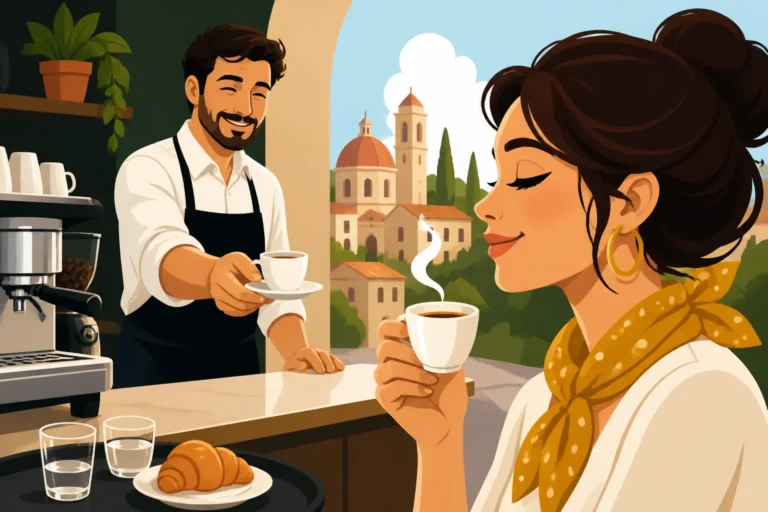
You walk into a sun-drenched piazza at 2:30 PM, still full from a glorious plate of carbonara, and confidently ask the barista for a large cappuccino. Suddenly, the room goes silent. The barista gives you a look that is part pity, part horror, and you realize you have committed a major social faux pas. This guide explains the deep-seated cultural and biological reasons behind Italy's strict coffee timing and teaches you how to drink like a local without the judgmental side-eye.
Disclosure: This post may contain affiliate links. We may earn a commission at no extra cost to you if you make a purchase through these links. Read full disclosure.
The Biological Obsession with Digestione
To understand why a cappuccino after 11:00 AM is considered a crime in Italy, you first have to understand the Italian obsession with la digestione. In Italy, digestion isn't just a bodily function; it is a national pastime and a source of constant medical concern. Italians believe that the state of your stomach dictates your entire well-being, and they are raised with a strict set of rules to ensure the process remains unhindered.
Milk is viewed as a heavy, meal-like substance. When you have just finished a lunch of pasta, meat, or vegetables, your stomach is already working overtime. Adding a large cup of steamed, frothy milk to that mix is seen as a recipe for disaster. The general consensus is that the hot milk will curdle or sit like a brick in your stomach, leading to a "blockage" of digestion that could ruin your entire afternoon. This is a core tenet of Italian Food Culture: Eating Well as a Visitor that every traveler should respect if they want to blend in.
Furthermore, the idea of "heaviness" or pesantezza is something Italians avoid at all costs during the mid-day break. A cappuccino is seen as a breakfast food—a meal in itself, often paired with a cornetto. Drinking it after a meal is, to an Italian, the equivalent of eating a bowl of cereal immediately after a steak dinner. It just doesn't make logical sense in the rhythm of their daily life. If you are planning your trip and looking for stays near the best traditional cafes, checking options on Booking.com can help you find neighborhoods where the local "bar" culture is most vibrant.
Decoding the Italian Coffee Menu and Timing
If you can’t have a cappuccino, what should you be ordering? The Italian coffee menu is a sophisticated language of its own, and the time of day dictates which "dialect" you should use. Most foreigners are surprised to find that "caffè" simply means a single shot of espresso. If you want what we consider a standard cup of coffee, you have to be much more specific.
In the morning, before the clock strikes eleven, the world is your oyster. You can indulge in a cappuccino, a caffè latte, or a latte macchiato. These are the milk-heavy drinks designed to kickstart your brain and coat your stomach for the day ahead. However, once lunch service begins, typically around 12:30 or 1:00 PM, the milk disappears from the counter. Knowing What Time Do Italians Eat Lunch and Dinner? is crucial here, as coffee acts as the definitive punctuation mark at the end of these meals.
In the afternoon, the goal shifts from "sustenance" to "acceleration." You want a quick hit of caffeine to get you through the afternoon slump without adding bulk to your stomach. This is when you switch to the espresso. If you find a standard espresso too bitter or strong, you might opt for a caffè macchiato—an espresso "marked" with just a tiny dollop of foam. This is generally accepted even after lunch because the amount of milk is negligible. For those who want to dive deeper into these nuances, booking a local tasting experience through GetYourGuide is a fantastic way to learn the ropes from a professional sommelier or barista.
| Coffee Type | Best Time to Order | Cultural Context |
|---|---|---|
| Cappuccino | 7:00 AM – 10:30 AM | A breakfast staple; never ordered after a meal. |
| Caffè (Espresso) | Anytime | The standard "pick-me-up"; mandatory after lunch and dinner. |
| Caffè Macchiato | Late Morning / Afternoon | An espresso "stained" with a drop of milk; the only acceptable post-lunch milk. |
| Caffè Lungo | Morning / Afternoon | An espresso with more water; not to be confused with an Americano. |
| Caffè Corretto | After Dinner | An espresso "corrected" with a shot of grappa or sambuca. |
| Shakerato | Summer Afternoons | Espresso shaken with ice and sugar until frothy. |
The Art of the Italian Bar Ritual
The physical act of drinking coffee in Italy is just as important as the drink itself. In most of the world, coffee is a "to-go" experience or a long, seated affair with a laptop. In Italy, the "bar" is a social hub where transactions happen in seconds. When you arrive in a new city—perhaps after booking your train tickets through Omio to ensure a smooth transition between regions—the first thing you should do is find the local bar.
The most common way to consume coffee is standing at the counter (al banco). This is cheaper and more social. You’ll notice locals tossing back an espresso in two sips, chatting with the barista for thirty seconds about the local football scores, and then leaving. There is a specific etiquette involved: often, you must go to the cash register first, pay for your drink, and then take the paper receipt (scontrino) to the barista. This prevents a backlog at the machine and is a vital part of understanding How to Order Coffee in Italy Like a Local without causing a bottleneck of frustrated Italians behind you.
If you choose to sit down (al tavolo), be prepared for the price to double or even triple. You are paying for the "service" and the real estate of the chair. While this is a lovely way to people-watch in a piazza, it is not how Italians do their daily caffeine runs. If you are trying to save money for more museum tours or better dinners, always head for the counter. This distinction is one of the many Italian Social Customs: Greetings, Gestures, and Personal Space that governs how public spaces are used.
Regional Variations and Modern Exceptions
While the "no cappuccino after lunch" rule is a national standard, Italy is a land of intense regionalism. In the north, especially in cities like Trieste or Turin, the coffee culture has an Austro-Hungarian influence. You might find more elaborate coffee drinks involving chocolate or cream, such as the Bicerin in Turin. These are often treated as afternoon treats rather than post-meal digestifs.
In the south, particularly in Naples, coffee is a religion. Neapolitans take pride in a shorter, darker, and more intense shot. They often serve it with a small glass of sparkling water on the side. The rule here is to drink the water before the coffee to cleanse your palate, ensuring you taste the full complexity of the bean. If you are traveling across the country using Omio to compare travel times, you will notice the flavor profiles and even the terminology shifting slightly as you cross regional borders.
It is also worth noting that in heavy tourist areas like central Rome, Florence, or Venice, baristas have become somewhat desensitized to the "cappuccino after lunch" request. They will serve it to you because they want your money, but they will know instantly that you are a tourist. If your goal is to experience "the real Italy," adhering to the local timing is the easiest way to earn respect. You might even find that following the local advice helps you avoid the bloating and sluggishness that often comes with a heavy vacation diet. Using tools like GetYourGuide to find food tours in less-touristy neighborhoods like Testaccio in Rome or Oltrarno in Florence can help you see how locals actually live and eat away from the "cappuccino for lunch" crowds.
Practical Tips for Your Coffee Journey
When you are out exploring, you will inevitably see signs for "Caffè Americano." Beware: this is often just an espresso with a pot of hot water on the side. If you really miss your large filter coffee, this is your best bet, but don't expect it to taste like what you have at home. Instead, try to embrace the local style. If you need a longer drink in the heat of summer, look for a caffè freddo or the aforementioned shakerato.
Another tip for the budget-conscious traveler: always check if there is a "service charge" mentioned on the menu before sitting down. Many tourists feel cheated when a 1.20 Euro espresso becomes a 5.00 Euro experience just by sitting five feet away from the counter. To find the best spots that haven't been inflated by "tourist taxes," it's helpful to read guides on How to Find Authentic Restaurants in Italy (Not Tourist Traps) before you head out for the day.
Finally, remember that the "bar" in Italy is not just for coffee. It’s where you get your morning pastry, your mid-day panino, and your evening aperitivo. It is the heartbeat of the community. By learning the unwritten rules of the cappuccino, you aren't just avoiding a faux pas; you are participating in a centuries-old social fabric. Whether you are staying in a high-end hotel found on Booking.com or a small local guesthouse, the morning walk to the bar will likely be the most "Italian" part of your day.
Disclaimer
The information provided in this guide is intended for cultural educational purposes and reflects general social norms and traditions in Italy. While these "rules" are widely observed, individual experiences may vary based on specific locations, establishments, and regional differences. This guide does not constitute medical advice regarding digestion or nutrition. Always consult with a healthcare professional regarding dietary restrictions or health concerns. Information regarding third-party services like Omio, Booking.com, and GetYourGuide is provided for convenience and does not imply a legal endorsement. Please verify all travel requirements and local regulations before your trip.