How to Buy Leather Goods in Florence
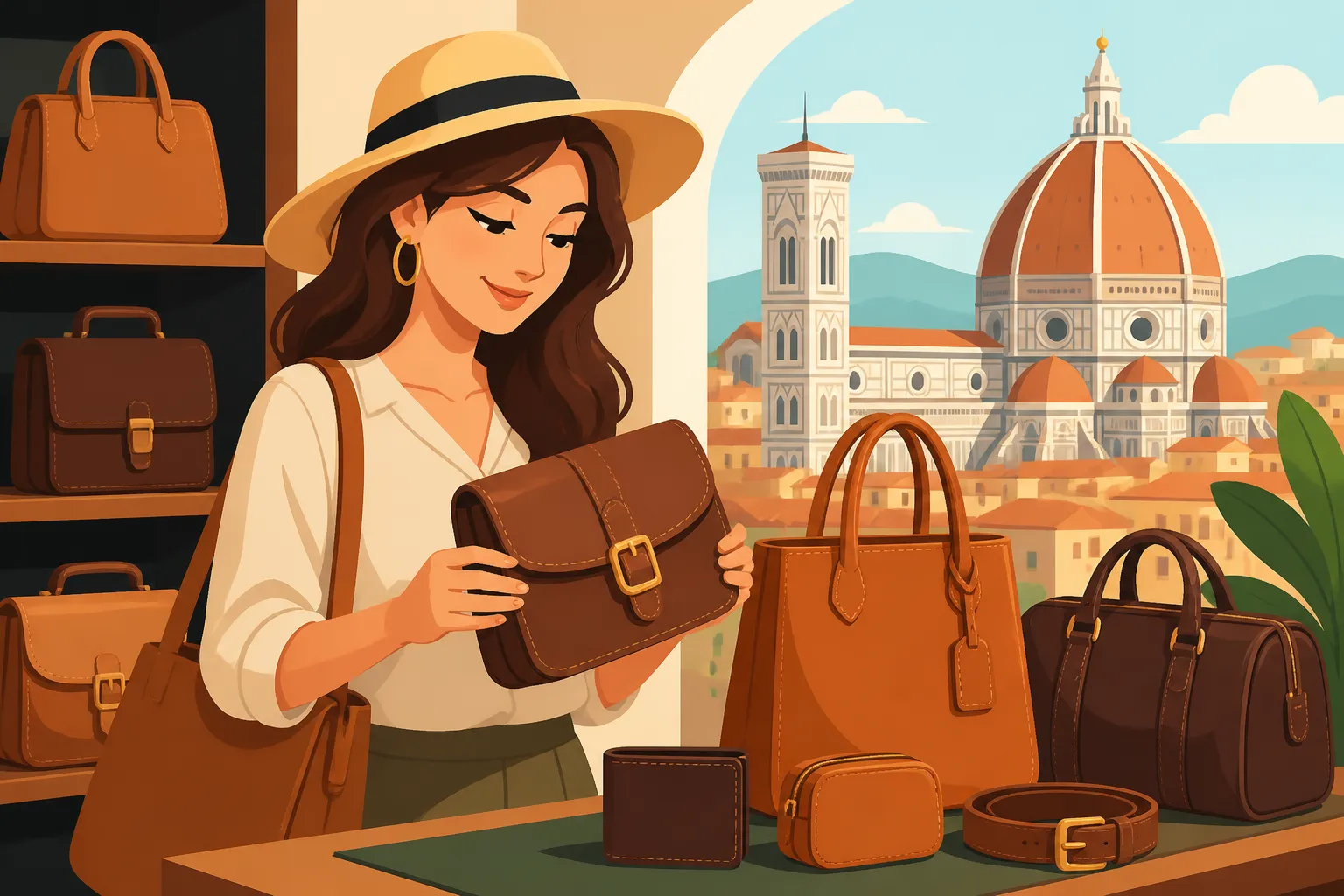
Ah, Florence! The very name conjures images of Renaissance art, delicious Tuscan cuisine, and, of course, the unparalleled beauty of Italian leather. Many of us expats, and plenty of visitors too, arrive here dreaming of a perfect leather jacket, a chic handbag, or a timeless wallet. But let's be honest, the sheer volume of shops, stalls, and varying prices can be utterly overwhelming, making it hard to discern genuine quality from clever marketing. This guide is here to cut through the noise, offering you the seasoned advice you need to confidently navigate Florence’s leather scene and come home with a piece you'll cherish for years.
Disclosure: This post may contain affiliate links. We may earn a commission at no extra cost to you if you make a purchase through these links. Read full disclosure.
Understanding Florentine Leather: The Tradition and the Reality
Florence has been a hub for leather craftsmanship for centuries, a tradition deeply woven into the city's identity. But like anything with a rich history and high demand, it comes with its quirks and potential pitfalls.
The Storied History of Florence's Leather Craft
The Arno River, which gracefully winds through Florence, played a crucial role in establishing the city's leather industry. For hundreds of years, its waters were used in the tanning process, and the area became renowned for its skilled artisans. Families passed down their knowledge from generation to generation, perfecting techniques that made Florentine leather famous worldwide for its durability, suppleness, and exquisite finish. This heritage is something you can still feel when you wander through the Oltrarno district, where traditional workshops continue to operate, often in the very same buildings they have for centuries. It's not just about selling a product; it's about preserving an art form that is intrinsically Italian.
What Defines "Genuine Leather" vs. "Made in Italy"
This is where things can get a bit tricky, and it's vital for any savvy shopper to understand the nuances. "Genuine Leather" (Vera Pelle) simply means it's real leather. It doesn't necessarily speak to the quality of the hide, the tanning process, or the craftsmanship. It could be a lower grade of leather, or it could be chemically treated rather than traditionally tanned. The real magic happens with the "Made in Italy" (Fatto in Italia) label, especially when combined with "Genuine Leather." This designation often implies that the item was not only assembled in Italy but that the entire production chain, from tanning to stitching, adhered to stringent Italian quality standards. However, even "Made in Italy" can sometimes be misleading if components were imported. For true, high-quality Florentine leather, you're looking for items crafted from tanned hides from Tuscany, produced and finished by skilled local artisans. This usually translates to vegetable-tanned leather, known for its rich aroma, natural variations, and the beautiful patina it develops over time.
Common Misconceptions and Tourist Traps
It’s easy to get swept up in the excitement, and unfortunately, some vendors take advantage of this. One common trap is the "bargain" price for what seems like a high-quality item. If it seems too good to be true, it probably is. You might encounter products made from "bonded leather" (a composite of leather scraps and synthetic binders) or even "PU leather" (polyurethane, a synthetic material that mimics leather), sometimes disguised as genuine leather. These will break down quickly and lack the feel and longevity of true leather. Another common misconception is that all market stalls offer the same quality. While there are excellent finds, the Mercato di San Lorenzo, particularly, has a wide range, from genuine artisan work to mass-produced items meant for quick tourist sales. The key is knowing what to look for and where to look. Don't be pressured into a quick sale; take your time, compare, and trust your gut.
Where to Shop for Quality Leather in Florence
Florence offers a diverse landscape for leather shopping, from bustling open-air markets to exclusive artisan workshops. Your choice will largely depend on what you're looking for and your budget. For most travelers, getting to Florence is quite easy via train, and you can book tickets through platforms like Omio for convenient travel from other Italian cities. Once you're here, plan to stay awhile and explore; you might want to check out Booking.com for accommodation near your preferred shopping districts.
Traditional Markets: San Lorenzo and Mercato Nuovo (Porcellino)
- Mercato di San Lorenzo: This is perhaps the most famous and largest leather market in Florence. It's a vibrant, chaotic labyrinth of stalls surrounding the Central Market building. You'll find everything from jackets and handbags to belts, wallets, and souvenirs. The prices here are generally more negotiable, and you can often find good deals. However, this is also where you'll encounter the widest range of quality. You'll need to be discerning and have a keen eye. Many stalls sell similar items, some of which might be mass-produced lower-grade leather. Don't be afraid to walk away if you're not convinced or if the salesperson is too aggressive. The outdoor stalls are open daily, usually until late afternoon.
- Mercato Nuovo (Loggia del Porcellino): Located near Ponte Vecchio, this historic covered market is famously known for its bronze wild boar fountain (the "Porcellino"). The market here is smaller and tends to cater more explicitly to tourists, often with slightly higher prices than San Lorenzo for comparable items. You'll find leather goods alongside silks and other souvenirs. While it’s charming, the quality range here is also broad, so apply the same careful scrutiny. It’s definitely worth a visit for the atmosphere and the tradition of rubbing the boar's snout for good luck, but perhaps not your sole destination for serious leather purchases.
Artisan Workshops and Boutiques: Oltrarno's Hidden Gems
If you're seeking truly exceptional, handcrafted items, you simply must cross the Ponte Vecchio into the Oltrarno district. This area is the heart of Florentine artisan tradition, where independent workshops and small boutiques thrive.
- Via de' Guicciardini and Surrounding Streets: Just over the Ponte Vecchio, you'll find a density of smaller shops. Many of these offer unique designs and higher quality goods than the markets, with prices to match. Look for workshops where you can see the artisans working, perhaps cutting leather or stitching by hand. This visibility is a good indicator of authenticity and dedication to the craft. Brands like Scuola del Cuoio (The Leather School) are iconic, though there are many smaller, family-run ateliers producing exquisite pieces. Visiting these workshops can be an experience in itself, offering a glimpse into centuries-old techniques. You might even find specialized experiences on platforms like GetYourGuide that offer tours focusing on Florentine craftsmanship, including leather.
- Via Santo Spirito, Via del Drago, etc.: Explore the narrow, winding streets deeper into Oltrarno. Here, you'll discover truly hidden gems where master artisans craft bespoke pieces. These shops often have a limited inventory, focusing on unique designs and superior materials. The prices will be higher, but you're paying for unparalleled quality, artistry, and often, a direct connection with the maker. This is where you find the vegetable-tanned leather that truly develops character with age.
Department Stores and Reputable Brands
Florence also hosts a selection of more established brands and department stores if you prefer a more curated, fixed-price shopping experience.
- High-End Boutiques: Along Via de' Tornabuoni and Via della Vigna Nuova, you'll find luxury brands like Gucci, Ferragamo, and Prada, many of which got their start in Florence and still incorporate fine Italian leather into their products. While their leather goods are top-tier in design and materials, they come with significant designer price tags. This isn't necessarily where you find "Florentine craftsmanship" in the traditional sense, but rather global luxury with Italian roots.
- Department Stores: La Rinascente, located in Piazza della Repubblica, offers a multi-brand experience where you can find a selection of Italian leather goods, albeit usually from more commercial brands. The benefit here is a more organized shopping environment, clear pricing, and consistent customer service, but perhaps less of the "artisan" feel you might be seeking in Florence.
Here's a quick comparison of shopping venues:
| Feature | Traditional Markets (San Lorenzo, Porcellino) | Artisan Workshops (Oltrarno) | Department Stores/Luxury Boutiques |
|---|---|---|---|
| Price Range | Low to Mid (Negotiable) | Mid to High (Fixed, reflects craftsmanship) | High to Luxury (Fixed, premium for brand and design) |
| Quality | Highly variable; requires discernment | Generally high to exceptional; handcrafted | Consistently high, designer materials |
| Authenticity | Can be mixed; look for "Vera Pelle" & signs of local production | High; often visible craftsmanship, direct from maker, traditional techniques | High for brand, but not necessarily "traditional Florentine artisan" |
| Experience | Bustling, lively, requires bargaining, can be overwhelming | Quiet, intimate, chance to meet artisans, unique finds | Polished, modern, wide selection of established brands |
| Best For | Souvenirs, casual bags, finding a good deal with patience | Unique, heirloom-quality pieces, supporting local craft, special gifts | Designer items, luxury accessories, guaranteed brand consistency |
Tips for Smart Leather Shopping: Quality, Price, and Authenticity
Buying leather in Florence isn't just a transaction; it's an experience. To ensure it's a positive one, and that you walk away with an authentic treasure, keep these practical tips in mind. Understanding how to interact in Italian markets and shops can make a huge difference, so brushing up on some Italian Language and Everyday Communication for Visitors might be helpful, even if just for a few key phrases.
How to Spot Quality Leather: Touch, Smell, and Stitching
This is your secret weapon against low-quality goods. Engage all your senses!
- Touch: High-quality leather feels soft, supple, and a bit oily or waxy to the touch, not stiff or plastic-like. When you press your finger into it, genuine leather will wrinkle slightly and retain the impression for a moment, much like skin. Lower quality or fake leather will often feel unnaturally smooth or rubbery.
- Smell: True leather has a distinct, earthy, rich smell. Vegetable-tanned leather, in particular, has a warm, natural aroma. If it smells artificial, chemical, or like plastic, it’s likely not real or has been poorly processed. Trust your nose!
- Stitching: Inspect the stitching carefully. It should be even, tight, and consistent, without loose threads or gaps. Poor stitching is a tell-tale sign of hurried, mass production and low quality. The hardware (zippers, buckles, clasps) should also feel sturdy and heavy, not flimsy or cheap. Look for YKK zippers, which are a sign of quality.
- Edges: Well-made leather goods will have finished edges – either folded, painted, or burnished smooth. Unfinished or ragged edges indicate lower quality.
- Lining: While often overlooked, the interior lining of a bag or jacket speaks volumes. It should be durable, neatly sewn, and of good quality. A flimsy, cheap lining suggests cost-cutting throughout the item.
Negotiating Prices and Payment Methods
Bargaining is definitely part of the market culture in Florence, especially at the outdoor stalls of San Lorenzo or Mercato Nuovo.
- Markets: Don't be shy about negotiating! Vendors expect it, and it's part of the fun. Start by offering around 20-30% less than the asking price and work your way up. Remain polite and friendly, and don't be afraid to walk away if you don't get the price you want. Sometimes, if you show genuine interest but express slight hesitation, they might offer a better deal to keep you from leaving.
- Boutiques/Workshops/Department Stores: In artisan workshops and department stores, prices are generally fixed. While you might not be able to haggle on the price, sometimes if you're buying multiple items, a small discount might be offered, or they might throw in a small accessory. It never hurts to ask politely, but don't expect the same level of negotiation as in the markets.
- Payment: Cash is king in Italian markets, and you might get a slightly better deal if you offer to pay in cash. However, carrying too much cash isn't always wise. Most reputable stores and even many market stalls accept credit cards. Be aware of potential Using Credit Cards Abroad: Fees in Italy from your bank, so check with them before you travel. For larger purchases, having your How to Get a Codice Fiscale in Italy (and Why You Need One) can sometimes be helpful, especially if you plan to utilize tax-free shopping benefits.
Asking the Right Questions and Getting a Receipt
Empower yourself with information! Don't be afraid to ask questions.
- Ask about the leather type: "È vera pelle?" (Is it genuine leather?) and "Di che tipo di pelle è?" (What kind of leather is it?). Ask if it’s vegetable-tanned (pelle conciata al vegetale).
- Inquire about the origin: "È fatto qui a Firenze?" (Is it made here in Florence?) or "Dov'è stato prodotto?" (Where was it produced?). A confident "Made in Italy" or "Fatto a mano" (handmade) combined with visible quality is a good sign.
- Receipt (Scontrino): Always, always get a receipt. It's not just for your records; it’s a legal requirement in Italy for almost all transactions. A receipt (scontrino fiscale or fattura) protects you in case of any issues with the item, and it's essential if you're planning to claim a VAT refund (if you're a non-EU resident), which you can learn more about in Tax-Free Shopping in Italy for Non-EU Visitors. Without a receipt, you have no recourse.
Caring for Your Florentine Leather and After-Purchase Considerations
Bringing home a beautiful piece of Florentine leather is just the beginning. Proper care ensures it lasts a lifetime, and knowing your options for after-sales support is just as important.
Basic Care and Maintenance Tips
Leather, like fine wine, often gets better with age, but it needs a little love to reach its full potential.
- Conditioning: Leather can dry out over time, especially in different climates. Invest in a good quality leather conditioner or cream and apply it periodically (every 6-12 months, depending on use) to keep the leather supple and prevent cracking. Always test on an inconspicuous spot first.
- Cleaning: For everyday dirt, a soft, damp cloth is usually enough. For tougher spots, use a specialized leather cleaner, but again, test it first. Avoid harsh chemicals, abrasive materials, or excessive water, as these can stain or damage the leather.
- Protection: Guard your leather from prolonged direct sunlight, which can fade and dry it out. Avoid extreme heat sources. If your item gets wet, gently blot it dry with a soft cloth and let it air dry naturally, away from direct heat. Never use a hairdryer!
- Storage: When not in use, store your leather items in a cool, dry place, ideally in a breathable dust bag (often provided with quality purchases) to protect them from dust and allow air circulation. Avoid plastic bags, which can trap moisture.
Understanding Warranties and Returns
Unlike some other countries, a formal "warranty" on handcrafted items in Italy might not always be a written, standardized document. However, reputable artisans and shops stand by their work.
- Artisan Shops: In smaller, independent artisan workshops, a "warranty" is often more informal but equally strong. They take immense pride in their craftsmanship. If there’s a defect or an issue due to faulty workmanship, they will usually repair it. However, this often requires you to bring the item back to the shop in Florence. Before purchasing, ask about their policy on defects or repairs: "Se c'è un problema, cosa posso fare?" (If there's a problem, what can I do?).
- Markets: Market purchases generally come with less explicit guarantees. This is another reason why inspecting thoroughly and getting a receipt are so crucial. Returning an item to a specific stall among hundreds after a few days might prove difficult.
- Department Stores/Brands: Larger stores and established brands will typically have more formal return and exchange policies, similar to what you might find in your home country. Ensure you understand their specific terms before you buy. Keep your receipt and any tags.
Shipping Your Purchases Home
If you’ve indulged and bought more than you can carry, or a large item like a leather jacket, shipping is a practical option.
- Shop Services: Many higher-end leather boutiques, especially in the Oltrarno, offer international shipping services. They are experienced in packaging and customs documentation. While convenient, this service comes with a cost, so be sure to inquire about shipping fees and insurance before committing.
- Independent Shipping: You can also use services like Poste Italiane or international couriers (e.g., DHL, UPS, FedEx). You’ll need to declare the item's value and describe its contents accurately for customs. Be aware of potential import duties and taxes in your home country, as these will be your responsibility. Always insure valuable items. Pack your leather carefully to prevent damage during transit – sturdy boxes and internal padding are essential.
Florence’s leather scene is a treasure trove, and with a little knowledge and patience, you'll uncover pieces that tell a story, enduring symbols of Italian artistry. Enjoy the hunt for your perfect leather souvenir, whether it's a statement piece or a subtle accessory! After all, finding those special items is part of what makes Shopping in Italy: Markets, Boutiques, and Outlets such a rich experience.
Disclaimer
Please note that while every effort has been made to provide accurate and up-to-date information in this guide, regulations, prices, and business practices in Italy can change. It is always advisable to verify specific details, such as store hours, prices, and return policies, directly with vendors or relevant authorities at the time of your visit. This guide is for informational purposes only and does not constitute professional advice.