What’s the Best Time of Year for a City Break in Italy?
Ah, the classic Italian dilemma! You’re dreaming of wandering through ancient ruins, sipping espresso in a bustling piazza, or getting lost in Renaissance art, but then you start picturing the reality: scorching summer heat, shoulder-to-shoulder crowds, or perhaps chilly, rainy days. Choosing the best time for a city break in Italy can feel like an impossible puzzle, but don't you worry, because this comprehensive guide is here to break down the nuances of each season, helping you pinpoint the perfect window for your Italian urban adventure.
Disclosure: This post may contain affiliate links. We may earn a commission at no extra cost to you if you make a purchase through these links. Read full disclosure.
The Eternal Question: When to Visit Italy's Cities?
Let's be honest, Italy is gorgeous year-round. There's no truly "bad" time to visit. However, there are certainly better times for specific experiences, and some seasons come with their own unique set of challenges that can make or break your trip. As an expat who's lived through all four seasons in various Italian cities, I can tell you that what makes a trip magical for one person can be pure agony for another. It really boils down to your priorities: are you chasing sunshine, avoiding crowds, on a tight budget, or hoping for a specific cultural experience?
Acknowledging the Tourist Traps and Crowds
Picture this: you've finally made it to the Trevi Fountain, a bucket-list moment, only to find yourself jostling with hundreds of other eager tourists, trying to snap a photo over a sea of selfie sticks. Or maybe you're trying to enjoy a quiet moment in Piazza San Marco in Venice, but the sheer volume of people makes it feel less like a historic square and more like a crowded amusement park queue. This is the reality of peak season in Italy's most popular cities. The sheer number of visitors can be overwhelming, turning what should be a serene, awe-inspiring experience into a frustrating exercise in crowd management.
Beyond the emotional toll, heavy tourist traffic also translates to higher prices for flights and accommodation, longer queues at major attractions, and a general feeling of being rushed. It’s not just about the iconic "big three" – Rome, Florence, and Venice – either. Even cities like Milan, Naples, and Verona can feel incredibly busy during the high season, especially around major events or holidays. This isn't to say these cities aren't worth visiting during these times, but it means managing expectations and being prepared for a different kind of experience than the idyllic scenes you might imagine.
Beyond the Big Three: Considering Italy's Diverse Urban Landscape
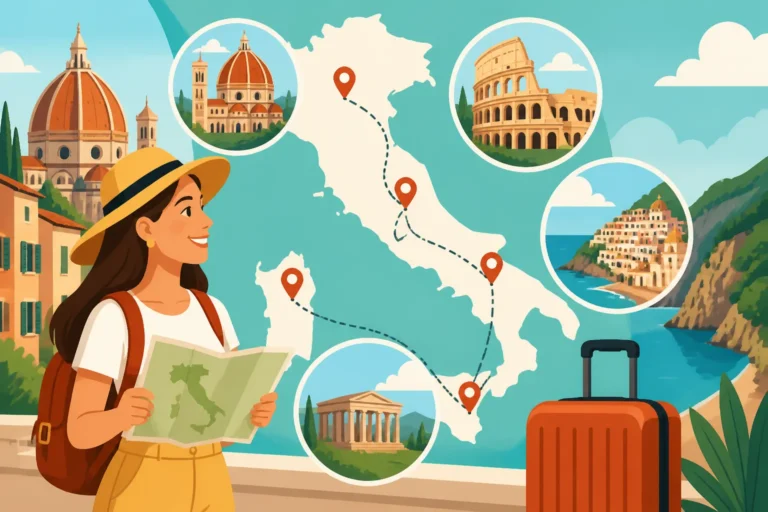
While Rome, Florence, and Venice rightly earn their accolades, Italy's urban tapestry is so much richer and more varied. Limiting your city break choices to just these three would be a huge disservice to the country and to your own potential experiences. Think about the vibrant, underrated city of Bologna, renowned for its incredible food scene and arcaded streets, offering a different rhythm and fewer overwhelming crowds. Or perhaps Turin, a sophisticated northern gem with grand boulevards, exquisite cafes, and a rich automotive history, which truly shines in cooler months with its cozy atmosphere.
Then there's Naples, a chaotic yet captivating city bursting with authentic Italian life and the birthplace of pizza, which can feel incredibly alive and welcoming outside the peak summer heat. Even smaller, charming cities like Siena, Perugia, or Lecce offer fantastic city break potential, allowing for a more intimate and less frenetic experience. Each of Italy's regions boasts unique urban centers, and considering these alternatives can dramatically improve your experience, especially if you're aiming to avoid the throngs of tourists and uncover a more local side of Italy. It's often in these lesser-known spots that you find the true heart of Italian daily life.
Spring (March to May): The Blooming Sweet Spot
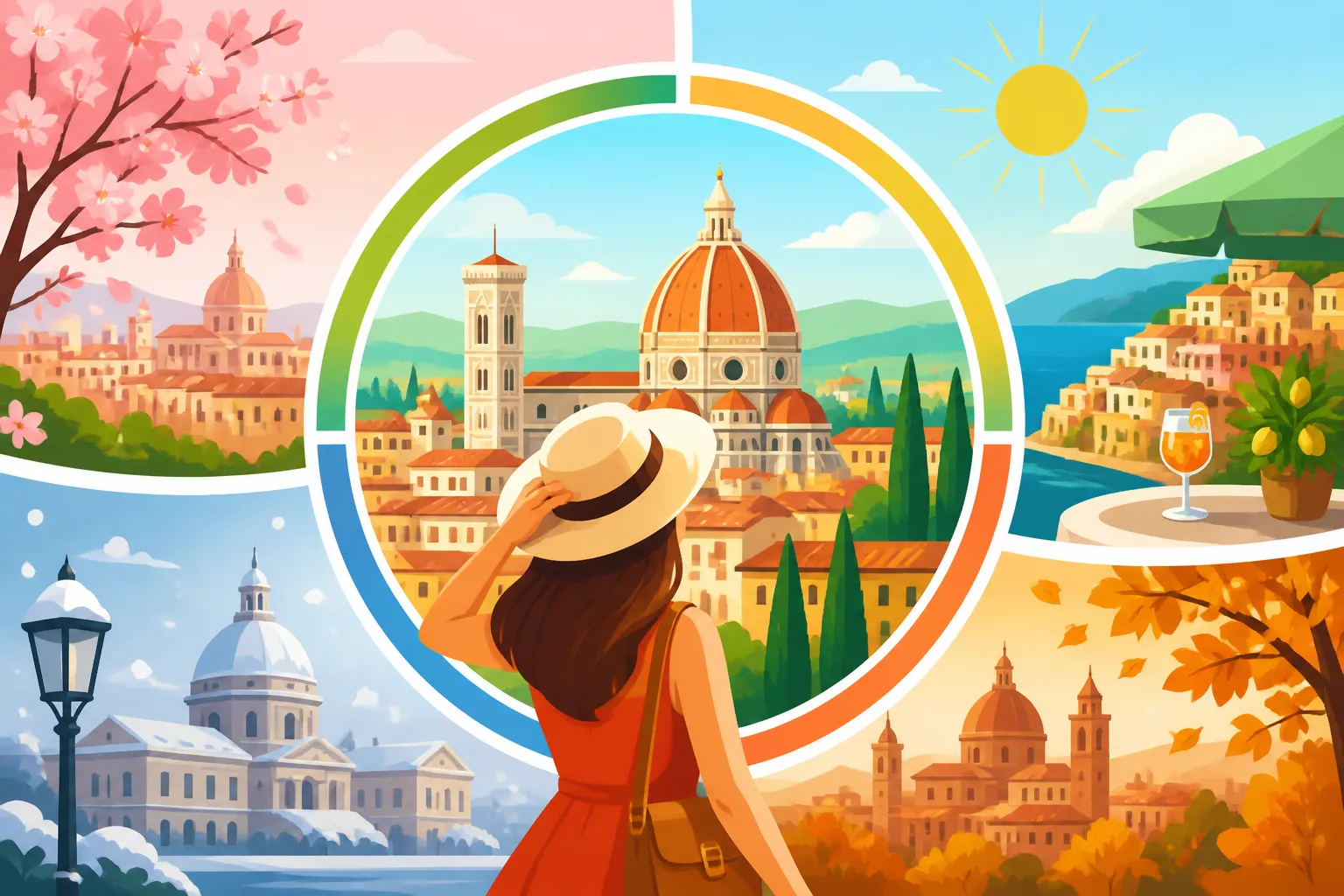
Ah, spring in Italy! For many expats and savvy travelers, this is truly the golden period for a city break. The land awakens from its winter slumber, shedding the chill and embracing a gentle warmth, making it absolutely delightful for urban exploration. You get the best of both worlds: comfortable temperatures that allow for endless walking, blossoming flowers adorning balconies and public gardens, and crowds that are noticeable but not yet suffocating like in the summer months.
Weather and Atmosphere: Gently Warming Up
As March rolls in, you can still expect a bit of a chill in the air, especially in northern cities like Milan or Turin, and there might be some lingering rain showers. But by April, things really start to open up. Average temperatures across central Italy (think Rome, Florence) typically hover around 15-20°C (59-68°F), while the south (Naples, Palermo) might see even warmer days reaching into the low 20s°C (70s°F). The days grow longer, painting the historic buildings in a soft, welcoming light.
The atmosphere is undeniably lighter and more joyful. Locals shed their heavy coats, flocking to outdoor tavolini (cafe tables) to enjoy their morning cappuccino or an afternoon aperitivo. Parks and gardens, like Rome's Villa Borghese or Florence's Boboli Gardens, burst into vibrant color with blooming roses, azaleas, and jasmine – the scent alone is intoxicating. It's the kind of weather where you can comfortably spend hours on foot, exploring hidden alleyways, stumbling upon charming piazzas, and truly soaking in the urban landscape without feeling either frozen or overheated. It's a truly invigorating time to experience Italian city life.
Festivals and Events: Cultural Delights
Spring is a season rich in cultural and religious festivals across Italy, adding another layer of charm to your city break. Easter, or Pasqua, often falls in late March or April, and while it's a deeply religious holiday, it's also a time for vibrant processions, special Masses, and delicious traditional foods. Be aware that major holidays like Easter Sunday and Easter Monday (Pasquetta) mean many shops, museums, and public services might be closed, and public transport schedules can be reduced. However, it also offers a unique insight into Italian traditions.
Beyond Easter, you'll find other significant national holidays like Liberation Day (Festa della Liberazione) on April 25th and Labour Day (Festa del Lavoro) on May 1st. These days often feature parades, public celebrations, and again, potential closures. While planning your trip, it's worth checking the specific dates for these holidays if you wish to participate or, conversely, avoid potential disruptions. In many cities, spring also marks the beginning of the "sagra" season – local food festivals celebrating seasonal produce like artichokes, asparagus, or wild strawberries. This is an incredible way to experience authentic regional cuisine and mingle with locals. For major events and travel between cities, booking train tickets in advance through platforms like Omio can save you a pretty penny and ensure you get a spot, especially around these busy holiday periods. You can also explore local city events by checking municipal tourism websites or asking at your hotel.
Summer (June to August): Sun, Sea, and Swarms
Summer in Italy is iconic, isn't it? Long, sun-drenched days, vibrant nightlife, and the allure of coastal escapes. For some, the idea of basking in Mediterranean sunshine while exploring ancient ruins is the ultimate dream. However, for those planning a purely urban city break, summer, particularly July and August, comes with significant caveats: intense heat and truly overwhelming crowds.
Battling the Heat and the Crowds
Let's not sugarcoat it: July and August in Italian cities can be brutally hot. In central and southern cities like Rome, Florence, Naples, or even Bologna, temperatures frequently soar above 30°C (86°F) and often push into the high 30s or even 40s°C (over 100°F). The stone and concrete of ancient cities absorb and radiate heat, making it feel even more oppressive, especially in the middle of the day. Walking around historical sites or navigating crowded streets in this kind of heat can be genuinely exhausting and, frankly, diminish the joy of discovery. Trust me, I've seen countless tourists looking utterly wilted by midday!
Adding to the heat are the sheer volume of tourists. This is peak travel season globally, and Italy's major cities become veritable human ant-hills. Attractions have long queues, popular restaurants are booked solid, and simply trying to walk down a street in central Florence or Venice can feel like swimming against a strong current. This impacts everything from getting a decent photo without strangers in it to finding a quiet moment of reflection at a historic site. If you're visiting in summer, you must adapt: plan outdoor activities for early mornings or late evenings, embrace the siesta culture, seek out air-conditioned museums during the hottest parts of the day, and drink copious amounts of water. Consider taking a Day Trips From Rome by Train or Day Trips From Florence Without a Car to escape the urban heat for a bit.
The Ferragosto Effect and Coastal Escapes
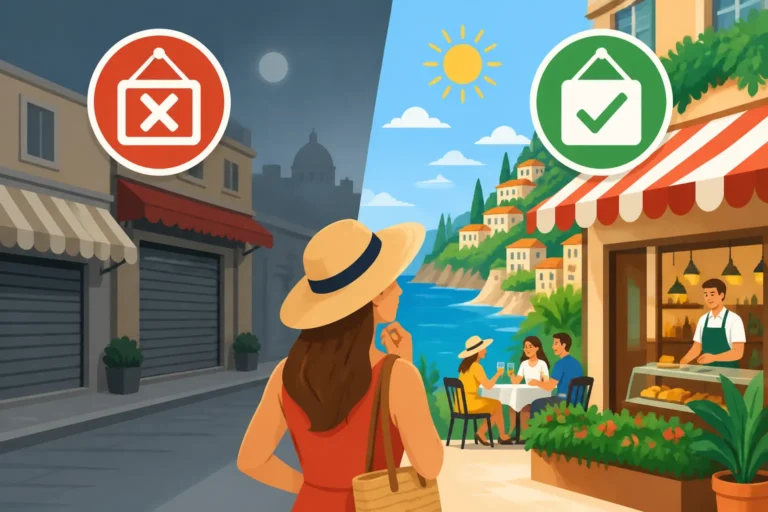
One unique aspect of an Italian summer, especially in mid-August, is Ferragosto (August 15th). This is a major national holiday when many Italians, particularly those working in cities, decamp en masse to the coast or mountains for their annual summer vacation. What does this mean for your city break? Paradoxically, some cities like Milan or Rome might feel slightly less crowded with international tourists, as a significant portion of the local population has left. However, many smaller, independent shops, family-run restaurants, and even some services might close down for a week or two around this time. It can feel eerily quiet in some neighborhoods, making it harder to find authentic local experiences.
On the flip side, this exodus means the beaches and lakes are absolutely packed. If your plan is to combine a city break with some coastal relaxation, you'll find every stretch of sand, from Puglia to Liguria, buzzing with activity. Places like the Amalfi Coast or Cinque Terre are at their most vibrant, but also at their most expensive and crowded. Booking your accommodation and travel, particularly through sites like Booking.com, far in advance is non-negotiable for these destinations during August. If you embrace the heat and the crowds, summer can offer a lively atmosphere, but it definitely requires a strategic approach and a good deal of patience, as I've personally experienced trying to navigate Venice in August!
Autumn (September to November): Golden Hues and Harvest Feasts
As the scorching summer gives way to the gentle embrace of autumn, Italy’s cities undergo a magical transformation. For many, including myself, this is a truly enchanting time to explore the country's urban jewels. The intense heat subsides, the light softens, and a comforting coolness returns to the air, making it perfect for those long, leisurely strolls we all dream of.
Perfect Weather for Exploration
September in Italy feels like an extension of summer, but with a much-appreciated mellowing. Temperatures across the country are wonderfully pleasant, typically ranging from 20-25°C (68-77°F) in central and southern areas, and a comfortable 15-20°C (59-68°F) up north. This balmy weather continues well into October, offering ideal conditions for sightseeing, outdoor dining, and simply soaking in the atmosphere without the oppressive heat or humidity. The crowds begin to thin out after the August rush, making popular attractions more accessible and enjoyable.
By November, the weather shifts towards cooler, crisper days, particularly in the northern and central regions, and you might encounter more rain. However, even then, the cities retain a special charm. The quality of light during autumn is absolutely spectacular – a warm, golden hue that photographers adore, casting long shadows and highlighting the ancient architecture. It's the kind of weather that invites you to linger over an extra coffee at an outdoor café, wander through bustling markets (which are especially vibrant at this time of year), and truly immerse yourself in the urban landscape.
Gastronomic Delights and Seasonal Specialties
If your city break revolves around food and wine – and whose doesn't in Italy? – then autumn is the season to visit. This is harvest time, a period of immense culinary celebration across the country. Cities and their surrounding regions burst with seasonal specialties. Think white truffles in Piedmont and Umbria, porcini mushrooms appearing on menus everywhere, freshly pressed olive oil, and the much-anticipated vino novello (new wine).
Throughout September and October, you'll find countless sagre (food festivals) dedicated to these autumn delights, often just a short train ride from major cities. Imagine spending a morning exploring Florence, then taking a quick trip to a nearby Tuscan village for a chestnut festival. Restaurants, from humble trattorias to Michelin-starred establishments, proudly feature seasonal menus that showcase the best of the autumn harvest. This is the time to indulge in rich stews, hearty pasta dishes with wild mushrooms, and exceptional wines. Exploring the local Italian Markets: Food, Antiques, and Flea Markets becomes an even richer experience as vendors display the bounty of the season. For foodies, autumn in Italy is a true feast for the senses, making any city break an unforgettable gastronomic journey.
Winter (December to February): Cozy Charm and Cultural Immersion
Don't dismiss winter for an Italian city break! While it might not have the sunny allure of summer or the gentle warmth of spring, winter offers a unique, often more authentic, and certainly less crowded experience. If you’re willing to brave cooler temperatures and potentially some rain, you’ll be rewarded with a cozy charm and unparalleled access to Italy’s cultural treasures.
Quiet Streets and Cozy Cafes
The biggest advantage of a winter city break is the noticeable drop in tourist numbers. Imagine strolling through the Roman Forum with a fraction of the crowds you’d encounter in April or July, or gazing at Botticelli’s masterpieces in the Uffizi Gallery without jostling for space. This lower density of visitors means shorter lines, more relaxed viewing, and a genuine feeling of having these incredible sites almost to yourself. This isn't just about famous landmarks; the entire city feels more laid-back.
The weather varies, of course. Northern cities like Milan, Turin, and Bologna can be quite cold, often hovering around freezing, with fog and occasional snow. Central cities like Rome and Florence are milder but can be damp and rainy, with temperatures usually between 5-15°C (40-59°F). Southern cities like Naples or Palermo are the warmest, rarely dipping below 10°C (50°F). Regardless of the region, the lower temperatures encourage a wonderful shift in city life: people huddle in warm, inviting cafes for hot chocolate or a strong espresso, museums become welcome havens, and the focus shifts indoors. It's a perfect time to truly relax and savor the atmosphere without feeling pressured to rush from one outdoor attraction to the next.
Festive Spirit and Cultural Deep Dives
Winter brings its own special kind of magic to Italian cities. December is, of course, dominated by the festive spirit of Christmas. Many cities host charming Christmas markets, like those in Trentino-Alto Adige or Florence, offering artisanal crafts, seasonal treats, and a heartwarming atmosphere. Streets are adorned with twinkling lights, and churches often feature elaborate nativity scenes (presepi). New Year's Eve (Capodanno) is celebrated with fireworks and concerts in major piazzas, offering a lively start to the year.
January and February might be the quietest months, but they also offer unique opportunities. For example, Venice truly comes alive during its world-famous Carnival (Carnevale), usually in February or early March, just before Lent. While Venice is always popular, experiencing Carnival masks and parades is an unforgettable, albeit crowded, winter highlight. Beyond these specific events, winter is the ideal time for deep cultural immersion. Dedicate your days to exploring world-class museums, art galleries, and historic churches, often with shorter waiting times and more intimate viewing experiences. This is also a fantastic time for more affordable travel; you'll often find better deals on flights and Accommodation in Italy: Hotels, B&Bs, and Agriturismi through platforms like Booking.com, allowing your budget to stretch further for delicious food and cultural experiences. For getting around the country, consider Italy's efficient High-Speed Trains in Italy: Trenitalia, Italo, Routes, and Savings as they are a cozy and reliable way to travel between cities, regardless of the weather, and you can conveniently book tickets via Omio.
Navigating Your Italian City Break: Practical Tips
Regardless of when you decide to visit Italy for your urban escape, a few practical tips can dramatically enhance your experience and help you avoid common expat pitfalls. Being prepared for the local nuances, especially concerning logistics, can truly make all the difference.
Booking Accommodation and Transport Strategically
One of the biggest lessons I've learned living here is the importance of booking ahead, especially for travel and accommodation, no matter the season, but especially during spring, summer, and around major holidays. For finding the perfect place to stay, whether it's a cozy B&B in Florence or a stylish apartment in Milan, I always recommend checking out Booking.com. Their extensive options and user reviews are invaluable. During peak season, prime spots get snapped up months in advance, and prices can skyrocket. Even in quieter periods, securing your accommodation early can give you peace of mind and often a better deal.
When it comes to getting around Italy, trains are your best friend for city-to-city travel. Italy’s high-speed train network is excellent, connecting major cities efficiently. Companies like Trenitalia and Italo offer comfortable and punctual services. I can't stress this enough: buy your train tickets in advance, especially for high-speed routes, using platforms like Omio. Not only can you often snag cheaper fares, but you also guarantee a seat, which is crucial on popular routes. Spontaneous travel by train can sometimes work, but you risk higher prices or fully booked trains. For driving, be aware of Renting a Car in Italy: ZTLs, Insurance, and Driving Tips as many historic city centers have restricted traffic zones.
Embracing Local Transport and Avoiding Pitfalls
Once you're in an Italian city, the best way to get around is usually on foot or by local public transport. Cities like Rome, Milan, and Naples have extensive metro systems, complemented by buses and trams. Venice, of course, has its unique vaporetti (water buses). Learning to use these systems will save you money and time. You can find detailed guides on Getting Around Italian Cities: Metro, Tram, and Buses which provide invaluable tips.
A crucial piece of advice for public transport, particularly trains and some local buses, is to validate your ticket. If you buy a physical ticket, you often need to stamp it in a small machine (usually green or yellow) before boarding. Failing to do so can result in a hefty fine, even if you’ve paid for the ticket. This is a common trap for unsuspecting tourists!
Finally, always keep some small change on you. While credit cards are widely accepted, especially in larger establishments, smaller cafes, newsstands, or local markets might prefer cash. And while you're navigating the bustling streets, make sure to try and learn some basic Italian Language and Everyday Communication for Visitors. A simple "Buongiorno" or "Grazie" goes a long way in connecting with locals and making your experience even more authentic. If you are ever unsure about anything, don't hesitate to politely ask a local. You might even discover a hidden gem! To truly experience the local culture, try attending some Festivals, Holidays, and Traditions in Italy that happen throughout the year.
| Season | Pros | Cons | Ideal Activities |
|---|---|---|---|
| Spring (March-May) | Pleasant temperatures, blooming scenery, moderate crowds, good value. | Chance of rain, Easter holiday crowds and closures, prices begin to rise. | Extensive walking tours, outdoor dining, exploring gardens and parks, early season sagre (food festivals), day trips to smaller towns, exploring outdoor markets. |
| Summer (June-Aug) | Long daylight hours, vibrant nightlife, easy access to coastal areas, lively atmosphere. | Intense heat (especially July/August), huge crowds, higher prices, some local closures during Ferragosto (August 15th). | Early morning/late evening sightseeing, indoor museums during midday heat, combining city with beach break, enjoying gelato, evening strolls and aperitivo, experiencing summer concerts. |
| Autumn (Sept-Nov) | Comfortable temperatures, beautiful fall colors, harvest festivals, moderate crowds (less than summer). | Increased chance of rain later in season (Oct/Nov), shorter daylight hours towards end of season. | Food and wine tours, truffle hunting, regional sagre, photography of golden landscapes, leisurely walks through cities, exploring local markets, indoor cultural attractions, enjoying seasonal menus. |
| Winter (Dec-Feb) | Fewest crowds, lowest prices, festive atmosphere (Christmas/Carnival), authentic local feel, best for cultural immersion. | Cold temperatures (especially North), dampness/rain, shortest daylight hours, some attractions may have reduced hours/closures. | Visiting museums and art galleries, enjoying Christmas markets, warming up in cozy cafes, experiencing Carnival (Venice), attending opera/theater, focused shopping, cooking classes, enjoying hearty Italian cuisine. |
Disclaimer
Please remember that travel information, especially regarding public holidays, opening hours, and local regulations, can change. While I strive to provide the most up-to-date and accurate information based on my personal experiences and current resources, it's always wise to double-check specific details with official sources or local authorities closer to your travel dates. Enjoy your Italian adventure!