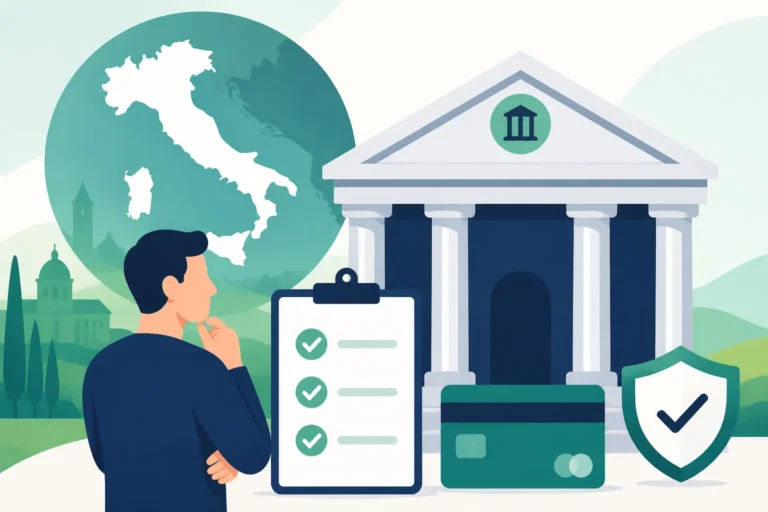
Learning Italian for Jure Sanguinis: Language Prep Alongside the Paperwork
Venturing into the world of Italian citizenship by descent, or Jure Sanguinis, is a monumental undertaking. You're not just tracing your family tree; you're often grappling with labyrinthine bureaucracy, confusing documents, and a whole new cultural landscape. While not always a strict legal requirement, learning Italian alongside your paperwork journey can profoundly transform a stressful administrative task into a deeply enriching personal experience, helping you connect with your heritage and make the process smoother, and this guide will show you how.
Disclosure: This post may contain affiliate links. We may earn a commission at no extra cost to you if you make a purchase through these links. Read full disclosure.
Why Speaking Italian Enhances Your Jure Sanguinis Journey
The Jure Sanguinis process can feel like a marathon, filled with document gathering, translations, apostilles, and often, long waits. It’s easy to get lost in the administrative weeds and forget the heart of what you're doing: connecting with your Italian roots. That's where language comes in. Even if your consulate doesn't strictly mandate B1 fluency (though some are starting to), having a grasp of the language can make a world of difference. It's about more than just checking a box; it's about embracing the culture you're becoming a part of.
Imagine calling an Italian comune (municipality) to track down an ancestor's birth certificate. You’re already stressed about time zones and the formality of the request. Now, imagine doing that in Italian. While challenging, being able to articulate your needs, understand the response, and engage in even a basic conversation fosters a sense of agency. It shows respect for the culture and often elicits a more helpful response from officials who appreciate the effort. It’s a bridge that simplifies communication and builds rapport, making a complex process feel a little less daunting. Beyond the official steps, learning Italian helps you prepare for life in Italy if you plan to move there after citizenship. It's foundational to daily interactions, forming friendships, and truly integrating.
Connecting with Ancestral History and Local Officials
One of the most profound aspects of the Jure Sanguinis journey is the historical detective work involved. You're digging into dusty archives, looking for records that might be decades, even a century, old. These documents are almost always in Italian, sometimes even in older forms of the language or local dialects. Being able to decipher even the gist of what's written can be incredibly satisfying and helpful. While you’ll certainly need professional sworn translations for official submissions, understanding these primary sources yourself adds a layer of personal connection. It's like finding a hidden message from your ancestors, and knowing enough Italian to understand it without immediate reliance on a translator makes the discovery all the more impactful.
Furthermore, direct communication with local officials, whether at a comune or anagrafe office, can save you immense time and frustration. I've heard countless stories from expats who, with even just basic Italian phrases, were able to clarify a requirement, confirm an appointment, or simply ask for directions within a sprawling office, whereas non-speakers often rely on a kind stranger or a heavily-taxed Google Translate. When you’re dealing with something as sensitive and personal as your family's history and your own future citizenship, direct understanding and communication are invaluable. Platforms like iTalki offer access to native Italian tutors who can even help you practice these specific scenarios, running through polite phrasing and common bureaucratic terms. This type of tailored preparation is something generic language apps simply can't offer.
Cultural Immersion and Future Integration
Obtaining Italian citizenship isn't just about a passport; it's about claiming a cultural identity. Learning the language is the most direct path to truly immersing yourself in that culture. Imagine celebrating Ferragosto or Italian Public Holidays: What Services Are Closed and being able to chat with locals, understand their traditions, and participate in conversations. Or sitting down for a meal at a tiny trattoria and confidently ordering your Pasta in Italy: Regional Shapes and Sauces to Try without pointing awkwardly. These are the moments that transform an expat experience from merely existing to truly living.
For those planning to relocate to Italy after securing citizenship, language skills are non-negotiable. From Setting Up Utilities (Electricity, Gas, Water) in Italy to Registering Residency in Italy (Residenza and Anagrafe), virtually every administrative step and daily interaction will require a level of Italian proficiency. Even something as simple as grocery shopping becomes an adventure when you can read labels, ask about local produce, or understand a butcher's recommendations. Investing in language learning now, as part of your Jure Sanguinis journey, is an investment in your future quality of life in Italy. It paves the way for deeper friendships, professional opportunities, and a more profound connection to your adopted home.
Practical Italian for Navigating Bureaucracy and Life in Italy
The Italian language, with its melodic tones and rich vocabulary, can be intimidating, but for the purpose of Jure Sanguinis and initial settlement, you don't need to write poetry. You need functional Italian. This means focusing on phrases for questions, requests, understanding instructions, and basic social pleasantries. It's less about perfect grammar and more about effective communication in real-world scenarios. Learning conversational Italian allows you to bridge the gap between "foreigner" and "local," even if you're still perfecting your conjugations.
One of the biggest hurdles for foreigners in Italy is navigating the administrative processes. Whether it’s for How to Get a Codice Fiscale in Italy (and Why You Need One), applying for your Permesso di Soggiorno, or simply dealing with your local comune, the ability to understand and be understood can reduce stress levels dramatically. You’ll encounter specific vocabulary related to documents, appointments, and personal data. Preparing for these interactions will not only build your confidence but also signal to Italian officials that you are serious and respectful of their process. Many find that online tutoring platforms like iTalki are incredibly useful for this targeted learning, as you can specifically ask a tutor to role-play a phone call to the Questura or review specific legal terms.
Key Phrases for Bureaucratic Encounters
When dealing with Italian bureaucracy, a few key phrases can unlock doors (or at least prevent them from slamming shut). It's all about polite inquiry and clear statement of purpose. Here’s a basic table of phrases you might find useful:
| English Phrase | Italian Translation | Context |
|---|---|---|
| I would like to ask about… | Vorrei chiedere informazioni su… | Initiating an inquiry at an office. |
| I need to apply for… | Devo fare domanda per… | Stating your intention (e.g., citizenship, residency). |
| Do I need an appointment? | Ho bisogno di un appuntamento? | Essential for most government offices. |
| What documents do I need? | Quali documenti mi servono? | Clarifying requirements for an application. |
| Where can I find…? | Dove posso trovare…? | Asking for a specific office or person. |
| Could you please repeat that? | Potrebbe ripetere, per favore? | When you don't quite catch something. |
| Could you speak more slowly, please? | Potrebbe parlare più lentamente, per favore? | A polite request when the pace is too fast. |
| I don't understand. | Non capisco. | Being honest about your comprehension. |
| I am here for my appointment. | Sono qui per il mio appuntamento. | Announcing your arrival. |
| Thank you very much. | Grazie mille. | Always important! |
Mastering these phrases will make your visits to the comune, Questura, or other administrative offices far less intimidating. You won’t be fluent, but you will be functional, and that’s often enough to get the information you need and make a positive impression. Practicing these with a native speaker, especially one familiar with the nuances of formal Italian, can boost your confidence significantly. iTalki tutors are often skilled at preparing students for these specific, high-stakes conversations.
Daily Life Survival Language
Beyond official business, having functional Italian for daily life is crucial for a smooth transition. Imagine trying to explain a lost item at the train station or asking for help with a broken appliance. These everyday situations, which are simple in your native language, become monumental challenges without some basic Italian. Learning Survival Italian for Travelers: Key Phrases to Learn First will equip you for interactions at the market, ordering food, asking for directions, and making small talk.
Consider the practicalities: "Where is the nearest farmacia?" (Dov'è la farmacia più vicina?), "How much does this cost?" (Quanto costa?), "I would like a coffee, please" (Vorrei un caffè, per favore). These are the building blocks of independence in a new country. They enable you to confidently navigate your environment, solve common problems, and engage with the local community. Without them, you’re constantly relying on others, which can be exhausting and limiting. By making language learning an integral part of your Jure Sanguinis preparation, you're not just getting a passport; you're gaining the tools to truly live and thrive in Italy.
Your Roadmap to Learning Italian Effectively for Citizenship
Embarking on the Jure Sanguinis journey is often consuming, so adding language learning on top might seem like an impossible feat. But with the right approach and resources, it's entirely achievable. The key is finding a method that is flexible, effective, and tailored to your specific needs – which for citizenship applicants often means practical, conversational skills. Forget rigid classroom schedules that don't fit around your document collection quests or work commitments. You need something adaptable that can move with you, literally and figuratively.
Online language learning has revolutionized how expats acquire new tongues, offering unparalleled flexibility. You can connect with native speakers from anywhere in the world, often at a fraction of the cost of traditional in-person classes. This allows you to integrate learning seamlessly into your busy schedule, whether it's a quick 30-minute lesson during a lunch break or an hour in the evening after chasing down more paperwork. Moreover, the personalized nature of one-on-one online lessons means you can focus precisely on the vocabulary and scenarios most relevant to your Jure Sanguinis process and future life in Italy.
Choosing the Right Learning Platform
When it comes to effective online language learning, finding a platform that connects you with qualified native speakers is paramount. Generic apps are great for vocabulary drills, but they fall short when you need real-time conversation practice, cultural nuance, or specific assistance with bureaucratic Italian. This is where dedicated online tutoring platforms shine. Many expats rave about services like iTalki, which offers a vast marketplace of Italian teachers, allowing you to choose instructors based on their expertise, teaching style, and price point.
What makes iTalki particularly beneficial for Jure Sanguinis candidates is the ability to customize your learning experience. You can specifically seek out tutors who understand the challenges expats face, or even those who have experience teaching Italian for administrative purposes. Imagine practicing a phone call to a comune or discussing a specific clause in a document with a native speaker who can correct your pronunciation and grammar on the spot. This kind of personalized, targeted practice is incredibly efficient. You can book lessons on your own schedule, from anywhere, making it a perfect fit for the often unpredictable nature of the citizenship process.
Setting Realistic Language Goals
It's tempting to aim for immediate fluency, but for the purposes of Jure Sanguinis and initial integration, setting realistic, achievable goals is far more sustainable. Your primary objective might be "functional communication" rather than "literary mastery." Focus on practical milestones:
- Understand basic questions and instructions.
- Introduce yourself and state your purpose (e.g., "I am here to apply for citizenship by descent").
- Ask simple questions about documents, appointments, and directions.
- Engage in polite small talk at the bar or market.
Think about the B1 level, which is often cited as the requirement for general Italian citizenship by marriage, as a good benchmark for basic independence, even if it's not strictly required for Jure Sanguinis. While you might not reach full B1 during your paperwork phase, striving for it will provide immense benefits. Breaking down your learning into these smaller, manageable chunks prevents burnout and allows you to celebrate progress along the way. Utilizing platforms like iTalki can help you structure these goals, as many tutors offer tailored courses designed to move you from beginner to intermediate levels, focusing on conversational skills.
Maximizing Your Language Progress During the Jure Sanguinis Process
Integrating language learning into an already demanding Jure Sanguinis application can feel like a juggling act. However, by strategically weaving Italian study into your routine, you can make significant progress without feeling overwhelmed. Think of it not as an additional chore, but as an essential tool that will ultimately simplify your entire journey and enrich your connection to your heritage. Every document you read, every phone call you prepare for, becomes an opportunity to practice and learn.
Consistency is far more important than intensity. Even 20-30 minutes of focused practice a few times a week will yield better results than sporadic marathon sessions. The beauty of online platforms like iTalki is their flexibility: you can schedule short lessons that fit into unexpected gaps in your day, ensuring that Italian remains a constant presence as you navigate your citizenship paperwork. This steady exposure is key to building confidence and retention.
Immerse Yourself While Abroad
You don't need to be living in Italy to start immersing yourself in the language. There are countless ways to bring Italy into your daily life, no matter where you are. Change your phone's language setting to Italian, listen to Italian music, or seek out Italian films (with subtitles initially, then without). Cook Italian recipes and try to read the instructions in Italian. Engage with Italian news sites, even if you only pick up a few words at first. This constant, low-pressure exposure helps your brain get accustomed to the rhythm and sounds of the language.
For more direct immersion, actively seek out local Italian cultural centers, meetups, or online expat groups for Italy. Many cities around the world have vibrant Italian communities where you can practice your language skills in a social setting. When you’re specifically working on your Jure Sanguinis application, try to find an Italian-speaking friend or tutor who can help you practice administrative phrases or explain confusing bureaucratic terms. This kind of contextual learning is incredibly powerful. Remember, iTalki provides a direct link to native speakers who can offer not just language lessons but also cultural insights and practical advice, serving as a mini-immersion experience from your living room.
Utilizing Resources for Document-Specific Vocabulary
The Jure Sanguinis process is document-heavy, and these documents come with their own specialized vocabulary. Instead of just relying on translations, take the opportunity to learn the Italian terms for key concepts. Words like atto di nascita (birth certificate), atto di matrimonio (marriage certificate), certificato di morte (death certificate), antenato (ancestor), naturalizzazione (naturalization), and cittadinanza (citizenship) will become commonplace. As you gather your paperwork, create a personal glossary.
Online tools and even your iTalki tutor can be invaluable here. Ask your tutor to review the types of documents you're collecting, explain common phrases, and help you understand the context. They can guide you through the intricacies of legal Italian, which often differs from everyday conversation. This targeted approach not only prepares you for the administrative side of citizenship but also deepens your understanding of the legal and historical framework of your Italian heritage. Think of it as specialized training for your unique mission. By doing this, you're not just a passive recipient of translations; you're an active participant in understanding your lineage and the process of claiming it.
Disclaimer
This article is for general informational purposes only and does not constitute professional advice. Laws, prices and regulations vary by location and change over time. Consult a qualified professional for guidance on your specific situation.