How to Hike the Cinque Terre Coastal Trails
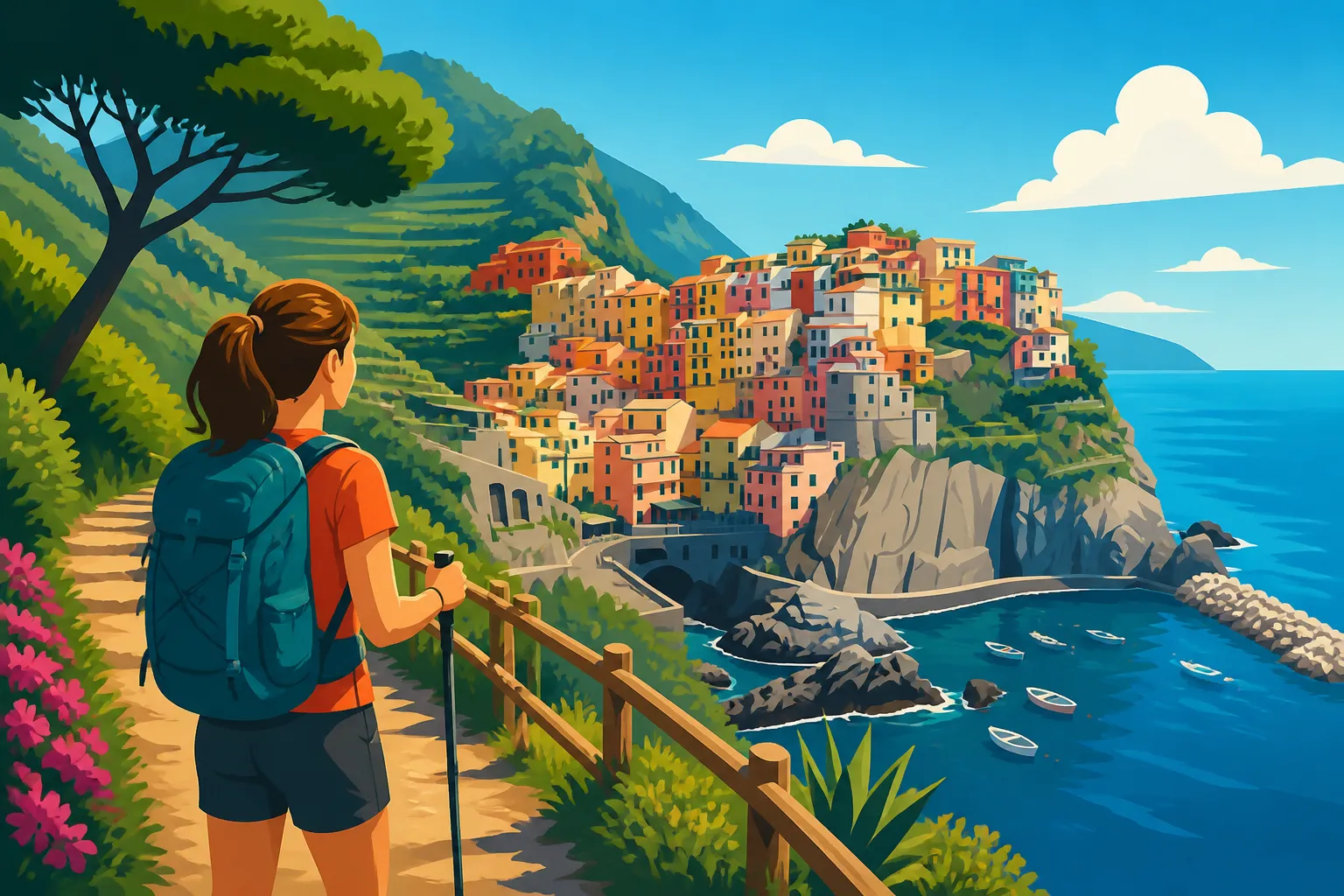
Ah, the Cinque Terre! Just the name conjures images of vibrant cliffside villages, sparkling turquoise waters, and those iconic coastal paths winding through vineyards. It's a dream destination for many, and hiking these trails is often at the top of the list. But let me tell you, as someone who’s lived here long enough to see the crowds swell and the paths crumble, the reality often comes with a dose of Italian bureaucracy and natural unpredictability. This guide is going to cut through the postcard fantasy and give you the real, nitty-gritty details you need to successfully hike the Cinque Terre coastal trails, navigate closures, and find those breathtaking moments without getting lost or frustrated.
Disclosure: This post may contain affiliate links. We may earn a commission at no extra cost to you if you make a purchase through these links. Read full disclosure.
Understanding the Cinque Terre Trail Network: Beyond the "Blue Path"
When most people dream of hiking in the Cinque Terre, they're picturing the "Blue Path," or Sentiero Azzurro. It's the one you see in all the guidebooks, hugging the coastline and connecting all five villages at sea level. But here’s the cold, hard truth: this path is often partially or entirely closed. Nature, as beautiful as it is here, has a way of reminding us who's boss, and landslides are a frequent occurrence. So, while the Sentiero Azzurro is indeed iconic, it’s only one piece of a much larger, and frankly, more rewarding, puzzle.
The Famous Sentiero Azzurro and Its Challenges
The Sentiero Azzurro is comprised of four individual trails connecting the five villages: Riomaggiore to Manarola (the Via dell'Amore), Manarola to Corniglia, Corniglia to Vernazza, and Vernazza to Monterosso al Mare. Each section offers unique views and varying levels of difficulty, though none are particularly strenuous for a regular walker when open. Historically, the entire path could be walked in about 5-6 hours total, not including stops in the villages.
However, the reality in recent years has been persistent closures, especially for the sections between Riomaggiore, Manarola, and Corniglia. The Via dell'Amore, for example, has been mostly closed for over a decade due to a major landslide in 2012, with a small section recently reopening for limited access. These lower, easier paths are particularly vulnerable to erosion and rockfalls. It’s a huge disappointment when you arrive with your heart set on these walks only to find a "Chiuso" sign, but it’s for your safety. Don't be that tourist who ignores the signs – the fines are hefty, and the danger is real. Access to the Sentiero Azzurro generally requires a Cinque Terre Card, which we'll get into later, as it's managed by the National Park.
Alternative Trails: Higher Paths and Hidden Gems
Now, don't despair! The Cinque Terre is crisscrossed by a vast network of hundreds of kilometers of other trails, often referred to as the "higher paths" or "red trails." These routes climb into the terraced vineyards and olive groves above the villages, offering even more dramatic panoramic views, a greater sense of solitude, and a much more challenging hike. These higher trails are generally less prone to closures than their coastal counterparts because they’re less exposed to the sea and landslides, and they’re also far less crowded.
For instance, instead of the Manarola-Corniglia coastal path, you can take a more strenuous but incredibly scenic route via Volastra. This village, perched high above Manarola, is reachable by a local bus (or a very steep climb!). From Volastra, well-marked paths (like Trail 586/587) lead down to Corniglia, offering breathtaking vistas over the entire coastline. Similarly, if the Vernazza-Monterosso coastal path is closed, you can climb higher up through the hills, often along ancient mule tracks, to reach your destination. These paths are what many long-term expats and seasoned hikers truly appreciate, as they offer a glimpse into the Cinque Terre beyond the tourist rush, a chance to see the hard work of the local farmers, and views that will truly make your jaw drop.
Why Trails Close and How to Check Their Status
Trail closures in Cinque Terre are not some bureaucratic whim; they are a direct consequence of the region's precarious geology and weather. The steep, terraced hillsides, while stunning, are inherently unstable. Heavy rains, especially after dry spells, can trigger landslides and mudslides, washing away sections of the path or making them dangerously unstable. The National Park's primary concern is visitor safety, so they don't take closures lightly. Repairing these paths is a monumental task, often requiring specialized engineering and significant time and resources.
Staying updated is crucial. Before you even set foot in the region, make it a habit to check the official website of the Parco Nazionale delle Cinque Terre. This is your most reliable source for real-time trail conditions. When you arrive, pop into the local tourist information offices, which are usually located at the train stations in each village. They'll have the latest updates, often posted on whiteboards. Don't rely solely on what you read on old blogs or forums, as conditions can change literally overnight. It’s frustrating, I know, to plan your day around a specific hike only to find it closed, but accepting this unpredictable reality is part of the Cinque Terre experience.
Planning Your Cinque Terre Hiking Adventure
A successful hiking trip in Cinque Terre isn't just about showing up; it's about smart planning. From timing your visit to packing the right gear, a little foresight goes a long way in turning a potentially frustrating experience into an unforgettable one.
When to Go: Best Seasons and Times to Avoid
Choosing the right time to visit Cinque Terre is paramount to a good hiking experience.
- Spring (April to early June): This is arguably the best time. The weather is generally mild and pleasant, perfect for hiking. The hills are vibrant green, flowers are blooming, and the oppressive summer heat hasn't kicked in yet. Crowds are present but usually manageable, especially if you start your hikes early in the morning.
- Autumn (September to October): Another fantastic window. The summer heat has subsided, the sea is still warm enough for a dip in early autumn, and the vineyards begin to take on beautiful autumnal hues. Crowds start to thin out after the high season, though early September can still be busy. The risk of heavy rains leading to trail closures can increase later in the autumn, so keep an eye on the forecast.
- Summer (Late June to August): Avoid if hiking is your priority. The heat can be brutal, making even the shorter, easier trails feel like an ordeal. The villages are absolutely packed with tourists, and accommodation prices skyrocket. If you must come in summer, plan your hikes for very early morning to beat the heat and the worst of the crowds. Otherwise, focus on enjoying the beaches and sea.
- Winter (November to March): This is the quietest time, with very few tourists. Some trails might close due to winter weather or for maintenance. Many restaurants and hotels in the smaller villages might also be closed. However, if you're looking for solitude and don't mind cooler, potentially rainy weather, it can be a unique experience. Just be prepared for more limited services and trail accessibility. For more on the best times to visit, check out our guide on Seasonal Italy: When to Visit and What's On.
Essential Gear and What to Pack
This isn't a stroll in the park; it's proper hiking, especially on the higher trails. Proper gear makes all the difference.
- Footwear: This is non-negotiable. You must wear sturdy, closed-toe walking shoes or hiking boots with good grip. Flip-flops, sandals, and fashionable sneakers are a recipe for twisted ankles, slips, and angry looks from park rangers (who might even fine you or deny access to certain trails for inappropriate footwear). The paths are uneven, rocky, and can be slippery even when dry. I've seen countless tourists struggling in inadequate shoes, and it just ruins their day.
- Water: Bring plenty. There are water fountains in the villages, but once you're on the trails, especially the higher ones, sources are scarce. Staying hydrated is key, particularly in warmer months.
- Sun Protection: A wide-brimmed hat, sunglasses, and high-SPF sunscreen are essential. Much of the paths are exposed, and the Italian sun can be relentless.
- Layers: Even on a warm day, the weather can change quickly, especially as you gain elevation. A light jacket or a fleece is a good idea.
- Map/GPS: While trails are generally well-marked, having an offline map on your phone or a physical map from the tourist office is a smart move. Don't rely solely on phone signal, as it can be spotty in certain areas.
- Snacks: Pack some energy bars, fruit, or nuts. You'll find plenty of places to eat in the villages, but a quick snack on the trail can be a lifesaver.
- Small First-Aid Kit: Blister plasters, antiseptic wipes, pain relievers. Small cuts and scrapes are common.
Getting There and Getting Around the Villages
The Cinque Terre is carved into a rugged coastline, making traditional car travel a nightmare. Trust me, you do not want to drive here.
- By Train: The train is your absolute best friend. The Cinque Terre Express connects all five villages (and the larger towns of La Spezia and Levanto) frequently and efficiently. It’s the easiest, fastest, and most scenic way to hop between villages. You can grab your train tickets directly at the stations or use convenient apps. For booking train tickets in Italy and exploring routes, platforms like
Omiocan be incredibly helpful for planning your journey and finding the best connections. Check out our guide on How to Buy Trenitalia and Italo Tickets and Save Money for more detailed tips. - Parking: If you arrive by car, you’ll need to park it in La Spezia or Levanto and take the train in. Parking in the Cinque Terre villages themselves is extremely limited, often reserved for residents, expensive, and a source of incredible stress due to the narrow, winding roads and ZTLs (limited traffic zones). Seriously, don't even think about it. If you plan to rent a car for other parts of your Italy trip, ensure you understand What Is a ZTL in Italy and How to Avoid Fines.
- Accommodation: When planning your stay, consider booking accommodation in advance, especially during peak season. Websites like
Booking.comoffer a wide range of options from charming B&Bs to apartments, allowing you to secure your spot in these popular villages. For more advice on where to stay, our article on Accommodation in Italy: Hotels, B&Bs, and Agriturismi might be useful.
Navigating the Trails: Permits, Safety, and Etiquette
Once you've got your gear and your plan, there are a few more vital things to know to ensure a smooth, safe, and respectful hiking experience in this unique national park.
The Cinque Terre Card: What It Is and Why You Need It
Accessing parts of the Sentiero Azzurro (the coastal path) and using the park's bus services requires a Cinque Terre Card. Think of it as your all-in-one ticket to responsible tourism in the area. There are two main types:
- Cinque Terre Trekking Card: This card gives you access to all the paid hiking trails (primarily the Sentiero Azzurro sections that are open), use of the environmental park buses within the villages, and access to Wi-Fi at Park Info Points. It’s typically sold for 1, 2, or 3 days.
- Cinque Terre Treno MS Card: This is the more popular option for most visitors. It includes everything from the Trekking Card, plus unlimited train travel on the Cinque Terre Express line (between La Spezia and Levanto, with stops in all five villages). This is invaluable for combining hiking with village hopping.
You can purchase these cards at any Cinque Terre train station or at the park information offices. Remember, validating your card (if it's a paper ticket) before your first use on the train is crucial, or you could face a hefty fine. The money from these cards goes directly back into maintaining the trails and services, so it's an investment in the park itself.
Staying Safe on the Trails
Safety first, always! Even seemingly easy paths can have tricky sections.
- Trail Markings: The trails are generally well-marked with red and white blazes (for the higher trails) or blue (for the Sentiero Azzurro). Pay attention to these markers. If you haven't seen one in a while, retrace your steps.
- Carry Enough Water: I can't stress this enough. Even short hikes can leave you parched, especially uphill.
- Inform Someone of Your Route: If you're hiking alone, tell your hotel staff or a friend which trail you plan to take and your estimated return time.
- Emergency Numbers: In Italy, the single emergency number is 112. Save it to your phone. If you encounter a serious injury or emergency, don't hesitate to call. For general information about staying safe, consult our guide on Travel Logistics in Italy: Money, Safety, and Connectivity.
- Weather: Check the forecast before you leave. Rain can make paths incredibly slippery and increase the risk of rockfalls. Sudden thunderstorms aren't uncommon, particularly in spring and autumn.
Responsible Hiking and Local Etiquette
The Cinque Terre is a UNESCO World Heritage site and a delicate ecosystem. Your actions have an impact.
- Leave No Trace: Pack out everything you pack in. There are plenty of bins in the villages, so don't litter on the trails. This is a basic rule, but you'd be surprised how many people "forget."
- Stay on Marked Paths: Venturing off-trail can be dangerous for you and damaging to the fragile environment, including the terraced vineyards that are vital to the local economy.
- Respect Private Property: Many trails pass through private vineyards and gardens. Do not pick grapes, olives, or flowers, and respect any fences or gates you encounter.
- Manage Crowds: On the open sections of the Sentiero Azzurro, you'll encounter a lot of people. Be patient, especially on narrow stretches. If you need a moment to take photos, step aside to let others pass. It's just good Italian Customs, Etiquette, and Social Life.
- Consider a Guide: If you're a bit nervous about navigating on your own, or simply want to learn more about the history, flora, and fauna, consider joining a guided hiking tour. Websites like
GetYourGuideoften list various walking tours with experienced local guides who can share insights and ensure you follow the best routes.
Recommended Coastal Trails and Alternatives
Let's get down to the actual trails. Remember, flexibility is key due to potential closures. Always check the current status!
The Open Sections of the Sentiero Azzurro
As of my last check, the most consistently open sections of the Sentiero Azzurro are typically:
- Monterosso al Mare to Vernazza (approx. 3.5 km, 1.5-2 hours, moderate difficulty): This is usually the first section people think of when the "coastal trail" comes to mind. It's a classic for a reason, offering stunning views of the coastline, the open sea, and Vernazza as you descend into the village. Be prepared for quite a few stairs and ascents, especially leaving Monterosso. It's a proper workout but immensely rewarding. You'll pass through olive groves and lemon trees, with plenty of spots for photos.
- Vernazza to Corniglia (approx. 4 km, 1.5-2 hours, moderate difficulty): This path often remains open even when other lower trails are closed. It's another beautiful section, though famously, Corniglia is perched high on a cliff, meaning you'll face a long climb up (the Lardarina staircase with 382 steps!) from the train station if you arrive that way, or a descent if coming from Vernazza. The views looking back at Vernazza and ahead towards Corniglia are iconic.
Please keep in mind that the sections from Riomaggiore to Manarola (Via dell'Amore) and Manarola to Corniglia have been closed for extensive periods. While small parts of the Via dell'Amore have seen limited, ticketed access, do not count on walking these sections.
Higher Routes for Stunning Vistas and Fewer Crowds
When the lower coastal paths are closed, or if you simply prefer a more challenging and secluded experience, the higher trails are your best bet. They are generally free and don't require the Cinque Terre Card.
- Manarola – Volastra – Corniglia (approx. 5.5 km, 2.5-3 hours, challenging): This is a fantastic alternative to the closed lower path. From Manarola, you can take a steep, paved path (Trail 586) or catch a local bus up to the charming hilltop village of Volastra. From there, take Trail 587, which winds through terraced vineyards with truly panoramic views of the sea and the entire coastline stretching out before you. It's mostly flat or downhill from Volastra to Corniglia, but the initial climb to Volastra is strenuous.
- Corniglia – Volastra – Manarola (approx. 5.5 km, 2.5-3 hours, challenging): This is the reverse of the above and is equally stunning. You’ll be treated to incredible views as you climb from Corniglia towards Volastra, then descend into Manarola.
- Monterosso al Mare – Santuario di Nostra Signora di Soviore – Vernazza (approx. 7 km, 3-4 hours, challenging): For a truly immersive and demanding hike, consider this route. From Monterosso, climb up to the ancient Sanctuary of Soviore, one of the oldest in Liguria. The views from here are magnificent. From the sanctuary, various paths descend towards Vernazza, offering a completely different perspective than the direct coastal trail. This path requires good physical fitness and plenty of water.
- Riomaggiore – Santuario di Nostra Signora di Montenero – Portovenere (approx. 12 km, 5-6 hours, very challenging): This is a serious undertaking but offers unparalleled views and ends in the beautiful town of Portovenere (a separate but equally charming destination just south of Cinque Terre, often called the "sixth" village). This path takes you far above the villages and requires careful planning and preparation.
How to Combine Hiking with Village Exploration
The beauty of Cinque Terre is that you don't have to hike every single step. You can mix and match to create your perfect day:
- Hike a section, then train: Start with an early morning hike from Monterosso to Vernazza. Enjoy Vernazza, then take the train to Manarola for lunch. Later, perhaps a bus up to Volastra for the views, and then walk down (or bus back down) to Manarola. This way, you get the best of both worlds without exhausting yourself or missing out on any villages.
- Morning hike, afternoon relax: Tackle a challenging higher path in the morning, then spend your afternoon relaxing at one of the village's small beaches or harbors, enjoying a gelato, or exploring the narrow alleyways.
- Use the Treno MS Card wisely: The unlimited train travel allows you to be flexible. If a trail is closed, or you're tired, or the weather changes, you can simply hop on the next train to your desired destination. This flexibility is what truly makes a trip to the Cinque Terre manageable for an expat who’s seen it all. Don't feel pressured to hike every trail. Enjoy the journey, the villages, and the incredible food the region has to offer. Our guide to Italian Food Culture: Eating Well as a Visitor can give you plenty of ideas for refueling after a long walk!
| Trail Section (Sentiero Azzurro) | Status (General) | Difficulty | Estimated Time | Notes |
|---|---|---|---|---|
| Riomaggiore – Manarola (Via dell'Amore) | Mostly Closed | Easy | 20-30 min | Iconic, paved, very easy, but largely closed since 2012. Limited access section sometimes available. |
| Manarola – Corniglia | Mostly Closed | Easy | 45 min – 1 hr | Paved, relatively flat, beautiful views, but closed for extended periods. |
| Corniglia – Vernazza | Often Open | Moderate | 1.5 – 2 hrs | More challenging with steps, great views of Vernazza. Access requires Cinque Terre Card. |
| Vernazza – Monterosso | Often Open | Moderate | 1.5 – 2 hrs | Most challenging open section with many steps, stunning coastal vistas. Access requires Cinque Terre Card. |
| Alternative (e.g.) Manarola – Volastra – Corniglia | Usually Open | Challenging | 2.5 – 3 hrs | Higher path through vineyards, strenuous climb to Volastra (or bus), panoramic views, free to access. |
Disclaimer
The information provided in this guide is for general informational purposes only and is based on typical conditions and common knowledge for expats and tourists in Italy. Trail conditions in the Cinque Terre can change rapidly due to weather, geological events, and maintenance work. Always consult the official website of the Parco Nazionale delle Cinque Terre and local tourist information offices for the most current and accurate trail status and safety advisories before embarking on any hike. Your safety is paramount.