How to Visit the Aeolian Islands From Sicily
Navigating the logistics of the Aeolian Islands can be an overwhelming task for many travelers, often leading to missed ferries and unnecessary stress at the busy port of Milazzo. This guide provides a clear, step-by-step roadmap for reaching this volcanic archipelago from Sicily, ensuring you master the ferry schedules, port transfers, and island-hopping strategies like a seasoned local.
Disclosure: This post may contain affiliate links. We may earn a commission at no extra cost to you if you make a purchase through these links. Read full disclosure.
Choosing Your Gateway: Departure Ports in Sicily
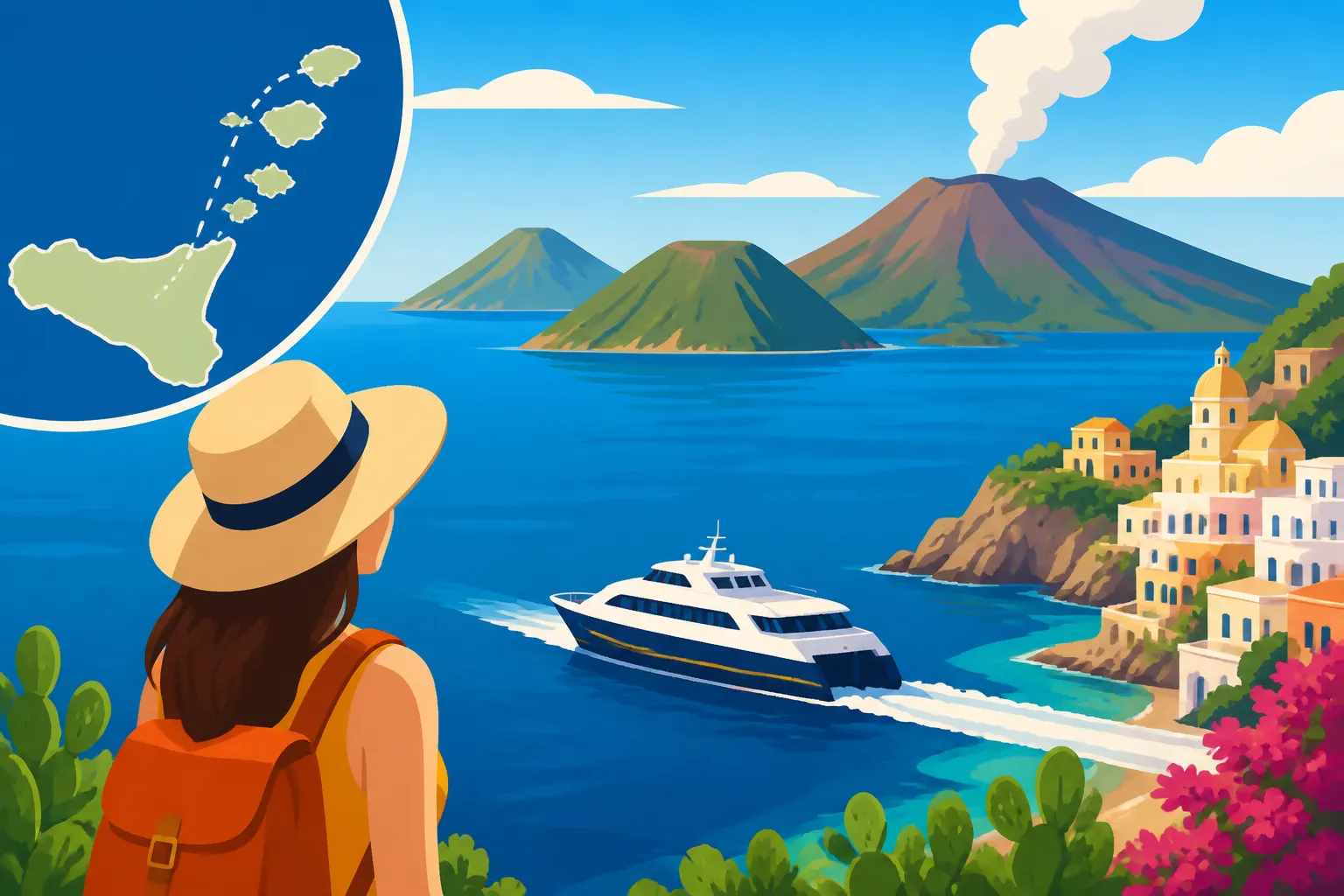
When you decide to visit the Aeolian Islands, the first hurdle is deciding exactly where on the Sicilian coast to board your vessel. While there are several options, your choice will largely depend on your starting point in Sicily and your sensitivity to travel time. For the vast majority of visitors, Milazzo is the definitive answer. Located on the northeastern coast of Sicily, Milazzo serves as the primary hub for the archipelago. It offers the most frequent departures, the shortest travel times, and a wider variety of vessel types. Most people find that staying a night in Milazzo is a practical move if they have an early morning hydrofoil to catch.
Messina is another viable gateway, particularly for those arriving in Sicily via the mainland or by train. While it has fewer departures than Milazzo, it can be a more convenient jumping-off point if you are already staying in the city or coming from Taormina. However, keep in mind that the crossing from Messina is slightly longer. For those based in the western part of the island, Palermo offers a seasonal hydrofoil service. This is a lifesaver for travelers who want to avoid the long drive or train ride across Sicily to Milazzo. If you are planning to spend time in the capital first, you might find this route particularly attractive, although it is more expensive and less frequent.
Cefalù also offers seasonal excursions, usually geared toward day-trippers rather than those moving their entire base to the islands. If you are staying in this picturesque coastal town, a day trip to Lipari and Vulcano is a great way to sample the islands without the logistical burden of moving luggage. To better understand how these coastal connections fit into a broader itinerary, you might want to look into How to Plan a Sicily Road Trip Itinerary to see how to best position yourself before heading to the ports.
Navigating the Waters: Aliscafi vs Traghetti
Once you reach the port, you must choose between two very different types of sea travel: the aliscafo (hydrofoil) and the traghetto (ferry). For most tourists and expats moving between the islands, the aliscafo is the preferred choice. These are fast, sleek vessels that skim the surface of the water. They are significantly quicker than the ferries but come with a few caveats. They are strictly for passengers—no cars allowed—and you are generally confined to the indoor seating area during the journey. If you suffer from sea sickness, be aware that the hydrofoil can feel the chop of the Tyrrhenian Sea more acutely than a larger ship.
The traghetto, operated primarily by companies like Siremar, is a much larger, slower beast. These ships carry cars, trucks, and supplies to the islands. While they take twice as long to reach their destination, they offer a much more scenic and relaxed experience. You can stand on the deck, feel the sea breeze, and watch the islands slowly grow larger on the horizon. This is often the more economical choice and is essential if you are attempting to bring a vehicle—though I highly advise against bringing a car to the smaller islands due to strict local driving restrictions for non-residents.
When planning these connections, using a service like Omio can be incredibly helpful for comparing times and prices across different operators. It allows you to see the full picture of the day's departures in one place, which is much easier than navigating multiple Italian-only websites. Managing your tickets in advance is crucial, especially during the peak months of July and August when seats on the hydrofoils can sell out days in advance. If you find yourself needing to coordinate your arrival at the port with a train journey, it helps to know How to Buy Trenitalia and Italo Tickets and Save Money to keep your transit costs down.
| Vessel Type | Speed | Capacity | Best For |
|---|---|---|---|
| Aliscafo (Hydrofoil) | High (Fast) | Passengers only | Speed and efficiency |
| Traghetto (Ferry) | Low (Slow) | Passengers and Vehicles | Budget and scenic views |
| Private Water Taxi | Very High | Small groups | Privacy and custom routes |
Exploring the Seven Sisters: Which Islands to Visit
The Aeolian archipelago consists of seven distinct islands, each with its own personality and administrative quirks. Lipari is the largest and most populated, acting as the commercial heart of the group. If you are looking for a base with plenty of shops, restaurants, and a bustling evening passeggiata, Lipari is your best bet. It is also the easiest island to reach, with the most frequent connections back to Sicily. While there, finding How to Find Authentic Restaurants in Italy (Not Tourist Traps) will serve you well as the main town can get quite crowded with day-trippers.
Vulcano is famous for its sulfurous mud baths and the hike up to the "Gran Cratere." The moment you step off the boat, you will notice the distinct smell of sulfur, which is just a reminder of the island’s active volcanic nature. It is rugged and raw, offering a very different vibe than its neighbors. Salina, on the other hand, is the greenest of the islands. Known for its capers and Malvasia wine, it is a haven for foodies and those seeking a more sophisticated, laid-back atmosphere. It was also a filming location for the famous movie Il Postino, and the sense of poetic tranquility remains.
For those seeking drama, Stromboli is unparalleled. It is an active volcano that erupts continuously. Watching the "Sciara del Fuoco" (Stream of Fire) from a boat at night is a life-changing experience. You can book these evening excursions through platforms like GetYourGuide, which often bundle the boat ride with a stop in the tiny, chic island of Panarea. Panarea is the smallest and most expensive of the islands, known for its whitewashed houses and high-end nightlife. Finally, for those who truly want to disappear, Alicudi and Filicudi offer a glimpse into a world without cars or noise, where donkeys are still the primary mode of transport. Understanding Southern Italy and the Islands: Sicily, Sardinia, and Beyond can provide more context on how these islands compare to other Italian archipelagos.
Essential Logistics for a Seamless Trip
Getting to the port of Milazzo from Sicily’s major airports—Catania (CTA) or Palermo (PMO)—is the part where most travelers stumble. From Catania, the easiest way to reach Milazzo is via a direct shuttle bus or a private transfer. The "Alibrando" shuttle is a popular choice among expats as it runs directly from the airport to the port. If you prefer the train, you will need to take a bus from the airport to Catania Centrale, then a train to Milazzo, and finally a short taxi or local bus from the Milazzo train station to the port itself. This multi-step process can be exhausting if you have a lot of luggage.
Parking in Milazzo is another consideration if you are driving yourself. You cannot take your rental car onto most of the islands during the summer months without a specific permit, so you will need to leave it in a long-term secure garage near the port. There are several private garages that offer shuttle services to the ferry terminal. I recommend booking your parking in advance to avoid the stress of driving around narrow streets looking for a spot while your ferry departure time looms.
For your stay on the islands, Booking.com is generally the most reliable way to find everything from boutique hotels in Salina to simple apartments in Lipari. Because many of the smaller properties are family-run, they may not have their own sophisticated booking engines, making these aggregators essential. When you arrive at your accommodation, remember that the pace of life is slower here. You might find that What Time Do Italians Eat Lunch and Dinner? is particularly relevant on the islands, where kitchens may close earlier or open later depending on the season and the arrival of the supply ships.
Cultural Nuances and Local Tips
Visiting the Aeolian Islands is as much a cultural experience as it is a geographical one. The "island time" philosophy is very real here. Ferries can be delayed by sea conditions, and local shops often close for several hours in the afternoon for a long pausa. It is important to remain flexible and not over-schedule your days. If a hydrofoil is cancelled due to high winds—a common occurrence even in early summer—don't panic. The locals are used to this, and usually, the larger ferries will still run, albeit on a different schedule.
When interacting with the islanders, a polite greeting goes a long way. Knowing How to Greet People in Italy: Handshake or Kiss? can help you navigate social interactions, though on the islands, a simple "Buongiorno" or "Buonasera" is often enough to break the ice with a shopkeeper or waiter. Safety is generally not a major concern on the islands, as the communities are small and tight-knit, but it is always wise to keep an eye on your belongings in the crowded port areas. Reviewing Staying Safe in Italy: Common-Sense Tips for Travelers is always a good practice before any trip to the south.
Water is a precious commodity on the islands. Most of it is brought in by tanker ships from the mainland. As a visitor, you should be mindful of your water usage. Short showers and turning off the tap while brushing your teeth are small gestures that the locals will appreciate. Additionally, the Italian Regional Cuisine: How Food Changes Across Italy post will explain why the seafood and produce on these islands are so distinct from what you might find on the Sicilian mainland. The volcanic soil gives the grapes and capers a unique mineral quality that you won't find anywhere else in the world.
Practical Advice for New Arrivals
If this is your first time navigating the Sicilian transport system, my biggest piece of advice is to leave more time than you think you need. The road from Catania to Milazzo can have unexpected traffic, and the lines at the ticket offices (biglietteria) at the port can be long. Always have a digital copy of your booking confirmation, but keep a bit of cash on hand for small purchases or tips for luggage porters. Most hydrofoils charge a small fee for each piece of large luggage, which is often paid separately or added to your ticket price.
If you are coming from outside the EU, you might be worried about connectivity. While the main towns have decent mobile signal, it can be spotty when you are out on the water or in the more remote parts of islands like Filicudi. For those who are also planning to visit the mainland, understanding How to Get Around Sicily Without a Car will help you see how the Aeolian leg of your trip fits into the bigger picture of your Italian adventure. The islands are a place to disconnect, so embrace the occasional lack of Wi-Fi as part of the charm.
Finally, keep in mind that the islands are a seasonal destination. From late October to March, many hotels and restaurants close, and the ferry schedule is significantly reduced. The best time to visit is during the "shoulder" months of May, June, and September, when the weather is warm enough for swimming but the crowds of the August Ferragosto rush haven't yet taken over every square inch of the beaches. This allows for a more authentic experience and a chance to truly connect with the spectacular natural beauty of this UNESCO World Heritage site.
Disclaimer
The information provided in this guide is for informational purposes only. Travel schedules, ferry operators, and local regulations in Italy can change frequently and without prior notice. While every effort has been made to ensure the accuracy of this content, readers are encouraged to verify all travel details, including ferry times and port locations, directly with the service providers or local authorities before embarking on their journey. The author and publisher are not responsible for any delays, cancellations, or inconveniences experienced during travel.