How to Find an English-Speaking Doctor in Italy
Waking up with a sharp pain in your side or a fever that won't break is stressful enough, but realizing you don't have the vocabulary to explain your symptoms to a local professional adds a layer of genuine panic. I remember standing in a pharmacy in Florence, desperately trying to mime "sinus infection" to a confused pharmacist who just kept offering me herbal tea. This guide solves the mystery of navigating the Italian medical landscape to find a doctor who speaks your language and understands your concerns.
Disclosure: This post may contain affiliate links. We may earn a commission at no extra cost to you if you make a purchase through these links. Read full disclosure.
Understanding the Italian Medical Landscape for Foreigners
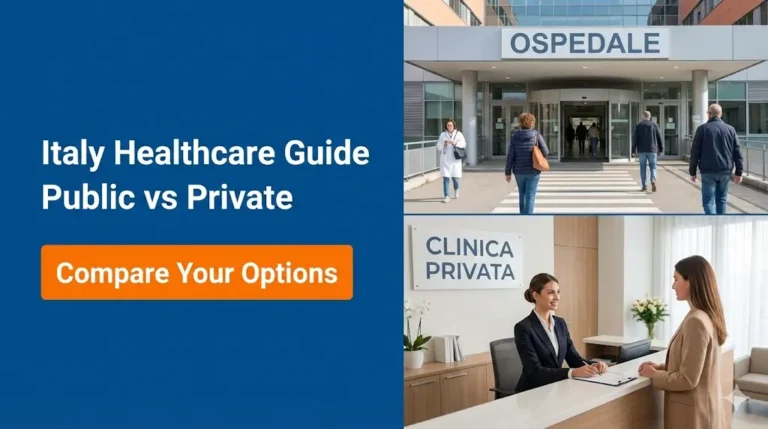
Italy has a world-class healthcare system, consistently ranked among the best by the World Health Organization, but it operates with a heavy dose of local bureaucracy that can feel impenetrable to an outsider. When you are looking for medical help, you generally have two paths: the public system, known as the Servizio Sanitario Nazionale (SSN), and the private sector. The path you choose often dictates how likely you are to find an English-speaking professional.
In the public system, doctors are assigned based on your place of residence. While many younger Italian doctors are highly educated and have spent time abroad, there is no guarantee that your assigned physician will be fluent in English. If you are navigating this as a resident, you will first need to understand How to Register for Italian Healthcare (SSN) as a Foreigner. Once registered, you have the right to choose your practitioner, but the administrative staff at the local health office (ASL) rarely speaks English, making the initial signup a hurdle in itself.
The private sector is where most expats and tourists find immediate relief. Private clinics and hospitals often market specifically to the international community. These facilities prioritize hiring staff with high English proficiency. If you have international coverage through a provider like Cigna Global, you will find that many high-end private clinics in major cities have direct billing agreements with them, which simplifies the process immensely. Private care isn't just about the language; it is about the speed of service and the ability to book an appointment within 24 to 48 hours rather than weeks.
Top Digital Tools for Finding English-Speaking Doctors
We are lucky to live in an era where digital platforms have bridged the gap between patients and practitioners. In Italy, several websites and apps have become the gold standard for booking medical appointments. These tools allow you to filter results specifically by language, which is a lifesaver when you are too ill to spend hours on the phone.
The most popular platform is MioDottore. It functions similarly to Zocdoc in the United States or Doctolib in France. When you land on the homepage, you can enter the specialty you need—such as "medico di base" (GP) or "dermatologo"—and your city. On the results page, use the filters on the left-hand side to select "Inglese" under the language section. You can read reviews from other patients, see the doctor's availability in real-time, and book your slot without ever having to speak Italian.
Another excellent resource is Dottori.it. It operates in much the same way and is particularly useful for finding specialists. For those who are in the country temporarily or working remotely, having a plan like SafetyWing can be incredibly helpful, as they often provide resources or guidance on where to find vetted, English-speaking professionals in their network. Using these apps removes the "cold calling" aspect of Italian bureaucracy, which I found to be the most exhausting part of being a new expat.
| Resource Type | Best For | Typical Language Level |
|---|---|---|
| MioDottore App | Booking private specialists | High (Filterable) |
| Public ASL Office | Long-term residents (SSN) | Variable (Often low) |
| International Clinics | Tourists and new expats | Very High |
| University Hospitals | Complex medical issues | Moderate to High |
| Pharmacies (Farmacia) | Minor ailments and advice | Moderate |
Navigating the Public System and the Medico di Base
If you are living in Italy long-term, you will eventually want to enter the public system to avoid paying out-of-pocket for every visit. This involves Registering with an Italian Family Doctor (Medico di Base). This doctor is your gatekeeper to the rest of the medical system. If you need a blood test, an X-ray, or a specialist, your family doctor must write a "ricetta" (prescription or referral).
When you go to the ASL to choose your doctor, you can ask for a list of practitioners in your neighborhood. Sometimes, the clerk might know which doctors speak English, but don't count on it. A better strategy is to join local expat groups on social media and ask for recommendations in your specific "zona." Once you have a name, check their profile on MioDottore to confirm their language skills before you officially commit to them at the ASL office.
If you find that your assigned doctor's English is limited, don't despair. Many expats use Medical Translation and Interpretation Services or simply bring a bilingual friend to the first appointment. Over time, as you become a regular patient, you and your doctor will develop a shorthand. However, for those first few critical visits where you are explaining a complex history, finding that English-speaking GP is worth the extra research. For more specialized needs, you might eventually need to learn How to Get a Referral to a Specialist Doctor through the public system, which requires a specific set of steps and a bit of patience with the "CUP" booking system.
Specialized International Clinics in Major Cities
If you are in a major hub like Rome, Milan, or Florence, you have access to dedicated international medical centers. These clinics are designed specifically for the foreign community, and English is the primary language of communication for everyone from the receptionist to the surgeon.
In Rome, the Salvator Mundi International Hospital is a favorite among the diplomatic and expat community. They offer a full range of services and have a dedicated international office to help with insurance claims. Similarly, MedInAction is a great service that provides on-demand, English-speaking doctors who can even come to your home or hotel. For those in Milan, the Milan Medical Center is a multi-specialty clinic where English is standard. These facilities are often more expensive, but the peace of mind they offer is priceless.
For visitors or digital nomads who are not part of the SSN, having a reliable insurance provider is essential. Brands like SafetyWing are specifically tailored for this demographic, providing coverage that allows you to use these private international clinics without worrying about the bill. If you are a resident, check if your employer-provided insurance or a private policy like Cigna Global covers these specific international centers, as they are often classified as "premium" providers. Knowing Where to Find English-Speaking Doctors and Clinics in your specific city before you get sick is a key part of your "settling in" checklist.
Pharmacies and After-Hours Care
In Italy, the "farmacia" is much more than just a place to pick up medicine; it is a primary healthcare hub. Italian pharmacists are highly trained and can often provide advice for minor illnesses that would require a doctor's visit in other countries. If you have a mild cough, a skin rash, or a digestive issue, head to the nearest pharmacy. While not all pharmacists speak perfect English, those in city centers are usually quite proficient.
If you have an urgent but non-life-threatening issue at night or on the weekend, you should look for the Guardia Medica. This is the after-hours medical service. It is free for residents and available for a small fee for tourists. Again, language can be a barrier here, as the doctors on duty are assigned randomly. If you find yourself in a situation where communication is impossible, you can use a translation app or look for 24-Hour Pharmacies and How They Work in Italy to see if the pharmacist on duty can help bridge the gap.
For true emergencies, the protocol is different. You should know Emergency Medical Numbers in Italy (112, 118, 1500) and be prepared to head to the "Pronto Soccorso" (Emergency Room). In large city hospitals, there is usually someone on staff who speaks English, especially in the triage area. However, it is always a good idea to have your basic medical history written down in Italian just in case.
Managing Prescriptions and Long-Term Care
If you are moving to Italy with a pre-existing condition, finding an English-speaking doctor should be your first priority. You will need someone who can translate your foreign prescriptions into the Italian equivalent. Not all medications have the same names in Italy, and some may require a different dosage or a specific type of specialist approval.
You should read up on Bringing Prescription Medications into Italy to understand the rules for what you can carry across the border. Once you are here, your English-speaking GP can help you navigate the Prescription Refill Process for Long-Term Medications. If you are using a private doctor, they can write a "ricetta bianca" (white prescription), which you take to the pharmacy and pay for in full. If you are in the SSN, your doctor writes a "ricetta rossa" or electronic prescription, which allows you to get the medication at a subsidized rate.
For those with private insurance like Cigna Global, managing chronic care is often smoother because you can remain within a network of private specialists who maintain your records in English. This continuity of care is vital for mental health, where nuance in language is everything. If you are seeking emotional support, you may want to specifically look into Mental Health Support in Italy: Resources for Expats to find therapists who are native English speakers or highly fluent.
Tips for Your First Appointment
When you finally secure that appointment with an English-speaking doctor, come prepared. Italian medical culture can be a bit more formal than what you might be used to in the US or UK. Doctors are highly respected and usually prefer a direct, concise explanation of symptoms.
Bring any previous medical records, ideally translated, and a list of current medications. If you are using a private clinic, have your insurance card ready. If you have a policy like SafetyWing, make sure you know whether you need to pay upfront and claim later or if they offer a direct-pay option for that specific clinic.
Don't be afraid to ask the doctor to write down the diagnosis and the instructions for any medication. Italian handwriting is notoriously difficult to read, and having the terms written in block letters will help the pharmacist give you exactly what you need. Most English-speaking doctors in Italy are used to the anxieties of the expat community and will be happy to explain the Differences between Public and Private Healthcare in Italy if you are confused about the next steps in your treatment.
Disclaimer
This article is intended for informational purposes only and does not constitute professional medical advice, diagnosis, or treatment. Always seek the advice of your physician or another qualified health provider with any questions you may have regarding a medical condition. The healthcare landscape in Italy is subject to regional variations and frequent legislative changes; therefore, it is essential to verify current regulations with local authorities or your insurance provider. Regardless of the information provided here, in the event of a medical emergency, you should immediately contact the Italian emergency services by dialing 112.