Nightlife, Music, and Entertainment in Italy
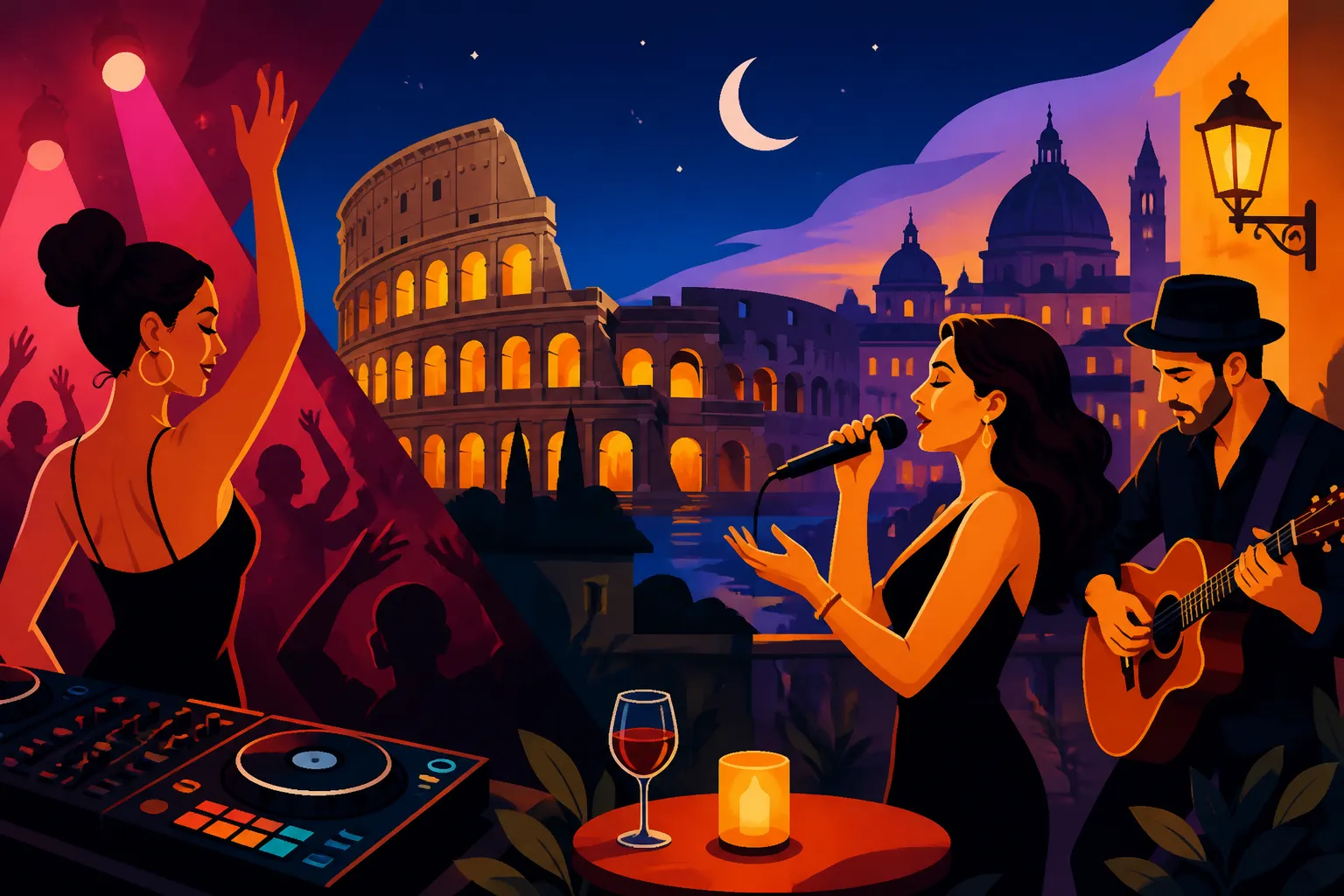
Arriving in Italy with visions of vibrant late-night music, bustling piazzas, and world-class theatrical performances is common for newcomers, but navigating the actual evening landscape often presents an unexpected learning curve. From late-night opening schedules and obscure venue membership cards to confusing transportation options after midnight, the local culture can feel challenging to decode. This detailed guide breaks down every aspect of Italian nightlife, music, and social entertainment to help you step out with confidence.
Disclosure: This post may contain affiliate links. We may earn a commission at no extra cost to you if you make a purchase through these links. Read full disclosure.
The Anatomy of an Italian Evening: Understanding the Cultural Rhythm
The Transition from Aperitivo to Late Night
The Italian night does not begin with a sudden rush to a crowded bar; it evolves gradually through a series of carefully timed social rituals. The evening almost always starts with the traditional pre-dinner drink, a custom thoroughly detailed in Aperitivo in Italy: The Pre-Dinner Ritual Explained. Between six and nine in the evening, locals gather at neighborhood bars to unwind after work, sip a refreshing drink, and enjoy light snacks ranging from simple bowls of olives to elaborate buffet spreads known as apericena.
For foreigners unaccustomed to this schedule, the aperitivo hour can easily be mistaken for the main event. In reality, it serves as the foundation for the entire night, offering a low-pressure environment to catch up with friends, observe local life, and build up an appetite for a late dinner. Skipping this step often leaves visitors wandering through empty venue districts, wondering why the streets feel quiet before nine in the evening.
Once dinner concludes around ten or ten-thirty, the night shifts into its second phase. Groups move away from restaurants and migrate toward central public squares or specialized lounge bars. This intermediate period allows people to digest, enjoy a digestivo or espresso, and decide where the rest of the night will lead. Understanding this gradual escalation is crucial for anyone trying to sync with the authentic flow of Italian evening culture.
Time Schedules and What Opens When
One of the most persistent frustrations for newcomers in Italy is misjudging the operational hours of nightlife venues. If you attempt to arrive at a dance club at eleven in the evening, you will likely find closed doors, staff setting up equipment, or an entirely empty dance floor. In most Italian towns and cities, clubs and late-night venues do not see meaningful crowds until well past midnight, with peak activity occurring between two and four in the morning.
Bar culture follows a similarly staggered timetable. Standard neighborhood cafes often close early, while specialized cocktail lounges and “disco pubs”—hybrids between a casual bar and a small dance club—stay open until two or three in the morning. Live music venues usually schedule their main acts for ten-thirty or eleven at night, allowing patrons sufficient time to finish dinner before the show begins.
Understanding these timelines prevents wasted journeys and awkward entries. To explore broader urban trends across the peninsula, read Nightlife in Italy: Cities That Stay Up Late to see how specific regions adjust their operating hours depending on the season and local lifestyle traditions. Planning your night around these established schedules ensures you encounter venues at their most energetic.
Deciphering the Concept of La Bella Figura at Night
The Italian social philosophy of la bella figura—presenting oneself well through good manners, stylish attire, and composed behavior—is exceptionally visible after dark. Nightlife environments are not seen merely as spaces to let loose, but as stages for social presentation. What you wear and how you conduct yourself directly influences how venue staff treat you and how seamlessly you blend into the local crowd.
While dress codes vary depending on the venue type, casual wear that works in daytime contexts might not be welcomed at upscale cocktail lounges or exclusive clubs. Bouncers routinely enforce unwritten aesthetic standards, turning away guests wearing overly athletic attire, flip-flops, or unkempt clothes. Paying attention to personal styling is essential if you want to avoid uncomfortable rejections at the door. For deeper insights into social etiquette and visual presentation, consult Dress Codes and Bella Figura in Italy.
Beyond clothing, la bella figura governs social interactions within crowded venues. Over-intoxication is widely looked down upon, and public rowdiness often draws immediate disapproval from both venue operators and fellow patrons. Enjoying drinks in moderation while maintaining a polished demeanor allows you to navigate even the most exclusive venues across Italy without friction.
| Entertainment Type | Typical Start Time | Typical End Time | Common Dress Code / Access Style |
|---|---|---|---|
| Aperitivo Bar | 18:30 | 21:00 | Smart Casual |
| Cocktail Lounge / Pub | 21:30 | 02:00 | Smart Casual to Elegant |
| Live Music / Jazz Club | 21:00 / 22:00 | 01:30 | Casual / Smart Casual (Membership) |
| Nightclub / Discoteca | 00:30 | 05:00 | Trendy / Formal (Strict door control) |
| Cultural / Opera Event | 19:00 / 20:00 | 22:30 | Formal / Semi-Formal |
Italy’s Live Music Scene: From Opera Houses to Underground Clubs
Historic Opera Houses and Classical Performances
Italy’s contribution to classical music and opera is unmatched globally, and attending a live performance in a historic theater remains one of the country’s premiere cultural experiences. Legendary venues such as Teatro alla Scala in Milan, Teatro La Fenice in Venice, and Teatro di San Carlo in Naples offer world-class opera, ballet, and symphonic concerts in breathtaking architectural settings. Securing seats at these institutions requires advance preparation, as tickets for major productions sell out months ahead.
Navigating the etiquette of Italian opera houses can feel intimidating to first-time visitors. Formal dress is expected, particularly on opening nights or for premium seating in the stalls (platea) and lower boxes (palchi). Arriving late often means being denied entry until the first interval, so punctuality is strictly enforced. For a detailed breakdown of historic theaters and booking strategies, explore Opera in Italy: Where to See a Performance.
For a convenient way to combine a night at the opera with an educational overview of the venue’s history, travelers often use GetYourGuide to reserve guided back-stage tours and bundled performance packages. These combined tickets help demystify the experience while ensuring you secure valid admission to sought-after auditoriums.
Contemporary Live Music Venues and Concert Halls
Beyond classical traditions, Italy boasts a dynamic contemporary live music ecosystem. International touring acts, prominent Italian pop stars, and indie bands regularly perform at modern arenas, civic centers, and converted industrial halls. Major cities host dedicated auditoriums designed for acoustic excellence, such as the Auditorium Parco della Musica in Rome, which features multiple concert halls and an open-air amphitheater.
Finding smaller, independent gig spaces requires a bit of local digging. Independent venues often showcase local rock, indie, electronic, and hip-hop acts, catering to a dedicated audience of music enthusiasts. To keep track of upcoming tours and festival schedules across different regions, check Live Music and Concerts in Italy: How to Find Events for practical tracking tools and ticketing tips.
Attending live shows in these spaces offers a unique glimpse into contemporary Italian youth culture. Audiences are passionate and vocal, often singing along to every word of local artists’ repertoires. The atmosphere at contemporary concerts is welcoming and energetic, making it an excellent way for expats to connect with local culture outside traditional tourist settings.
Jazz Clubs and Intimate Acoustic Spaces
Jazz holds a cherished place in Italian nightlife, with almost every major city harboring hidden jazz basements, intimate lounges, and specialized listening rooms. These venues prioritize high-quality sound, artistic experimentation, and a relaxed, sophisticated ambiance. Places like Blue Note in Milan have earned international acclaim, attracting legendary global performers alongside top-tier Italian jazz musicians.
In smaller intimate venues, the line between audience and performer often blurs. Guests sit closely packed at small tables, enjoying fine wines or crafted cocktails while listening to acoustic sessions. Many of these clubs function as private cultural associations, requiring a quick registration process at the door, which is standard practice across the country.
Visiting a local jazz lounge provides a peaceful alternative to loud dance clubs or busy street bars. The clientele tends to be a mix of dedicated music aficionados, creative professionals, and international residents. It is an ideal setting for conversation, fine drinks, and exceptional live talent.
TYPICAL NIGHT OUT TIMELINE IN ITALY
18:30 – 21:00 : Aperitivo in local piazzas / neighborhood bars
21:00 – 23:00 : Traditional late dinner at a trattoria or pizzeria
23:00 – 00:30 : Post-dinner drinks at a cocktail lounge or pub
00:30 – 04:30 : Nightclub (Discoteca) or live music performance
Clubbing, Electronic Music, and Nightclubs Across Italy
Summer Beach Clubs and Riviera Nightlife
During the warm summer months, the focus of Italian nightlife shifts dramatically away from hot urban centers toward the coastlines. Coastal stretches such as the Romagna Riviera (around Rimini and Riccione), the Tuscan coast, Puglia’s Salento peninsula, and the island of Sardinia become global epicenter for electronic music and open-air party venues. Massive open-air clubs, known locally as discoteche all’aperto, operate under the stars surrounded by lush Mediterranean landscapes.
Beach clubs (stabilimenti balneari) frequently transition from daytime sunbathing hubs into evening party spots. Around seven in the evening, beachgoers swap their swimwear for stylish evening attire as DJs take over the decks for sunset sessions. These beachside gatherings often extend well into the night, combining ocean breezes, high-end production, and international DJ lineups.
Planning a trip to coastal nightlife zones requires careful consideration of accommodation and transport. During peak summer weeks, coastal towns fill up quickly, making early reservations via Booking.com essential if you want to stay within walking distance of the primary entertainment strips. Relying on last-minute bookings during peak holiday periods often results in long commutes from distant inland villages.
Urban Techno and Electronic Culture in the North
When the weather turns cooler, the country’s electronic music focus moves back indoors, centered primarily in northern industrial hubs. Cities like Milan, Turin, and Bologna have developed serious, underground electronic music scenes that rival those of major central European capitals. Renowned techno clubs, warehouse venues, and avant-garde art collectives stage weekly events featuring cutting-edge selectors and visual artists.
Unlike the high-glamour, bottle-service establishments found in fashion districts, these underground electronic clubs focus squarely on sound quality, inclusivity, and musical curation. The crowds are music-focused, dress codes are generally casual or alternative, and photography on the dance floor is often discouraged to preserve an immersive atmosphere.
Exploring northern electronic culture offers an exciting counter-narrative to the stereotype that Italian nightlife consists solely of luxury lounges or traditional bars. It highlights a thriving, youth-driven subculture that values artistic innovation, subterranean sound design, and international community building.
Membership Cards and Club Entry Bureaucracy
A frequently confusing aspect of nightlife for foreign visitors is encountering venues that operate as private cultural associations (associazioni culturali). Rather than holding a standard commercial nightclub license, many small live music venues, underground dance clubs, and cultural spaces operate under association frameworks like ARCI or independent local networks.
To enter these venues, visitors must purchase a membership card (tessera) and register their personal details. Key points to remember about this process include:
- Registration must often be completed online at least 24 hours prior to attending the event.
- The membership card is usually valid for a full calendar year across participating venues.
- A nominal fee is charged upon your initial registration or card issuance.
- You must present a valid physical photo ID alongside your membership card at the door.
- Cards are personal and non-transferable; every individual in your group needs their own card.
Attempting to register at the door during a busy event is frequently rejected due to strict legal regulations governing these non-profit cultural spaces. Taking a few minutes to research whether a venue requires a tessera beforehand saves you from being turned away at the entrance.
Regional Nightlife Landscapes: Comparing Major Italian Cities
Milan: High Fashion, Sleek Lounges, and Electronic Hubs
As Italy’s financial and fashion capital, Milan offers a polished, cosmopolitan evening experience. The city’s nightlife caters heavily to image-conscious locals, international professionals, and design students. Key nightlife districts each offer a distinct character:
- Navigli and Darsena: Famous for historic canal-side bars, vibrant outdoor seating, and an energetic, student-friendly atmosphere.
- Brera: Elegant, upscale neighborhood filled with sophisticated wine bars, art galleries, and refined cocktail lounges.
- Isola: A trendy, modernized district known for alternative craft beer bars, jazz clubs, and stylish post-industrial venues.
- Corso Como and Porta Garibaldi: High-glamour clubbing district featuring high-end venues, exclusive door policies, and celebrity sightings.
Milan’s cocktail culture is exceptionally refined, with expert mixologists crafting innovative drinks using top-shelf spirits and local liqueurs. For those interested in late-night dancing, the city provides everything from multi-story commercial dance venues to exclusive private clubs. To explore safety guidelines while enjoying the city after dark, refer to Staying Safe in Italy: Common-Sense Tips for Travelers.
Navigating Milan late at night is relatively easy compared to other Italian cities, thanks to a functional night bus network and readily available ride-hailing services. However, entry prices and drink costs in Milan are generally higher than anywhere else in the country, so budgeting accordingly is wise.
Rome: Historic Piazza Gatherings and Rooftop Culture
Nightlife in the Eternal City is deeply tied to its magnificent architecture and temperate climate. Rather than spending the entire night inside enclosed venues, Romans naturally gravitate toward open-air piazzas, fountain steps, and panoramic rooftop terraces overlooking ancient monuments. The experience is atmospheric, casual, and focused on outdoor socializing.
Key areas to explore in Rome after dark include:
- Trastevere: Winding medieval alleys packed with bustling trattorias, craft beer pubs, and street performers.
- Campo de’ Fiori: A lively central square that transitions from a morning market into a high-energy nightlife hub for international travelers.
- San Lorenzo: The historic university district, offering affordable drink options, gritty street art, and an alternative indie vibe.
- Testaccio: The traditional home of Rome’s late-night clubbing scene, where venues are built directly into the base of Mount Testaccio.
To make the most of an evening in the capital, consult How to Experience a Night Out in Rome Safely for local transit advice and neighborhood navigation. For stunning views over illuminated domes, read How to Find Rooftop Bars in Italian Cities.
Public transport in Rome grows sparse after midnight, making taxis the primary method of returning to your lodging. Understanding designated taxi stands and app-based booking tools prevents long waits on empty street corners.
Florence, Bologna, and Southern Nightlife Dynamics
Outside the two largest metropolises, regional cities offer distinct nightlife flavors rooted in local history and demographics. Florence features a compact, walkable center filled with historic wine windows (buchette del vino), cozy cocktail dens, and student-friendly dance spots. However, strict local noise ordinances mean indoor venues must keep doors closed late at night to protect historical neighborhoods.
Bologna, home to the world’s oldest university, boasts one of the most vibrant, affordable, and politically engaged nightlife cultures in Europe. Its ancient porticoes shelter thousands of students gathering in Piazza Verdi or inside social centers (centri sociali) that host indie gigs, film screenings, and political debates. The energy here is informal, creative, and remarkably welcoming to newcomers.
Further south, in cities like Naples, Palermo, and Catania, nightlife takes place almost entirely on the street. In Naples, the area surrounding Piazza Bellini and the Spanish Quarter comes alive late at night with people buying inexpensive drinks from small shopfronts (bassi) and mingling under the stars. The southern approach to entertainment is passionate, spontaneous, and intimately connected to local street food traditions.
Festivals, Outdoor Events, and Seasonal Entertainment
Summer Open-Air Festivals and Arena Shows
When summer arrives, Italy transforms into a massive stage for open-air music festivals spanning every conceivable genre. Historic Roman amphitheaters, medieval castle courtyards, and scenic city squares serve as backdrops for world-class musical events. These gatherings offer an unforgettable synthesis of ancient surroundings and modern sound engineering.
Some of the country’s most celebrated summer music events include:
- Arena di Verona Opera Festival: Legendary outdoor opera performances held inside a pristine 1st-century Roman amphitheater.
- Lucca Summer Festival: Iconic pop and rock concerts held within the historic city walls of Lucca in Tuscany.
- Umbria Jazz Festival: A world-renowned jazz celebration that fills the medieval streets and halls of Perugia every July.
- Kappa FuturFestival: A massive outdoor electronic music gathering hosted in Turin’s post-industrial Parco Dora.
Traveling between cities to attend these major festivals is straightforward using Italy’s extensive transport network. Utilizing Omio allows you to easily compare schedules and buy tickets for trains and regional buses, ensuring you reach festival grounds without transportation headaches.
Attending an open-air event in the height of summer requires basic physical preparation. Temperatures remain high well into the evening, so staying hydrated, wearing breathable clothing, and checking venue entry policies regarding bags and liquids is essential.
Cultural Festivals, Theater, and Cinema Under the Stars
Beyond music, Italy’s summer calendar is filled with theatrical productions, dance showcases, and open-air cinema initiatives (cinema all’aperto). Municipalities across the country set up large projection screens in public squares, park grounds, and courtyard museums, screening classic Italian films alongside recent international releases.
These open-air film screenings provide an exceptionally relaxing evening activity, particularly on warm summer nights. Tickets are usually inexpensive, and many screenings feature films in their original language with Italian subtitles. It offers a peaceful way to experience local civic life alongside families, students, and elderly residents.
Theater enthusiasts can also attend classic Roman or Greek dramatic performances held in ancient archaeological sites, such as the Greek Theater of Syracuse in Sicily or the Roman Theater in Fiesole near Florence. Sitting on ancient stone steps while watching timeless drama unfolds as the sun sets is one of the most memorable cultural experiences available in Italy.
Local Sagre and Piazza Street Parties
For an authentic taste of rural and small-town Italian entertainment, nothing compares to attending a local sagra. A sagra is a traditional community festival centered around a specific local food product, wine harvest, or historical anniversary. These events take place throughout the year, peaking during summer and autumn across every region.
At a typical sagra, long wooden communal tables are set up in the main square or athletic field. Visitors line up to purchase tickets for local culinary specialties cooked by neighborhood volunteers, accompanied by local wines served in simple carafes. As dinner winds down, live folk bands or ballroom orchestras (orchestre di liscio) take the stage, inspiring dancing that lasts until midnight.
Participating in a sagra offers a warm, unpretentious window into genuine Italian community life. Language barriers melt away quickly over shared tables, local food, and communal celebration. Seeking out these festivals in neighboring villages provides a wonderful contrast to commercial urban nightlife.
| City / Region | Primary Vibe | Key Districts | Top Transport Tip After Midnight |
|---|---|---|---|
| Milan | Sleek / Trendy | Navigli, Isola | Night buses (N lines) & Taxi apps |
| Rome | Historic / Piazza | Trastevere, Testaccio | Official taxi stands only |
| Bologna | Student / Indie | Piazza Verdi, Pratello | Highly walkable inner city center |
| Naples | Energetic / Street | Piazza Bellini | Limited late transit; pre-arrange rides |
| Romagna Riviera | Summer Beach Clubs | Rimini, Riccione | Shuttle buses (Shuttle Disco) |
Navigating Logistics, Tickets, Safety, and Transportation
Buying Tickets and Avoiding Scams
Securing admission to popular nightlife events, concerts, and club nights in Italy requires familiarity with local ticketing practices. For major concerts, theater performances, and cultural events, official primary ticketing platforms dominate the market. Buying tickets directly through authorized vendors prevents the risk of purchasing fraudulent or overpriced entry passes.
When dealing with popular nightclubs or special DJ events, venues often utilize digital guest list systems or advance ticket platforms (prevendite). Securing an advance ticket online guarantees entry and often includes a complimentary drink token (consumazione). Key tips for smooth ticket purchasing include:
- Always carry a digital or printed copy of your ticket barcode.
- Ensure the name on the ticket matches your official identification card.
- Keep drink tokens secure; losing them often means paying full price at the bar.
- Avoid buying tickets from unauthorized street resellers outside venue gates.
If you plan to incorporate high-demand entertainment into a tight travel itinerary, using platforms like GetYourGuide to lock in verified entry tickets and guided night experiences helps ensure you avoid fake sellers and long queues.
Getting Home Safely: Night Transport, Taxis, and Apps
Reaching your accommodation safely after a night out is a critical consideration in Italian cities, where public transit schedules reduce significantly after midnight. While daytime transport is dense and efficient, nighttime options require strategic planning.
To navigate transit options effectively, review Getting Around Italian Cities: Metro, Tram, and Buses for comprehensive network overviews. When transit ceases operation, taxis become the primary option:
- Hail Rules: In Italy, taxis cannot be hailed directly from the street; you must locate an official taxi stand (posteggio taxi) or call one via phone/app.
- App Services: Specialized ride-hailing apps operate effectively in major metropolitan areas, providing clear fare estimates and driver tracking.
- Official Vehicles: Always ensure you enter a licensed white taxi equipped with a functional meter (tassametro).
- Night Surcharges: Official taxis apply a standardized night surcharge to the meter fare, which is legal and standard practice.
For travelers taking late-night regional journeys between nearby towns or returning from out-of-town venues, booking overnight coaches or early morning rail links via Omio offers a predictable way to travel without incurring expensive long-distance taxi charges.
If you are planning late returns from regional excursions, consider taking High-Speed Trains in Italy: Trenitalia, Italo, Routes, and Savings during early evening hours to return to your primary base city before local transport stops operating. Alternatively, if you are making late trips from central hubs, explore ideas from Best Day Trips From Rome by Train to understand how regional rail schedules align with evening returns.
Local Regulations, ZTLs, and Nighttime Safety
Understanding local laws regarding street drinking, noise restrictions, and driving limitations prevents unnecessary fines during a night out. Municipalities across Italy enforce strict public order regulations (ordinanze del sindaco) designed to preserve residential tranquility and historic monuments.
Important legal considerations for late-night socializing include:
- ZTL Restrictions: Limited Traffic Zones (Zona a Traffico Limitato) are strictly enforced at night in historic city centers. Driving an unauthorized or rental car into these zones results in automatic heavy fines recorded by traffic cameras.
- Glass Bottle Bans: Many cities prohibit the sale of drinks in glass bottles after a certain hour at night; drinks served at outdoor stalls are transferred to recyclable cups.
- Monument Respect: Sitting on historic fountains, eating food on church steps, or climbing urban structures carries severe civil fines.
- BAC Limits: Italy enforces a strict blood alcohol limit for drivers (0.0 grams per liter for drivers under 21 and new license holders; 0.5 g/l for experienced drivers). Spot checks by local police (Carabinieri) are frequent on major nightlife routes.
By keeping these straightforward regulations in mind and respecting the historic environments around you, you can enjoy everything Italy’s evening culture has to offer safely and smoothly.
Overview of Italian Nightlife Options and Characteristics
Key Characteristics of Entertainment Venues
To help you choose the right night out, the following breakdown contrasts the main nightlife options available across Italy, outlining their target atmospheres, access policies, and expectations.
| Venue Type | Primary Musical / Social Focus | Access Requirements | Typical Crowd & Atmosphere |
|---|---|---|---|
| Historic Opera House | Classical, Opera, Ballet | Advance ticket, strict dress code | Cultured, formal, elegant |
| Cocktail Lounge | Ambient sound, mixology | Free entry / Smart dress | Professionals, chic, relaxed |
| Cultural Association | Underground, Indie, Jazz | Annual membership card (Tessera) | Alternative, creative, local |
| Commercial Nightclub | Mainstream, Pop, House | Cover charge + drink token | Young, energetic, fashion-focused |
| Piazza Gathering | Casual street socializing | Free public access | Diverse, open-air, spontaneous |
Budgeting and Hidden Nightlife Costs
Navigating evening expenses in Italy requires understanding how venues structure their pricing. Unlike in some countries where entry fees and drink costs are completely separate, Italian clubs frequently operate on an inclusive cover charge model (ingresso con consumazione).
Common pricing nuances to anticipate include:
- Cover Charges: Club entry fees usually include one alcoholic beverage. You will receive a small paper token at the door, which you present to the bartender.
- Coat Check (Guardaroba): Mandatory or strongly encouraged at winter clubs, usually requiring a small cash fee per item.
- Table Reservations (Tavoli): Reserving a VIP table includes bottle service, with cost minimums split among your group, offering entry without standing in general lines.
- Coperto: When enjoying sit-down late-night dining or drinks at outdoor tables (al tavolo), a small cover charge per person is added to the bill, whereas standing at the counter (al banco) is less expensive.
Factoring these small additional expenses into your evening budget ensures there are no surprises when the check arrives, allowing you to focus entirely on enjoying your night out in Italy.
Disclaimer
This article is for general informational purposes only and does not constitute professional advice. Laws, prices and regulations vary by location and change over time. Consult a qualified professional for guidance on your specific situation.