Wine Tasting in Italy: Cantine and Enoteche
Oh, my friends, if you've ever dreamt of truly experiencing Italy, you simply must dive into its wine culture. It's so much more than just a drink; it's history, family, passion, and the very soul of the land in a glass. Many visitors feel a bit lost, wondering how to move beyond a quick sip in a tourist trap to discover the authentic heart of Italian winemaking. This guide is for you – we'll unravel the mysteries of cantine and enoteche, helping you savor Italy's liquid gold like a true insider.
Disclosure: This post may contain affiliate links. We may earn a commission at no extra cost to you if you make a purchase through these links. Read full disclosure.
Understanding Italy's Wine Culture: Beyond the Bottle
When you arrive in Italy, you quickly realize that wine isn't just an alcoholic beverage; it's a fundamental pillar of daily life, deeply woven into the fabric of society, history, and even geography. It’s a part of every meal, every celebration, and countless quiet moments of reflection. For an expat like me, learning to appreciate this connection was a huge step in truly feeling at home. It’s a whole different ballgame than what you might be used to back home, where wine often feels more like a commodity.
The Heart of Italian Wine: Terroir and Tradition
The concept of terroir is absolutely paramount in Italy, and it's something you'll hear about constantly if you spend any time with local winemakers. It's a French term, but the Italians embrace it wholeheartedly, referring to the unique combination of climate, soil, topography, and farming practices that give each wine its distinctive character. This isn't just about grapes; it's about the sun, the rain, the specific minerals in the earth, and even the indigenous yeasts that live on the grape skins. Each region, from the rolling hills of Tuscany to the volcanic slopes of Sicily, offers a dramatically different expression of its land. This deep respect for the land is what makes Italian wine so incredibly diverse and endlessly fascinating.
Tradition, or tradizione, walks hand-in-hand with terroir. Many Italian wineries have been in the same family for generations, passing down ancient techniques and knowledge from nonno to figlio. They might still use old wooden presses, age their wines in enormous Slavonian oak barrels, or follow lunar cycles for vineyard work, all because that’s how it’s always been done and, crucially, how their ancestors discovered it worked best for their specific land and grapes. This deep-rooted history means that when you taste a wine, you’re not just tasting a drink; you’re tasting centuries of accumulated wisdom, struggle, and triumph. It’s why you’ll find such regional variation, too – because different traditions have evolved to best suit the local grapes and conditions.
The Social Fabric of Wine: More Than Just a Drink
In Italy, wine is rarely consumed in isolation. It's intrinsically linked to food, family, and friendship. You won't often see someone sitting alone in a bar nursing a glass of wine without a stuzzichino (snack) or a conversation partner. Meals are events, and wine is an integral part of the experience, chosen to complement the local cuisine. A Sangiovese with a Tuscan steak, a crisp Vermentino with Ligurian seafood, or a sparkling Lambrusco with Emilia-Romagna’s rich cured meats – these pairings aren't just suggestions; they're cultural mandates that have evolved over centuries. If you want to dive deeper into these culinary traditions, exploring how Italian Regional Cuisine: How Food Changes Across Italy can be incredibly insightful.
Moreover, wine fosters connection. When you share a bottle with friends, it’s about the stories, the laughter, and the shared appreciation for the moment. The winemaker themselves is often a storyteller, eager to share their family’s narrative, the challenges of a particular harvest, or the philosophy behind their viticulture. This social dimension is what makes visiting a winery or a local enoteca so rewarding; it's an invitation into the local community. Don’t be surprised if your host recounts tales of their grandparents harvesting grapes by hand, or how a specific vintage reminds them of a particular family event. It’s this human element that truly elevates the Italian wine experience beyond mere consumption.
Cantine: The Wineries and Vineyards Experience
Visiting a cantina (winery) is arguably the most immersive way to experience Italian wine culture. This is where the magic happens, from the vine to the barrel to the bottle. It's a chance to walk among the grapes, smell the fermenting must, and meet the passionate individuals whose lives revolve around crafting these incredible libations. Trust me, it's an experience that stays with you long after the last sip.
Visiting a Cantina: What to Expect
When you sign up for a cantina visit, you’re usually in for a comprehensive tour. It often starts in the vineyards themselves, where you can see the different grape varietals growing, learn about pruning techniques, and understand the impact of the soil and sun. Your guide, often a family member or an expert enologist, will explain the annual cycle of the vine, from budding in spring to harvest in autumn. They'll talk about the challenges of pests, diseases, and climate change, and how they adapt their practices. Then, you’ll typically move indoors to the production area, where stainless steel tanks gleam and the air hums with the scent of fermentation. Here, you’ll learn about the crushing, pressing, and fermentation processes.
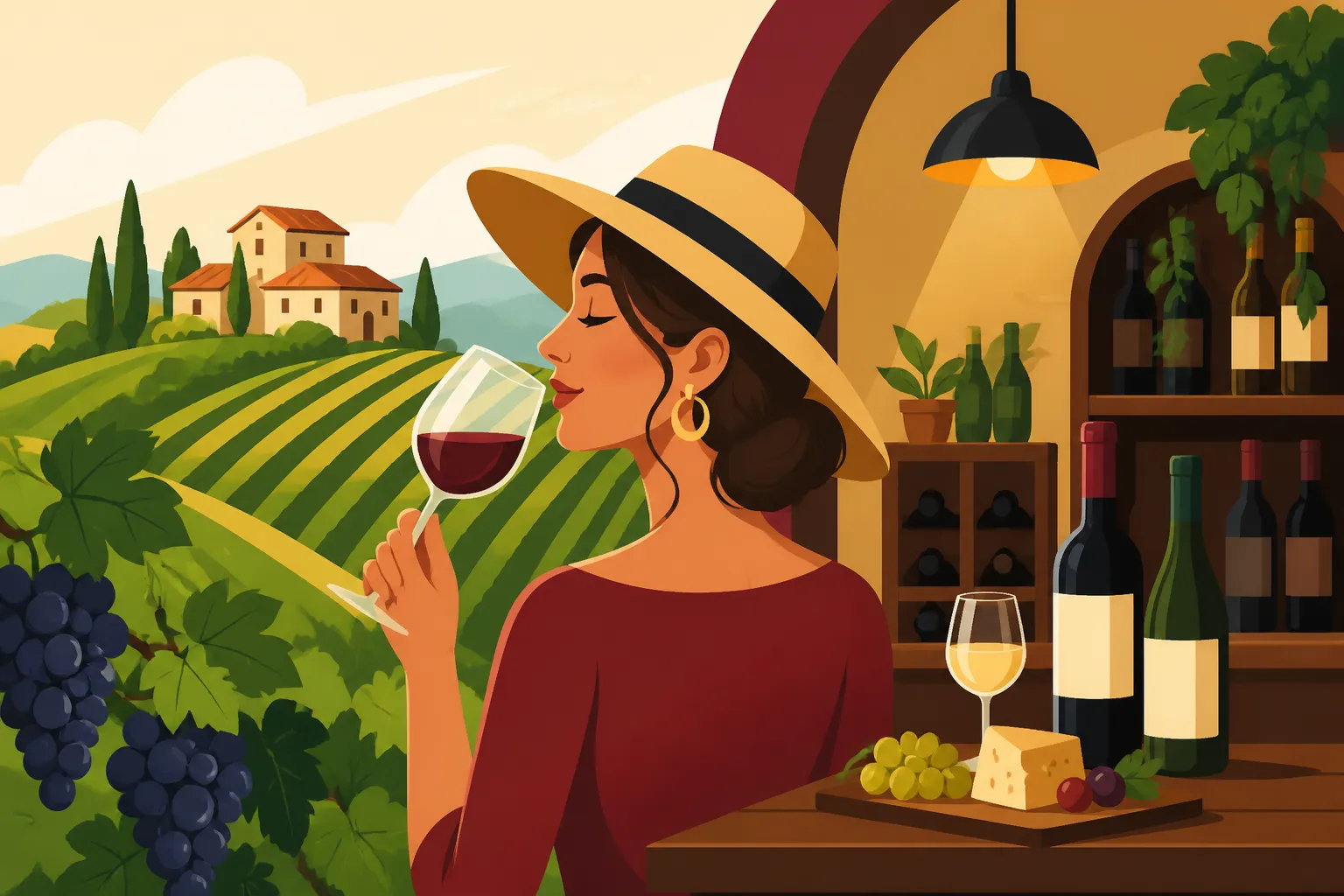
The highlight for many is the cellar, the cantina itself, where rows upon rows of barrels and bottles rest in cool, dark silence. This is where the wine ages, developing its complexity and character. The sheer scale of some of these cellars can be breathtaking, especially those built into ancient caves or historic structures. The tour culminates, of course, with the tasting. This usually takes place in a dedicated tasting room, often with panoramic views of the vineyards. You'll typically sample a selection of their wines, often accompanied by local cheeses, cured meats, and fresh bread – simple accompaniments that truly allow the wine to shine. Expect to hear detailed descriptions of each wine, its characteristics, and ideal food pairings. The atmosphere is generally relaxed and educational, not stuffy or intimidating.
How to Book Your Cantina Tour and Tasting
Booking a cantina visit isn't always as simple as walking in, especially at smaller, family-run establishments or during peak season. Advance reservations are almost always recommended, and often required. The best way to find cantine is to research specific wine regions you're interested in. For example, if you're exploring Tuscany for Travelers: Cities, Hills, and Coast, you'll find countless wineries there. Many larger wineries have websites where you can book directly. For smaller, more rustic operations, you might need to call ahead (a little Italian helps here!) or even ask your accommodation provider for recommendations and assistance with booking.
Another excellent resource, especially if you prefer guided experiences, are online platforms. Sites like GetYourGuide offer a plethora of organized wine tours that often include transportation, multiple winery visits, and sometimes even a meal. This can be a fantastic option if you don't have a car or prefer to have all the logistics handled for you, allowing you to relax and enjoy the wine without worrying about driving. Local tourism offices in wine regions are also invaluable; they can provide maps, lists of wineries, and sometimes even facilitate bookings. Don't forget to check if they offer English-speaking tours, as not all smaller cantine will have staff fluent in English.
Navigating Different Types of Cantine
Italy boasts an incredible diversity of wineries, ranging from sprawling, internationally recognized estates to tiny, organic, biodynamic operations run by just a handful of people. Understanding the differences can help you tailor your wine tasting experience to your preferences.
On one end of the spectrum, you have the large, established estates. These are often grand, historic properties with extensive vineyards, impressive cellars, and sophisticated tasting rooms. They tend to produce a wider range of wines, often exporting globally, and are well-equipped to handle many visitors. Think of a place like Marchesi Antinori in Tuscany or Ca' del Bosco in Lombardy – they offer polished, professional tours and tastings, often with state-of-the-art facilities. These are great for a comprehensive, educational experience with clear explanations and beautiful settings.
Then there are the medium-sized, family-run cantine. These often strike a beautiful balance, offering a personal touch while still having a significant production. You’ll frequently be hosted by a family member, gaining direct insight into their philosophy and passion. The tours might be less polished but feel more intimate and authentic. They might specialize in a few specific wines, often focusing on indigenous varietals. This is where you really start to feel that connection to tradition and terroir that we talked about earlier.
Finally, you have the small, artisanal, or boutique wineries. These are often hidden gems, sometimes producing only a few thousand bottles a year. They might focus on natural, organic, or biodynamic farming, eschewing modern technology in favor of traditional methods. Visits here are incredibly personal, often hosted by the winemaker themselves, and you might even find yourself helping with a small task or sharing a meal. These experiences are truly special, offering a deep dive into niche winemaking philosophies. However, they are also the most challenging to find and book, often requiring recommendations or persistence, and certainly a willingness to embrace the unexpected. You might also find these listed as "agriturismo" establishments, which combine farm stay accommodation with winery activities – a fantastic way to immerse yourself even further. To find some of these unique spots, a bit of research into local recommendations or specific wine sub-regions might be necessary.
Enoteche: Wine Shops and Bars for Discovery
If cantine are the heart of Italian wine production, enoteche are its vibrant social hubs. These are specialized wine shops that often double as wine bars, offering a more casual yet equally enriching way to explore Italy's vast liquid landscape. They're perfect for an impromptu tasting, a relaxed aperitivo, or simply picking up a bottle to enjoy later.
The Charm of the Enoteca: A Local's Wine Bar
An enoteca is more than just a place to buy wine; it's a cultural institution. Picture this: shelves stacked high with bottles from local producers and far-flung regions, a friendly proprietor who knows every wine like it's their own child, and a few small tables where you can sit and enjoy a glass (or two) with some delightful snacks. It's an atmosphere that's both elegant and unpretentious, fostering conversation and discovery. In many ways, it encapsulates the true spirit of the Italian aperitivo – a pre-dinner ritual that is all about winding down, socializing, and enjoying good food and drink.
Often, enoteche will have a rotating selection of wines available by the glass, allowing you to sample different varietals and producers without committing to a whole bottle. This is fantastic for expanding your palate and trying something new. The staff are usually incredibly knowledgeable and passionate; don't hesitate to ask for recommendations based on your preferences or what local dishes you plan to pair the wine with. They often stock rare or harder-to-find wines from small producers who don't have large distribution networks, making them treasure troves for wine enthusiasts. You'll find these charming spots tucked away on side streets in cities like Florence, Rome, and even smaller towns throughout Emilia-Romagna: Italy's Food Heartland.
How to Choose a Good Enoteca
With so many enoteche scattered across Italy, how do you distinguish the good ones from the merely average? It really boils down to a few key indicators. First, look for a strong local focus. A great enoteca will proudly showcase wines from its immediate region, reflecting the local terroir and supporting nearby producers. This is a sign that the proprietor is invested in the local wine scene and truly understands the regional specialties.
Second, engage with the staff. A knowledgeable and passionate staff is the cornerstone of any excellent enoteca. They should be able to guide you through their selection, offer tasting notes, and make thoughtful recommendations. If they seem disinterested or unhelpful, it might be a sign to move on. Don't be shy about asking questions, even if your Italian is limited; many enoteca owners in tourist-friendly areas will have at least some English. This is also a fantastic opportunity to practice your Italian Language and Everyday Communication for Visitors.
Third, observe the atmosphere and clientele. Is it bustling with locals enjoying a relaxed glass, or is it empty save for a few confused tourists? A vibrant, local crowd is usually a good indicator of quality and authenticity. Also, check for the presence of food pairings; a good enoteca will offer a selection of cheeses, cured meats, or bruschetta to complement the wines, enhancing the tasting experience. Finally, word-of-mouth is still king in Italy. Ask locals, your hotel concierge, or even other expats for their favorite enoteche – you might uncover a hidden gem.
From Casual Sips to Curated Selections
Enoteche offer a spectrum of experiences, from a quick, casual glass to an in-depth, curated tasting. At the more casual end, you can simply walk in, scan the blackboard for wines by the glass (vino al bicchiere), pick one that piques your interest, and enjoy it with a small plate of olives or taralli. This is perfect for an aperitivo hour or a light afternoon respite. Prices for a glass can range from a very modest €3-€7, depending on the wine's quality and the enoteca's location.
For those looking for a more structured experience, many enoteche offer guided tastings or flight selections. These might focus on a particular region, a specific grape varietal, or a comparison of different vintages. You'll often receive detailed explanations for each wine, making it a wonderful educational opportunity. These curated experiences are often designed to introduce you to the nuances of Italian wine, helping you understand the subtle differences between a Chianti Classico and a Brunello di Montalcino, for example. Some larger enoteche might even host special events, winemaker dinners, or educational seminars. If you're a serious wine lover, it's worth inquiring about such offerings in advance.
Planning Your Italian Wine Tasting Adventure
Embarking on a wine tasting journey in Italy requires a little planning, but the rewards are absolutely worth it. Thinking through your choices, from which regions to visit to how you'll get around, will ensure a smooth and delightful experience.
Choosing Your Wine Region: A Taste of Italy's Diversity
Italy is an embarrassment of riches when it comes to wine regions, each with its own distinct identity. The "best" region depends entirely on your personal taste and what kind of experience you're seeking.
- Tuscany: Perhaps the most famous, known for its iconic Sangiovese-based reds like Chianti Classico, Brunello di Montalcino, and Vino Nobile di Montepulciano. The landscape is postcard-perfect, dotted with medieval hilltop towns and cypress-lined drives. It's a fantastic choice for first-timers, offering a blend of culture, scenery, and world-class wine.
- Piedmont: Home to the "King and Queen" of Italian wines: Barolo and Barbaresco, both made from the Nebbiolo grape. This region, often explored through tours like Piedmont: Wine, Truffles, and the Langhe, also excels in aromatic whites and sparkling wines (Asti Spumante). It’s more sophisticated and perhaps less overtly touristy than Tuscany, offering a more refined experience.
- Veneto: Famous for Valpolicella (including the rich Amarone) and Prosecco, Italy's ubiquitous sparkling wine. It's a diverse region that also offers beautiful scenery, from the Dolomites to Lake Garda.
- Sicily: A rising star in the wine world, known for its indigenous varietals like Nero d'Avola, Etna Rosso, and Grillo. The volcanic soils around Mount Etna produce incredibly unique wines. It offers a more adventurous, rustic, and often surprisingly affordable wine journey.
There are so many more: Puglia with its Primitivo, Campania with its ancient Falanghina and Aglianico, Friuli-Venezia Giulia with its exquisite whites. My advice? Don't try to do it all in one trip. Pick one or two regions that truly resonate with you and explore them in depth. Remember that each region has specific local dishes that pair wonderfully with their wines, so consider trying the regional cuisine as well!
Getting Around: Transport Options for Wine Country
Navigating Italian wine country requires some thought, especially if you plan on indulging in tastings.
- Renting a Car: This offers the most flexibility, allowing you to visit multiple cantine at your own pace and explore charming villages off the beaten path. However, be mindful of Italy’s strict drink-driving laws. Designate a sober driver, or consider splitting tasting duties. Also, remember to read up on Renting a Car in Italy: ZTLs, Insurance, and Driving Tips, as navigating restricted traffic zones (ZTLs) can be tricky. You can often find good deals through international rental companies or local Italian agencies.
- Trains and Buses: Public transport is excellent between major cities, and Omio can be a great resource for booking tickets for high-speed trains in Italy. However, getting to individual wineries within rural wine regions can be challenging with public transport alone. Buses often run infrequently, and some wineries are simply too remote. You might need to combine a train trip to a regional hub with a taxi or a local bus.
- Guided Tours: For a stress-free experience, consider booking an organized wine tour. Many companies specialize in this, providing transport from a central meeting point, often in major cities like Florence or Bologna, and taking you to several carefully selected wineries. Sites like GetYourGuide offer a range of such tours, from half-day excursions to full-day adventures with lunch included. This is an ideal option if you want to enjoy the wine fully without worrying about logistics or driving.
- Taxis/Private Drivers: This is a more expensive but convenient option if you want flexibility without self-driving. You can hire a taxi for a half-day or full-day, or book a private driver. This is particularly useful for small groups. Ask your accommodation for recommendations for reliable local drivers.
Budgeting for Your Wine Experience
The cost of wine tasting in Italy can vary significantly depending on the region, the type of establishment, and the exclusivity of the wines you're sampling.
- Cantina Visits: A standard winery tour and tasting typically costs between €20-€60 per person, often including a tasting of 3-5 wines and some light snacks. More exclusive tours, private tastings, or those including a full meal can range from €70-€150 or more. Purchasing bottles directly from the winery is often slightly cheaper than in shops and always supports the local producer.
- Enoteche: Tasting wines by the glass in an enoteca is generally more affordable. A single glass might cost €3-€7 for standard wines, going up to €10-€20 for premium or older vintages. If you opt for a structured flight, expect to pay anywhere from €15-€40, again depending on the wines included.
- Guided Tours: All-inclusive guided tours, especially those arranged through platforms like Booking.com for accommodation in wine regions, or GetYourGuide for the tour itself, will naturally be more expensive due to the inclusion of transportation, multiple stops, and often lunch. Prices can range from €80 to €200+ per person for a full-day experience.
- Accommodation: Consider staying in an agriturismo (farm stay) within a wine region. Many of these properties produce their own wine and offer tastings as part of the stay, often at a reduced rate or even complimentary. This can be a wonderful way to immerse yourself in the local lifestyle and save on separate tasting fees. Booking.com lists many excellent agriturismi.
- Other Costs: Factor in transportation costs, meals, and any bottles you might wish to purchase and ship home. Remember that Tipping in Italy: When, Where, and How Much is generally not expected in the same way it is in other countries, but a small gesture for exceptional service is always appreciated. For a broader financial overview, check out Budgeting for Italy: Cost of Living by City.
Here's a quick comparison of Cantina vs. Enoteca experiences:
| Feature | Cantina (Winery) | Enoteca (Wine Shop/Bar) |
|---|---|---|
| Location | Rural, in the vineyards, often remote | Urban centers, towns, sometimes smaller villages |
| Experience | Immersive tour of vineyards, production, cellar | Casual tasting by the glass, bottle purchase |
| Focus | Single producer's wines, production process | Diverse selection from many producers and regions |
| Booking | Usually required, especially for tours | Often walk-in friendly, no booking needed for a glass |
| Interaction | Direct with winemaker/staff, detailed explanation | With knowledgeable staff, casual discussion |
| Food Pairing | Often included (light snacks) or full meal options | Typically small bites (stuzzichini) or charcuterie |
| Cost | €20-€150+ per person (tour & tasting) | €3-€20 per glass, €15-€40+ for flights |
| Accessibility | Requires car or dedicated tour/driver | Easily accessible by foot or public transport |
Mastering the Italian Wine Tasting Etiquette
When you're out there exploring Italy's magnificent wine scene, a little understanding of local customs and how to approach the tasting process can go a long way. It’s not about being snobby; it’s about showing respect and enhancing your own enjoyment!
Decoding the Labels: What to Look For
Italian wine labels can be a bit of a mystery if you're not used to them, but once you know what to look for, they tell a rich story. The most important elements typically include:
- Denomination of Origin: This is crucial. Italy has a strict system:
- DOCG (Denominazione di Origine Controllata e Garantita): The highest classification, indicating rigorous production standards and quality control. Think Barolo, Brunello di Montalcino, Chianti Classico.
- DOC (Denominazione di Origine Controllata): The next tier, still very good, with defined geographical areas and grape varietals.
- IGT (Indicazione Geografica Tipica): Broader geographical area, allowing for more winemaking flexibility, often used for "Super Tuscans" that don't fit DOCG/DOC rules.
- Vino da Tavola: Table wine, the most basic classification, with few regulations.
- Producer Name: The name of the winery, sometimes with a family name.
- Vintage: The year the grapes were harvested. This is important for understanding the wine's age and potential.
- Grape Varietal (sometimes): While many DOC/DOCG wines are named after their region (e.g., Chianti is mostly Sangiovese), others list the grape (e.g., Vermentino, Pinot Grigio).
- Volume and Alcohol Content: Standard bottle size is 750ml, with alcohol percentages typically ranging from 11% to 15%.
Beyond these, you might see terms like Riserva (indicating longer aging), Classico (from the traditional, historical heart of a region), or Superiore (higher alcohol content or specific aging). Don't feel overwhelmed; just knowing the DOC/DOCG system is a great start. The more you explore, the more these nuances will reveal themselves!
The Art of Tasting: Savoring Italian Wines
Italian wine tasting, whether at a grand cantina or a cozy enoteca, is meant to be enjoyed, not rushed. There's a ritual, but it's a relaxed one.
- See: Hold your glass against a white background (like a napkin or table) and observe the wine's color. Is it ruby red, garnet, pale gold, or deep amber? This can hint at its age and varietal. Look for clarity and brilliance.
- Swirl: Gently swirl the wine in your glass. This aerates it, releasing its aromas. Don't go wild; a gentle rotation is enough. Observe the "legs" or "tears" that run down the inside of the glass; these can indicate alcohol content and body.
- Smell: Bring the glass to your nose and inhale deeply. What aromas do you detect? Red fruits (cherry, plum)? Black fruits (blackberry, currant)? Floral notes (violet, rose)? Earthy tones (leather, tobacco, forest floor)? Spices (vanilla, pepper)? Don't worry about getting it "right"; just note what you smell. With a bit of practice, you'll start identifying more specific aromas.
- Sip: Take a small sip, letting the wine coat your entire palate. Don't swallow immediately. Notice the flavors – do they match the aromas? How is the sweetness, acidity, and bitterness? How do the tannins (that drying sensation, especially in red wines) feel? Is the finish long or short? Think about the wine's "body" – is it light, medium, or full? The aim is to appreciate the balance and complexity.
Remember, tasting is subjective. What one person detects, another might not. The key is to pay attention and enjoy the journey of discovery. Don't be afraid to voice your impressions, but also listen to the winemaker's notes; they offer invaluable insights.
Common Phrases and Questions for Your Wine Host
Even a few basic Italian phrases can significantly enhance your experience and show respect to your hosts. Don't worry about perfect pronunciation; the effort is genuinely appreciated. If you're looking for more general phrases, check out Ordering Food and Drinks in Italian: A Practical Phrasebook.
Here are some essentials for wine tasting:
- Buongiorno/Buonasera: Good morning/Good evening (always a good start!).
- Grazie: Thank you.
- Prego: You're welcome/Please (also used to invite you to start).
- Mi scusi: Excuse me (to get attention).
- Vorrei assaggiare il vino…: I would like to taste the wine…
- Qual è il nome di questo vino?: What is the name of this wine?
- Da dove viene questo vino?: Where does this wine come from?
- Quali sono le uve usate?: Which grapes are used?
- È secco o dolce?: Is it dry or sweet?
- Questo vino si abbina bene con…? Does this wine pair well with…? (e.g., con la pasta, with pasta; con il formaggio, with cheese)
- Questo vino è prodotto qui?: Is this wine produced here?
- È biologico/biodinamico?: Is it organic/biodynamic?
- È possibile comprare una bottiglia?: Is it possible to buy a bottle?
- È delizioso!: It's delicious!
Your hosts will likely appreciate your attempt at Italian and will often switch to English if they are comfortable. The most important thing is to be engaged, curious, and respectful. Enjoy the conversation as much as the wine itself!
Disclaimer
Please remember that travel information, regulations, and business hours can change. Always check the most current requirements and opening times for specific wineries or enoteche before planning your visit. While we strive to provide accurate and up-to-date information, individual experiences may vary. Drink responsibly and never drink and drive.