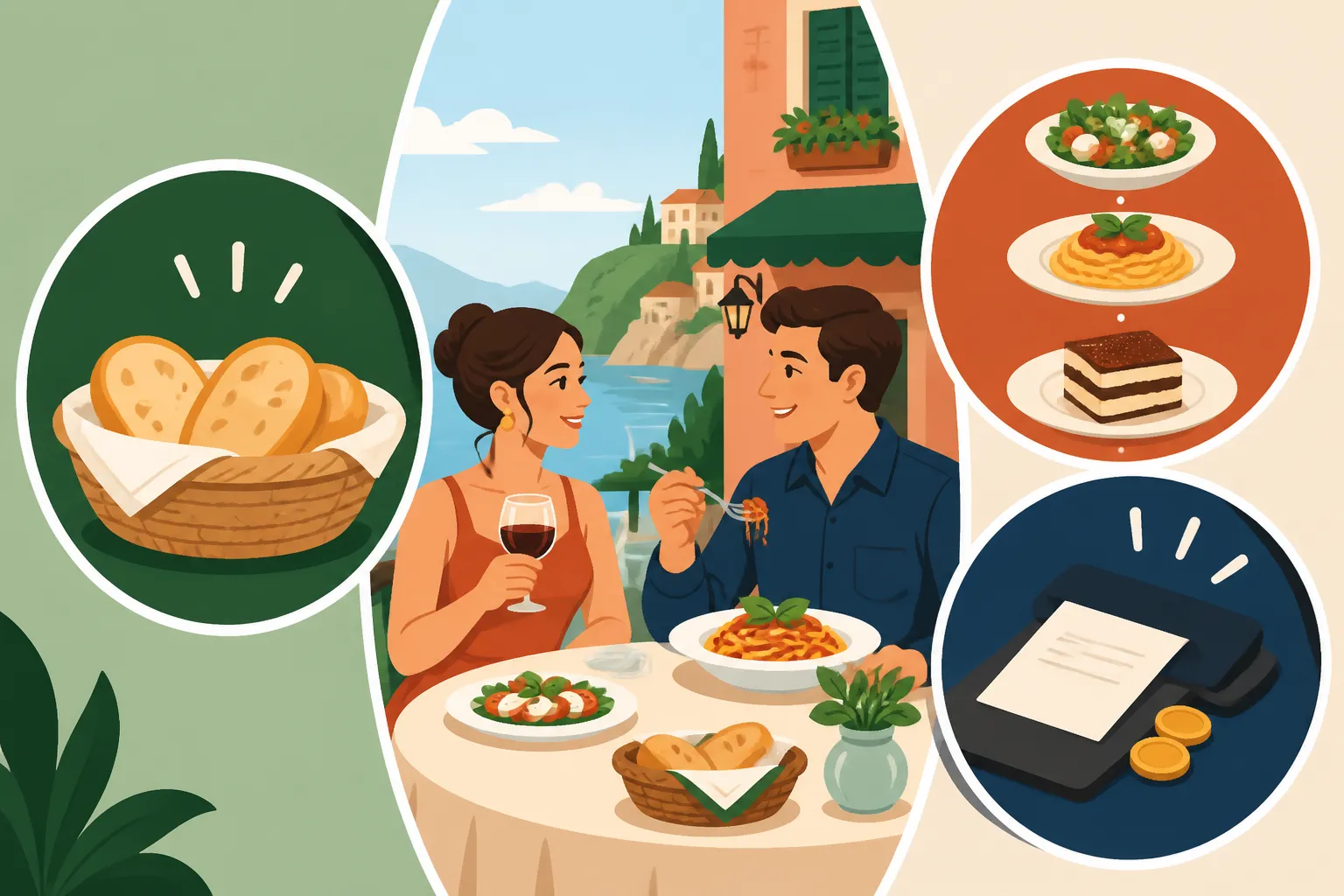
Restaurant Etiquette in Italy: Coperto, Courses, and the Bill
Stepping into an Italian restaurant for the first time can feel like entering a beautifully choreographed dance where you don't quite know the steps. From deciphering mysterious menu items to understanding when and how to pay, the unwritten rules of Italian dining can be a source of genuine anxiety for many expats and tourists. This guide aims to pull back the curtain on these customs, offering a comprehensive, empathetic look at Italian restaurant etiquette so you can truly relax and savor every delicious moment.
Disclosure: This post may contain affiliate links. We may earn a commission at no extra cost to you if you make a purchase through these links. Read full disclosure.
Understanding Italian Dining Culture: More Than Just Food
Forget everything you think you know about eating out; Italian dining is a world unto itself, steeped in tradition, community, and a profound respect for the ingredients. It’s not just about fueling up; it’s a social ritual, a performance, and an art form all rolled into one. For us foreigners, it can be a delightful but sometimes confusing experience, especially when our own cultural norms clash with the local way of doing things.
The Pace of an Italian Meal: Slow Down and Savor
One of the biggest adjustments you'll make when dining in Italy is recalibrating your internal clock. Italians don't rush their meals. Lunch often stretches into the early afternoon, and dinner is an affair that can easily last a couple of hours or more. This leisurely pace isn't just a suggestion; it's a fundamental part of the experience. You won't find waiters hovering, eager to turn over tables; instead, they respect your space and your time to enjoy the food and company.
Think of it as a journey, not a sprint. Meals are designed to be enjoyed over conversation, good wine, and multiple courses. If you’re used to a quick meal and an even quicker exit, you might initially feel frustrated by what seems like slow service. Resist the urge to hurry things along. Embrace the "dolce vita" – the sweet life – and allow yourself to truly unwind. This is your chance to observe, absorb, and appreciate the rhythm of Italian life. The restaurant isn't just a place to eat; it's a place to be. For a deeper dive into this, check out our guide on How to Eat Like a Local in Italy: Meal Structure and Timing.
The Importance of Fresh, Local Ingredients
At the heart of Italian cuisine is an almost sacred reverence for fresh, seasonal, and locally sourced ingredients. This isn't just a trend; it's a philosophy that has been passed down through generations. Italian chefs and home cooks alike understand that the quality of the raw materials is paramount. This emphasis on local produce means that menus often change with the seasons, reflecting what’s available from nearby farms, fishermen, and markets.
What does this mean for you, the diner? It means you’re likely to find incredibly flavorful dishes, prepared simply to let the ingredients shine. Don't expect elaborate sauces or complex preparations that mask the natural taste of the food. Instead, anticipate dishes where a few high-quality components are combined harmoniously. It also means that asking for an ingredient that's out of season might be met with a polite but firm "no" – a testament to their commitment to freshness. This focus on local fare is also why certain regions are famous for specific dishes; the ingredients are simply better there.
Regional Differences in Dining Habits
Italy, despite its relatively small size, is a patchwork of distinct regional cultures, and this diversity shines brightest in its kitchens and dining rooms. What's customary in Milan might be unheard of in Sicily, and vice-versa. For instance, in the northern regions like Lombardy and Piedmont, meals can be a bit more formal, portions might be slightly smaller, and influences from neighboring countries like France or Austria might be subtly present. You might find richer, butter-based sauces and polenta taking center stage over pasta.
Head south to Campania or Sicily, and the dining experience becomes louder, more boisterous, and often more family-oriented. Portions tend to be more generous, olive oil is king, and seafood plays a much larger role. The concept of an "aperitivo" is universally loved, but how it's executed, from the drinks offered to the accompanying snacks, can vary wildly. Understanding these nuances can help set your expectations and enhance your culinary explorations, whether you're enjoying some Pizza in Italy: Neapolitan, Roman, and Beyond in Naples or a hearty risotto in Venice. Sometimes, planning a trip around these culinary variations can be part of the fun, using platforms like Omio to compare train or bus options to various food hubs across the country.
Navigating the Italian Menu: A Culinary Journey
The Italian menu, or il menù, is more than just a list of dishes; it's a roadmap to a traditional dining experience. Unlike many other countries where you might choose a single main course, Italian meals are typically structured around a progression of dishes, each designed to complement the last. Getting to grips with this structure is key to understanding what you're ordering and how to enjoy your meal fully.
Antipasto, Primo, Secondo, Contorno, Dolce: The Full Experience
Traditionally, an Italian meal is a multi-course affair. Don't feel obliged to order every single course, especially for a casual lunch, but knowing the progression helps you understand the menu and avoid over-ordering.
- Antipasto: Literally "before the meal," these are appetizers designed to whet your appetite. This can range from simple olives and cured meats (salumi) to bruschetta, fried vegetables (fritto misto), or regional specialties. They're typically lighter and meant to be shared.
- Primo Piatto: The "first course" is usually pasta, risotto, soup (minestra), or gnocchi. These are not side dishes but substantial, flavorful courses in their own right. They are often less heavy than a typical Western main course, focusing on a balance of flavors and textures.
- Secondo Piatto: The "second course" is your main protein dish, typically meat (carne) or fish (pesce). It's usually served without any side dishes, which can surprise foreigners. Don't expect a plate piled high with meat and vegetables, as you might in other cuisines.
- Contorno: These are side dishes, usually vegetables, that you order separately to accompany your secondo. Common choices include patate al forno (roasted potatoes), spinaci saltati (sautéed spinach), or a simple insalata mista (mixed salad).
- Dolce: Dessert! Think tiramisu, panna cotta, fruit tarts, or regional sweet treats.
- Caffè: An espresso is almost always served after dessert, never with it, and rarely after milk-based coffees like cappuccino (which are typically for breakfast).
- Digestivo: A small shot of a liqueur like limoncello or amaro to aid digestion.
It's perfectly acceptable to skip courses, for example, just ordering a primo and a contorno for lunch. However, generally, it's considered poor form to order only a contorno or to skip the primo and jump straight to the secondo without ordering a substantial primo first, especially in a traditional trattoria. For an exhaustive guide, check out How to Order a Full Italian Meal: Courses Explained.
The Mystique of the "Coperto" and "Pane e Coperto"
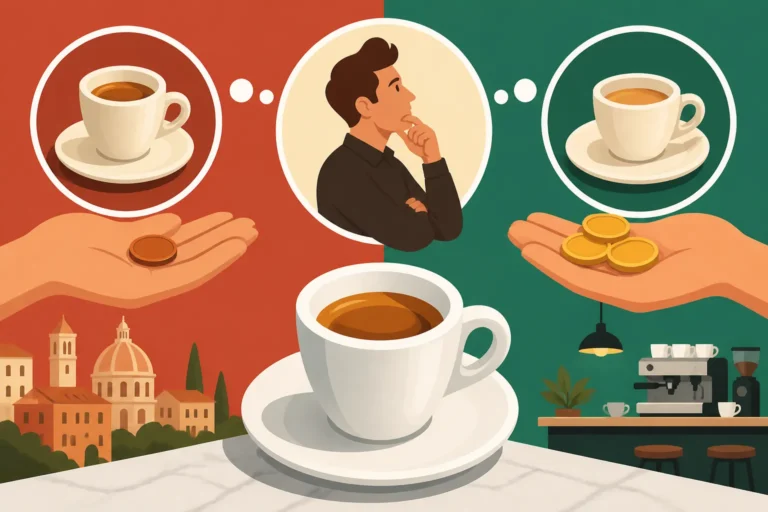
Ah, the coperto! This is perhaps one of the most confusing and often frustrating charges for visitors. Literally meaning "cover charge," it's not a service charge or a tip, but a small fixed fee per person that covers the cost of your bread, tablecloth, napkins, and general table service. It’s essentially a charge for sitting down and using the restaurant's facilities.
Historically, the coperto was meant to cover the cost of bread and water, but today it's more of a legal and traditional fee. It typically ranges from €1 to €3 per person, though it can be higher in very touristy areas or high-end establishments. You'll often see it listed on the menu, usually at the very bottom, under "coperto" or "pane e coperto." It’s entirely legal and very common, so don't be surprised or offended by it. Just factor it into your mental budget. You're paying for the privilege of the table, the ambiance, and the setting. It’s part of the Italian dining experience, whether you eat the bread or not!
Decoding Wine Lists and Beverage Choices
Italian wine lists can be extensive and intimidating, but they are also a treasure trove of regional delights. Don't be afraid to ask your waiter for recommendations; they are usually very knowledgeable about local wines that pair well with the menu.
- Vino della Casa: "House wine" is usually a great, affordable option. It's often served in a carafe (a caraffa or brocca) and is typically a local red or white, perfectly drinkable and unpretentious.
- Bottled Wines: Italian wine is typically listed by region and grape varietal. If you're unsure, ask for a "vino rosso" (red wine) or "vino bianco" (white wine) that is "leggero" (light), "robusto" (full-bodied), or "fruttato" (fruity). Exploring Italian Wine Regions: A Beginner's Guide can give you a head start.
- Water: You'll almost always be asked "Acqua naturale o frizzante?" (Still or sparkling water?). Tap water is generally not served in restaurants unless specifically requested (and sometimes still not provided). You’ll pay for bottled water, and it's brought to the table sealed.
- Beer: Birra is popular, especially alongside pizza. You can ask for a birra alla spina (draft beer) or a birra in bottiglia (bottled beer).
- Soft Drinks: Standard soft drinks are available, though often served in smaller portions or with less ice than you might be used to.
When it comes to ordering beverages, it's customary to only drink water or wine with your meal. Soft drinks are fine, but large glasses of ice water or multiple refills of soda are less common. And remember, the cappuccino is strictly a breakfast drink! Ordering one after a meal will usually mark you as a tourist, though most places will still serve it with a smile. For more on the nuanced world of Italian coffee, see Coffee Culture in Italy: How to Order Like a Local.
Ordering and Interacting with Staff: Politeness Goes a Long Way
Interacting with Italian restaurant staff is generally a pleasant experience, but it follows its own set of rules. Italian service is typically more reserved and less effusive than in some other cultures, but it’s always professional and attentive once you get their attention. Don't mistake a lack of constant hovering for disinterest; it's simply a different approach to hospitality.
Getting the Attention of Your Cameriere (Waiter)
Unlike in some countries where waiters constantly check on you, Italian camerieri or cameriere (waiters/waitresses) tend to give diners space. They assume you'll call them over when you need something. Waving your arms wildly or snapping your fingers is considered impolite. The best way to get their attention is to make eye contact and, when they acknowledge you, politely say "Scusi!" (Excuse me!).
They'll come over to take your order, clear plates, or bring the bill. Patience is a virtue here. If you're in a busy place, it might take a moment, but they will get to you. Don't feel you're being ignored; they're just letting you enjoy your company and your meal without interruption. This relaxed approach is part of the charm, and once you adapt, you'll find it quite enjoyable. Just remember to be proactive when you need something rather than waiting for them to approach you.
Customizing Your Order (or Not)
This is a big one, and it's where many foreigners encounter polite but firm resistance. Italian cuisine is about balance and tradition. Chefs have carefully crafted dishes with specific ingredients and preparation methods. Therefore, asking for extensive modifications to a dish is generally frowned upon, and in some more traditional restaurants, it might even be refused.
- Minor requests: Asking for "senza cipolla" (without onion) or "senza aglio" (without garlic) is often fine, especially if it's a known allergy or strong dislike.
- Major modifications: Asking to swap out ingredients, add extra components that aren't on the menu, or significantly change the preparation method for a pasta dish (e.g., "Can I have the carbonara sauce but with chicken instead of guanciale?") is likely to be met with confusion or a polite "non è possibile" (it's not possible). The chef knows best, and deviating from the traditional recipe can be seen as an insult to their craft and the integrity of the dish.
- "May I have some parmesan with my seafood pasta?": Just… don't. Seriously, don't. Parmesan with seafood is a cardinal sin in Italian cuisine. The cheese overpowers the delicate flavor of the fish. If they don't offer it, it means it doesn't belong.
The best approach is to trust the chef and enjoy the dish as it's intended. If you have severe allergies, that's a different story and should always be communicated clearly. For most other preferences, embrace the authenticity.
Communicating Dietary Restrictions
While extensive customization is often a no-go, serious dietary restrictions and allergies are taken seriously. However, communication can be a barrier if you don't speak Italian.
- Basic phrases: Learn key phrases like "Sono allergico/a a…" (I am allergic to…), "Sono celiaco/a" (I am celiac/gluten-intolerant), "Sono vegetariano/a" (I am vegetarian), or "Sono vegano/a" (I am vegan).
- Allergy cards: Consider carrying a small card with your severe allergies written in Italian. This can be a lifesaver.
- Common restrictions:
- Gluten-free (Senza glutine): Italy has become very accommodating, especially with pasta and pizza. Many restaurants offer gluten-free options, and major supermarkets have a wide selection.
- Vegetarian/Vegan: While many Italian dishes feature meat or fish, you'll often find plenty of delicious vegetarian options, especially among primi and contorni. Veganism is less widely understood, but with the right communication, you can usually find suitable dishes. Pasta dishes like pasta al pomodoro (tomato pasta) or pasta e fagioli (pasta and bean soup) are often safe bets.
- Lactose intolerance (Senza lattosio): This is less common but can be communicated. Many dairy-free alternatives exist, especially in cities.
When explaining your dietary needs, be clear, direct, and patient. The staff will usually do their best to help you navigate the menu, even if it means sticking to simpler, naturally compliant dishes. Just be prepared that options might be limited in smaller, very traditional establishments. For those exploring food tours to try local delicacies with specific dietary needs, platforms like GetYourGuide can sometimes provide tours that cater to these requirements, allowing you to filter experiences by dietary options.
Paying the Bill: "Il Conto, per favore!"
The grand finale of your Italian dining experience is asking for and settling the bill. Just like everything else, there’s a certain etiquette to it, different from what you might be accustomed to back home. Don’t expect the bill to be brought to your table automatically; that would be seen as rushing you.
How and When to Ask for the Bill
Once you've finished your meal, coffee, and digestivo, and you're ready to leave, you need to signal for the bill. As mentioned, waiters won't usually bring it unless prompted.
- Catch their eye: Make eye contact with your waiter.
- The polite request: When they approach, simply say, "Il conto, per favore!" (The bill, please!) or "Possiamo avere il conto?" (Can we have the bill?). A simple hand gesture mimicking writing in the air can also work, but verbalizing is always better.
- No rush: Even after you ask for it, the bill might take a few minutes to arrive, especially in a busy restaurant. Again, this isn't inefficiency; it's part of the relaxed pace.
- Where to pay: In many smaller, traditional establishments, you might be expected to go to the cassa (cashier) near the entrance to pay. In larger or more modern restaurants, they'll bring a small tray or folder with the bill to your table. If in doubt, watch what other diners are doing.
It’s generally considered impolite to linger excessively after asking for and receiving the bill, but also rude to demand it the moment your dessert plate is cleared. There's a sweet spot where you've clearly finished your meal and enjoyed your post-meal drinks before making your request.
Tipping in Italy: A Different Custom
This is a point of frequent confusion for many North American visitors. Unlike in countries where tipping is almost mandatory and forms a significant portion of a server's income, tipping in Italy is entirely discretionary and not expected. Service charges are not part of the coperto, though they are sometimes explicitly added to the bill as servizio (though servizio is more common in very touristy areas or for larger groups).
- Not obligatory: If you round up the bill by a euro or two, or leave a small amount (5-10% for exceptional service), that's a kind gesture, but it's not a social obligation.
- Cash is king: If you do decide to leave a tip, leaving a few coins or a small note in cash on the table is preferred, as tips left on credit card payments often don't go directly to the server.
- Don't over-tip: Leaving a large tip (e.g., 20%) can sometimes cause confusion or even be seen as a bit ostentatious, as it's so far outside the cultural norm.
- Excellent service: If you've truly received exceptional service, a small gratuity of a few euros or rounding up to the nearest convenient amount is a thoughtful way to show your appreciation. For a full breakdown, our guide on Tipping in Italy: When, Where, and How Much covers all the details.
Splitting the Bill: "Facciamo alla Romana?"
When dining with friends, splitting the bill can also have its own traditions. While it's common in many places to meticulously divide the bill down to the cent, Italians often favor a simpler approach.
- "Alla Romana" (Roman style): This is a very common way to split the bill, especially among friends. It means simply dividing the total cost equally among everyone, regardless of who ordered what. It simplifies things immensely and saves time. You can ask "Possiamo fare alla Romana?" (Can we do it Roman style?).
- Individual payments: If you insist on paying exactly for what you had, it's usually accommodated, but it might involve the waiter spending more time calculating. Be prepared for a slight eye-roll in a very busy establishment, especially if you have a large group.
- Paying at the counter: If you pay at the cassa, you can tell the cashier how many ways you want to split the bill, or simply pay for your portion and let your friends handle theirs.
- Credit cards: Credit card payments are widely accepted, especially in larger cities and establishments. However, always have some cash on hand, particularly for smaller trattorias, cafes, or for leaving a small tip.
Remember, the goal is to make the payment process as smooth and efficient as possible for both you and the restaurant staff. Embrace the "alla Romana" method when dining with friends; it's part of the fun and reduces unnecessary fuss.
Practical Scenarios and Common Pitfalls
As with any new culture, there are often little quirks and potential misunderstandings that can arise. Being prepared for these can save you a moment of embarrassment or frustration, allowing you to focus on the truly important thing: enjoying Italy's incredible food.
Eating Solo vs. Group Dining
Eating alone in Italy is perfectly acceptable and often quite enjoyable, but the dynamics can be different. In a bustling trattoria, a single diner might be seated at a smaller table, sometimes near the door or in a less central spot, to accommodate larger groups. Don't take this as an insult; it's simply practical.
- Solo dining: Embrace the opportunity to people-watch, read a book, or simply savor your meal in peace. Waiters will generally leave you alone unless you signal them. This is a perfect chance to try a smaller meal, perhaps just a primo and a glass of house wine.
- Group dining: Meals are inherently communal in Italy. When dining in a group, expect lively conversation, shared dishes (especially antipasti), and a generally convivial atmosphere. It's often where the alla Romana bill-splitting tradition comes into play most naturally. Booking a table in advance, particularly for larger groups or on weekends, is highly recommended, especially in popular cities. You can often book directly through the restaurant's website or by phone, and sometimes even via platforms like Booking.com, which lists restaurants associated with hotels.
Regardless of whether you're dining alone or with company, the goal is to relax and enjoy the experience. The beauty of Italian dining is its adaptability – it can be a quick, casual affair or a long, celebratory feast.
Dealing with Unexpected Charges or Mistakes
While rare, sometimes you might encounter an unexpected charge or a mistake on your bill. Don't panic, but also don't be afraid to politely inquire.
- Review your bill: Before paying, quickly glance over the itemized list. Look for anything that seems unfamiliar or incorrect.
- The coperto: As discussed, this is a standard charge, so don't be surprised by it.
- The servizio: In some highly touristy areas, a "servizio" charge (service charge) might be added, usually for groups of a certain size (e.g., 6 or more people). If it's on the bill, it's usually legitimate and means you don't need to tip further. If it's not clear, you can ask "È incluso il servizio?" (Is service included?).
- Mistakes: If you genuinely believe there's an error, politely point it out to your waiter. "Scusi, penso che ci sia un errore nel conto. Non abbiamo ordinato questo…" (Excuse me, I think there's a mistake on the bill. We didn't order this…). Most places will correct it without issue. Italians are generally honest, and genuine mistakes happen everywhere.
- When to challenge: Challenge politely and calmly. Avoid getting angry or loud, as this is considered very impolite and will likely make the situation worse. A calm, respectful tone is always more effective.
What Time Do Italians Eat Lunch and Dinner?
Understanding typical meal times is crucial for planning your day and avoiding disappointment. Unlike in some countries where restaurants are open all day, Italian kitchens operate on a fairly strict schedule.
- Lunch (Pranzo): Typically served between 12:30 PM and 2:30 PM, sometimes extending to 3:00 PM in larger cities. Many restaurants close completely after lunch service and reopen for dinner. If you try to eat at 11:30 AM or 4:00 PM, you’ll likely find kitchens closed.
- Dinner (Cena): Generally begins around 7:30 PM, sometimes 7:00 PM in the north, and later, around 8:00 PM or 8:30 PM, in the south. Dining after 10:00 PM is quite common, especially in cities and during summer. If you try to eat dinner at 6:00 PM, you’ll likely be the only one there, or the kitchen won't even be open yet.
- Aperitivo: This pre-dinner ritual, covered in detail in Aperitivo in Italy: The Pre-Dinner Ritual Explained, usually runs from 6:00 PM to 8:00 PM, bridging the gap between afternoon activities and dinner. It's not meant to be a full meal, but rather an appetite stimulator with drinks and small snacks.
Respecting these meal times will ensure you find open kitchens and a vibrant dining atmosphere. Trying to eat outside these hours means you might be limited to bars offering sandwiches (panini) or pizza by the slice (pizza al taglio).
Table of Italian Dining Etiquette Essentials
Here’s a quick summary to keep handy:
| Aspect | Italian Custom | Common Misconception/Avoid |
|---|---|---|
| Meal Pace | Slow, relaxed, enjoy conversation. | Rushing, expecting quick service. |
| Courses | Antipasto, Primo, Secondo, Contorno, Dolce. Order what you like, but respect the sequence. | Ordering only a side, mixing pasta with meat. |
| Coperto | Standard table charge, covers bread/linens (€1-3). | Mistaking it for a tip or service charge, getting offended. |
| Tipping | Discretionary, small cash amount for good service (a few euros). | Mandatory 15-20% tip. |
| Asking for Bill | Make eye contact, say "Il conto, per favore!" when ready. | Waiting for it to be automatically brought; snapping fingers. |
| Customization | Minimal changes, respect the chef's recipe. | Extensive substitutions or additions (e.g., chicken with pasta). |
| Wine/Water | Order bottled water (still/sparkling), house wine by carafe, or bottled wine. | Expecting tap water, large glasses of ice. |
| Coffee | Espresso after meal; cappuccino only for breakfast. | Ordering cappuccino after lunch/dinner. |
| Dietary Needs | Communicate serious allergies clearly; learn phrases. | Expecting a vast array of vegan/gluten-free options in all places. |
| Bill Splitting | "Alla Romana" (equal split) is common for groups. | Insisting on itemized breakdown for every person in a large group. |
In addition to the above, if you're traveling across regions and trying out new dishes, you might want to look into Pasta in Italy: Regional Shapes and Sauces to Try or even how to distinguish authentic gelato by reading How to Tell Real Gelato From Fake in Italy. The more you learn about the local customs, the more seamless and enjoyable your dining experience will be.
Disclaimer
Please remember that while this guide provides general advice and insights into Italian restaurant etiquette, customs can vary slightly by region, type of establishment (e.g., a formal restaurant versus a casual trattoria or pizzeria), and even individual proprietors. Always be polite, respectful, and observant of local practices. This information is for general guidance only and should not be taken as legal or definitive advice.