Visiting Italy in Winter: Quiet Cities and the Alps
Most travelers assume Italy is purely a summer destination defined by sun-drenched piazzas and Mediterranean beach days, leading to intense frustration when sweltering July heat, packed tour groups, and inflated prices disrupt their plans. Experiencing the country during the colder months reveals a far more authentic, relaxed side of Italian life. This guide breaks down how to navigate quiet historic cities and snow-draped Alpine peaks in winter, providing practical advice on transport, regional climates, seasonal closures, and local traditions.
Disclosure: This post may contain affiliate links. We may earn a commission at no extra cost to you if you make a purchase through these links. Read full disclosure.
The Charm and Reality of Italian Winters: What to Expect
Winter transforms the Italian peninsula into a place of quiet reflection and distinct atmospheric beauty. After living here through several seasons, I can tell you that the energetic, noisy streets of June turn into serene, local-driven spaces by November. However, traveling or living here in winter requires a shift in mindset and expectations. You will exchange sunbathing for fireside aperitivi, but you will also face shorter daylight hours and a drastically altered urban rhythm that catches many newcomers off guard.
Understanding this seasonal transition helps you avoid common pitfalls. While major tourist attractions remain open, the overall pace of daily life slows significantly. Italians embrace the concept of riposo even more thoroughly during the colder months, and smaller businesses often take extended breaks after the holiday season. Accepting these tempo changes allows you to enjoy a far more intimate look into local living.
Shorter Days, Slower Pace, and Fewer Crowds
One of the most noticeable differences when traveling in winter is the abbreviated daylight window. With the sun dipping below the horizon by late afternoon, your daily itineraries need to be structured thoughtfully. Morning hours become prime time for outdoor exploration, architectural walking tours, and open-air markets, while late afternoons are naturally suited for museum visits, cozy cafe stops, or warm meals in neighborhood trattorias.
The major benefit of these shorter days is the dramatic reduction in tourist crowds. Standing in front of world-famous art pieces without an ocean of selfie sticks blocking your view is a privilege almost entirely reserved for off-season visitors. Comparing this experience to Visiting Italy in Summer: Heat, Crowds, and Coastal Escapes highlights just how pleasant urban exploration can be when you are not battling extreme temperatures or multi-hour queues. You can stroll through historic centers, converse with shopkeepers, and absorb the authentic character of each neighborhood without feeling rushed or overwhelmed.
However, the slower pace also means that local schedules require closer attention. Municipal services, small boutiques, and family-run restaurants often operate on reduced winter schedules. It is common for suburban or neighborhood shops to close earlier in the evening or remain shut entirely on Sundays and Mondays. Planning your days around these quiet hours ensures you are never caught looking for a dinner spot or a basic service when an entire neighborhood has turned off its lights for the night.
Regional Weather Differences: From Alpine Snow to Mediterranean Chills
Italy’s geography produces remarkably varied winter climates from north to south, and misjudging the weather is a frequent error made by first-time winter visitors. In the northern regions, particularly Lombardy, Piedmont, and Veneto, cold conditions are typical. Fog (nebbia) frequently settles over the Po Valley, blanketing cities like Milan and Mantua in a dense, ambient haze, while temperatures in the Alps drop well below freezing, accompanied by heavy snowfall ideal for winter sports.
As you move into central regions such as Tuscany, Umbria, and Lazio, temperatures remain milder but are characterized by crisp, damp air and periodic rainfall. Cities like Florence and Rome rarely see significant snow, but the humidity can make a chilly afternoon feel much colder than the thermostat suggests. Stone buildings, historic apartments, and unheated cathedral interiors trap this cold air, making proper thermal layering essential whether you are outdoors or indoors.
The southern regions and coastal islands, including Campania, Puglia, Sicily, and Sardinia, offer significantly milder winter conditions. While you should not expect beach weather, daytime temperatures along the southern coasts often remain comfortable enough for light jackets and outdoor dining during sunny spells. However, coastal winds can be surprisingly fierce, and rainy days in these areas can feel damp and raw due to limited indoor heating infrastructure compared to the north.
Understanding Seasonal Closures and Winter Hours
A crucial aspect of planning a winter trip across Italy is recognizing the concept of stagionalità (seasonality). In coastal resort towns, island destinations, and rural countryside pockets, many hotels, seasonal restaurants, and tourist-oriented businesses close entirely from November through late March or early April. Attempting to visit places like the Amalfi Coast, Cinque Terre, or small lakeside villages in January often results in encountering shuttered storefronts and severely limited transport options.
In contrast, major cultural hubs and provincial capitals stay vibrant and active throughout the winter, as their economies rely on year-round local populations rather than seasonal tourism. However, even in primary cities, monumental sites, archaeological parks, and state museums adjust their operating hours to align with earlier sunsets. Ticket offices typically close an hour before the main site shuts down, making afternoon visits tighter on time.
To navigate these scheduling nuances smoothly, verify opening times directly on official museum websites or local tourism portals before setting out. For popular city monuments, using platforms like GetYourGuide to reserve timed entry tickets ensures you retain access to must-see cultural sites without running into shortened box-office hours or unexpected off-season maintenance closures.
Exploring Italy’s Major Cities Without the Summer Crowds
Visiting Italy’s art capitals in winter feels like possessing a private key to the country’s rich history. The ambient noise of peak travel months gives way to the gentle hum of everyday local life, footsteps echoing on cobblestones, and the inviting aroma of roasting chestnuts on street corners. Cities that can feel overwhelming under the summer sun become accessible, romantic, and deeply personal spaces during the chilly months.
The secret to maximizing a winter city break lies in embracing the indoor offerings during the coldest parts of the day while enjoying the quiet outdoor vistas during the bright morning hours. Whether you are wandering through ancient ruins or lingering over an espresso in an elegant historic arcade, the lack of suffocating crowds changes the entire dynamic of urban exploration.
Rome and Florence: Art Galleries and Historic Streets in Peace
In Rome and Florence, winter offers an unhurried, intimate view of world history. The Colosseum, Roman Forum, and Vatican Museums in Rome see a fraction of their summer visitor numbers, allowing you to appreciate the scale and detail of ancient architecture in relative tranquility. Walking through the historic center from Piazza Navona to the Trevi Fountain at night during January feels almost surreal, as the illuminated monuments belong once again to the city rather than packed crowds.
Florence benefits equally from the off-season calm. The Uffizi Gallery and Accademia, famous for line-ups that stretch around city blocks in July, become welcoming spaces where you can spend uninterrupted time viewing Renaissance masterpieces. Walking along the Arno River on a crisp winter afternoon, with mist rising off the water and the Ponte Vecchio in the background, provides photo opportunities and peaceful moments that are nearly impossible to find during peak tourist season.
Living or traveling in these central cities in winter also lets you experience neighborhood culture at its finest. Local markets like Campo de’ Fiori in Rome or Sant’Ambrogio in Florence cater almost exclusively to neighborhood residents buying seasonal produce like carciofi (artichokes) and winter greens. Dining in local trattorias becomes a relaxed affair where waiters have the time to chat, explain seasonal wine pairings, and recommend regional winter specialties.
Venice in Winter: Mist, High Water, and Carnival Magic
Venice is perhaps the most dramatically transformed Italian city during the winter season. The sweltering summer heat and heavy crowds evaporate, leaving behind a quiet, ethereal lagoon city shrouded in sea mist (igo). Wandering through narrow alleyways (calli) and across deserted bridges while hearing only the lap of water against stone foundations is an unforgettable experience that captures the true historical spirit of Venice.
Winter travelers to Venice must, however, prepare for the phenomenon of acqua alta (high tide), which typically occurs between November and February. High tides temporarily flood low-lying areas of the city, such as St. Mark’s Square. The city deploys elevated wooden walkways (passatoie) in heavily trafficked zones, and mobile phone apps alert residents to predicted water levels. Packing a sturdy pair of waterproof boots or purchasing temporary rain overshoes allows you to navigate these short-lived tidal events easily.
Late winter brings the world-famous Carnevale to Venice, filling the quiet streets with elaborate period costumes, historic masks, and grand masquerade balls. While Carnival temporarily brings a surge of visitors back to the lagoon, the festive atmosphere is entirely distinct from summer tourism. To secure comfortable lodging during this winter highlight, searching through options on Booking.com months in advance is essential to find historic canalside B&Bs that put you right in the center of the celebrations.
| Aspect | Summer in Italian Art Cities | Winter in Italian Art Cities |
|---|---|---|
| Tourist Volume | Extremely High; Long Queues | Low to Moderate; Quiet Streets |
| Weather | Hot, Humid (30°C to 40°C) | Cool, Damp (5°C to 12°C) |
| Sightseeing Pace | Fast, Rushed Timed Entries | Leisurely, Uncrowded Museums |
| Lodging Rates | Peak Prices; Advance Booking Req | Off-Peak Rates; Great Availability |
| Local Vibe | Overwhelmed by Tourism | Authentic, Neighborhood Focused |
Milan and Turin: Urban Culture, Shopping, and Cozy Dining
Northern Italy’s industrial and cultural powerhouses, Milan and Turin, excel during the winter months. Milan’s fashion district, grand Galleria Vittorio Emanuele II, and impressive Duomo take on a sophisticated aura under winter lights. The city’s famous winter sales (saldi), which begin in early January, draw fashion enthusiasts from around the globe seeking high-end Italian design at significantly discounted prices.
Turin, nestled near the foot of the Alps, is arguably one of Italy’s best-kept winter secrets. Its elegant Baroque arcades extend for miles, providing sheltered walking corridors that protect pedestrians from rain or snow. Turin is famous for its historic cafes, where you can sip bicerin—a traditional hot drink made of espresso, chocolate, and whole milk—while gazing at snowy mountain peaks visible at the end of grand boulevards.
Both cities offer world-class cultural institutions, such as Milan’s Pinacoteca di Brera and Turin’s Egyptian Museum (Museo Egizio), which provide warm, enriching sanctuaries on cold winter afternoons. Additionally, the culinary scene in the north leans heavily into comforting winter dining, featuring rich risottos, braised meats, and fondue, making evening dinners a highlight of any northern itinerary.
The Italian Alps and Dolomites: A Winter Wonderland
While Italy’s historic cities offer quiet cultural immersion, the northern mountain ranges transform into an active winter sports playground. The Italian Alps and Dolomites boast some of the most impressive, visually stunning mountain landscapes in Europe, offering world-class infrastructure for skiers and non-skiers alike.
For expats and visitors, spending time in the mountains provides a complete contrast to the urban experience. Alpine culture in regions like Trentino-Alto Adige/Südtirol, Veneto, and Aosta Valley blends Italian warmth with Central European traditions, resulting in unique architecture, bilingual communities, and hearty, rustic gastronomy.
World-Class Skiing and Snow Sports in the North
Skiing in Italy is defined by expansive interconnected slope systems, impeccably groomed runs, and an emphasis on enjoying the overall experience rather than simply logging vertical meters. The Dolomiti Superski region, one of the world’s largest ski networks, grants access to dozens of resorts and hundreds of miles of runs under a single ski pass.
Destinations like Cortina d’Ampezzo, Madonna di Campiglio, and Val Gardena are famous for their modern lift networks and dramatic pink-hued limestone peaks. Cortina offers refined luxury and historic ski culture, while Val Gardena connects directly to the famous Sellaronda—a circular ski circuit that loops around the massive Sella massif in a single day. Reviewing Skiing in the Italian Alps: Resorts and Season Basics will give you detailed insight into choosing the right valley based on your skill level and preferred resort style.
For those venturing closer to the western borders, the Aosta Valley offers giant alpine peaks including Mont Blanc (Monte Bianco) and the Matterhorn (Cervino). High-altitude skiing in resorts like Breuil-Cervinia guarantees excellent snow coverage throughout the winter season, allowing sports enthusiasts to enjoy long, sweeping descents with stunning views into Switzerland and France.
Alpine Culture, Thermal Spas, and Mountain Cuisine
Beyond the groomed slopes, the Italian mountain experience is deeply tied to wellness, relaxation, and regional culinary heritage. Thermal spa culture is an integral part of winter living in the Alps. Mountain towns like Bormio in Lombardy and QC Terme in San Pellegrino or Val di Fassa feature historic outdoor thermal baths fed by natural hot springs, where guests can soak in steaming, mineral-rich waters surrounded by snow-covered pine forests.
Mountain huts, known locally as rifugi, elevate ski-side dining into a true gastronomic event. Rather than basic quick-service meals, Italian alpine huts serve gourmet regional dishes on sunny outdoor terraces or inside timber-lined dining rooms. Stopping for a long lunch featuring polenta, melted cheeses, wild game ragù, and local wines is just as important to the day’s itinerary as the skiing itself.
The unique heritage of regions like South Tyrol adds another fascinating layer to mountain visits. Here, the blending of German and Italian languages, traditions, and architecture creates a distinct alpine identity. Traditional wooden chalets, apple orchards dusting the valleys, and warm stube (wood-paneled dining parlors) define the hospitable atmosphere of northern mountain villages.
Non-Skiing Alpine Activities: Snowshoeing, Markets, and Relaxation
You do not need to be an avid downhill skier to enjoy the winter magic of northern Italy. Non-skiers have access to a rich selection of outdoor activities that showcase the natural beauty of the region at a more relaxed pace. Snowshoeing (ciaspolata) on marked trails through quiet larch forests offers an intimate way to experience the winter landscape away from the lift lines.
Winter also brings enchanting Christmas markets (Mercatini di Natale) to northern towns from late November through early January. Towns like Bolzano, Merano, Bressanone, and Trento host traditional markets featuring handcrafted wooden ornaments, artisanal wool products, hot spiced wine (vin brulé), and regional pastries like zelten. These markets fill historic city squares with warm light, festive music, and cozy gathering spaces.
For a dramatic introduction to the region’s geography, exploring the dramatic jagged peaks and frozen mountain lakes outlined in The Dolomites: A Traveler’s Introduction reveals endless winter sightseeing routes. Taking cable cars up to high-altitude panoramic viewing platforms, such as the Marmolada or Seceda, allows non-skiers to enjoy breath-taking Alpine views without ever strapping on a pair of skis.
Practical Winter Logistics for Travelers and Expats
Navigating Italy during the winter requires a firm grasp of seasonal transport shifts, driving regulations, and accommodation management. While winter travel is generally smooth due to reduced tourist congestion, winter weather in the north and seasonal schedule changes across the country mean that proactive planning is essential.
Expats living in Italy quickly learn that managing indoor comfort and transit logistics in January is quite different from navigating the sunny days of spring. Equipping yourself with the right practical knowledge guarantees that your winter journey remains stress-free and enjoyable.
Navigating Transport: Trains, Driving, and Winter Road Rules
Italy’s extensive rail network remains the most efficient way to travel between major cities during the winter months. High-speed services like Trenitalia’s Frecciarossa and Italo run reliably regardless of weather, connecting Rome, Florence, Bologna, Milan, and Turin swiftly and comfortably. Booking tickets in advance via Omio allows you to easily compare schedules, seat classes, and connection options across different operator routes in one simple interface.
However, if you plan to explore rural regions, vineyard valleys, or mountain resorts, renting a car offers unmatched flexibility. Driving in Italy during winter comes with specific legal obligations that every driver must follow:
* Mandatory winter equipment laws apply on most highways and mountain roads from November 15 to April 15.
* Vehicles must either be fitted with certified winter tires or carry approved snow chains (catene da neve) in the trunk at all times.
* Car rental companies usually offer winter tires or snow chains for an additional fee; verify this inclusion before driving off the lot.
* Mountain passes (passi) can close unexpectedly due to heavy snowfall or avalanche risks; checking regional traffic updates before setting out is crucial.
* Historic city centers still enforce strict Limited Traffic Zones (ZTL), requiring careful navigation around restricted camera-monitored zones regardless of the season.
Before taking to the highways, reviewing Renting a Car in Italy: ZTLs, Insurance, and Driving Tips ensures you understand local road signs, toll systems, and insurance options, protecting you from unexpected fines or winter road surprises.
Packing Smart: Layering, Footwear, and Essential Gear
Packing for an Italian winter trip requires a versatile wardrobe designed around smart layering. Because indoor spaces, museums, and public transport can be warmly heated while outdoor streets and stone churches remain cold and damp, being able to shed or add layers easily is key to staying comfortable.
A strong winter clothing kit should include:
1. Base Layers: High-quality thermal tops and leggings made of merino wool or synthetic insulating fabrics.
2. Mid-Layers: Sweaters, fleece jackets, or light down vests that trap heat without adding excessive bulk.
3. Outerwear: A tailored, wind-resistant wool coat for city dining and walking, paired with a packable, waterproof down jacket for cold mountain excursions or rainy days.
4. Footwear: Comfortable, broken-in leather walking boots with thick, lugged rubber soles. Cobblestone streets become slick when wet or icy, making smooth-soled shoes impractical and dangerous.
5. Accessories: A warm scarf, leather gloves, a knit beanie, and an umbrella that can withstand sudden winter gusts.
Italians take pride in dressing stylishly for the season, embracing la bella figura even in cold weather. Tailored coats, dark leather boots, and elegant scarves are ubiquitous in winter urban fashion, allowing you to blend in smoothly with the local population.
Accommodation and Booking Insights for Off-Season Travel
One of the greatest rewards of winter travel in Italy is the availability of high-quality accommodation at off-peak rates. Historic boutique hotels, charming countryside B&Bs, and luxury city properties that might be financially out of reach in June often offer attractive pricing and special packages during January and February.
When selecting lodging in historic centers, pay close attention to heating systems and property descriptions. Older Italian buildings feature thick stone walls that keep interiors cool in summer but can retain damp chill during winter if heating is insufficient. Looking for modern heating amenities, climate control, or wood-burning fireplaces in property listings ensures your stay remains cozy.
For detailed breakdowns on selecting the best lodging types across the country—from urban apartments to mountain chalets—consulting Accommodation in Italy: Hotels, B&Bs, and Agriturismi provides clear guidance on what services and amenities to expect. Keep in mind that national energy regulations govern when building heating can be switched on each day and at what temperature, making thermal pajamas and warm socks a handy addition to your luggage.
Comparing Italy’s Winter Destinations: Cities vs. Mountains
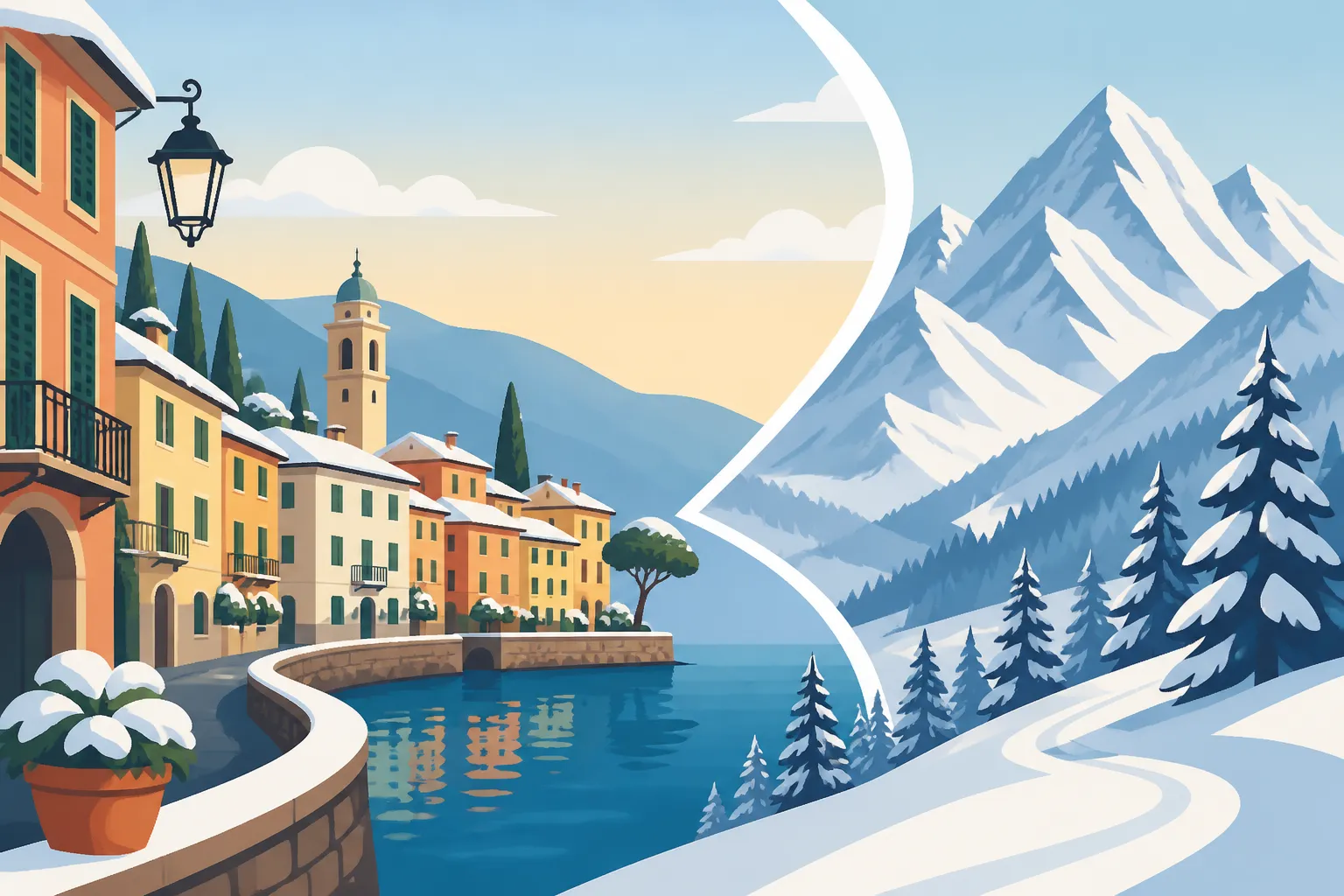
Choosing where to spend your winter days in Italy depends largely on the type of experience you seek. Art capitals focus on culture, gastronomy, and indoor exploration, whereas mountain destinations prioritize nature, active sports, and alpine wellness.
| Feature | Historic City Break (e.g., Rome) | Alpine Resort (e.g., Dolomites) |
|---|---|---|
| Primary Focus | Museums, Architecture, Shopping | Skiing, Snowshoeing, Thermal Spas |
| Typical Weather | Cool, Mild, Occasional Rain | Freezing, Crisp, Snowfall |
| Transport Needs | Trains, Metro, Walking | Rental Car or Specialized Shuttles |
| Pace of Travel | Leisurely, Cultural, Urban | Active Daytime, Cozy Evening |
| Dining Style | Historic Trattorias, Urban Bars | Rustic Rifugi, Hearty Alpine Huts |
Atmosphere, Budget, and Activity Profile Comparison
Historic cities offer exceptional value for budget-conscious travelers in winter. Lodging costs drop significantly outside of the holiday season (mid-December to early January), and walking through uncrowded streets costs nothing. The activity profile is predominantly cultural, centered on visiting world-class art collections, historic churches, and vibrant urban neighborhoods.
Mountain resorts, by contrast, operate on a peak winter pricing schedule. Because winter is high season in the Alps, accommodation, ski pass lift tickets, gear rentals, and mountain dining require a larger overall travel budget. However, the experience offers unmatched natural beauty, crisp mountain air, and high-energy outdoor activities that city breaks cannot match.
Combining both environments into a single itinerary offers the ultimate winter balance. Spending three or four days soaking in the art and gastronomy of a northern city like Milan, Turin, or Verona before taking a short train or drive into the nearby Alps creates a diverse, deeply rewarding vacation.
How to Balance Urban Exploration and Alpine Getaways
Connecting cities with mountain destinations requires thoughtful itinerary planning to avoid spending too much time in transit. Northern Italy offers ideal geography for this dual approach, as the transit corridors between major urban centers and the base of the Alps are well-developed and efficient.
Consider these recommended winter route combinations:
* The Venetian & Dolomite Loop: Start with three quiet winter days exploring the canals and museums of Venice, then travel north by car or bus into the heart of the Dolomites (such as Cortina d’Ampezzo or Val di Fassa) for skiing and mountain air.
* The Lombardy Cultural & Thermal Escape: Spend two days enjoying fashion, shopping, and art in Milan, then take a train north toward Lake Como and the Valtellina valley to relax in the natural hot springs of Bormio.
* The Piedmont Culinary & Alpine Track: Explore Turin’s grand arcades, royal palaces, and historic cafes before heading west into the Via Lattea (Milky Way) ski region near the French border for snow sports and rich mountain dining.
Using high-speed rail connections like High-Speed Trains in Italy: Trenitalia, Italo, Routes, and Savings allows you to move swiftly between regional hubs, ensuring your transit days are seamless and leave plenty of time for sightseeing.
Seasonal Delights: Winter Food, Wine, and Cultural Traditions
Italian cuisine is fiercely seasonal, and winter brings some of the most comforting, rich, and flavorful dishes to the table. As temperatures drop, menus transition from light pasta salads and fresh tomatoes to slow-cooked meats, earthy root vegetables, rich polenta, and hearty soups designed to warm you from the inside out.
Living in Italy during winter grants you access to authentic culinary rituals and festive calendar events that showcase the deep cultural pride of local communities. Dining becomes an event to be savored slowly, surrounded by warm atmosphere and rich regional traditions.
Hearty Winter Dishes and Comfort Food Across Regions
Winter gastronomy varies dramatically as you move across the country’s varied landscape. In northern regions like Lombardy and Piedmont, cornmeal polenta serves as the foundation for winter meals, topped with melted Taleggio cheese, braised beef (brasato), or wild mushroom ragù. Lombardy’s signature winter dish, cassoeula, combines savoy cabbage and pork in a rich, slow-simmered stew that has nourished locals for generations.
In Tuscany and central Italy, winter means savoring thick, rib-sticking vegetable stews like ribollita—a classic Tuscan dish made with day-old bread, cavolo nero (Tuscan kale), and cannellini beans. It is also truffle season in regions like Umbria and Piedmont, where fresh black and white truffles are shaved delicately over fresh egg pasta, fondue, or warm risotto.
To ensure you are dining where locals eat rather than falling for tourist-oriented menus, studying How to Find Authentic Restaurants in Italy (Not Tourist Traps) will help you spot true neighborhood osterias that serve genuine, scratch-made seasonal recipes. Look for chalkboard menus written in Italian that change daily based on fresh market findings.
| Region | Iconic Winter Dish | Key Ingredients |
|---|---|---|
| Piedmont | Bagna Cauda | Garlic, Anchovies, Olive Oil, Veg |
| Lombardy | Polenta e Brasato | Cornmeal, Slow-Braised Beef, Wine |
| Tuscany | Ribollita | Cavolo Nero, Beans, Stale Bread |
| Veneto | Risotto al Radicchio di Treviso | Rice, Red Chicory, Parmigiano |
| Emilia-Romagna | Tortellini in Brodo | Stuffed Pasta, Rich Capon Broth |
Holiday Festivities: Christmas Markets, Epiphany, and Local Sagre
The Italian winter calendar is filled with cultural celebrations that run from late autumn through early spring. The Christmas season officially begins on December 8, the Feast of the Immaculate Conception (L’Immacolata), when cities light up grand holiday trees and nativity scenes (presepi) are displayed in churches and public squares across the nation. Naples is world-famous for its handcrafted nativity figures along Via San Gregorio Armeno.
The holiday season extends through January 6, the Epiphany. According to Italian tradition, La Befana—a kindly old witch riding a broomstick—delivers sweets and toys to good children on the eve of the Epiphany, filling stockings hung over fireplaces. Attending local Epiphany parades and town square gatherings provides a charming look into traditional family celebrations.
As winter draws to a close in February, towns across Italy host Carnivale festivities featuring colorful parades, masks, and sweet fried pastries like chiacchiere or castagnole. Beyond Venice, dramatic floats and satirical displays take over coastal cities, best exemplified by the magnificent paper-mâché creations showcased during Carnival in Italy: Venice, Viareggio, and Beyond.
Embracing the quiet charm, culinary richness, and dramatic landscapes of an Italian winter opens up a side of the country that summer visitors simply never see. Whether you choose to wander through silent museum halls in Florence or slice through deep powder in the Dolomites, traveling during the colder months delivers an authentic, unforgettable Italian experience.
Disclaimer
This article is for general informational purposes only and does not constitute professional advice. Laws, prices and regulations vary by location and change over time. Consult a qualified professional for guidance on your specific situation.