How to Plan a Cycling Trip in Tuscany
Dreaming of pedaling through picturesque vineyards and past ancient olive groves in Tuscany sounds like an idyllic escape, doesn't it? It's a vision that draws so many of us here. But as with most things in Italy, turning that dream into a smooth reality requires a bit of planning and insider know-how, especially when you’re on two wheels. This guide will walk you through the nitty-gritty of organizing your very own unforgettable cycling adventure through Italy's most famous region.
Disclosure: This post may contain affiliate links. We may earn a commission at no extra cost to you if you make a purchase through these links. Read full disclosure.
Why Tuscany is a Cyclist's Dream and a Bit of a Challenge
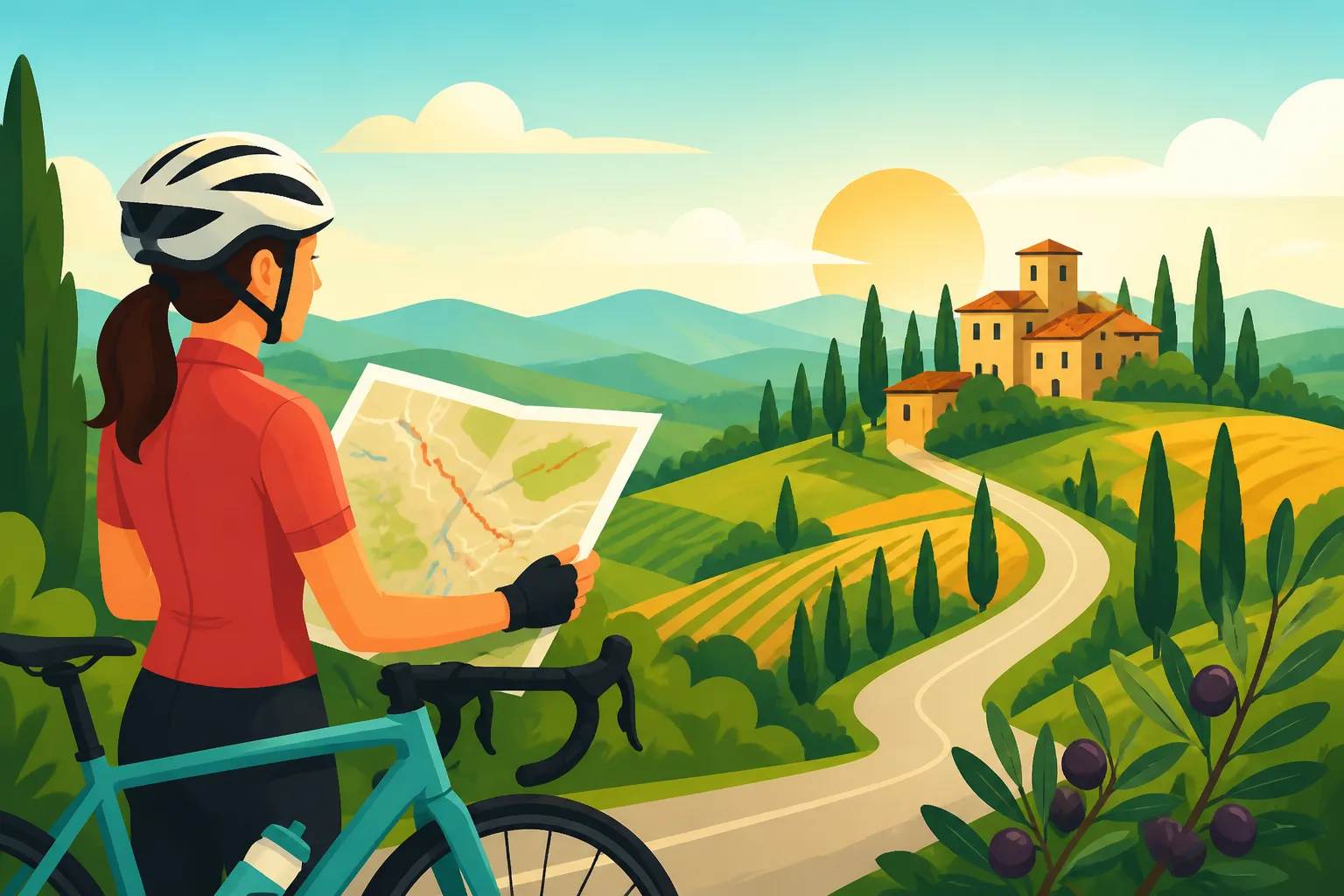
Tuscany has this magnetic pull for cyclists, and it’s not hard to see why. The landscape, dotted with cypress trees, medieval hilltop towns, and those iconic rolling hills, is simply breathtaking. Every turn in the road seems to reveal another postcard-perfect vista, begging you to stop, take a photo, and just breathe it all in. But let me tell you, those "rolling hills" are often serious climbs disguised as gentle undulations on a map!
The Allure of Tuscan Landscapes
There's something uniquely magical about cycling through Tuscany. Imagine pedaling along a quiet country road, the sun warming your back, the scent of wild herbs and freshly tilled earth in the air. You pass ancient farmhouses, vineyards stretching as far as the eye can see, and fields of sunflowers (if you time it right for summer). Stopping for a coffee in a tiny village piazza, where locals give you a curious but friendly glance, feels like stepping into a movie. This isn't just about covering distance; it's about immersing yourself in the rhythm of Italian life, one pedal stroke at a time. It's the kind of slow travel that lets you truly appreciate the nuances of the region.
The Reality Check: Hills, Heat, and Road Conditions
Now for a dose of reality from someone who’s been there: those gorgeous hills? They demand respect. Tuscany is not flat. Even what looks like a gentle climb on paper can turn into a lung-busting ascent, especially if you’re carrying any luggage or haven’t been hitting the spin classes religiously. Then there's the heat, particularly from June through August. Midday sun can be brutal, making those climbs feel twice as long. Hydration is key, and planning your rides for early mornings or late afternoons becomes essential.
And the roads themselves? While many major routes are well-paved, once you venture onto the secondary strade bianche (white roads, or gravel roads), conditions can vary wildly. Some are beautifully maintained, a joy to ride on a gravel or mountain bike. Others can be rough, dusty, or even muddy depending on recent weather, requiring a bit more skill and a sturdier bike. It’s important to research your specific routes beforehand to know what you’re getting into. Don't get me wrong, the views are worth it, but be prepared for a genuine workout!
Choosing Your Route and Terrain: From Leisurely Rides to Epic Climbs
Tuscany offers such a diverse range of cycling experiences that it can feel a bit overwhelming to pick just one. Are you a casual rider who wants to stop every 10km for a pastry, or are you chasing Strava segments and mountain KOMs? Your choice of route, and subsequently your bike, will depend heavily on your fitness level and what you want to get out of the trip.
Different Types of Cycling Experiences
You can absolutely have a gentle, leisurely cycling holiday in Tuscany. Think electric bikes (e-bikes) that assist your pedaling, making those "rolling hills" much more manageable, or sticking to flatter valley routes. These are perfect for couples or groups who want to enjoy the scenery, stop at wineries, and explore charming towns without feeling utterly exhausted. Many tour operators and rental shops offer e-bikes, and they've truly revolutionized cycling for a broader audience.
For the more serious road cyclists, Tuscany is legendary. The region hosts major professional races, and for good reason. The climbs are challenging, the descents exhilarating, and the landscapes provide endless motivation. You’ll find plenty of quiet asphalt roads, perfect for putting in serious mileage. And then there are the gravel enthusiasts! The strade bianche, particularly famous in areas like Val d'Orcia and the Chianti Classico region, offer a unique and often quieter experience away from traffic, reconnecting you with the older, more rustic side of Tuscany. Just make sure you have the right bike for it – a road bike won't cut it on some of these gravel paths.
Key Regions and Their Characteristics
Tuscany isn't a monolith when it comes to terrain. Each area has its own flavor:
- Chianti Classico: This is arguably the most famous wine region, known for its rolling hills, vineyards, and medieval villages like Greve in Chianti, Panzano, and Castellina in Chianti. The roads here are mostly paved, with plenty of climbs that reward you with incredible views over vineyards and olive groves. It's challenging but incredibly rewarding for road cyclists and e-bikers alike.
- Val d'Orcia: South of Siena, this UNESCO World Heritage site is the iconic Tuscany you see in postcards – those perfect golden fields, cypress avenues, and hilltop towns like Pienza and Montepulciano. This area features more strade bianche, making it a gravel cyclist’s paradise, though there are paved routes too. The climbs can be long but generally less steep than in Chianti.
- Maremma: Down on the coast, particularly around Grosseto, you'll find a different kind of Tuscany. It's flatter near the coast, with routes winding through pine forests and along the sea, offering a refreshing change of pace and less intense climbs. Inland, you'll still find hills, but the overall vibe is wilder, less manicured.
- Florence & Siena Hinterlands: Starting your journey from major cities like Florence or Siena immediately puts you into the classic Tuscan hill country. Routes radiating from these cities will quickly take you into scenic, challenging terrain. If you're based in Florence, consider day trips to explore the surrounding areas, though be prepared for city traffic before you hit the open road.
No matter where you choose, you'll find plenty of opportunities for incredible rides. To help you visualize the differences, here's a quick comparison:
| Region | Primary Terrain | Difficulty (Road Cycling) | Best For | Famous For |
|---|---|---|---|---|
| Chianti Classico | Paved rolling hills | Moderate to Hard | Road, E-bike | Wine, medieval villages, panoramic views |
| Val d'Orcia | Strade Bianche, paved | Moderate | Gravel, E-bike, Road | Iconic landscapes, hilltop towns (Pienza) |
| Maremma (Coastal) | Flat to gentle hills | Easy to Moderate | Leisure, E-bike, Road | Coastline, pine forests, wilder landscapes |
| Maremma (Inland) | Rolling hills, some gravel | Moderate | Road, Gravel, E-bike | Thermal springs, ancient Etruscan sites |
| Florence Hinterland | Rolling hills, some steep | Moderate to Hard | Road, E-bike, Day trips | Proximity to city, varied terrain |
Self-Guided vs. Guided Tours
This is a big decision point. A self-guided tour offers ultimate freedom. You set your own pace, choose your own routes, and decide where to stop for lunch or how long to linger over an espresso. However, it means you are responsible for all the planning: navigation, bike rentals, accommodation, and any roadside repairs. You’ll need good maps (or a GPS device), a solid understanding of basic bike mechanics, and the confidence to navigate in a foreign country. You can find detailed cycling maps and apps, but knowing how to read them and staying aware of road signs (or lack thereof) is crucial.
A guided tour, on the other hand, takes all the guesswork out of it. These tours typically include daily luggage transfers, planned routes, support vehicles, and often a knowledgeable guide who can share insights into the region. Companies like offer various cycling tours, from leisurely e-bike trips to challenging road cycling adventures, complete with charming accommodation and delicious meals. If you're nervous about tackling Tuscan roads solo, or if you simply want a stress-free experience where all you have to do is ride, a guided tour is an excellent option. It also means you’re with a group, which can be a pro or a con depending on your preference!
Logistics: Getting There, Getting Around, and Gearing Up
The practicalities of a cycling trip can make or break the experience. Italy is generally quite accessible, but specific regional knowledge helps immensely.
Transporting Bikes or Renting Locally
If you're bringing your own bike, you'll need a bike bag or box, and then you'll need to deal with airline luggage policies. Once in Italy, transferring your bike from the airport to your starting point can be tricky. While some larger trains in Italy allow bikes (often with specific restrictions or dedicated bike compartments, usually on regional lines), it's not always straightforward, especially if you're using high-speed trains like those booked via Omio, which generally require bikes to be disassembled and bagged. For long-distance travel, it might be easier to use a luggage transfer service.
For most people, renting a bike locally is the most convenient option. Tuscany has numerous reputable bike rental shops, especially in major cities like Florence and Siena, and in popular cycling hubs like Gaiole in Chianti. You can rent high-quality road bikes, gravel bikes, touring bikes, and e-bikes. Many rental companies also offer delivery and pick-up services to your accommodation. Always reserve your bike in advance, especially during peak season, and make sure it’s the right size and type for your planned routes. Check what’s included: helmet, lock, repair kit, pump, and computer are standard. If you need a bike for longer-term exploration or want to compare local options, asking in expat groups or forums can often yield great suggestions for local shops.
Accommodation Options and Bookings
Finding the right place to stay is crucial for a cycling trip. You’ll want comfortable beds, good food, and perhaps a safe place to store your bike.
- Agriturismi: These are working farms that offer accommodation, often with stunning views, delicious home-cooked meals, and a tranquil atmosphere. Many are wonderfully bike-friendly, with secure storage and sometimes even tools or wash stations. They’re usually located in the countryside, perfect for direct access to scenic routes. You can find a vast array of options on sites like Booking.com, often with specific filters for bike-friendly amenities.
- Hotels & B&Bs: In towns and cities, hotels and B&Bs offer more conventional lodging. Look for places that explicitly state they have secure bike storage or are used to hosting cyclists. Some boutique hotels in smaller towns might be particularly charming.
- Villas: If you’re traveling with a group, renting a villa can be a fantastic option, offering space, a kitchen, and often a pool for post-ride relaxation. This gives you a home base for your excursions.
Booking.com is an invaluable tool for finding accommodation across Tuscany. I always recommend filtering by location, price, and checking reviews from other cyclists if possible. Look for comments about bike storage, ease of access, and proximity to quiet roads. Remember that many places, especially agriturismi, require a car to reach, so factor that into your planning if you're not cycling directly to your accommodation. For those thinking about putting down roots, understanding the long-term rental market is covered in articles like The Ultimate Guide to Renting and Buying a Home in Italy.
Essential Gear, Safety, and Road Rules
Beyond the bike itself, a few items are non-negotiable:
- Helmet: Mandatory. No exceptions.
- Padded Cycling Shorts: Your derrière will thank you.
- Layers: Even in summer, mornings can be cool, and afternoons hot.
- Water Bottles & Hydration Pack: Carry more water than you think you need. Refill whenever possible.
- Sunscreen & Sunglasses: The Tuscan sun is no joke.
- Basic Repair Kit: Spare tube, tire levers, pump, multi-tool. Even if you rent, it’s good to have.
- GPS Device/Smartphone with Maps: Essential for navigation. Download offline maps for areas with spotty signal.
- Lights: Front and rear lights are crucial, especially if you anticipate riding near dawn or dusk, or through tunnels.
Safety and Road Rules:
Italy drives on the right. While many Tuscan country roads are quiet, be aware of cars, especially on blind corners. Italian drivers can be… assertive. Always assume they haven't seen you. Wear bright clothing. A useful safety measure for any trip is to know about Emergency Medical Services in Italy: 112 and Hospitals and how to access them, just in case.
Roads can be narrow, and cyclists often share space with cars. Keep an eye out for potholes, gravel, and sometimes surprisingly rough patches of asphalt. Be particularly careful on descents, as road surfaces can be unpredictable. If you're doing longer rides that involve getting to and from cities, familiarize yourself with public transportation options in case you need a lift, for instance, by checking out guides on High-Speed Trains in Italy: Trenitalia, Italo, Routes, and Savings or Regional Trains in Italy: How to Use Them and Save. For those opting to transport themselves and their bikes by car at times, remember that Renting a Car in Italy: ZTLs, Insurance, and Driving Tips offers critical information about restricted driving zones.
Eating, Drinking, and Resting: Fueling Your Tuscan Adventure
A cycling trip in Tuscany isn't just about the miles; it's about the entire experience, and that absolutely includes the incredible food and wine. This is Italy, after all!
Culinary Delights: Refueling the Tuscan Way
Forget your bland energy bars for every meal. In Tuscany, every meal is an event, a chance to refuel and savor local specialties. After a challenging morning ride, there's nothing better than stopping at a small trattoria for a hearty plate of pappa al pomodoro (a thick tomato and bread soup), ribollita (vegetable and bread soup), or a wild boar ragu. Fresh pasta, olive oil, and crusty bread will quickly become your best friends.
For quick stops, look for alimentari (small grocery stores) or panifici (bakeries) for a schiacciata (Tuscan focaccia) or a simple panino. And of course, gelato! There’s no better reward after a tough climb than a scoop (or two!) of authentic artisanal gelato. Don't forget to stay hydrated with plenty of water, and perhaps a fresh spremuta d'arancia (fresh orange juice). To truly dive into the local food scene, you might want to read up on Italian Food Culture: Eating Well as a Visitor.
Wine, Coffee, and Aperitivo Culture
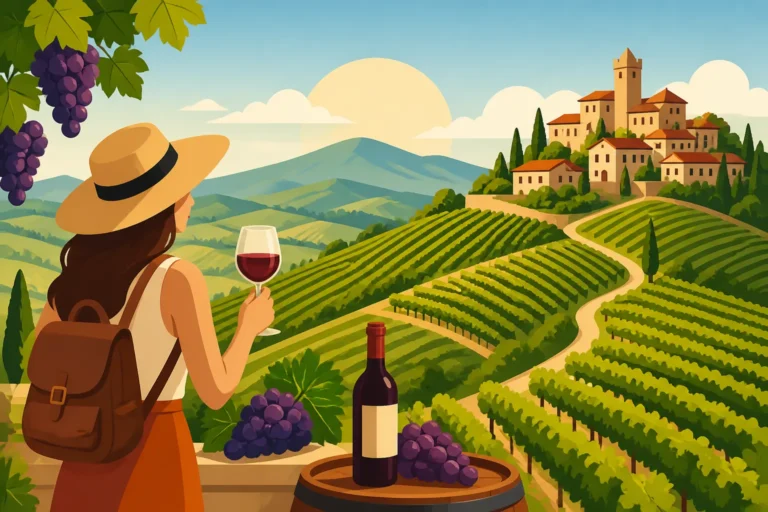
Tuscany is world-renowned for its wines, especially Chianti Classico, Brunello di Montalcino, and Vino Nobile di Montepulciano. A cycling trip provides the perfect opportunity to visit a vineyard, learn about the winemaking process, and enjoy a tasting. Just remember: save the serious tastings for after your ride! Many agriturismi and wineries are happy to ship bottles home for you, so you don't have to worry about carrying them on your bike.
Coffee is another non-negotiable part of Italian life. Start your day with a strong cappuccino or caffè latte, and punctuate your rides with quick caffè al banco (espresso at the bar) stops. These provide a much-needed energy boost and a glimpse into local life.
And then there's the aperitivo. As the day winds down, usually before dinner, Italians enjoy a pre-meal drink accompanied by snacks. This is the perfect way to relax your tired muscles. Find a local bar, order a Spritz, a glass of local wine, or a Negroni, and enjoy the complimentary nibbles. It’s a wonderful way to unwind and discuss the day’s adventures. For more on this delightful ritual, check out Italian Wine, Coffee, and Aperitivo Culture.
The Importance of Rest Days
While it might be tempting to cycle every single day, especially with so much beauty to explore, building in rest days is crucial. Your body will thank you, and it gives you a chance to experience Tuscany in a different way. Use a rest day to explore a town on foot, visit a museum (like those in Florence or Siena), indulge in a spa treatment, or simply relax by a pool at your agriturismo. It’s also a good opportunity to do laundry, catch up on journaling, or simply enjoy the slower pace of Italian life. Remember, this is a vacation, not a race. Integrating rest allows you to fully appreciate the journey. Understanding Italian Customs, Etiquette, and Social Life can also enhance these slower moments.
Disclaimer
The information provided in this guide is for general informational purposes only and does not constitute professional advice. While we strive to provide accurate and up-to-date information, local regulations, prices, and availability can change. Always verify details with official sources, local authorities, or trusted service providers before making travel or financial decisions. Cycling carries inherent risks; always prioritize your safety, wear appropriate gear, and adhere to local traffic laws.