How to Spend a Weekend in Milan
Many travelers treat Milan as a mere transit point, rushing through the Duomo before fleeing to the more picturesque hills of Tuscany or the canals of Venice. This guide solves the "one-day mistake" by providing a meticulous weekend blueprint that reveals Milan’s hidden layers, from its gritty-chic canals to its futuristic skyscrapers, ensuring you experience the city like a local.
Disclosure: This post may contain affiliate links. We may earn a commission at no extra cost to you if you make a purchase through these links. Read full disclosure.
Logistics and Arrival: Navigating the Milanese Concrete Jungle
The first hurdle most expats and tourists face is simply getting into the city without losing their minds—or their luggage. Unlike Rome, which can feel like an open-air museum, Milan is a living, breathing financial hub. It is fast-paced, and the infrastructure reflects that. If you are arriving from elsewhere in Europe or Italy, you will likely pull into Stazione Centrale. It is a stunning piece of monumental architecture, but it is also a labyrinth.
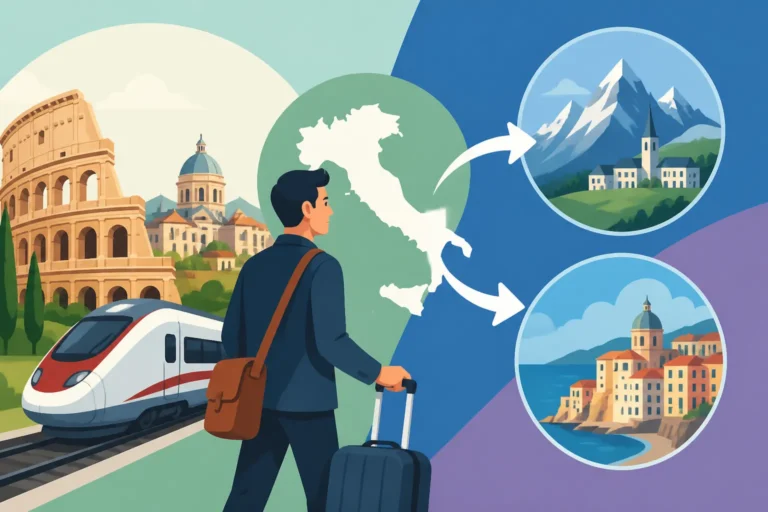
To simplify your arrival, I always suggest checking your options on Omio before you even pack your bags. Whether you are taking the high-speed Frecciarossa from Rome or a bus from the mountains, seeing all the transit times and prices in one place saves you from the frantic ticket machine scramble. Once you’re at Centrale, you’ll need to master the metro. The yellow line (M3) and green line (M2) both pass through here, and while they are efficient, they can be overwhelming during the 6:00 PM rush. For more detailed help on this, check out our guide on Getting Around Italian Cities: Metro, Tram, and Buses.
Getting In and Setting Up Your Base
If you are flying, you are likely landing at Malpensa. Do not make the rookie mistake of taking a taxi into the center unless you have a corporate expense account; it will cost you a flat rate of nearly 100 Euros. Instead, the Malpensa Express train is your best friend. For a breakdown of the specifics, you can read How to Get From Milan Malpensa Airport to the City Center. Once you arrive, choosing where to stay is the next critical decision. Milan’s neighborhoods vary wildly in vibe.
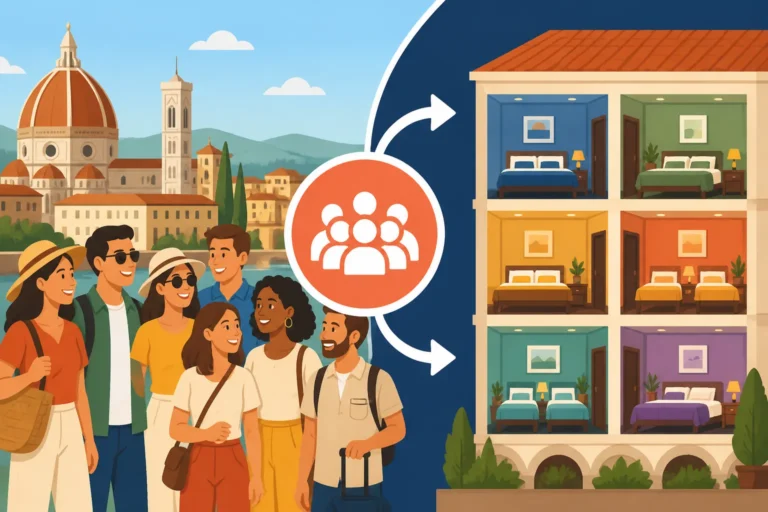
I usually tell people to look on Booking.com for boutique hotels in the Brera or Navigli districts rather than sticking right next to the Duomo. Staying near the Duomo is convenient, but you will pay a "tourist tax" in the form of overpriced coffee and noisy streets. Brera offers that classic, cobbled Italian feel, while Navigli is perfect for those who want to be steps away from the best nightlife in the city. Using a platform like Booking.com allows you to filter for "genius" deals which, in an expensive city like Milan, are a godsend.
Mastering the Local Rhythm
Milanese life is dictated by the clock. Unlike the south of Italy, where "ten minutes late" is actually "early," Milan runs on a tighter schedule. Shops generally open at 10:00 AM and restaurants have very specific windows for service. If you try to find a sit-down lunch at 3:30 PM, you will likely end up with a sad, pre-packaged sandwich from a vending machine. To avoid this frustration, familiarize yourself with What Time Do Italians Eat Lunch and Dinner? so you can plan your museum visits around your meals.
Friday Evening and Saturday: Art, History, and the Golden Quadrilateral
Your weekend should begin with a slow immersion into the city's sophisticated atmosphere. Friday evening in Milan is synonymous with one thing: the aperitivo. This is not just a happy hour; it is a cultural institution. You pay for a drink—usually a Negroni or a Spritz—and gain access to a buffet of snacks ranging from simple olives to complex pasta salads and focaccia. For the uninitiated, we have a complete breakdown in our post on What Is an Aperitivo and How Do You Order One?.
Saturday Morning: The Gothic Giant and the Last Supper
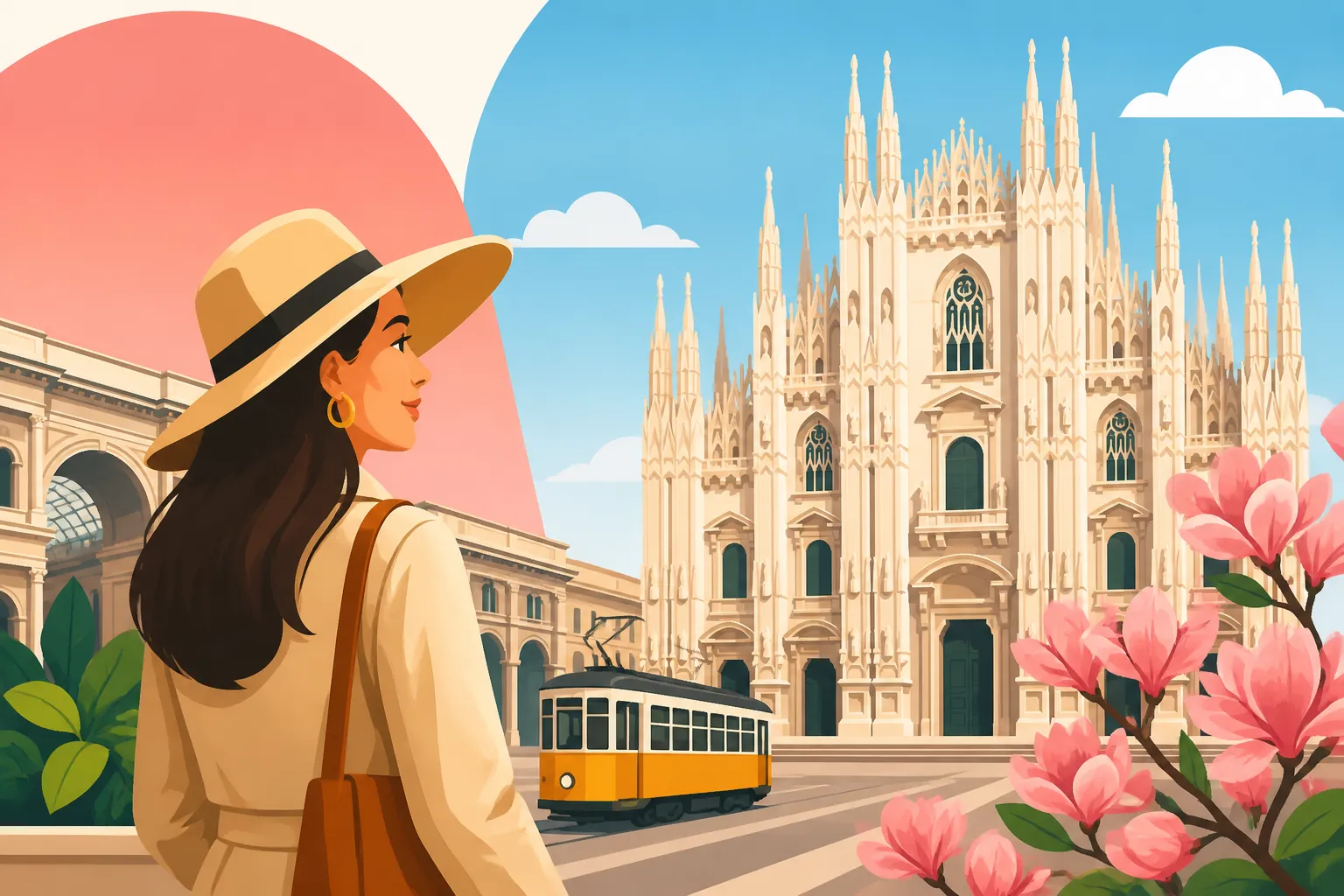
Start your Saturday early at the Duomo. It is the third-largest church in the world and truly takes your breath away, but the queues are legendary. I strongly recommend booking a rooftop access ticket via GetYourGuide. Walking among the spires and looking out over the city toward the Alps is far more rewarding than just standing in the nave. GetYourGuide often has "skip-the-line" options that include the museum and the archaeological area beneath the cathedral, which are worth the extra few Euros to avoid standing in the sun for two hours.
After the Duomo, take a short walk through the Galleria Vittorio Emanuele II—the "living room" of Milan. Yes, the cafes here are expensive, but the architecture is magnificent. From there, you should head toward the Church of Santa Maria delle Grazie. This is where Leonardo da Vinci’s "The Last Supper" resides. Note that you cannot just walk in; tickets must be booked months in advance. If you missed the official window, sometimes GetYourGuide has last-minute guided tours that bundle the entry with a city walking tour. For more context on this masterpiece, read How to See Da Vinci's Last Supper in Milan.
Saturday Afternoon: Brera and the Art of the Stroll
Once you’ve checked off the big monuments, it’s time to find the soul of the city in Brera. This is the artists' quarter, home to the Pinacoteca di Brera. Even if you don't go inside the gallery, the surrounding streets like Via Fiori Chiari are perfect for "Bella Figura"—the Italian art of making a good impression. This is also where you will find some of the best boutique shopping.
While you are wandering, keep an eye out for high-quality food. It is easy to fall into tourist traps near the main squares. To ensure you’re eating the real deal, consult our guide on How to Find Authentic Restaurants in Italy (Not Tourist Traps). Saturday evening should be spent in the Navigli district. These ancient canals were once used to transport the marble for the Duomo, but today they are lined with bars and restaurants. It is the heart of Milanese youth culture and the best place to people-watch.
| Neighborhood | Vibe | Best For | Transit Access |
|---|---|---|---|
| Brera | Artistic, Chic, Traditional | Boutique shopping, Galleries | Metro Green Line (Lanza) |
| Navigli | Bohemian, Vibrant, Gritty | Nightlife, Aperitivo, Vintage markets | Metro Green Line (Porta Genova) |
| Porta Nuova | Futuristic, Corporate, Sleek | Architecture, Luxury, Green spaces | Metro Yellow/Green (Garibaldi) |
| Duomo/Center | Touristy, Grand, Busy | Sightseeing, Department stores | Metro Red/Yellow (Duomo) |
| Isola | Hipster, Community-focused | Street art, Jazz clubs, Local cafes | Metro Purple Line (Isola) |
Sunday: Modern Milan and Hidden Local Gems
Sunday in Milan is a bit quieter, which makes it the perfect time to explore the city's modern evolution. While most people think of Milan as "old," the city has undergone a massive transformation in the last decade, particularly in the Porta Nuova district.
The Vertical Forest and Piazza Gae Aulenti
Start your Sunday at Piazza Gae Aulenti. This circular piazza is surrounded by glass skyscrapers, including the Unicredit Tower, the tallest building in Italy. Just a short walk away is the Bosco Verticale (Vertical Forest), two residential towers covered in thousands of trees and plants. It’s a marvel of sustainable architecture and a stark contrast to the stony grandeur of the city center. This area is great for a Sunday morning stroll before the crowds arrive. For a broader look at the city’s layout, see our Milan City Guide: Fashion, Art, and the Duomo.
From Porta Nuova, walk toward the Isola neighborhood. Once a working-class enclave "isolated" by the train tracks, it is now one of the trendiest spots in the city. It’s full of street art, local markets, and family-run bakeries. It’s the perfect place to grab a "caffè" and a "brioche" while watching the locals buy their Sunday papers. If you're planning your onward journey from here, you might use How to Use the Trenitalia App to Plan Train Travel to check the Sunday schedules, as they can differ from weekdays.
Afternoon: Sforza Castle and Parco Sempione
Spend your final afternoon at the Castello Sforzesco. This massive fortress once housed the ruling Sforza family and now contains several museums, including Michelangelo’s unfinished "Pietà Rondanini." Behind the castle lies Parco Sempione, the city’s green lung. On a sunny Sunday, you’ll see families picnicking, musicians practicing, and people jogging. It is the ultimate spot to decompress before heading home.
Before you leave, you absolutely must grab one last gelato. However, be careful—Milan is full of "fake" gelato with bright, artificial colors stacked high in the windows. To make sure your weekend ends on a high note, read How to Tell Real Gelato From Fake in Italy.
Practical Tips for a Smooth Weekend
The difference between a stressful weekend and a magical one in Milan often comes down to the small details. First, the "Coperto." When you sit down at a restaurant, you will see a charge of 2 to 4 Euros per person for "bread and cover." This is normal and expected; it is not a scam, but it does mean you don't need to tip excessively.
Second, watch out for the ZTL (Zona Traffico Limitato). If you have ignored my advice and decided to drive into Milan, be aware that most of the center is restricted. Entering these zones without a permit will result in a hefty fine that will follow you across the border. If you are comparing Milan to other major stops on your trip, you might find our comparison How to Spend 48 Hours in Venice useful for gauging pace and costs.
Packing and Etiquette
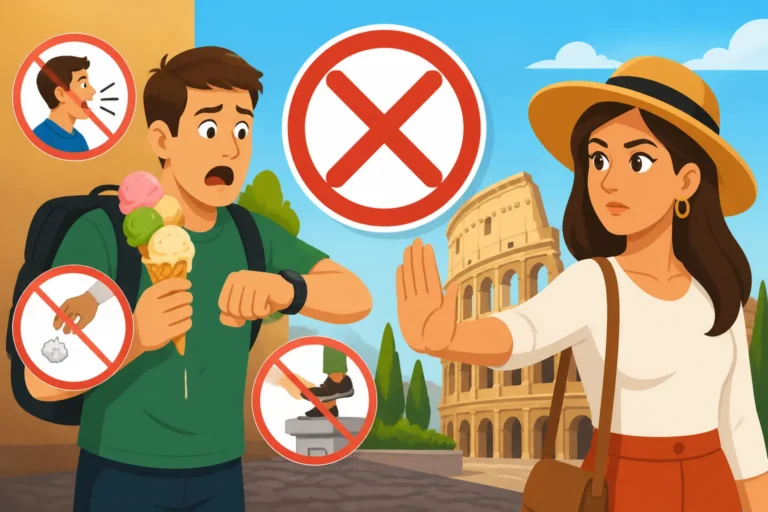
Milan is the fashion capital of the world, and while you don't need to wear a tuxedo to get a pizza, the locals do tend to dress up. "Bella Figura" is real. Avoiding flip-flops and gym shorts in favor of "smart-casual" attire will generally get you better service and a warmer welcome in local establishments. Also, keep your phone and wallet secure, especially in crowded areas like the Duomo or on the 90/91 circular bus lines, which are notorious for pickpockets.
Lastly, remember that many shops and even some smaller restaurants might be closed on Sunday afternoons or Monday mornings. Always check Google Maps or the venue's website before making a long trek across the city. Milan is a rewarding city, but it requires a bit of strategy to truly unlock its charm.
Disclaimer
The information provided in this guide is based on personal experience and current travel data. While we strive for accuracy, travel conditions, opening hours, and local regulations in Italy can change frequently. Always verify specific details with official sources before your trip. This guide is for informational purposes only and does not constitute professional legal or financial advice regarding residency or immigration.