Short-Term Rental Regulations in Florence: 2026 Update
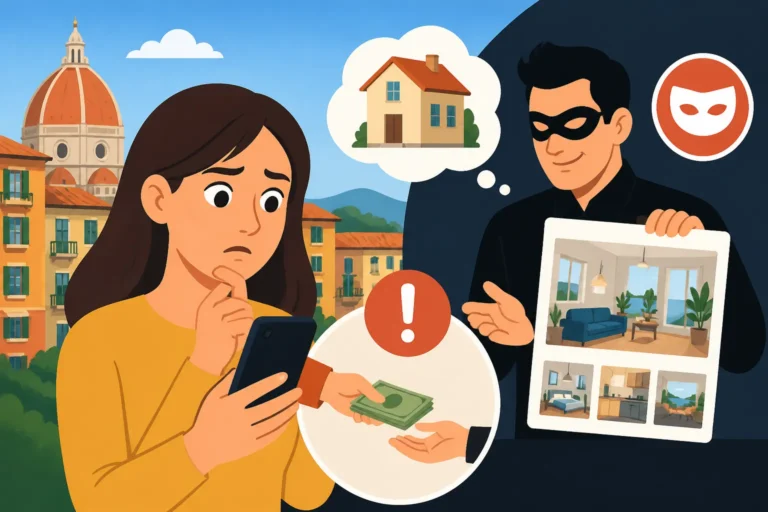
Finding a temporary apartment in Florence without getting scammed or abruptly canceled is a bureaucratic nightmare. I nearly ended up stranded when my unregistered rental was shut down by municipal police just days before my arrival. This guide breaks down Florence’s strict 2026 short-term rental laws, identifying illegal listings and explaining how expats can secure compliant bridge housing safely.
Disclosure: This post may contain affiliate links. We may earn a commission at no extra cost to you if you make a purchase through these links. Read full disclosure.
The 2026 Regulatory Landscape for Florence Rentals
In the past few years, the Italian government and municipal authorities have waged an aggressive war against overtourism and illegal hospitality. Florence has been ground zero for these regulatory crackdowns. If you are arriving in the city hoping to easily snag a month-long vacation rental while you search for a permanent home, you are walking into a heavily policed, highly restricted market.
The Historic Center Ban on New Short-Term Leases
Florence’s ban is not a rumor; it is a rigid municipal reality. In a desperate bid to preserve the residential fabric of the city, the local government froze the authorization of any new non-entrepreneurial short-term tourist rentals within the UNESCO historic boundary. Properties active before the cutoff are grandfathered in, but they must meet stringent new regulations, including a minimum surface area of 28 square meters and mandated installation of fire extinguishers and gas detectors.
For an expat, this means the inventory of legal short-term housing in central neighborhoods like San Giovanni, Santa Croce, and Santo Spirito has plummeted. The units that remain are priced at an absolute premium, catering to wealthy vacationers rather than digital nomads or relocating professionals utilizing Italy’s new digital residency pilot for expats. If an unverified host offers you a suspiciously cheap month-long stay near the Uffizi, tread carefully. The municipality issues fines between 1,000 and 10,000 euros for unapproved operations. If the financial police raid the building, your booking will be terminated on the spot, leaving you scrambling for shelter with your suitcases on the cobblestones.
The National CIN Code Requirement
Since the start of 2025, Italy rolled out the Codice Identificativo Nazionale (CIN) across all municipalities. This 15-character alphanumeric code is tied to the Banca Dati nazionale delle Strutture Ricettive (BDSR). Every single property rented for tourist or short-term purposes must possess this code.
As a foreigner, you must demand to see the CIN before transferring a deposit. It must be prominently displayed on the digital listing and on a plaque outside the physical property. If the host claims they are “processing” it or that it is “not needed,” they are operating illegally. Entering into an agreement with an unregistered host means your housing contract is legally void. You cannot use a void contract to establish your legal domicile, which is a mandatory step when organizing your Checklist: All You Need Before Moving to Italy. The Italian bureaucracy requires a seamless paper trail; if your address is legally non-existent because the host is dodging taxes, your entire immigration profile is compromised.
How Expats Can Secure Legal Bridge Housing
Because true short-term tourist rentals (under 30 days) are now prohibitively expensive and strictly capped, the most effective strategy for an incoming expat is to bypass the tourist market entirely.
Shifting to Medium-Term Transitional Contracts
Instead of hopping between weekly rentals, you should immediately look for a contratto ad uso transitorio (transitional contract). These are medium-term leases ranging from one to eighteen months, specifically designed for students, temporary workers, and expats in transition. Because these are categorized as residential leases rather than tourist accommodations, they are exempt from the draconian UNESCO short-term bans.
To find these, relying on platforms built for mid-term stays is essential. Using Spotahome is an incredibly effective workaround because Spotahome focuses heavily on vetting properties for month-to-month and transitional leases rather than weekend tourist stays. When you book through Spotahome, you are securing a property where the landlord expects a legal, registered medium-term tenant. A registered transitional contract provides you with a legitimate paper trail, which is absolutely mandatory when you are tracking How long after entry to apply for a residence permit in Italy. By relying on platforms geared toward longer stays like Spotahome, you eliminate the anxiety of arriving to find your apartment raided by the authorities, as the inventory aligns with compliant residential standards.
Avoiding the Punitive Tourist Tax
Another massive financial drain of short-term rentals is the imposta di soggiorno (tourist tax). Florence levies one of the highest tourist taxes in the country, often hitting up to 5.50 euros or more per person, per night, for the first seven consecutive nights of any tourist stay. If you are bouncing between short-term rentals while apartment hunting, you are bleeding cash to the municipality.
Transitional contracts bypass this entirely. When you secure a medium-term lease and register it properly with the Agenzia delle Entrate, you are no longer classified as a tourist. The nightly municipal surcharge disappears. This registered lease is also the golden ticket required to demonstrate your physical address when securing your immigration status. You must ensure your housing aligns perfectly with the rules outlined in Acceptable financial proof for Italy self-employment visa to avoid rejections based on unstable or illegal living conditions. If your spouse is navigating the Conditions for working while on Italy Family Reunification Visa, a registered lease proves your household is legally anchored in the community.
| Feature | Short-Term Tourist Rental (Under 30 Days) | Transitional Contract (1 to 18 Months) |
| UNESCO Center Ban | Strictly applies to new registrations | Exempt (Classified as residential) |
| CIN Code Required | Absolutely mandatory | No (Requires standard contract registration) |
| Nightly Tourist Tax | Yes (Up to €5.50+ per person/night) | No |
| Immigration Validity | Rejected by immigration authorities | Fully accepted for residency and permits |
| Best Used For | Vacations, scouting trips under two weeks | Bridge housing while apartment hunting |
Logistical Hacks for Your Temporary Move
Securing the apartment is only the first step. Operating in Florence during your first few weeks requires navigating a digital and physical infrastructure that is highly hostile to newcomers who lack local identification.
Staying Connected During the Apartment Hunt
To verify a landlord’s CIN or check a property’s legal status on the government portal, you need immediate mobile data. You cannot rely on public Wi-Fi in Florence, which is notoriously spotty inside thick stone buildings. However, Italian telecom companies require a Codice Fiscale (tax code) and a registered address to issue a physical SIM card, which you do not have on day one.
This bureaucratic loop is easily broken by using Airalo. By downloading an Airalo eSIM before your plane lands, you secure high-speed Italian data the moment you arrive, entirely bypassing the local telecom paperwork. Having an active Airalo connection means you can instantly message real estate agents on WhatsApp, cross-reference CIN codes on the BDSR database, and navigate the labyrinthine streets of the historic center without begging for a Wi-Fi password. Do not underestimate how crucial constant connectivity is when organizing viewings and managing the intense paperwork required for Timelines for picking up your permesso di soggiorno in Italy. With Airalo, your smartphone remains an uninterrupted administrative lifeline during your most vulnerable weeks.
Equipping Your Unfurnished Temporary Flat
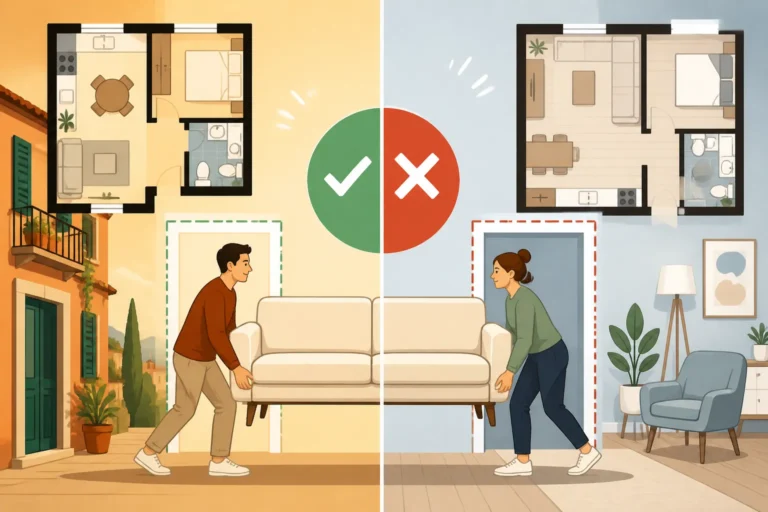
The reality of transitioning away from premium short-term tourist traps is that medium-term Italian apartments are often sparsely furnished. You will likely find a bed and a basic kitchen, but you will often need to buy your own linens, specific cookware, or a desk fan to survive the brutal Florentine summer.
Since you are in a temporary flat, you probably do not have your name officially listed on the building’s main brass intercom, meaning traditional local courier deliveries will fail. To bypass this, veteran expats rely heavily on Amazon Italy. You can order essential household items on Amazon Italy and route them directly to an automated locker located in a nearby supermarket, gas station, or post office. Utilizing these localized lockers guarantees that your packages are safe and accessible on your own schedule, eliminating the stress of missing a delivery simply because your name is not yet registered with the condominium.
As you settle in and eventually transition from your medium-term bridge housing into a permanent four-year lease, your administrative duties will shift again. You must remember to execute the precise steps in How to change your address with the Questura in Italy to ensure your police file matches your new registered lease. Administrative hygiene is everything here; suffering the Consequences of losing your permesso di soggiorno card or facing an audit simply because your paperwork references an old, unregulated short-term rental address will derail your entire expat experience. Whether you hold a standard work visa or benefit from the Italian visa policy for dual nationals, staying ahead of Florence’s rental regulations guarantees your time in Italy starts with security, not an eviction notice. Even temporary visitors should remain vigilant about broader border regulations, as keeping track of the Italy’s ETIAS implementation date and what travelers need will soon dictate how long you can even stay to hunt for an apartment in the first place.
References
Primary sources (official)
- Ministero del Turismo (Official BDSR and CIN portal): https://bdsr.ministeroturismo.gov.it/
- Comune di Firenze (Official Municipality Portal for Housing and Urban Rules): https://www.comune.fi.it/
- Agenzia delle Entrate (Italian Revenue Agency – Rental Contracts): https://www.agenziaentrate.gov.it/
Other helpful sources
- Portale Immigrazione (Official Immigration Portal): https://www.portaleimmigrazione.it/
- Polizia di Stato (Questura Information): https://www.poliziadistato.it/
Disclaimer
The information provided in this article is for general informational purposes only and does not constitute official legal, real estate, or immigration advice. Municipal short-term rental zoning laws, the enforcement of the national CIN code, and taxation rates are subject to frequent and sudden legislative changes by the Italian government and the City of Florence. Always verify current administrative requirements directly with the Comune di Firenze, the Agenzia delle Entrate, or a licensed Italian real estate attorney before signing any leasing agreements or transferring rental deposits.