Visiting Italy in Summer: Heat, Crowds, and Coastal Escapes
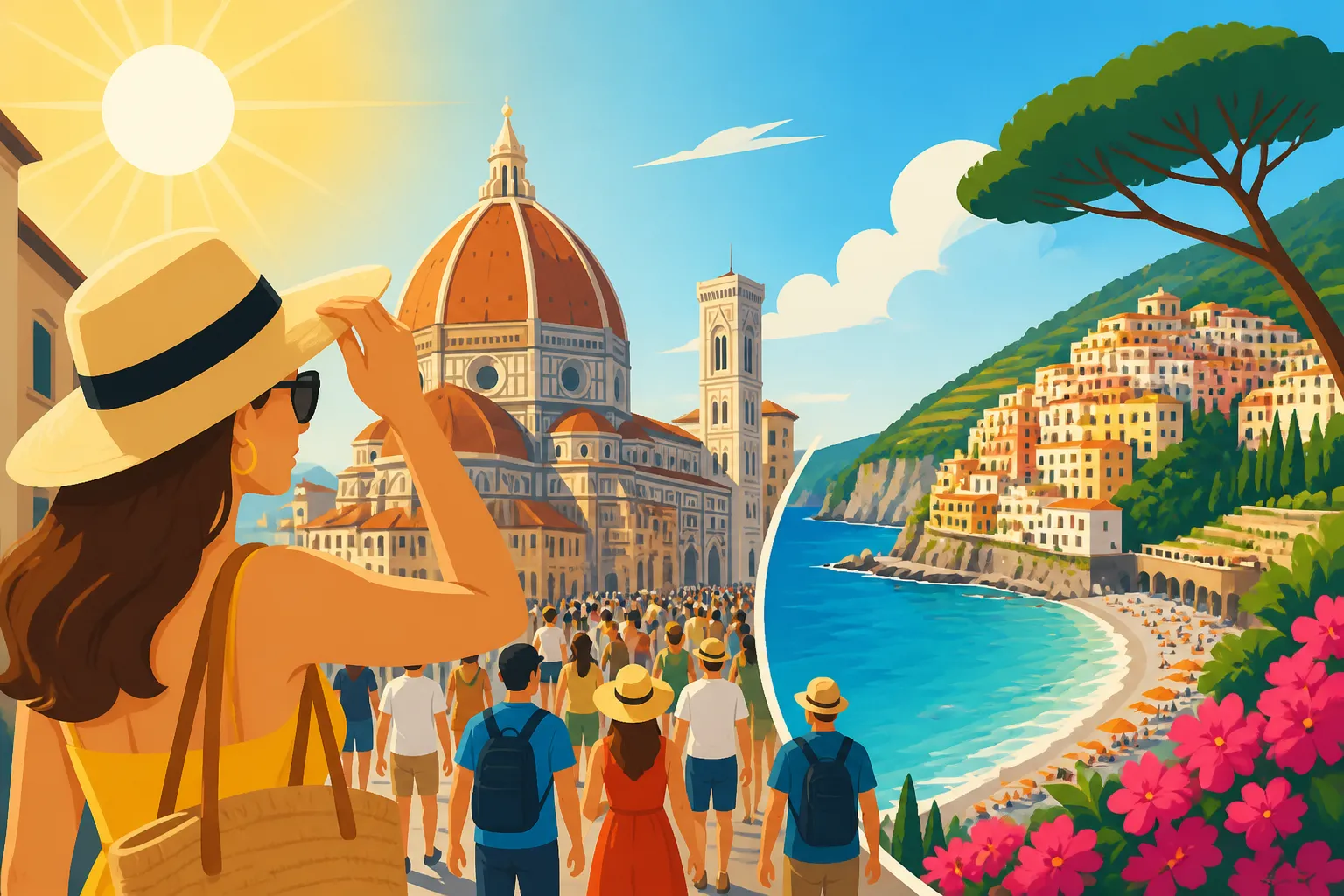
Ah, summer in Italy! It sounds like a dream, doesn't it? Postcards brimming with sun-kissed beaches, ancient ruins under a perfect blue sky, and endless gelato. But let me tell you, as someone who's lived through many Italian summers, the reality can sometimes hit you harder than a Roman heatwave. The sheer number of fellow travelers, the intense humidity, and the feeling that you're constantly chasing a patch of shade can be overwhelming. This guide is here to give you the unvarnished truth and equip you with all the seasoned strategies you'll need to not just survive, but truly savor your Italian summer, avoiding common pitfalls and discovering genuine joy amidst the heat and crowds.
Disclosure: This post may contain affiliate links. We may earn a commission at no extra cost to you if you make a purchase through these links. Read full disclosure.
The Italian Summer Dream vs. Reality: Heat, Humidity, and Hordes
When you first picture summer in Italy, your mind probably conjures images of la dolce vita: sipping Aperol Spritz by a sparkling coastline, leisurely exploring charming cobblestone streets, and enjoying long, balmy evenings outdoors. It’s easy to get swept away by the romantic ideal, and Italy certainly delivers on beauty and charm. Yet, beneath that idyllic surface lies a reality that often catches first-time visitors off guard, transforming that dream into a sweaty, crowded, and sometimes frustrating experience.
The Siren Song of Summer in Italy
There’s no denying the magnetic pull of Italy during the summer months. Schools are out, the sun is guaranteed (mostly!), and the entire country seems to burst into life with vibrant festivals, outdoor dining, and an infectious holiday spirit. From the dramatic cliffs of the Amalfi Coast to the rolling vineyards of Tuscany, every corner of Italy promises a picturesque escape. It’s the season for long days, al fresco meals, and experiencing the country at its most energetic. You imagine yourself effortlessly blending in, perhaps even speaking a few words of Italian, navigating the local markets, and soaking in centuries of history under a golden sun. The idea of sun-drenched beaches and azure waters, coupled with world-class food and wine, is simply irresistible. This is the promise that draws millions, and it’s a beautiful promise indeed.
Battling the Summer Caldo (Heat)
Now, let's talk about the caldo. Italian summers, especially from July through August, are hot. And not just "warm vacation" hot, but often "melt-your-face-off-and-feel-like-you're-breathing-soup" hot. Cities like Rome, Florence, and even Milan can see temperatures soaring well into the high 30s Celsius (90s Fahrenheit), often accompanied by stifling humidity, particularly in the Po Valley or coastal areas. Walking around ancient ruins or climbing endless steps to panoramic viewpoints quickly becomes an endurance test rather than a pleasant stroll. You'll find yourself sweating through clothes within minutes, constantly seeking out shade, and chugging water like it's going out of style. The heat isn't just uncomfortable; it can be genuinely draining and even dangerous if you're not prepared. Many shops and businesses in smaller towns still observe a midday ripeso, closing for a few hours to escape the worst of the afternoon sun, a tradition you'll quickly learn to appreciate and adopt.
Navigating the Folla (Crowds) of High Season
Beyond the heat, the biggest reality check is often the sheer volume of people. Summer is peak tourist season, and everyone, from international travelers to Italians on their annual ferie (holiday), descends upon the country's most iconic destinations. Imagine the Colosseum, the Uffizi Gallery, or St. Mark's Square not as serene historical sites, but as bustling, shoulder-to-shoulder human traffic jams. Getting into popular attractions can mean waiting in lines that snake for hours under the merciless sun, and finding a quiet spot for a photo feels like winning the lottery. Restaurants are booked solid, public transport is packed, and even the charming little villages might feel overrun. This influx of visitors also means higher prices for accommodation, flights, and sometimes even local services. The romantic notion of a spontaneous Italian adventure often clashes with the practical necessity of booking everything well in advance if you want to see anything without a major headache. For tips on how to protect your belongings amidst the crowds, you might find our guide on Avoiding Pickpockets in Italy's Tourist Areas quite helpful.
Mastering the Art of Staying Cool: Practical Strategies
Since you can't magically turn down the thermostat, the next best thing is to master the art of staying cool. This isn't just about comfort; it's about making sure you have the energy to enjoy your trip without succumbing to heatstroke. Over the years, I’ve picked up a few tricks that genuinely make a difference.
Timing is Everything: Early Mornings and Late Evenings
Forget sleeping in; embrace the dawn! The early morning hours, roughly from 7:00 AM to 10:00 AM, are a golden window. The air is still relatively crisp, the light is beautiful for photography, and most importantly, the crowds haven't fully descended. This is the prime time to visit major attractions, explore open-air markets, or simply take a leisurely stroll without feeling like you're caught in a human crush. For example, if you want to see the Vatican Museums or the Florence Duomo, aim to be there right when they open. You’ll beat both the heat and the bulk of the tourists.
Similarly, evenings offer a much-needed reprieve. From about 6:00 PM onwards, as the sun begins to dip, the temperatures become far more manageable. This is the perfect time for an aperitivo, a relaxing walk along a promenade, or exploring bustling piazzas that truly come alive after dark. Many museums and archaeological sites, especially in big cities like Rome, offer extended evening hours during the summer, allowing you to experience them in a cooler, often more magical atmosphere. Planning your heaviest sightseeing for these cooler periods will save you a lot of discomfort and enhance your overall experience.
Hydration, Clothing, and the Lifesaving Pausa
Staying hydrated is non-negotiable. Always carry a reusable water bottle and refill it frequently. Luckily, Italy has an abundance of public drinking fountains, particularly in cities like Rome with its famous nasoni. Don't be shy about popping into a bar and asking for acqua del rubinetto (tap water) to refill, though they might expect you to buy something. When it comes to clothing, think light, loose, and breathable. Natural fabrics like cotton and linen are your best friends. Light colors will reflect the sun, and a wide-brimmed hat and sunglasses are absolute essentials to protect you from direct sunlight.
The pausa, or break, is an integral part of Italian life during the summer. Don't fight it. Plan to retreat indoors during the hottest part of the afternoon, typically between 1:00 PM and 4:00 PM. This is the perfect time for a long, leisurely lunch in an air-conditioned restaurant, a siesta at your accommodation, or exploring indoor attractions like museums, churches (which are often surprisingly cool inside), or shopping malls. Trying to push through the midday heat is a recipe for exhaustion and misery.
Cooling Treats: Gelato, Granita, and Iced Coffee
Italy offers delightful culinary solutions to the heat. Of course, there's gelato. Forget everything you think you know about ice cream; authentic Italian gelato is a revelation – rich, dense, and bursting with natural flavors. Learning Gelato in Italy: How to Spot the Real Thing is essential for enjoying this treat. Seek out artisanal gelaterie that make their gelato fresh daily, often displaying it in covered metal containers rather than towering, brightly colored mounds. A scoop or two can provide instant relief and a delicious energy boost.
Another incredible cooler is granita. This semi-frozen dessert, often flavored with fresh fruit (lemon and almond are classics) or coffee, is particularly popular in Sicily. It has a coarser, icier texture than gelato and is incredibly refreshing. Pair it with a brioche for a traditional Sicilian breakfast! And while Italians typically don't do "iced coffee" as North Americans know it, you can often ask for a caffè shakerato (espresso shaken with ice and sugar) or simply an espresso freddo (cold espresso). Some bars might offer caffè con ghiaccio (coffee with ice), but it's usually just espresso poured over ice, so don't expect a creamy, sweet concoction unless you specify caffè latte freddo. These are small, potent bursts of coolness that can re-energize you without filling you up.
Outsmarting the Masses: Strategic Planning and Off-the-Beaten-Path Ideas
The crowds in Italy during summer can feel overwhelming, but with a bit of savvy planning and a willingness to explore beyond the usual suspects, you can find pockets of peace and truly enjoy your journey. It's all about playing smart, not just playing hard.
The Power of Pre-Booking and Early Bird Exploration
When visiting major attractions, spontaneity is often your enemy in summer. Pre-booking tickets online is not just recommended, it's virtually mandatory for popular sites like the Vatican, the Colosseum, or the Uffizi Gallery. Websites and apps like Booking.com for accommodations or GetYourGuide for tours and tickets are invaluable resources. This allows you to skip the often-epic ticket lines, saving you precious time and exposing you to less direct sun. Aim for the earliest possible entry slots – remember our "timing is everything" rule! Being among the first visitors of the day not only means fewer people but also a more serene atmosphere to appreciate the art and history.
For train travel between cities, especially popular routes, using platforms like Omio to book high-speed train tickets in advance can secure you better prices and guarantee a seat. Last-minute tickets can be prohibitively expensive or completely sold out. This proactive approach applies to popular restaurants too; if there's a specific eatery you're dying to try, make a reservation days, or even weeks, in advance, particularly for dinner.
Seeking Solitude: Uncovering Italy's Lesser-Known Gems
While Rome, Florence, and Venice are undeniable masterpieces, they're also magnets for millions. To truly outsmart the crowds, consider dedicating some of your trip to Italy's lesser-known regions or smaller towns. Have you thought about exploring the ancient Sassi di Matera in Basilicata, or the charming hilltop villages of Umbria like Orvieto or Assisi? These regions offer breathtaking beauty, rich history, and incredible food, often with a fraction of the tourists you'd find elsewhere.
Instead of the crowded Cinque Terre, perhaps explore the colourful villages of Ponza and Ventotene in the Pontine Islands, or the stunning coastline of the Conero Riviera in Le Marche. Even within more popular regions, looking for smaller, off-the-beaten-path towns can yield incredible rewards. For example, in Tuscany, while Florence is packed, towns like Pienza, Cortona, or Montepulciano offer quintessential Tuscan charm without the overwhelming masses. Planning a road trip through regions like this can be a fantastic way to discover hidden gems; our guide on How to Plan a Road Trip Through Tuscany and Umbria offers great tips. This approach allows for a more authentic, relaxed experience where you can truly connect with local culture.
Embracing the Mare: Coastal Escapes as a Sanctuary
When the heat and crowds of the cities become too much, Italy's extensive coastline and islands offer a welcome sanctuary. Italians themselves flock to the mare (sea) during summer, and for good reason. The sea breeze provides natural cooling, and the focus shifts to relaxation, swimming, and fresh seafood.
Choosing a coastal destination for a significant portion of your summer trip can be a game-changer. Whether it’s the rugged beauty of Sardinia, the vibrant energy of Sicily, or the serene coves of Puglia, spending time by the water allows you to truly unwind. Not only do you get to cool off in the Mediterranean, but many coastal towns have a different rhythm, often coming alive in the cooler evenings. It's a strategic move that helps alleviate both the heat and crowd fatigue associated with inland city exploration.
Beyond the Bustle: Dive into Italy's Coastal Wonders
Italy's coastline is incredibly diverse, offering everything from glamorous resorts to rugged, untouched coves. Deciding where to go can be a delightful challenge, but one thing is for sure: the mare in Italy during summer is an experience not to be missed.
From Riviera Glamour to Puglia's Pristine Shores
Italy boasts thousands of miles of coastline, each stretch with its own unique character. The Italian Riviera, particularly the stretch around Portofino and the Cinque Terre, offers dramatic cliffs, colorful villages, and a glamorous vibe, though it can be very crowded. Further south, the Amalfi Coast is world-renowned for its stunning beauty, picturesque towns like Positano and Ravello clinging to steep hillsides, and sparkling waters. These areas are undeniably beautiful but can be among the most expensive and crowded.
For a different flavor, consider Puglia, the "heel" of Italy's boot. Its coastline is characterized by white-washed towns, ancient olive groves, and some of the country's most pristine beaches, from sandy stretches to rocky coves. Towns like Polignano a Mare or Otranto offer incredible charm and delicious food, and while popular, they often feel less overwhelmingly touristy than the Amalfi Coast. The beaches here, such as those in the Salento region, are truly spectacular. Our comprehensive guide to Italy's Beaches by Region can help you pinpoint the perfect sandy escape.
The Allure of the Islands: Major and Minor Archipelagos
Italy is surrounded by islands, each with its own distinct culture and appeal. The two largest, Sicily and Sardinia, are practically mini-continents unto themselves. Sicily, with its active volcano Mount Etna, ancient Greek ruins, Baroque cities, and incredible food, offers an adventure for weeks. Its diverse landscapes range from sandy beaches to rugged mountains. For more insights, check out our guide on Sicily for Travelers: Cities, Coast, and Volcanoes.
Sardinia, on the other hand, is famous for its emerald waters, white-sand beaches, and rugged, untouched interior. The Costa Smeralda is known for its luxury yachts and celebrity sightings, but head to the island's west or south coasts for more authentic, laid-back charm. Our article on Sardinia for Travelers: Beaches and the Interior provides a deeper dive. Beyond these giants, smaller archipelagos like the Aeolian Islands (north of Sicily), the Pontine Islands (off the coast of Lazio), or the Tremiti Islands (in Puglia) offer a more secluded, often car-free experience, perfect for swimming, snorkeling, and enjoying rustic island life. These are ideal for those truly seeking to get away from it all and embrace a slower pace.
Seaside Living: Food, Fun, and Spiaggia Culture
Italian beach culture, or spiaggia culture, is a world unto itself. Many Italian beaches are organized into stabilimenti balneari (beach clubs) where you can rent sun loungers and umbrellas for the day, often with access to changing rooms, showers, and a bar or restaurant. While there are often stretches of spiaggia libera (free beach), renting a spot can be a worthwhile investment for comfort and convenience, especially if you plan to spend a full day by the sea.
The food at the coast is, predictably, centered around fresh seafood. Expect delicious grilled fish, fritto misto (mixed fried seafood), and pasta dishes with clams or mussels. The evenings often involve a passeggiata (evening stroll) along the promenade, followed by dinner and perhaps a digestivo. The pace is relaxed, the air is salty, and the sound of the waves provides a constant, soothing soundtrack. It’s a completely different rhythm than city life, providing the perfect counterpoint to the intensity of urban sightseeing.
| Destination Type | Pros | Cons | Best For |
|---|---|---|---|
| Major Cities | Iconic sights, cultural depth, great food. | Extreme heat, severe crowds, higher prices. | First-timers, art/history buffs (with strategic planning). |
| Popular Coast | Stunning scenery, vibrant atmosphere, luxury. | Very crowded, expensive, difficulty with parking. | Glamour seekers, those wanting classic coastal Italy. |
| Less-Known Towns | Authentic experience, fewer crowds, lower cost. | Less famous sights, might require a car. | Culture enthusiasts, repeat visitors, those seeking relaxation. |
| Islands | Beautiful beaches, unique culture, cooling breezes. | Requires extra travel (ferry/flight), some areas very touristy. | Beach lovers, adventure seekers, those wanting to truly unwind. |
Summer Events and Festivities: What's On in Italy
Beyond the heat and crowds, summer in Italy is a time of vibrant celebration. The country truly comes alive with a dazzling array of festivals, concerts, and local events that offer a fantastic opportunity to immerse yourself in Italian culture, often in the cooler evening hours.
Sagre di Paese: A Taste of Local Life
One of the most delightful aspects of summer in Italy is the proliferation of sagre. These are local food festivals, often celebrating a specific seasonal ingredient or traditional dish from a particular town or village. Think sagra del tartufo (truffle festival), sagra della porchetta (roasted pork festival), or sagra del pesce (fish festival). They’re a wonderful way to experience authentic regional cuisine, mingle with locals, and enjoy a lively, convivial atmosphere.
Often held in village squares or communal areas, sagre involve long tables, simple but delicious food cooked by local volunteers, and plenty of wine. They're usually very affordable and provide a genuine slice of Italian life that you won't find in tourist traps. Keep an eye out for posters in local towns or search online for "sagre [region/month]" to find out what's happening near your destination. They're a truly mouthwatering and memorable experience. Our guide to Italian Food Culture: Eating Well as a Visitor can give you more context on regional specialties you might encounter.
Open-Air Spectacles: Music, Movies, and Merriment
As the evenings cool down, Italy's cities and towns transform into open-air venues. Many cities host open-air concerts, from classical music in ancient Roman amphitheaters to jazz festivals in picturesque piazzas. Major opera houses, like the Arena di Verona, put on spectacular outdoor opera seasons that draw international crowds. Even smaller towns often have free concerts or local bands playing in their squares.
Outdoor cinemas, known as cinema all'aperto, are another beloved summer tradition. Imagine watching a classic Italian film under the stars, often in a historic courtyard or a public park. These events are usually affordable and offer a relaxed way to spend an evening. Beyond organized events, simply walking through a bustling piazza in the evening provides its own kind of spectacle, with street performers, impromptu musicians, and families enjoying the cooler air. GetYourGuide often lists local tours and experiences that might include these types of events.
National Holidays and Regional Celebrations
Summer also brings several important national and regional holidays. Ferragosto, on August 15th, is perhaps the most significant. This national holiday marks the Assumption of Mary and traditionally signifies the peak of summer holidays for Italians. Many businesses, especially in major cities, close for a week or even two around this time as Italians head to the coast or mountains. While this can mean fewer services in cities, it also means lively celebrations in resort towns and coastal areas.
Other regional festivities, often tied to patron saints, take place throughout the summer. These can involve religious processions, elaborate firework displays, and historical re-enactments. For a full rundown of what to expect, our article on Italy's Biggest Festivals: A Year-Round Calendar is an excellent resource. Experiencing these unique local traditions can be one of the most rewarding parts of your Italian summer adventure, offering a deep dive into the country's rich cultural tapestry.
Your Summer Italy Toolkit: Packing and Preparation Essentials
After years of living here and hosting countless visitors, I’ve refined a toolkit of essentials for tackling an Italian summer. Being prepared can make all the difference between a delightful trip and a "when can I get back to the air conditioning?" experience.
Sun Smarts and Wardrobe Wisdom
Your packing list for an Italian summer should prioritize comfort, breathability, and sun protection.
- Lightweight, breathable clothing: Think linen trousers, cotton dresses, shorts, and light t-shirts. Avoid heavy denim or synthetic fabrics that trap heat.
- Swimwear: Absolutely essential if you plan any coastal escapes.
- Wide-brimmed hat: Non-negotiable for protecting your face and neck from the intense sun.
- High-SPF sunscreen: Don't skimp on this. The Italian sun is powerful.
- Sunglasses: Protect your eyes and reduce glare.
- Comfortable walking shoes/sandals: You'll be doing a lot of walking on uneven surfaces. Leave the high heels for evening dining (if you must!), but pack comfortable flats.
- A light scarf or shawl: For women, this is useful for covering shoulders when entering churches, which often require modest attire, and can also provide a bit of warmth on cooler evenings or in air-conditioned spaces.
- Reusable water bottle: As mentioned, critical for hydration.
Tech, Health, and Important Papers
Beyond your wardrobe, a few practical items will smooth out your journey.
- Portable power bank: Your phone battery will drain quickly with navigation, photos, and translations.
- Universal travel adapter: Italy uses Type F and L sockets.
- Basic first-aid kit: Include blister plasters (for all that walking!), pain relievers, and any personal medications. Don't forget anti-diarrhea tablets, just in case Italian food is a bit too good.
- Copies of important documents: Keep digital and physical copies of your passport, visa, flight bookings, and accommodation reservations separate from the originals.
- Travel insurance information: Make sure you have the details readily accessible. Our guide on Travel Insurance for Trips to and Within Italy can help you choose the right plan.
- Offline maps and translation apps: These are lifesavers when Wi-Fi is scarce or your data plan is exhausted.
Staying Connected and Protected
Connectivity and safety are key for a stress-free trip.
- Local SIM card or eSIM: Consider getting an Italian SIM card upon arrival or activating an eSIM for reliable data and calls. This is far cheaper than international roaming. Our article on Mobile Data and eSIMs for Travel in Italy offers excellent advice.
- Small backpack or cross-body bag: For carrying essentials securely. In crowded areas, keep it in front of you.
- Photocopy of your passport/ID: While you should always carry your actual ID, a photocopy can be handy for certain situations where only proof of identity (not necessarily the original document) is required.
- Emergency contacts: Program local emergency numbers (like 112) into your phone and have a written list somewhere safe.
Remember, the goal is to be prepared without overpacking. Italian summers are an adventure, and with the right mindset and toolkit, you'll be able to embrace the heat, navigate the crowds, and discover the magic that makes Italy so utterly captivating.
Disclaimer
Please note that travel regulations, entry requirements, and local conditions can change rapidly. While we strive to provide the most accurate and up-to-date information, it is always advisable to check official government websites for Italy and your home country for the latest guidelines before and during your trip. This guide is for informational purposes only and does not constitute professional advice.