How to Find Easy Day Hikes Near Italian Cities
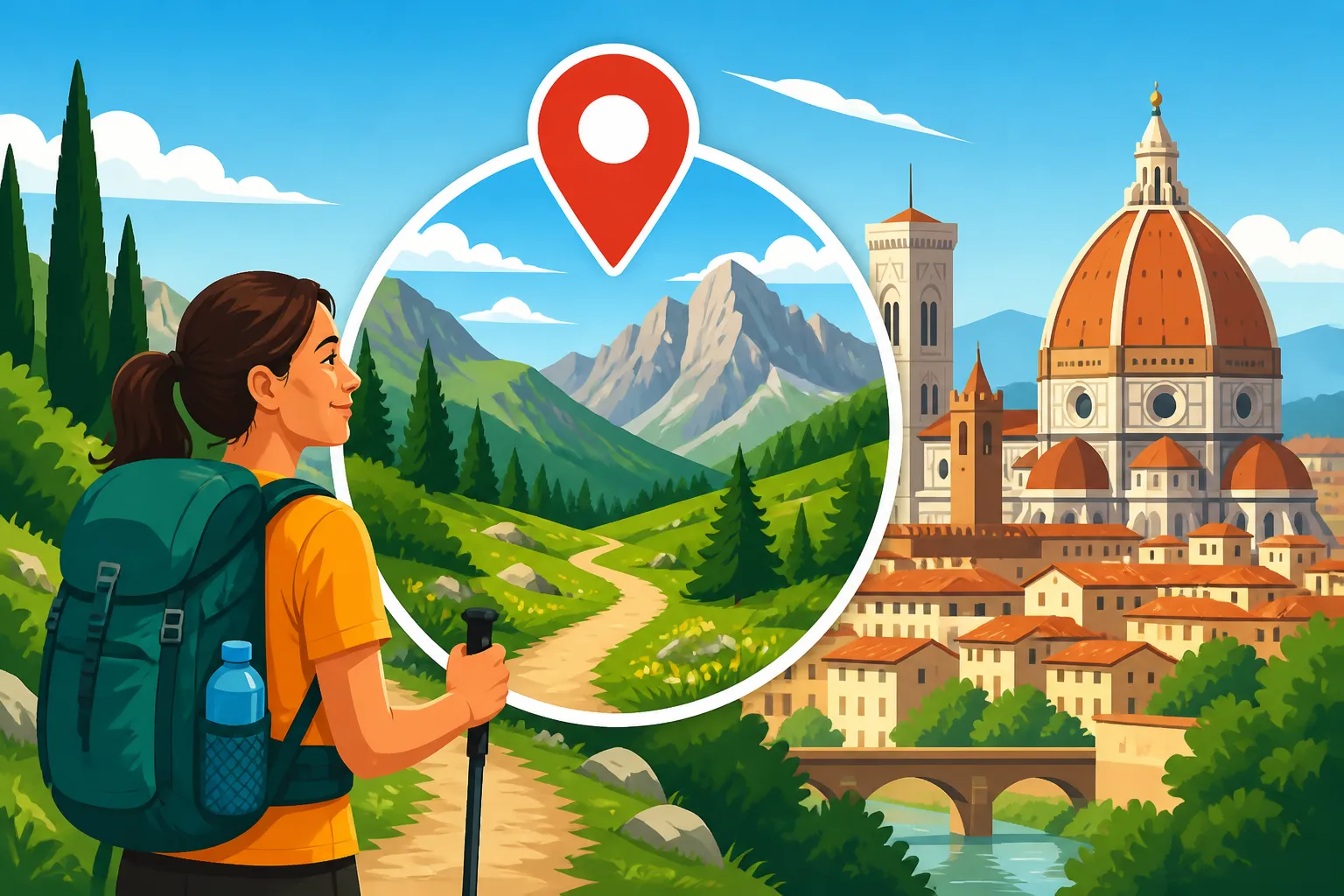
Ah, city life in Italy, isn't it just magnificent? The piazza buzz, the aroma of caffè, the endless history etched into every stone street. But let's be real, even the most captivating urban landscapes can leave you yearning for a bit of quiet, a lungful of fresh air that doesn't smell like exhaust fumes. Finding those serene escapes, especially easy ones accessible without needing a car, can feel like a secret quest for us expats. This guide is here to help you uncover some fantastic, easy day hikes near Italy's most beloved cities, perfect for a quick refresh when the urban hustle becomes a tad too much.
Disclosure: This post may contain affiliate links. We may earn a commission at no extra cost to you if you make a purchase through these links. Read full disclosure.
The Call of the Wild: Why City Escapes Are Essential in Italy
Living in Italy is a dream for many, but the reality of bustling cities, constant traffic, and the charming chaos can sometimes wear even the most seasoned expat down. There’s a particular kind of relief that only nature can offer, a quiet reset button that recharges your batteries.
The Urban Grind vs. Natural Bliss
Think about it: after a week of navigating crowded sidewalks, deciphering bureaucratic Italian, or simply dealing with the relentless noise that's part and parcel of major Italian cities like Rome or Naples, your soul craves a moment of peace. That longing for greenery, for the rustle of leaves instead of scooter engines, for panoramic views that aren't blocked by ancient buildings, is a universally expat experience. These moments in nature aren't just a nice-to-have; they’re a necessity for maintaining your sanity and appreciating the slower, more beautiful aspects of Italian life that often hide just beyond the city limits. It’s about rediscovering the quiet magic that drew many of us here in the first place. Whether it's a brisk walk through a historic park or a gentle climb up a scenic hill, these natural escapes offer a vital counterpoint to the vibrant, yet sometimes overwhelming, urban energy.
Unlocking Italy's Hidden Green Gems
What many visitors and even some long-term residents don't realize is that Italy's natural beauty isn't confined to its dramatic coastlines or soaring Dolomites. Right on the doorstep of many major cities, there are incredible green spaces, historic paths, and gentle hills perfect for a leisurely hike. These aren't necessarily challenging treks that require specialized gear or advanced navigation skills. Instead, they are often well-maintained paths, sometimes even paved, that offer stunning scenery, a sense of tranquility, and a welcome break from concrete. You don't need to embark on a multi-day journey; a few hours is often all it takes to feel completely re-centered. Sometimes, these paths even lead to charming small villages or ancient ruins, adding a layer of cultural discovery to your natural escape. It's about tapping into the lesser-known, more intimate side of Italy that often goes unnoticed by those sticking strictly to the well-trodden tourist trails. Discovering these spots can feel like uncovering a local secret, a true reward for venturing just a little bit off the beaten path.
Planning Your Perfect Easy Hike: Logistics and Practicalities
Venturing out for a day hike from an Italian city doesn't have to be complicated. With a little planning, you can trade city noise for birdsong and enjoy Italy's natural landscapes without the stress.
Accessibility Without a Car: Public Transport Prowess
For many of us expats, especially in the early days, owning a car in Italy is either a distant dream or a bureaucratic nightmare we're actively avoiding. The good news is, many wonderful hiking spots are surprisingly accessible via Italy's extensive public transport network. You might be surprised at how far you can get with a train, a regional bus, or even a local metro line. For those longer distances or for exploring routes between cities, resources like Omio can be incredibly helpful for finding and booking train and bus tickets, making it easy to plan your journey to the trailhead.
When I first moved to Florence, I was convinced I needed a car to see anything beyond the city walls. I quickly learned that the regional bus system was my best friend for reaching spots like Fiesole or even further afield into the Chianti hills for a walk. Always check the schedules carefully, especially on Sundays or public holidays, as services can be less frequent. And remember, validating your ticket before you board a bus or train is crucial—those fines are no fun! For detailed information on how to navigate the Italian train system, you might find our guide on High-Speed Trains in Italy: Trenitalia, Italo, Routes, and Savings or Getting Around Italian Cities: Metro, Tram, and Buses incredibly useful.
Defining "Easy": What to Expect on Italian Trails
When Italians say a trail is "easy," it doesn't always translate perfectly to what you might consider a gentle stroll back home. While it usually means no technical climbing or extreme inclines, "easy" can still involve uneven terrain, loose gravel, or moderately steep sections that require good, sturdy footwear. These aren't always flat, paved paths.
An "easy" Italian hike might mean a well-trodden dirt path through vineyards, a scenic coastal walk with some ups and downs, or a trail through a park that still has significant elevation changes. For example, some of the coastal paths in Cinque Terre, while breathtaking, can be quite narrow and challenging, even if they're not classified as "mountaineering." Always check the length and elevation gain (if available) before you go. A 5 km hike with 300 meters of elevation is a different beast than a flat 5 km stroll. My advice? When in doubt, err on the side of caution. If a trail description mentions salita (uphill) or discesa (downhill), be prepared for some effort. Generally, we're looking for well-marked paths, often within designated parks or protected areas, that don't demand specialist equipment or advanced navigational skills.
Essential Gear for a Relaxing Ramble
Even for an "easy" hike, a little preparation goes a long way. Forget the heavy mountaineering boots, but please, for the love of your ankles, leave the flip-flops and fashion sneakers at home. Sturdy walking shoes or light hiking boots with good grip are paramount, especially given Italy's often uneven natural terrain.
Here’s a quick checklist of what I usually toss into my daypack for a relaxing ramble:
- Comfortable, sturdy shoes: Non-negotiable. Protect those feet!
- Water: Even on a cool day, staying hydrated is crucial. Bring more than you think you’ll need.
- Snacks: A piece of fruit, a panino, some nuts – something to keep your energy up.
- Sunscreen and a hat: The Italian sun is no joke, even in spring and autumn.
- Layers of clothing: Weather can change quickly, especially in hilly areas.
- Small first-aid kit: Blister plasters, antiseptic wipes, pain relievers.
- Fully charged phone: For navigation (Google Maps, Komoot, AllTrails are good options) and emergencies. Consider bringing a power bank.
- Offline maps: Mobile data isn't always reliable in secluded areas.
- Small backpack: To comfortably carry everything.
You don't need to go full Bear Grylls, but being slightly over-prepared is always better than being caught off guard. For a more comprehensive packing list that can be adapted for day hikes, check out our article on What to Pack for Hiking in the Dolomites.
Top Picks for Easy Day Hikes Near Italy's Major Cities
Let's dive into some specific spots where you can easily escape the urban sprawl and embrace Italy's natural beauty.
Rome: Ancient Paths and Rolling Hills
Rome is a bustling metropolis, but it's also surprisingly green. Beyond the popular Villa Borghese, there are vast natural parks and ancient pathways just waiting to be explored.
Parco Regionale dell'Appia Antica
This is hands down one of my favorite escapes in Rome. Imagine walking on the very stones trodden by ancient Romans, flanked by cypress trees and crumbling tombs, with sheep grazing peacefully nearby. The Appian Way is a linear park stretching out from the city, offering miles of relatively flat, easy walking or cycling paths. You can start right from the city center, taking a bus to the beginning of the park near the Catacombs of Callixtus or Cecilia Metella.
The beauty here lies not just in the ancient history that surrounds you, but in the serene countryside feel, just a stone's throw from the chaos of Rome. You can hike for as long or as short as you like, stopping at various points of interest, picnicking under ancient arches, or simply enjoying the vast open spaces. It's a fantastic way to combine history with nature, and it’s completely free. Remember your water bottle, as fountains can be scarce, especially further out. For more ideas on exploring Rome's iconic sites, see our guide Rome for First-Time Visitors: Neighborhoods and Highlights.
Parco Regionale dei Castelli Romani
Just south-east of Rome, this regional park encompasses a series of charming hill towns (the Castelli Romani) and two volcanic lakes: Lake Albano and Lake Nemi. It’s easily reachable by regional train from Roma Termini to towns like Castel Gandolfo (home to the Papal summer residence) or Albano Laziale.
From Castel Gandolfo, you can enjoy a relatively easy walk around the shores of Lake Albano, offering stunning views back towards the town and the Pope's palace. There are also trails that wind through the volcanic hillsides, offering varying levels of difficulty, but many are gentle and provide lovely vistas of the lakes and surrounding countryside. Pack a picnic, or plan to stop for lunch in one of the charming trattorie in the villages, known for their local specialties like porchetta. It's a beautiful change of scenery and a wonderful glimpse into the Roman countryside.
Florence: Tuscan Vistas on Your Doorstep
Florence, while undeniably picturesque, can feel a bit enclosed with its dense medieval core. Luckily, the rolling Tuscan hills beckon just beyond the Arno.
Fiesole Hills and Monte Ceceri
Fiesole, perched high above Florence, is your immediate go-to for an easy escape. It's easily accessible by bus (the number 7 from Piazza San Marco) and offers breathtaking panoramic views of Florence. Once in Fiesole, you can explore the Roman theater and climb up to the San Francesco Monastery for even higher vistas.
From Fiesole, several well-marked paths lead into the surrounding hills. A particularly rewarding, yet easy, walk is to Monte Ceceri. This spot is famous as the place where Leonardo da Vinci supposedly tested his flying machine. The trails through the woods are gentle and mostly shaded, offering tranquil moments and glimpses of Florence from different angles. It’s perfect for a couple of hours of light hiking, returning to Fiesole for a well-deserved gelato or aperitivo. Our Tuscany for Travelers: Cities, Hills, and Coast guide has more on the beauty of this region.
Parco delle Cascine
While not technically a "hike" in the traditional sense, Florence's largest public park, Parco delle Cascine, offers miles of flat, paved, and unpaved paths along the Arno River. It’s within easy walking distance or a short bus ride from the city center.
This vast park is perfect for a long, easy stroll, a leisurely run, or a bike ride. You’ll find locals walking their dogs, families picnicking, and students studying. While it lacks the dramatic elevation of Fiesole, it provides ample green space, fresh air, and a sense of calm often missing in the city's core. It's an excellent option when you want to stretch your legs without any strenuous effort, providing a simple yet effective break from urban life.
Milan: Lakeside Serenity and Northern Parks
Milan might be known for fashion and finance, but its proximity to the Alps and the stunning Italian Lakes means natural beauty is never far away.
Lake Como Shore Walks (e.g., Greenway del Lago di Como)
While Lake Como might seem like a longer trip, certain sections are incredibly accessible for easy day hikes. Take a regional train from Milano Centrale to Como San Giovanni, and from there, local buses or ferries can take you to charming lakeside villages.
The "Greenway del Lago di Como" is a fantastic example: a relatively flat, well-marked walking path that connects several villages on the western shore of the lake, such as Colonno, Sala Comacina, and Lenno. It’s about 10.5 km long, but you can do smaller sections. You walk through ancient hamlets, past olive groves, and along the shimmering lake, with stunning villa views. The path is mostly paved or cobbled and offers a truly relaxing experience. You can easily hop on a ferry at various points to change your route or return to Como. It’s a perfect blend of natural beauty, quaint Italian village life, and easy walking. If you decide to stay overnight to explore more, Booking.com has plenty of lovely options for lakeside accommodation. For tips on navigating longer distances, consider our guide on How to Travel Between Italian Cities Without a Car.
Parco Nord Milano
For an even closer escape, Parco Nord Milano, located just north of the city, is a large urban park easily reached by metro (M3 yellow line to Comasina or Affori FN). This park is a testament to urban renewal, transforming industrial land into a green oasis.
It offers extensive walking and cycling paths, ponds, wooded areas, and open meadows. While it's largely flat, it provides a crucial green lung for the city's residents. It’s a great spot for a long, easy walk or a refreshing jog, offering space to breathe and unwind without a long journey. You’ll find families, dog walkers, and cyclists enjoying the tranquility, a stark contrast to the busy Milanese streets.
Naples: Volcanic Views and Coastal Charm
Naples is vibrant and intense, but its dramatic natural surroundings – the Bay of Naples, Vesuvius, and the Phlegraean Fields – offer incredible opportunities for stunning, easy hikes.
Vesuvius Base Trails (and Crater Rim)
While a full climb to the crater rim of Vesuvius (which can be an easy walk from the top car park) might be a bit more strenuous for some, there are easier trails around the base of the volcano that offer incredible views. The regional train Circumvesuviana from Naples takes you to Ercolano Scavi, where shuttle buses or taxis can take you further up the mountain.
Many trails skirt the lower slopes, offering panoramic views of the Bay of Naples, the islands of Capri and Ischia, and the sprawling city itself. These paths are generally well-maintained and provide a unique perspective on the volcano without the steeper climb. If you opt for the crater rim, it’s a relatively short but consistently uphill walk on volcanic ash from the drop-off point, offering an unforgettable experience. Keep an eye out for guided tours on platforms like GetYourGuide, which often include transport and insights, making the trip even smoother.
Parco Regionale dei Campi Flegrei
To the west of Naples lies the Phlegraean Fields (Campi Flegrei), a vast caldera with dormant volcanoes, ancient ruins, and stunning coastal landscapes. This area is easily accessible by local train (Cumana line) from Naples to towns like Pozzuoli or Baia.
Here, you can explore the Solfatara crater (though check its current accessibility, as it sometimes closes), walk along the coast, or hike up to panoramic viewpoints like Monte Nuovo (a relatively young volcano). The trails here are generally gentle, winding through pine forests, past ancient Roman ruins, and offering views of the sea and the unique volcanic landscape. It’s a captivating area, full of geological wonders and historical significance, perfect for an easy, explorative day out.
Making Your Day Hike a Breeze: Tips and Resources
Getting out into nature near Italian cities is an absolute game-changer for your expat experience. A few final pointers will ensure your adventure is smooth and enjoyable.
Navigating with Apps and Local Knowledge
In the age of smartphones, navigating trails has become significantly easier, even for us language-challenged expats. Google Maps is a good starting point for general directions and public transport, but for actual trails, I highly recommend downloading dedicated hiking apps like Komoot or AllTrails. These often have user-generated routes, elevation profiles, and offline map capabilities, which are invaluable when you're off the beaten path and mobile signal decides to take a pausa.
However, never underestimate the power of local knowledge. Before heading out, a quick chat with your barista or the owner of a local tabaccheria might reveal a hidden gem or a crucial piece of information about trail conditions. Just brush up on your Survival Italian for Travelers: Key Phrases to Learn First to ask questions like "È un percorso facile?" (Is it an easy path?) or "C'è acqua lungo il sentiero?" (Is there water along the path?). And of course, ensure your phone is charged and you have a solid mobile plan or an eSIM for reliable data. Our guide on Mobile Data and eSIMs for Travel in Italy can help you set that up.
Fueling Your Adventure: Picnic or Trattoria?
Part of the joy of an Italian day hike is deciding how to refuel. Are you a picnic person, embracing the dolce vita with a panino and some local cheese enjoyed with a view? Or do you prefer the warmth and hospitality of a local trattoria after your exertions?
For picnics, many of these easy hiking spots have designated areas or plenty of natural spots where you can lay out a blanket. Pop into a local alimentari (grocery store) before you head out for fresh bread, prosciutto, cheese, and perhaps a small bottle of local wine. It's a quintessential Italian experience. If you opt for a trattoria, especially in the smaller towns near hiking trails, you'll often find authentic, hearty regional cuisine at very reasonable prices. It's a fantastic way to reward yourself and truly immerse in the local culture. Remember to check opening hours, particularly if you're hiking on a Sunday or during a holiday. For insights into what to expect from Italian dining, check out How to Order a Full Italian Meal: Courses Explained.
Safety First: Enjoying Nature Responsibly
While we're talking about "easy" hikes, safety should always be your priority. Even the gentlest trail can pose risks if you're not paying attention.
- Tell someone your plans: Let a friend know where you're going and when you expect to be back.
- Check the weather: Italian weather can be unpredictable. A sunny morning can quickly turn into a stormy afternoon. Don't risk getting caught in a downpour or a sudden chill.
- Stay on marked trails: This is crucial. Wandering off can lead to getting lost, encountering dangerous terrain, or disturbing wildlife.
- Respect private property: Many paths in Italy might border or even pass through private land. Be mindful of signs and closures.
- Leave no trace: Pack out everything you pack in. Let's keep Italy beautiful for everyone.
- Know emergency numbers: 112 is the universal European emergency number and works in Italy for all emergencies.
For broader safety advice while navigating Italy as an expat or tourist, consult our guide on Staying Safe in Italy: Common-Sense Tips for Travelers. By being prepared and responsible, you can fully enjoy the peace and beauty of Italy's accessible natural wonders, giving you that much-needed break from the city without any unwelcome surprises.
Here's a quick overview of some easy day hikes near major Italian cities:
| City | Hike Location | Best For | Estimated Length (Round Trip) | Accessibility (Public Transport) | Notes |
|---|---|---|---|---|---|
| Rome | Parco Regionale dell'Appia Antica | History buffs, long flat walks, cycling | Variable (up to 15-20 km) | Bus from city center | Ancient Roman road, ruins, catacombs. Mostly flat, some uneven cobblestones. |
| Rome | Lake Albano (Castel Gandolfo) | Scenic lake views, charming village, picnic | 5-10 km | Regional train from Termini | Gentle walk around the volcanic lake, or paths in surrounding hills. |
| Florence | Fiesole Hills / Monte Ceceri | Panoramic city views, light forest walks | 3-7 km | Bus #7 from Piazza San Marco | Uphill walk to Fiesole center, then gentle trails. Cobbled streets, forest paths. |
| Florence | Parco delle Cascine | Urban green space, leisurely stroll, cycling | Variable (up to 8 km) | Walk/Bus/Tram from city center | Florence's largest park, mostly flat paved and unpaved paths along the Arno. |
| Milan | Lake Como Greenway (e.g., Lenno) | Lakeside villages, elegant villas, serene | 10.5 km (sections possible) | Train to Como, then bus/ferry | Relatively flat, well-marked path connecting several picturesque villages. |
| Milan | Parco Nord Milano | Quick escape, urban park, flat walking | Variable | Metro (M3 line) | Large, mostly flat urban park with extensive paths. |
| Naples | Vesuvius Base Trails | Volcanic landscapes, panoramic bay views | Variable (3-5 km +) | Circumvesuviana to Ercolano, then shuttle | Lower slopes offer views; crater rim is steeper but short. |
| Naples | Monte Nuovo (Campi Flegrei) | Geological interest, coastal views | 2-3 km (loop) | Cumana train to Pozzuoli/Lucrino | Relatively easy ascent to a young volcanic crater, views of the Phlegraean Fields and sea. |
Disclaimer
The information provided in this guide is for general informational purposes only and is based on typical conditions and personal experiences. Hiking conditions, public transport schedules, trail accessibility, and local regulations can change. Always verify current information with local authorities, park services, and transport providers before planning your trip. Safety should be your primary concern, and you should assess your own fitness levels and carry appropriate gear for any outdoor activity.