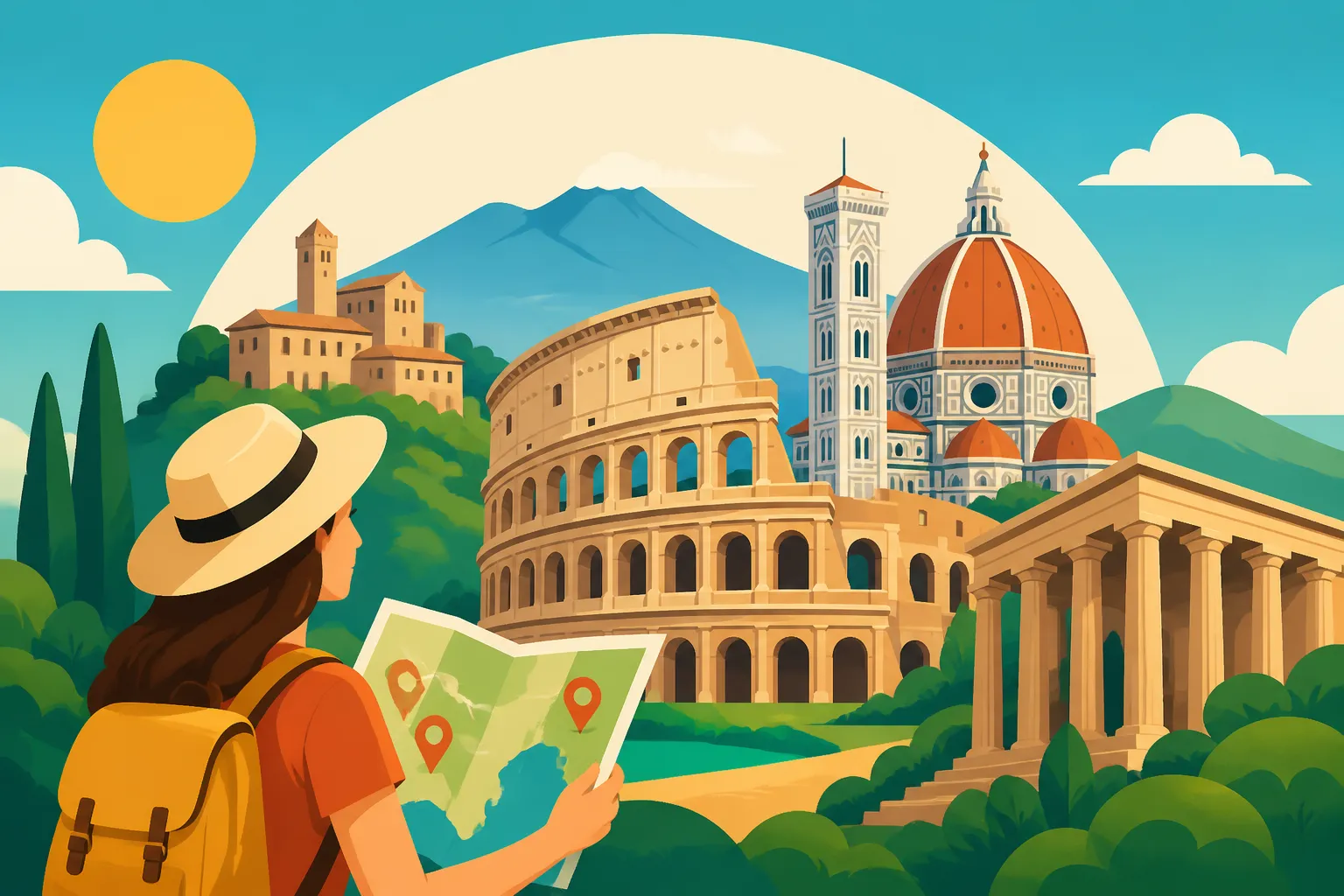
How to Plan a Visit to Italy’s UNESCO Sites
Oh, Italy. Just the name conjures images of ancient ruins, Renaissance masterpieces, sun-drenched vineyards, and coastal villages clinging to cliffs. It's truly a marvel, but when you start thinking about planning a trip, especially one focused on its incredible UNESCO World Heritage Sites, it can feel less like a dream and more like a daunting research project. This guide is here to cut through that overwhelm, offering you a realistic, expat-tested approach to making your UNESCO site visits unforgettable without losing your mind to logistics.
Disclosure: This post may contain affiliate links. We may earn a commission at no extra cost to you if you make a purchase through these links. Read full disclosure.
Why Italy's UNESCO Sites Are a Must-See (and a Challenge)
Italy boasts the most UNESCO World Heritage Sites of any country in the world – a staggering 59 properties, to be precise, as of the latest count. That’s more than just a number; it’s a testament to Italy's unparalleled contribution to human history, culture, and natural beauty. For an expat like me, living here means constantly stumbling upon another jaw-dropping testament to this fact. But for a visitor, this sheer abundance can feel like trying to drink from a firehose.
Understanding the Sheer Volume and Diversity
When you hear "UNESCO site," your mind might immediately jump to the Colosseum or the Leaning Tower of Pisa. And yes, those are absolutely on the list! But the breadth of Italy's UNESCO properties goes far beyond the iconic. You have entire historic city centers like Rome, Florence, and Venice. Then there are archaeological sites that transport you back millennia, like Pompeii and Herculaneum. But it doesn't stop there. Think about the prehistoric rock art of Valcamonica, the medieval Lombard Temples, the Baroque splendor of the Val di Noto, or the intricate Sassi and Park of the Rupestrian Churches of Matera. Each one is a unique chapter in human history, preserved for eternity.
The challenge isn't just picking which ones to see, but understanding the time commitment each demands and how to weave them into a coherent travel plan. You can't just hop from Milan to Palermo in an afternoon without some serious planning. Believe me, I've tried to cram too much into one trip and ended up feeling rushed and missing out on the genuine Italian experience. It's about quality over quantity, especially when these sites are so rich with detail and history.
Beyond the Obvious: Natural and Intangible Heritage
What many visitors don't realize is that UNESCO's designation isn't solely for man-made monuments. Italy also proudly protects its incredible natural landscapes and even its cultural traditions. The majestic Dolomites, for instance, are a stunning example of natural beauty, offering dramatic peaks, verdant valleys, and crystal-clear lakes that belong on any nature lover's itinerary. Mount Etna, Europe's most active volcano, is another natural wonder recognized for its geological significance.
Then there's the "intangible cultural heritage," which, while not a site you can visit in the traditional sense, is a crucial part of what makes Italy so special. Think about the art of Neapolitan pizza making, included on the UNESCO list, or the traditional Mediterranean diet. These are living traditions that you experience through taste, smell, and human connection. So, when you're planning your trip, don't just limit yourself to historical buildings; consider how you can immerse yourself in the culture that has shaped these incredible places. A visit to a bustling local market, like the Mercato Centrale in Florence, or a small family-run trattoria can be just as enriching as stepping into an ancient ruin.
Strategizing Your UNESCO Itinerary
Okay, so you're convinced. You want to see some of these incredible places. But how do you even begin to narrow it down and make sense of it all? The key is strategy. Forget trying to tick every box; focus on creating a memorable, enjoyable journey.
Geographic Grouping: The Smart Traveler's Hack
The absolute best advice I can give you for planning any trip to Italy, especially one involving multiple UNESCO sites, is to group your destinations geographically. Italy is a long, boot-shaped country, and travel between regions can take time, even with high-speed trains. Trying to jump from Venice to Naples to Sicily in a week is a recipe for exhaustion and frustration.
Instead, pick a region or two and explore them deeply. For example:
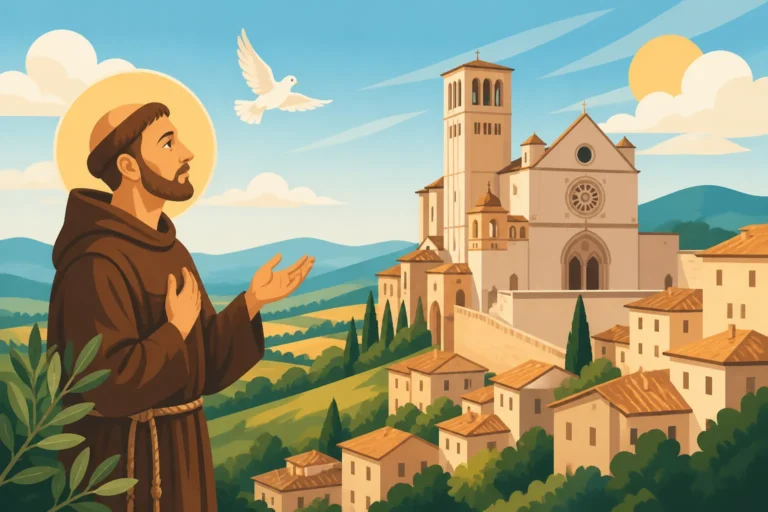
- Lazio and Umbria: You could spend significant time in Rome, which is a UNESCO site in itself (Historic Centre of Rome, Properties of the Holy See in Rome enjoying extraterritorial rights and San Paolo fuori le Mura). From there, you could easily take day trips by train to Hadrian's Villa and Villa d'Este in Tivoli, or venture into Umbria to see the Basilica of San Francesco in Assisi. These are all manageable distances. You might even consider an overnight stay in a smaller town to truly soak in the atmosphere. To plan these trips efficiently, check out options for Best Day Trips From Rome by Train.
- Tuscany and Surrounding Areas: Florence, with its stunning historic center, is a natural hub. From there, you can explore the magnificent Piazza del Duomo in Pisa, the historic center of Siena, or the rolling landscapes of the Val d'Orcia. All of these are within easy reach. Learning How to Travel Between Italian Cities Without a Car will be immensely helpful for this region.
- Veneto and the Dolomites: Venice, a singular marvel, is a UNESCO site that needs no introduction. After exploring its unique canals and calli, you could head north to Verona, with its Arena and historic city, or even venture into the dramatic beauty of the Dolomites.
By focusing on a cluster, you minimize travel time, save money, and allow yourself to relax and actually enjoy each destination rather than constantly packing and unpacking.
Time Allocation: Don't Rush Perfection
This might be the hardest part for many visitors, especially those on a tight schedule. It's tempting to think you can "do" Pompeii in two hours. You can't. You'll just walk past things, snap a few photos, and leave feeling like you barely scratched the surface.
Different sites require different time commitments:
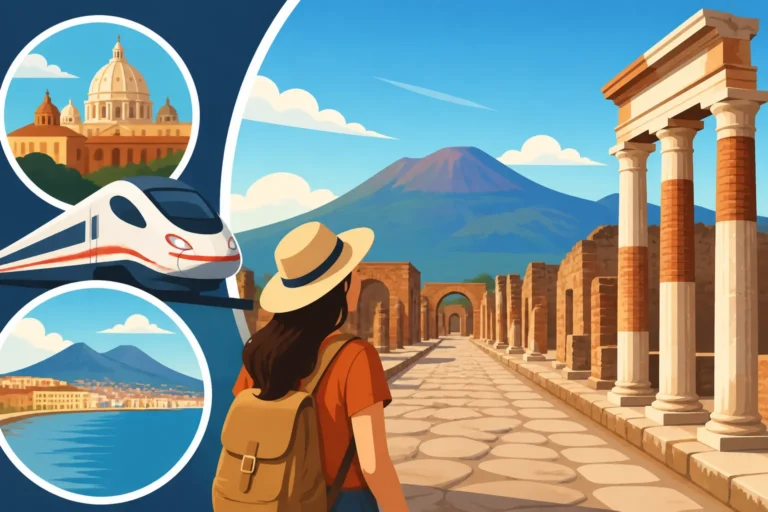
- Major Archaeological Parks (Pompeii, Herculaneum): Plan for a minimum of half a day, preferably a full day, especially if you want to explore thoroughly, maybe even take a guided tour, and stop for lunch.
- Historic City Centers (Florence, Siena, Rome): These are not just single sites but entire cities. You need days, sometimes a week, to truly experience them. Rome, for example, demands at least three to five full days just to hit the major highlights, let alone the lesser-known gems. Consider How to See Rome's Main Sights in Two Days if your time is limited, but know you'll be rushing!
- Museums and Galleries (Uffizi, Vatican Museums): Pre-book your tickets! Seriously, do it. And allocate 3-4 hours per major museum. You can learn How to Skip the Lines at the Colosseum and Vatican with smart planning.
- Natural Sites (Dolomites): These require multiple days to truly hike, explore, and appreciate. They're not a quick drive-by.
- Smaller Towns/Villages (Alberobello, Matera, San Gimignano): You can often explore these in a half-day or a full day, but an overnight stay allows you to experience them without the day-tripper crowds.
My advice: build in buffer time. Always. Italian train schedules can be… optimistic. Things might close unexpectedly. Or you might simply fall in love with a piazza and want to linger over an extra caffè. Let yourself have that flexibility.
Seasonality and Crowds: When to Go
Italy's UNESCO sites are popular, and for good reason. This means crowds, especially during peak summer months (July and August) and around major holidays (Easter, Christmas). These times can be hot, busy, and more expensive.
- Shoulder Seasons (April-May and September-October): These are often the sweet spot. The weather is generally pleasant, the crowds are manageable, and prices for flights and accommodation are usually a bit lower than peak season. Many festivals are also happening during these months.
- Winter (November-March, excluding Christmas/New Year): This can be a wonderful time to visit cities, especially Rome and Florence. Fewer crowds mean you can enjoy museums and indoor sites with more tranquility. Some coastal or mountain areas might be less accessible or appealing, but city life thrives. Just be prepared for colder weather and shorter daylight hours. If you're heading to Venice, consider How to Avoid Crowds in Venice during peak times.
Think about the type of experience you want. If you dream of hiking in the Dolomites, summer or early autumn is best. If you want to savor Florence's art without elbowing tourists, winter might be your best bet.
Practical Planning for Your UNESCO Adventures
Once you have a rough idea of where you want to go and when, it's time to dig into the practicalities. This is where the expat wisdom really comes in handy!
Transportation Logistics: Getting There
Getting around Italy can be a joy, but it requires a bit of foresight.
- Trains: Italy has an excellent and extensive rail network. High-speed trains (Frecciarossa, Italo) connect major cities quickly and comfortably, while regional trains serve smaller towns. For efficiency and comfort between cities like Rome, Florence, and Venice, trains are almost always your best bet. Always book high-speed tickets in advance for the best prices. You can often find great deals on platforms like Omio, which simplifies booking across different operators. For more detailed information, check out How to Buy Trenitalia and Italo Tickets and Save Money.
- Buses: For smaller towns, especially those off the main rail lines, buses are invaluable. They can also be a more economical option for shorter inter-city routes. Regional bus networks are generally reliable but require a bit more research as they can vary by region.
- Renting a Car: While not always necessary for city-to-city travel, a car can be fantastic for exploring rural UNESCO sites like the Val d'Orcia in Tuscany, the Dolomites, or the small villages of Puglia. However, be aware of ZTLs (Limited Traffic Zones) in historic city centers, which are often camera-enforced and carry hefty fines. Always research if your destination has a ZTL. Our guide on What Is a ZTL in Italy and How to Avoid Fines is a lifesaver. You’ll also want to brush up on Renting a Car in Italy: ZTLs, Insurance, and Driving Tips before you hit the road.
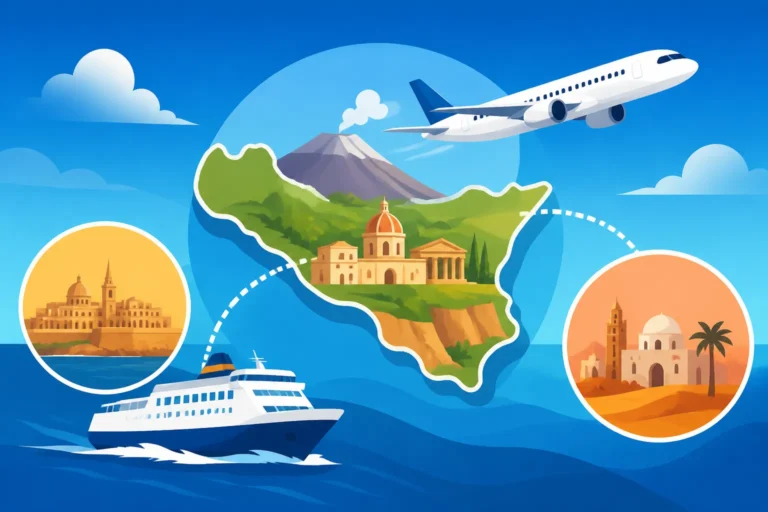
- Ferries: If your itinerary includes coastal sites or islands (like the Aeolian Islands, also a UNESCO site), ferries are your mode of transport.
Accommodation and Booking: Rest Easy
Where you lay your head matters, especially after a long day of exploring ancient ruins or scaling bell towers.
- Booking in Advance: For popular destinations and during peak season, always book your accommodation well in advance. Italy is popular, and the best places fill up quickly. Websites like Booking.com are incredibly useful for finding a wide range of options, from hotels to B&Bs to agriturismi.
- Location, Location, Location: Try to book accommodation that is centrally located or close to public transport hubs, especially in larger cities. This will save you precious time and energy commuting.
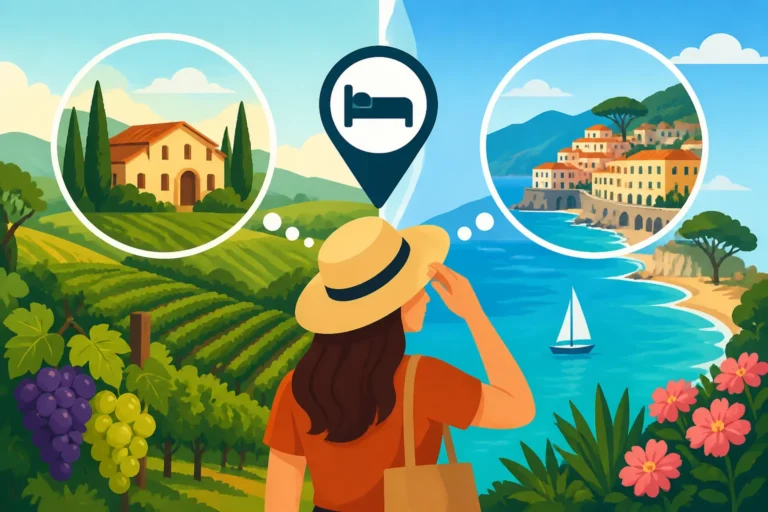
- Agriturismi: For a truly unique experience, especially when visiting rural UNESCO sites or exploring regions like Tuscany or Umbria, consider staying in an agriturismo. These are working farms that offer accommodation, often with home-cooked meals featuring local produce. It’s a fantastic way to immerse yourself in local culture and enjoy delicious, authentic food. Find out more about various options in Accommodation in Italy: Hotels, B&Bs, and Agriturismi.
Tickets, Tours, and Guides: Enhancing Your Visit
Simply showing up at a major UNESCO site without a plan can lead to long queues, wasted time, and a less enriching experience.
- Pre-booking Tickets: For major attractions like the Colosseum, Vatican Museums, Uffizi Gallery, or Pompeii, always pre-book your tickets online, often weeks or even months in advance for peak season. This is non-negotiable if you want to avoid hours of waiting. Many official museum websites offer direct booking.
- Guided Tours: For sites with complex history or intricate details, a guided tour can be invaluable. A good guide brings the past to life, pointing out nuances you might otherwise miss. Companies like GetYourGuide offer a vast selection of walking tours, skip-the-line tours, and specialized excursions. This can make a huge difference, especially in archaeological parks where knowing what you're looking at really enhances the experience.
- Audio Guides: If a full tour isn't your style, consider an audio guide available at many sites. They offer flexibility while still providing detailed information.
- Local Experts: Sometimes, the best experience comes from hiring a local, independent guide. They often offer a more personalized touch and deeper insights into local culture and history.
Essential Documents and Local Considerations
Beyond the big bookings, remember the small things that make a big difference.
- Comfortable Shoes: This sounds obvious, but you will be doing a lot of walking, often on ancient cobblestones or uneven terrain. Leave the stilettos at home.
- Adapters: Italy uses Type F (Schuko) and Type L (Italian) electrical outlets. Don't forget your adapters for your electronics.
- Dress Code: When visiting churches, cathedrals, or the Vatican, remember to dress respectfully. Shoulders and knees should be covered for both men and women. It's a sign of respect for local customs. Our guide on Italian Customs, Etiquette, and Social Life can give you more insights.
- Emergency Numbers: Know 112 for general emergencies (police, ambulance, fire). It's the European standard.
- Translation Apps: While English is spoken in major tourist areas, having a translation app on your phone can be a lifesaver in smaller towns or for deciphering menus.
- Local Currency: While cards are widely accepted, especially in cities, it's always good to have some euros on hand for small purchases, local markets, or places that might be cash-only.
- Tipping: Unlike some countries, tipping isn't mandatory or expected for every service in Italy, but a small token of appreciation for excellent service is always welcome. Understanding Tipping in Italy: When, Where, and How Much can help you navigate this.
A Glimpse into Italy's Diverse UNESCO Wonders
Let's dive into a few examples to give you a taste of the incredible diversity you'll find among Italy's UNESCO sites, inspiring your planning.
Iconic Cultural Landscapes and Cities
These are the big hitters, the places that instantly come to mind when you think of Italy, and they're celebrated for their profound historical and artistic significance.
- Historic Centre of Rome: Where do you even begin? The Colosseum, Roman Forum, Palatine Hill, Pantheon, Trevi Fountain, Spanish Steps… it’s a living museum. The city itself is a testament to millennia of human civilization. Spending days here just scratching the surface is deeply rewarding. You're walking through layers of history at every turn, from ancient Roman roads to Renaissance palaces.
- Historic Centre of Florence: The cradle of the Renaissance, Florence is an open-air art gallery. The Duomo, Uffizi Gallery, Ponte Vecchio, and Michelangelo's David are just a few highlights. The entire city center is a perfectly preserved snapshot of a golden age, with narrow streets bursting with history.
- Venice and its Lagoon: Absolutely unique, a city built on water that defies logic and captivates the soul. St. Mark's Square, the Doge's Palace, and the intricate network of canals and bridges make it a romantic and unforgettable destination. It’s also incredibly fragile, making its preservation a global priority.
- Archaeological Areas of Pompeii, Herculaneum and Torre Annunziata: Stepping into Pompeii is like time travel. These ancient Roman cities, preserved under volcanic ash from Vesuvius, offer an unparalleled insight into daily life almost 2,000 years ago. Herculaneum is smaller but often better preserved, with more intact wooden structures and frescoes. It’s a poignant and powerful experience.
Stunning Natural Heritage
Don't forget that Italy isn't just about ancient stones and masterpieces. Its natural beauty is equally worthy of the UNESCO designation.
- The Dolomites: Located in the north of Italy, these stunning mountain ranges are a geological wonder, characterized by their unique pale, jagged peaks that glow pink at sunset (the Enrosadira). They offer incredible opportunities for hiking, skiing, and simply breathtaking scenic drives. It's a completely different side of Italy, one of majestic grandeur and tranquility.
- Mount Etna: Europe's most active volcano on the island of Sicily, Etna is a dramatic and dynamic landscape. Its constantly changing volcanic activity has shaped the surrounding area, creating fertile soil for vineyards and fruit groves. You can hike on its slopes, witness its power from a distance, and appreciate the raw forces of nature.
Hidden Gems and Local Flavors
Sometimes, the most rewarding UNESCO experiences come from exploring places that are a bit off the main tourist circuit, allowing for a more intimate connection with Italy.
- The Sassi and the Park of the Rupestrian Churches of Matera: Located in Basilicata, Matera is an ancient city famous for its cave dwellings (sassi) carved into the rock face. It's a truly otherworldly place, often called the "City of Caves." Walking through its winding alleys and ancient habitations feels like stepping back into biblical times. The area is a testament to human ingenuity and adaptation.
- The Trulli of Alberobello: In Puglia, you'll find Alberobello, a town famous for its trulli – traditional Apulian dry stone huts with conical roofs. These unique, whitewashed dwellings are fascinating to see and explore, offering a glimpse into a distinct regional architectural style and way of life. It’s a whimsical and charming town that often surprises visitors.
| UNESCO Site Example | Type of Site | Region | Typical Visit Time | Main Attraction/Note |
|---|---|---|---|---|
| Historic Centre of Rome | Cultural (City) | Lazio | 3-5+ days | Colosseum, Roman Forum, Vatican City. Immerse yourself in layers of history. |
| Archaeological Areas of Pompeii | Cultural (Archaeological) | Campania | 0.5-1 day | Ancient Roman city preserved by volcanic ash. Requires extensive walking. |
| Historic Centre of Florence | Cultural (City) | Tuscany | 2-4+ days | Duomo, Uffizi Gallery, Ponte Vecchio. Renaissance art and architecture. |
| The Dolomites | Natural (Mountain Range) | Trentino-Alto Adige, Veneto, Friuli-Venezia Giulia | 3-7+ days | Stunning peaks, hiking, skiing. Best with a car for flexibility. |
| Sassi and Park of the Rupestrian Churches of Matera | Cultural (Ancient City) | Basilicata | 1-2 days | Cave dwellings, ancient churches. Unique and atmospheric. |
| The Trulli of Alberobello | Cultural (Architecture) | Puglia | 0.5-1 day | Distinctive dry stone huts with conical roofs. Quaint and picturesque. |
This table is just a tiny glimpse, of course. Italy has so much more to offer. The key is to savor the journey, embrace the dolce vita, and allow yourself to be captivated by the incredible stories these sites have to tell. Planning effectively means you can actually relax and enjoy them, rather than rushing through a checklist.
Disclaimer
Please remember that travel requirements, site access, and operational details for UNESCO sites in Italy can change. Always check the latest information from official sources, such as embassy websites, the Italian Ministry of Culture, and individual site websites, before finalizing your plans. This guide is for informational purposes only and is based on general knowledge and experience.